To all our American friends and relatives …

… from all your buds to the north …

I hope you have a lovely day, no matter how you choose to pass it. 🍂
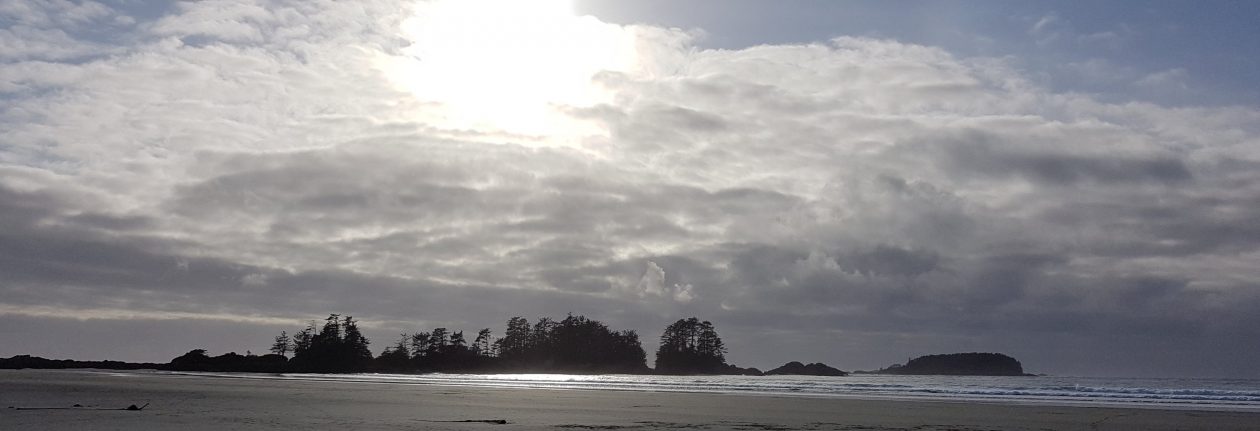
To all our American friends and relatives …
… from all your buds to the north …
I hope you have a lovely day, no matter how you choose to pass it. 🍂
Here in the valley we have had buckets and buckets of rain which in the mountains is coming down as snow, and as low as 800 metres above ground (2625 ft), to be exact.


Our neighbourhood ski resort, Apex *(https://apexresort.com/), is opening soon but there are other undeniable signs, too.

There’s a proliferation of barberries and I’ve noticed that the ducks, geese and coots are all starting their winter huddles. Today during my walk, I could see my breath a bit too, despite the fact that it was 5° (41F).

But probably the best indicator is the snow on the mountains. That’s a pretty definite sign!
So I’m thinking that winter is surely here, and no matter how we parse it, we’ve got a good two months before there will be an inkling of a change. Happy winter Wednesday. ❄️
* For information only. This is not an advertisement nor have I been paid to mention Apex ski resort.
Cedar waxwings are native to North America and frequently seen during the summer. Many of them migrate south but quite a few will overwinter in southern British Columbia, especially on Vancouver Island.

It was lovely and unexpected to recently see this pretty bit of brightness.
Happy Tuesday.

All photos taken on September 14, 2024. Our first stop on the trip to P.E.I. was in Fredericton. To be fair, we only hit the capitol city of New …
To Market, To Market, to Eat Like a …
I hope you enjoy these beautifully colourful photos of the Fredericton Farmers’ Market from Allan at Picture This. Please click the link above to see all of them and then maybe do a little wander around his site to see more of his fantastic pictures. Cheers.
It has been very rainy and overcast – a rather normal situation for this region as we move into winter – but there has been a lot of beauty in it, too.

There has been very little wind, the lakes have been mirror calm and the lustrous clouds have cocooned the valley in a sense of tranquility.
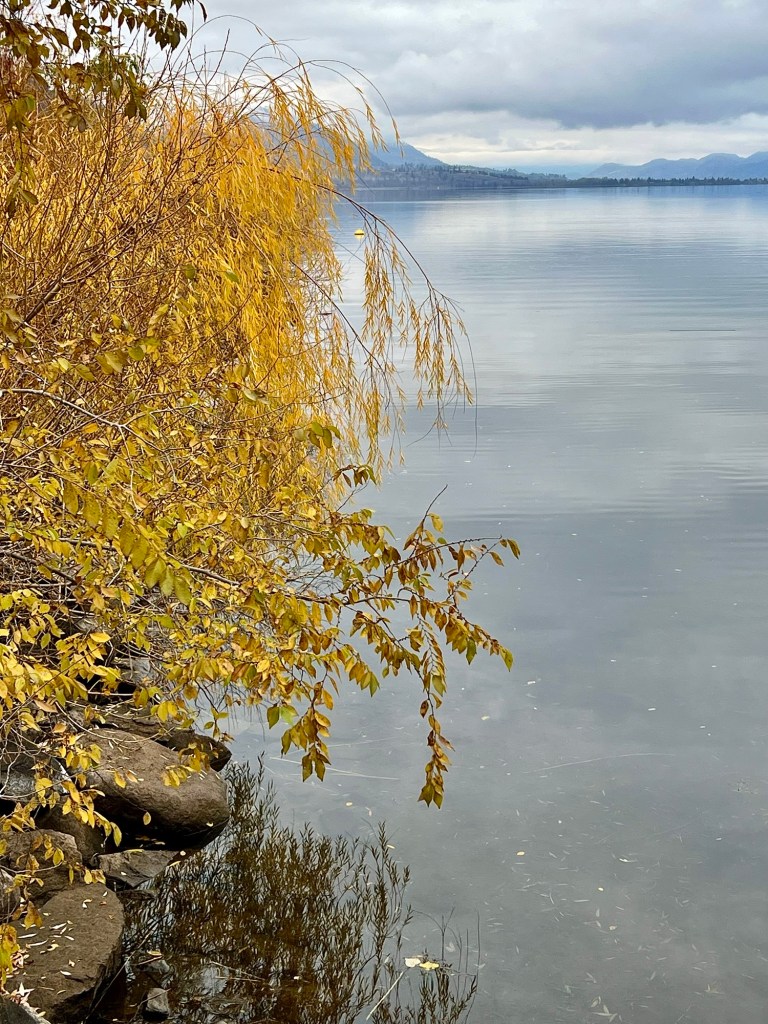
After a brisk walk in the 5 or 6 degree temperature (41-43F), that sense of tranquility comes home with me and I enjoy a hot chocolate and a warm blanket.
This time of year can be so unrelentingly busy and the expectations can be really high, too, so it’s important to grab moments when you can enjoy a bit of peacefulness.
Happy Monday.
On a recent walk I noticed that someone had hung single decorations from some of the trees and bushes in one of the parks.

It was a lovely bright discovery now that we have such rainy days and cloudy skies!
Happy Sunday.
We’re deep into November now and have entered the rainy season. If the weather sticks to its usual patterns, we will have a lot of rain and cloud for about the next two months.

We still have a little colour around that’s breaking up the grey motif, but probably not for long. Soon we will rely on seasonal light displays and plants such as poinsettias to bring us some relief.

The lace leaf maples are beginning to turn purple – the colour change stage they enter before dropping their leaves – and a light rain accompanies almost every step we take.

Lots of bushes and trees will retain a duller shade of green as they rest through the winter until they’re ready to once more provide us with their beauties.
Happy Saturday.

Tsuchinshan-Atlas (C/2023 A3) – das ist ein schöner Name für einen 2023 erst entdeckten schmutzigen Eisbrocken, der einmal in 80000 Jahren um die …
Der Komet (15.10.2024)
I hope you enjoy these gorgeous pictures of the Tsuchinshan-Atlas (C/2023 A3) comet from Radelnder uHu. Please click the link above to see all of them. Such fantastic captures!
It’s unfortunately come to that time of year where there aren’t many blooms about, but I did find a few for today’s flower post.
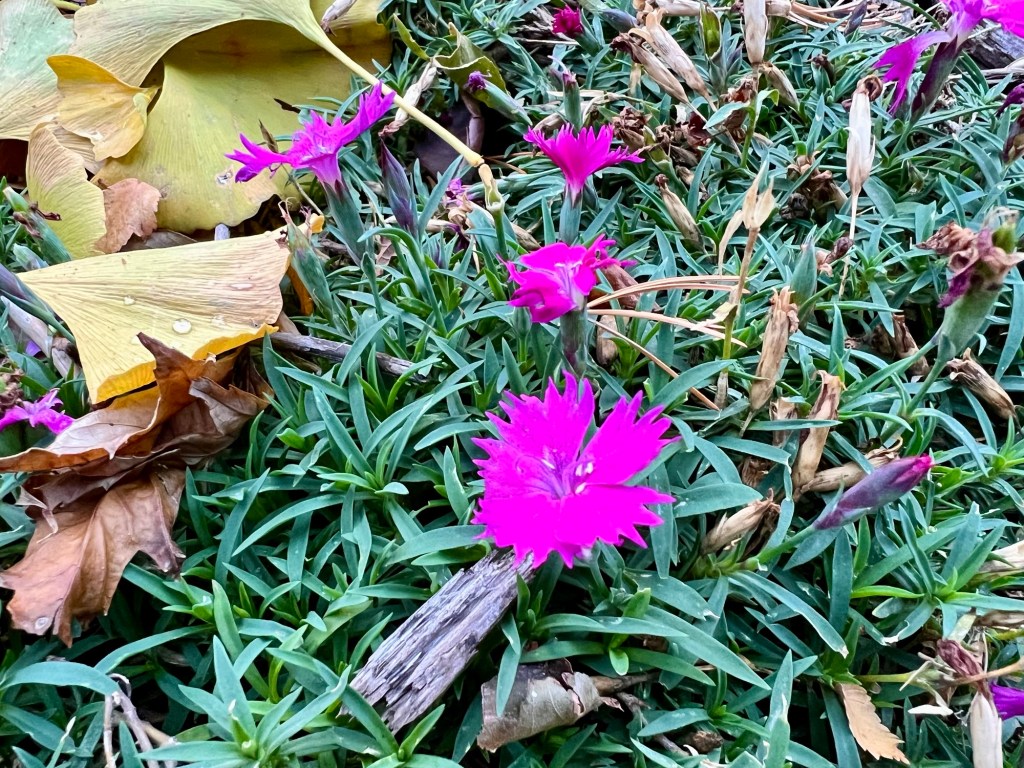
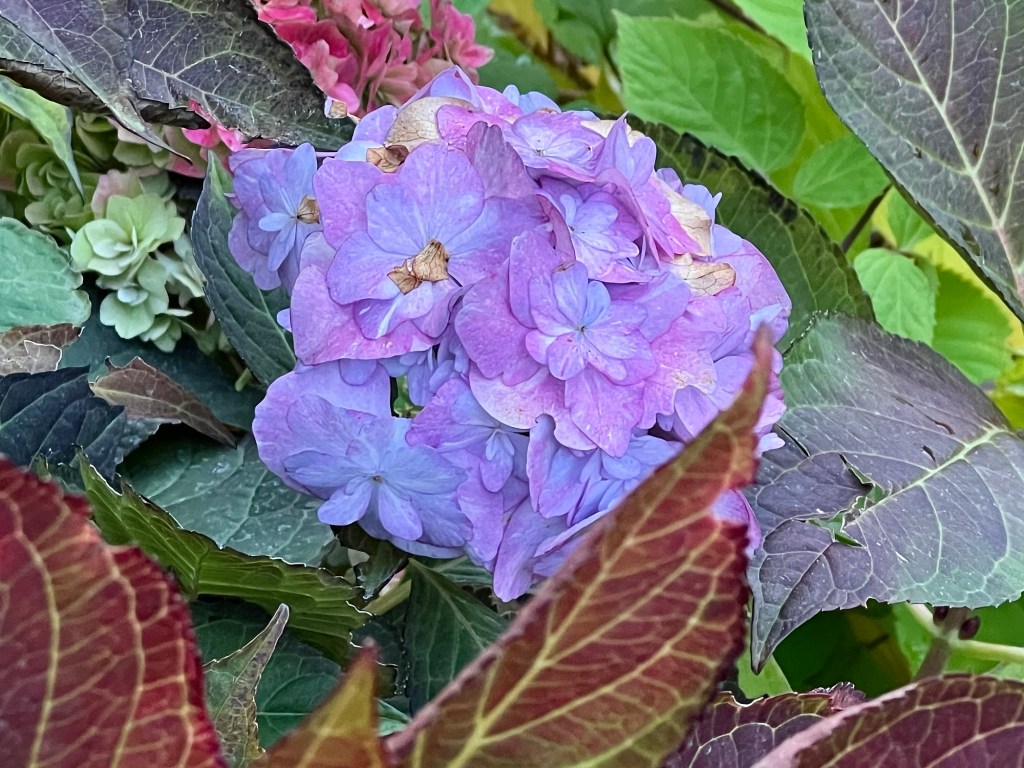
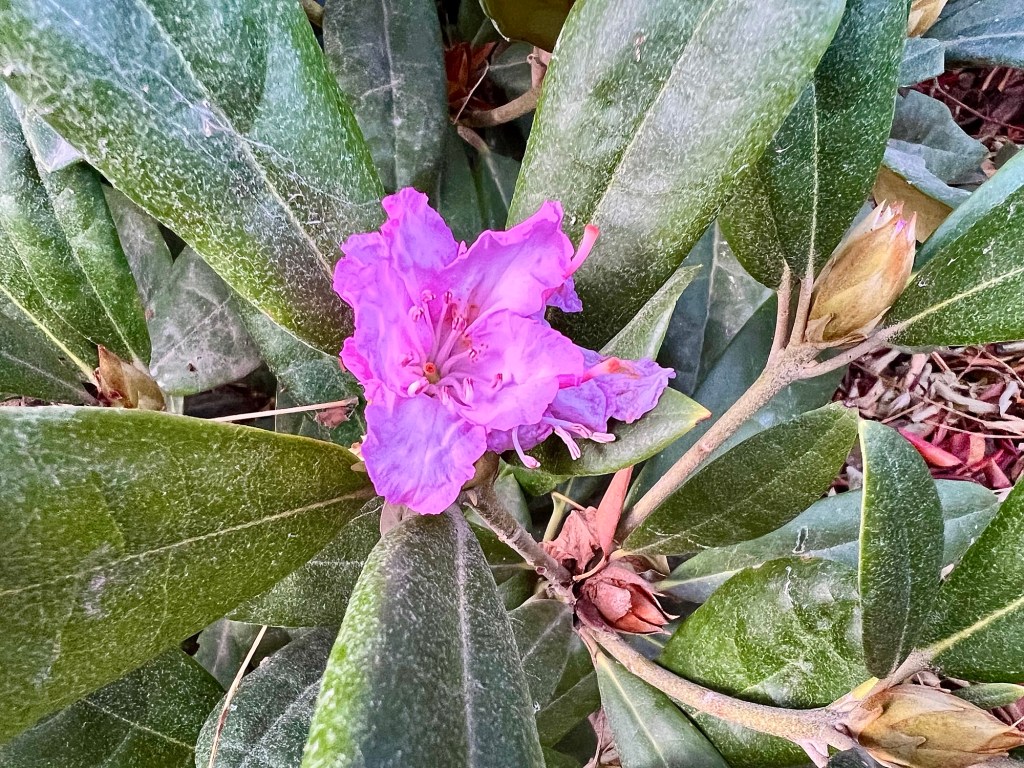
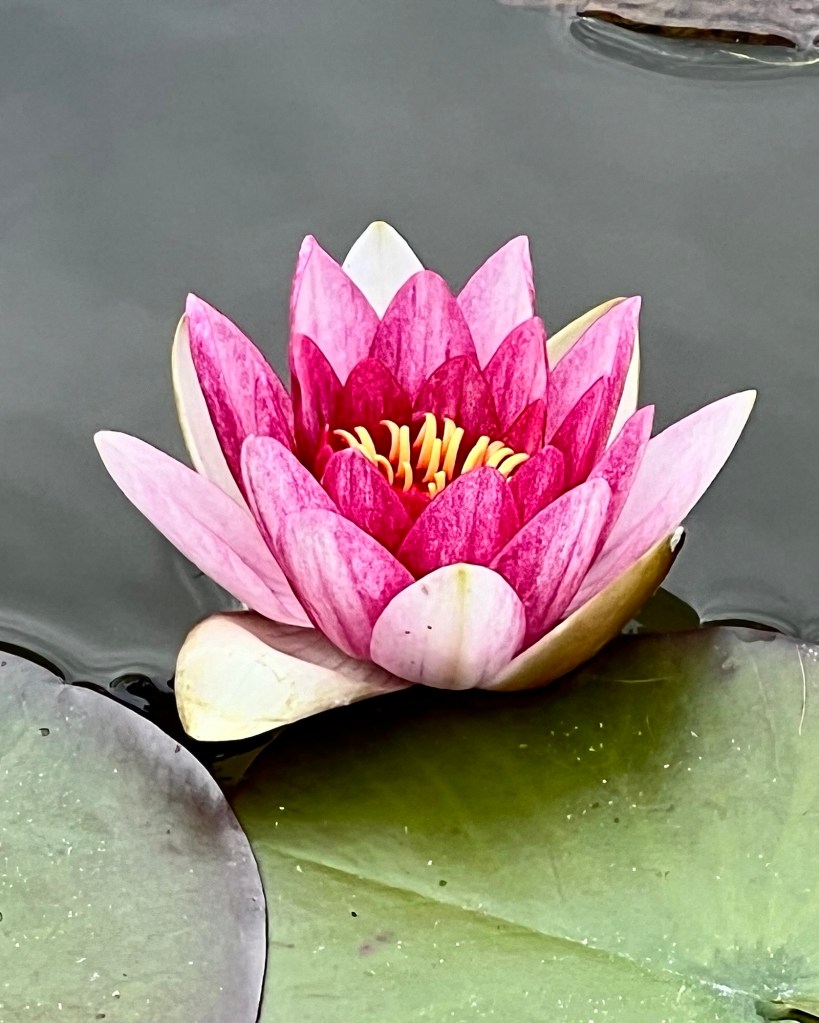
These will probably be my last flower finds for this year, so for the foreseeable future I’ll probably be posting pictures from the warmer months or whatever else I can find to brighten our Fridays.
Happy weekend.
Here in the interior of British Columbia we didn’t experience much effect from the cyclone that hit a substantial part of the Pacific coast from California to Alaska. We had quite a lot of overcast and a slow, steady rain but no wind and no flooding.
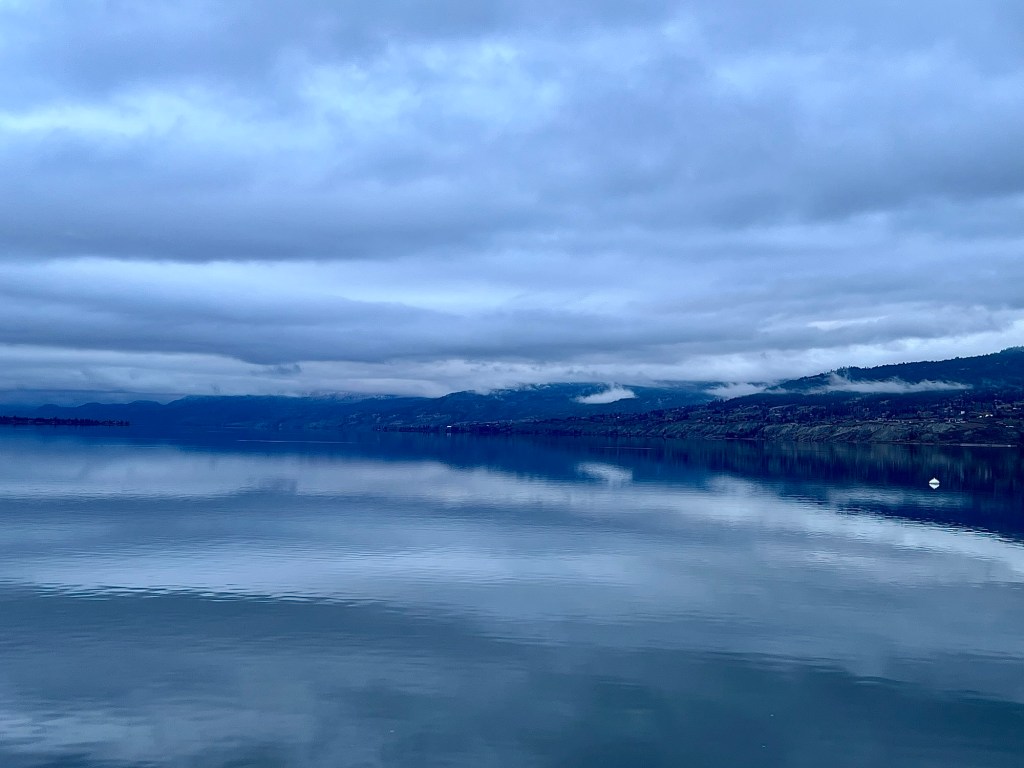
As you can see we had considerable cloud cover …

… but this was mitigated a bit by some dark greens and a few leftover leaves.
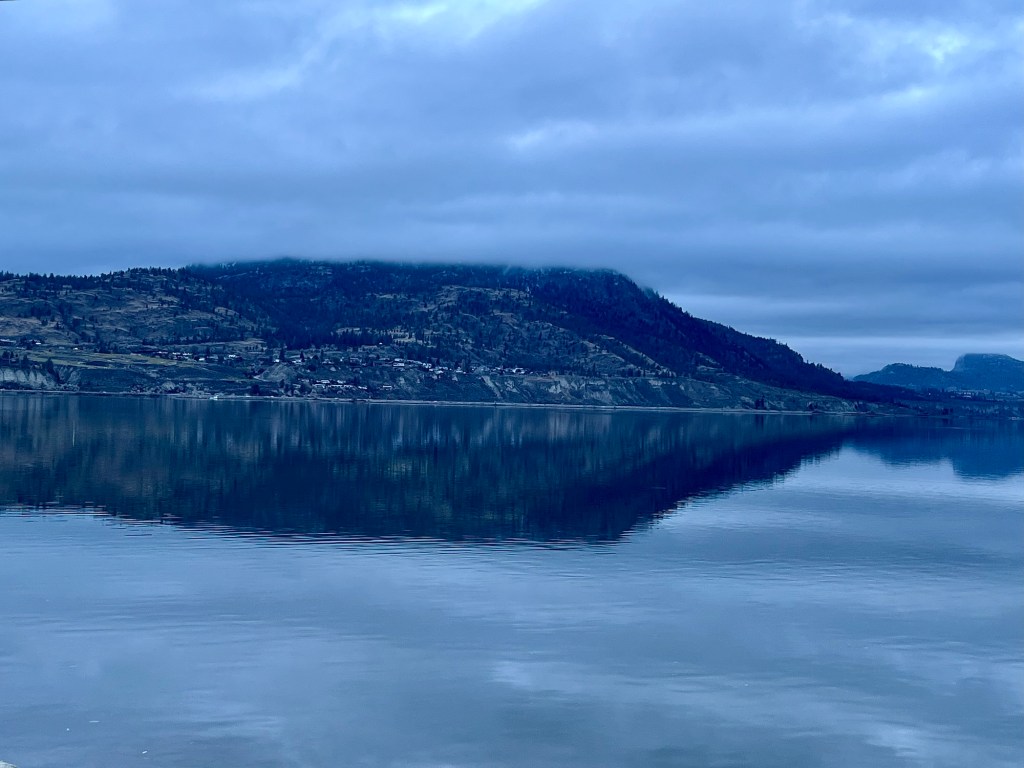
Thankfully, we didn’t get the power outages or the major winds gusting to 170 km (106 miles) that walloped the B.C. and Washington state coasts. There are downed trees everywhere as well as some structural damage in places, too.
Unfortunately there is another cyclone due to arrive by Friday or Saturday, but it’s supposed to be weaker than the last one. Let’s hope so.
Happy Thursday.
 In the Net! - Pictures and Stories of Life