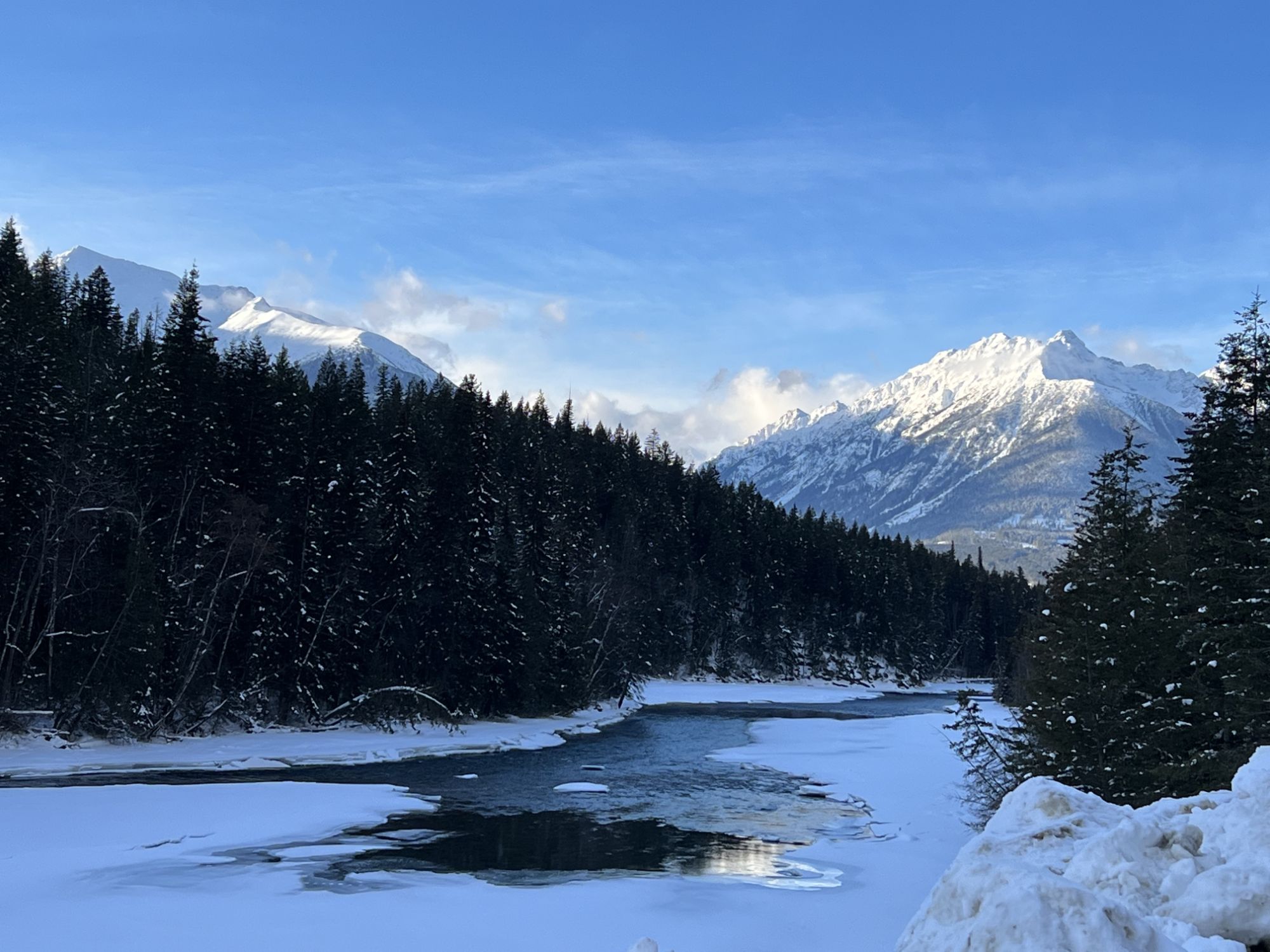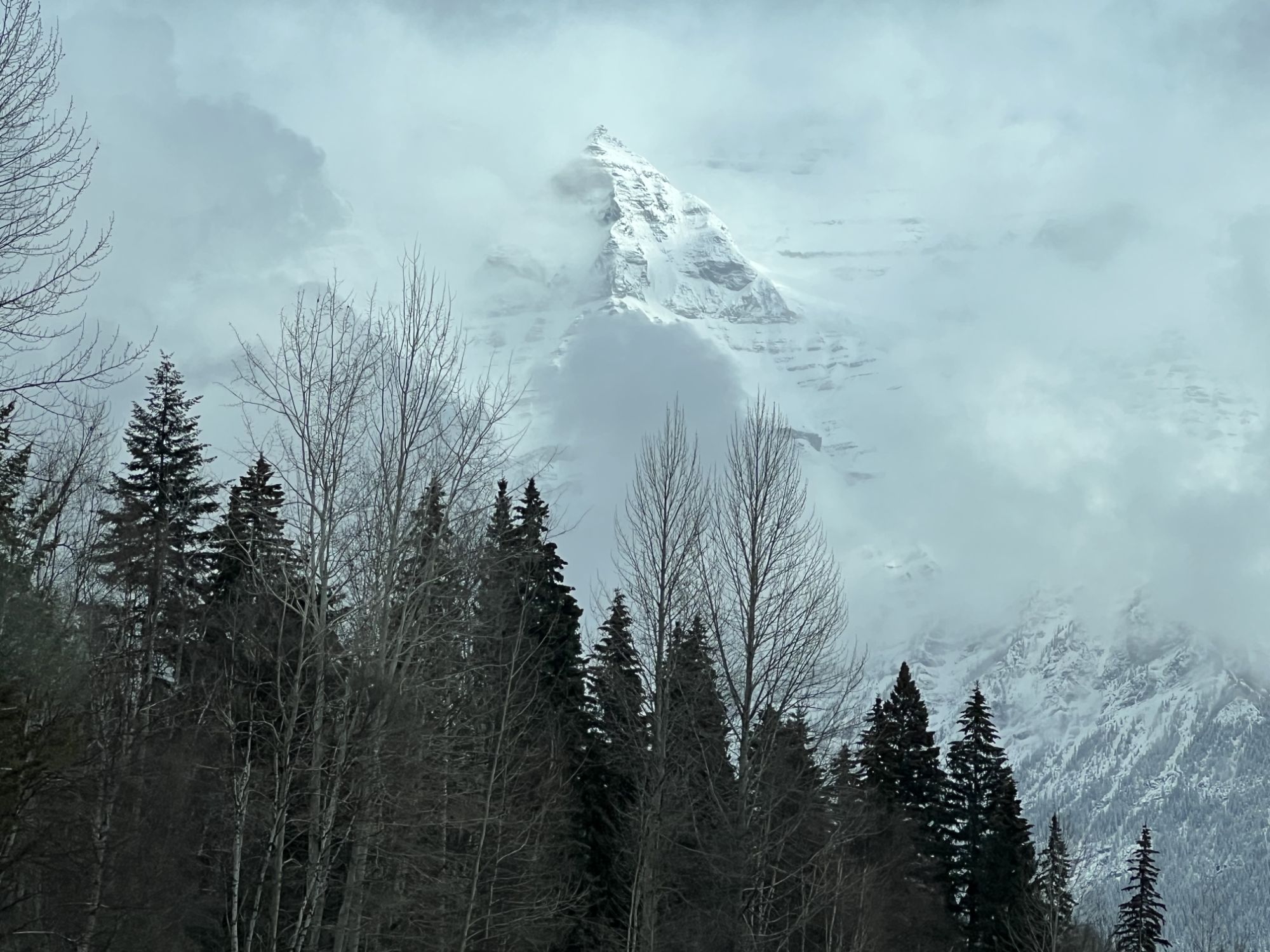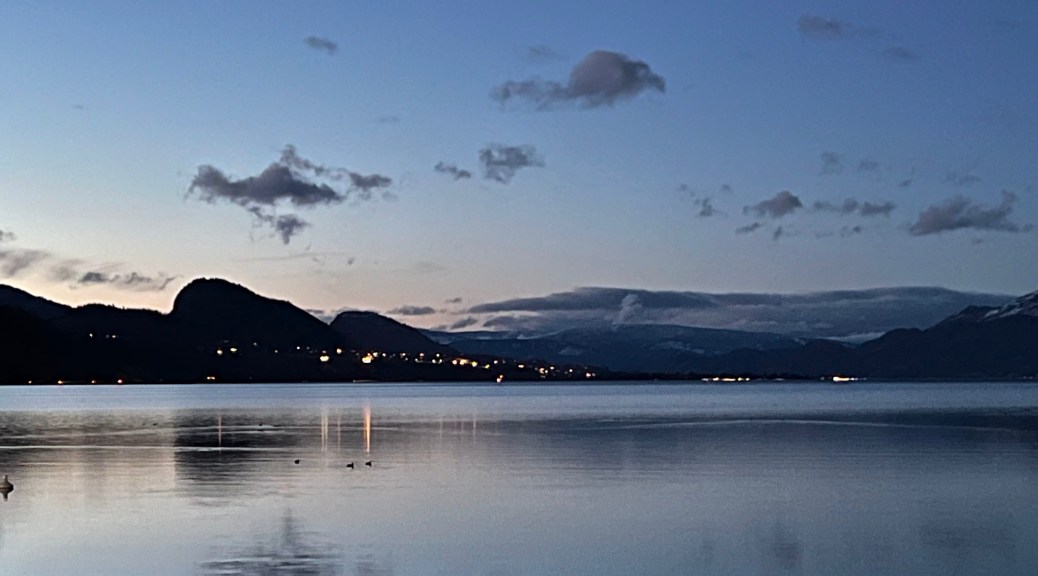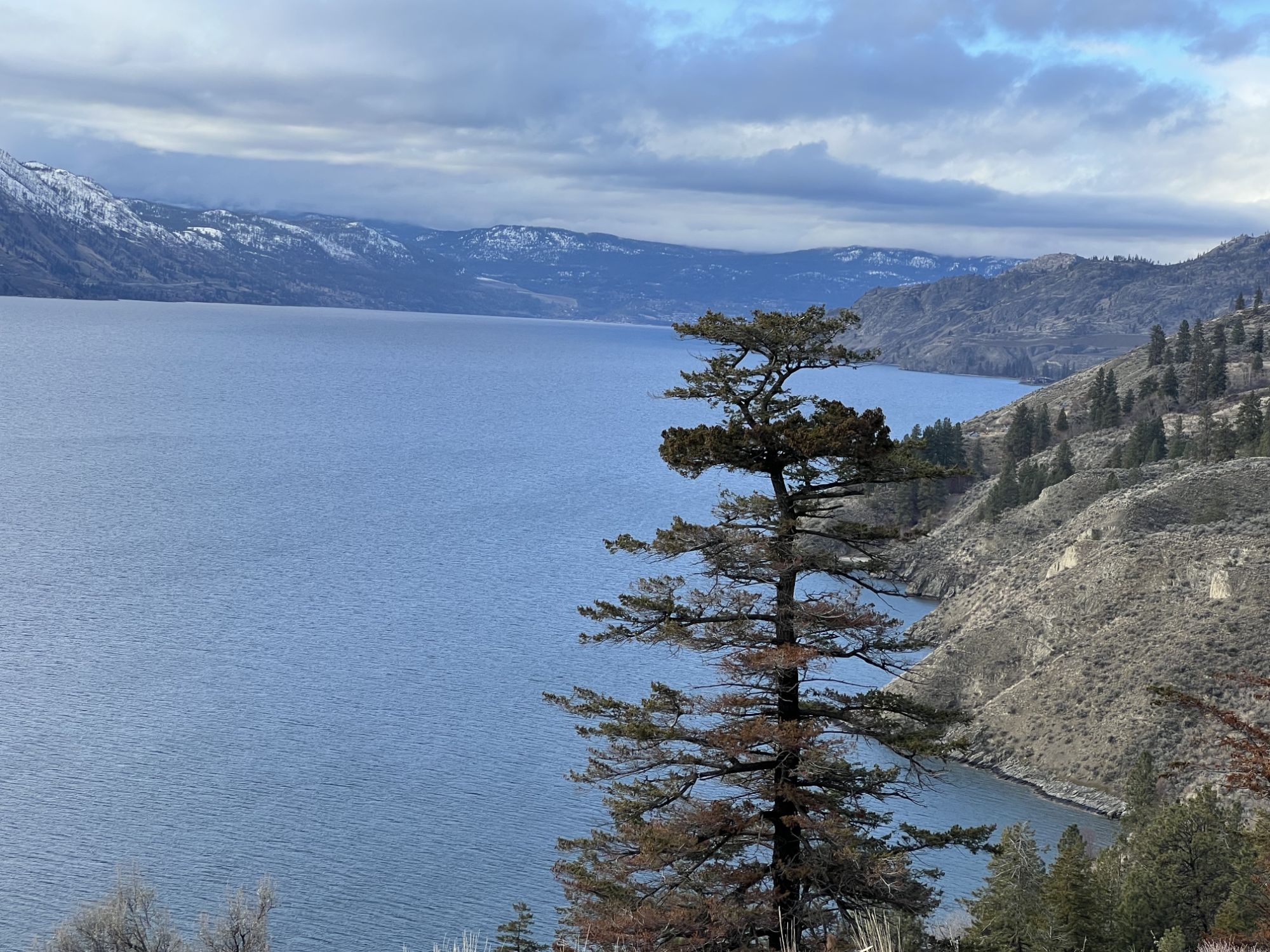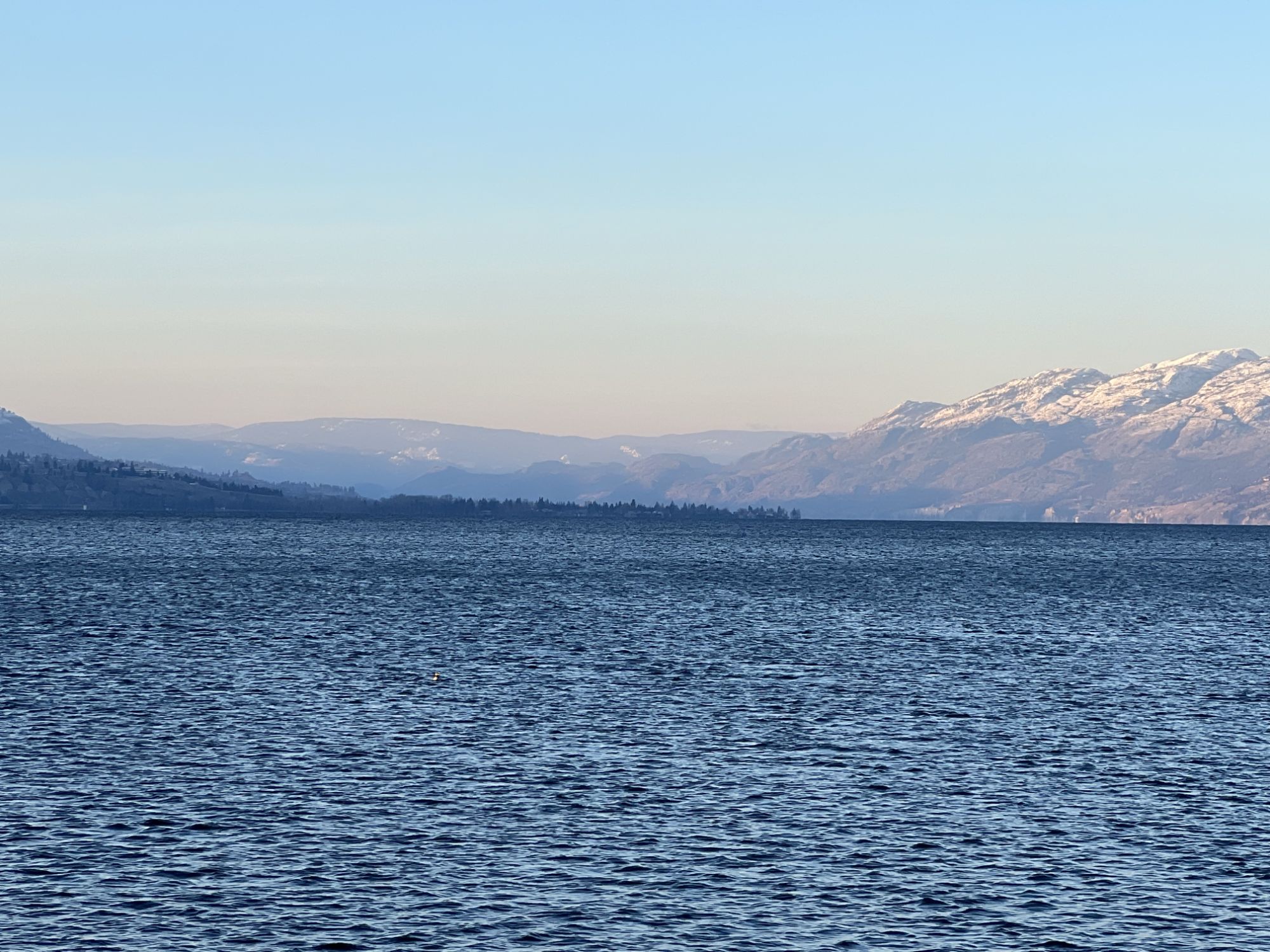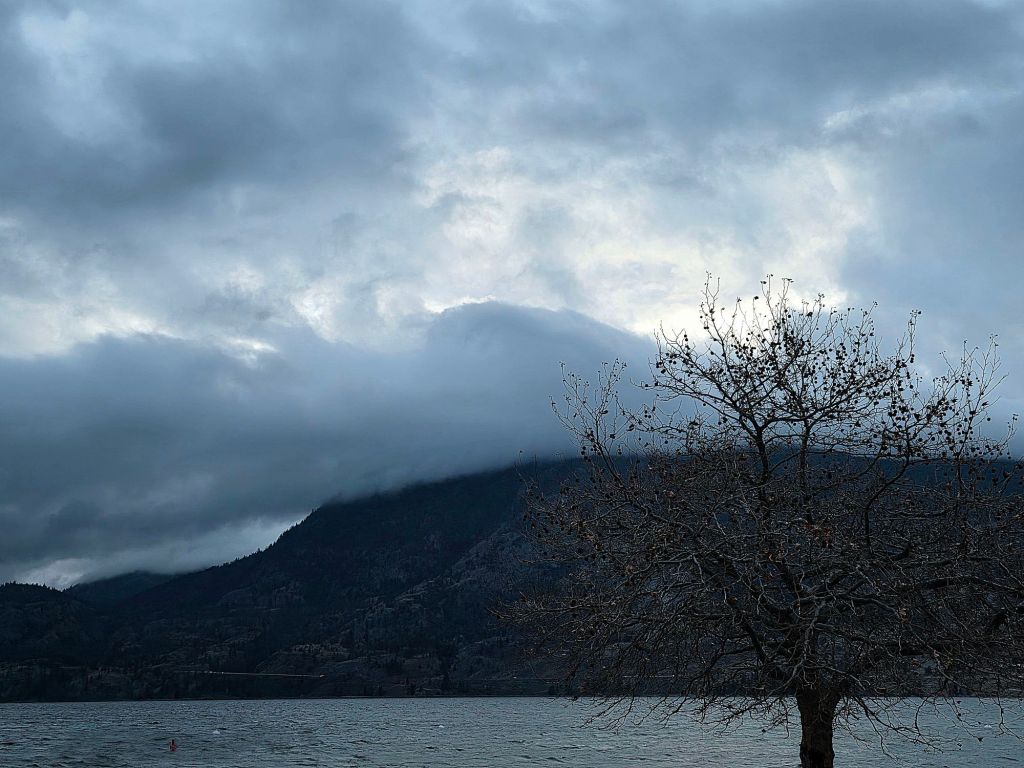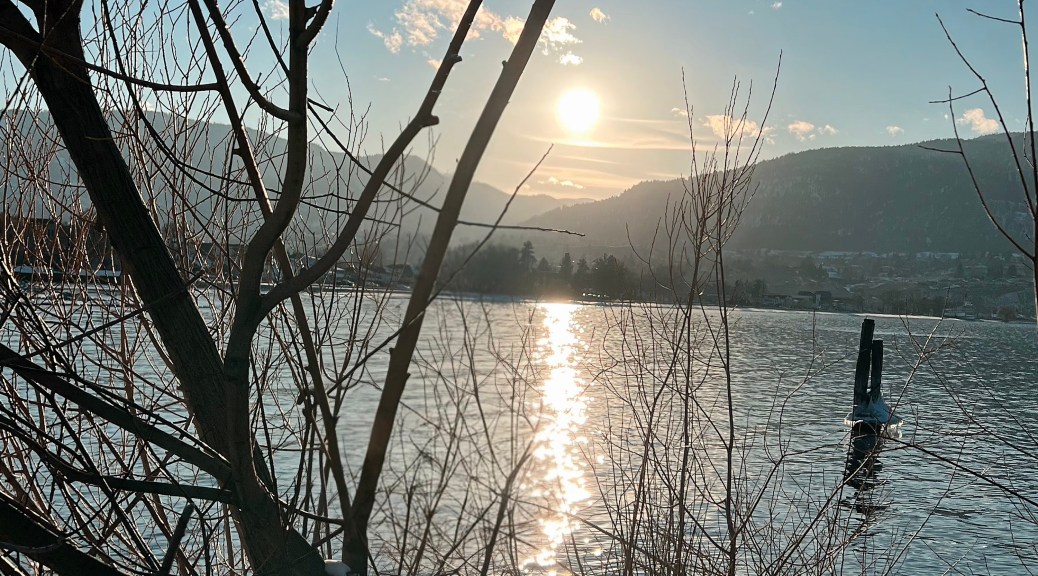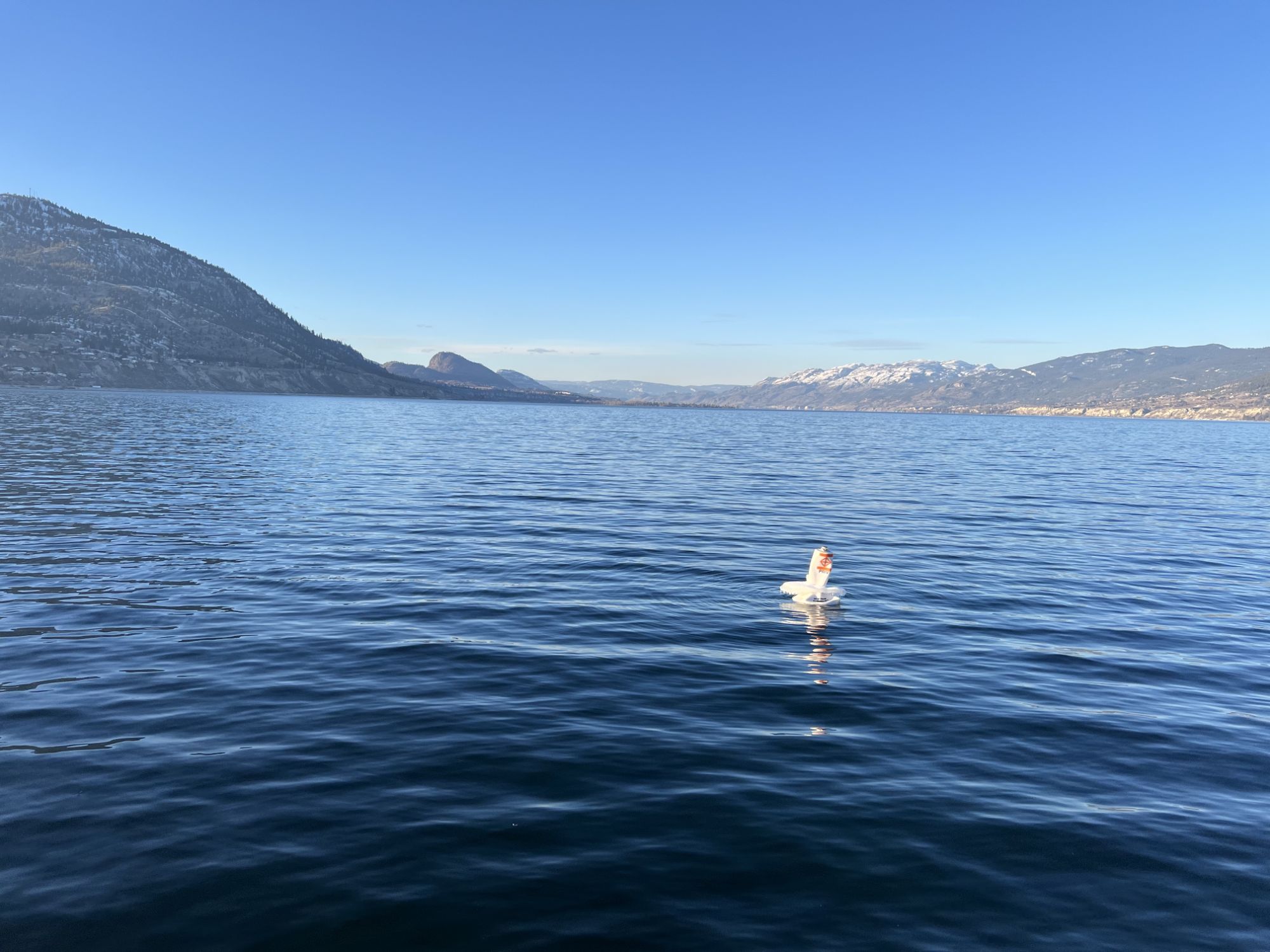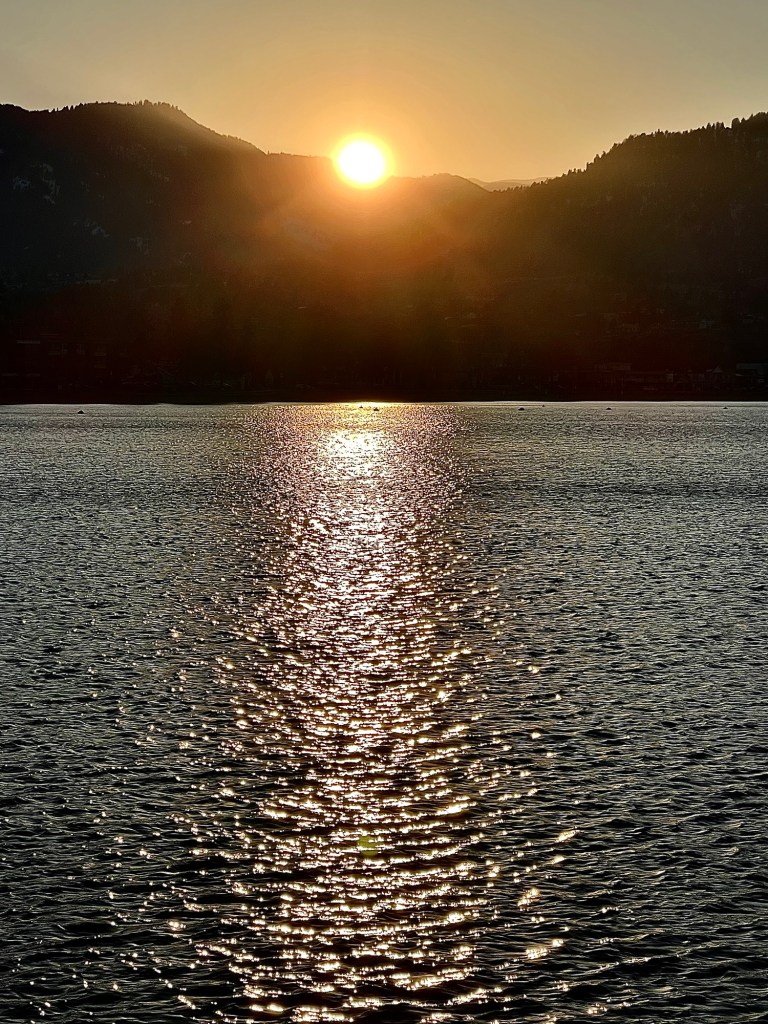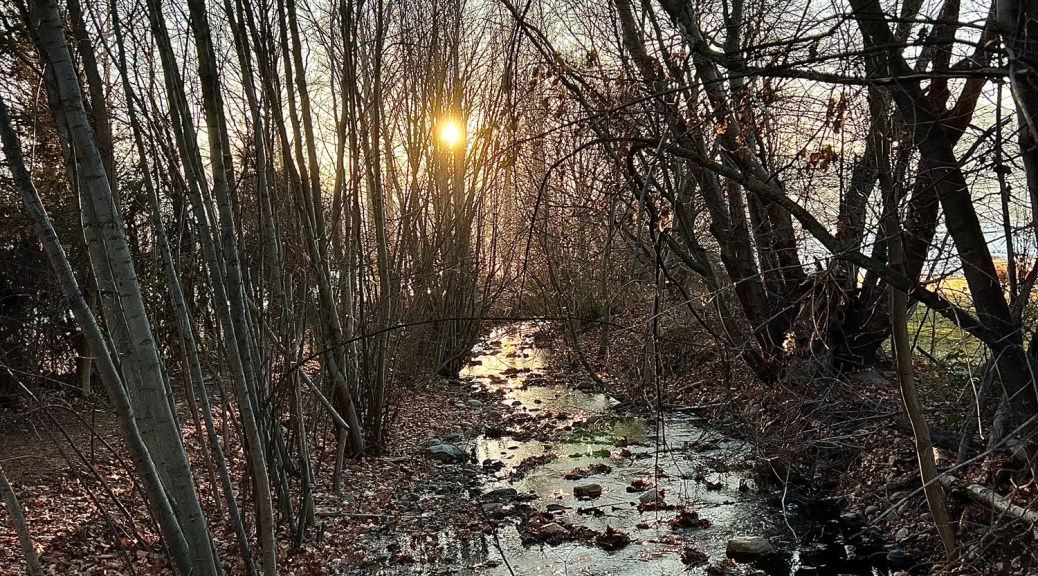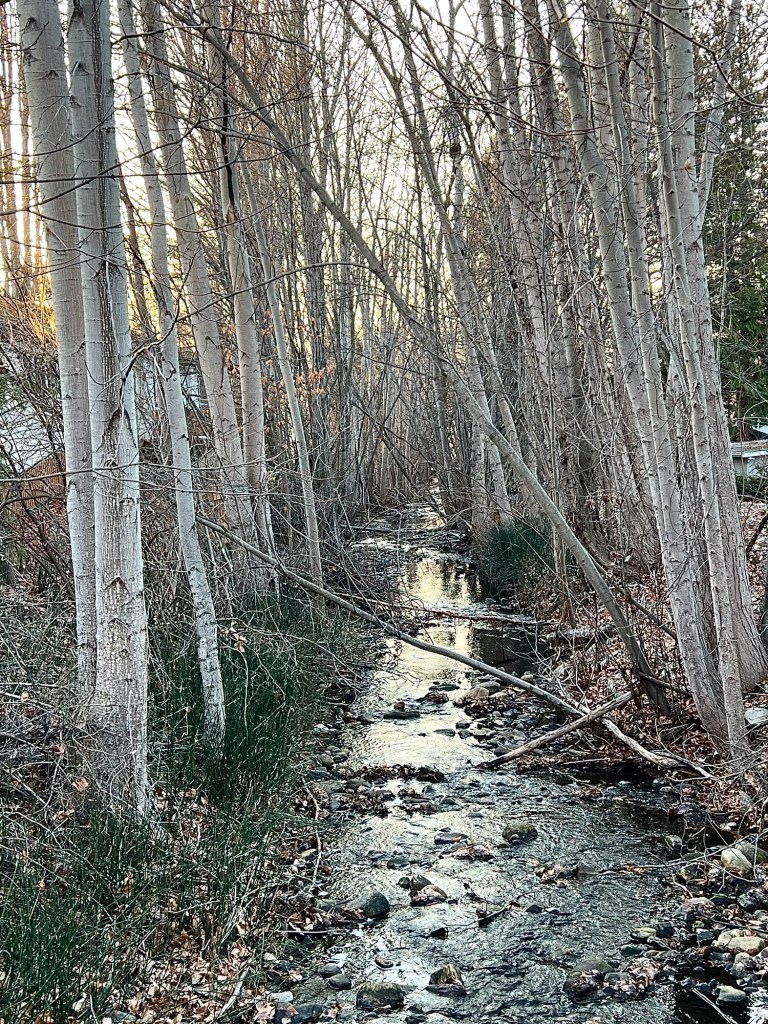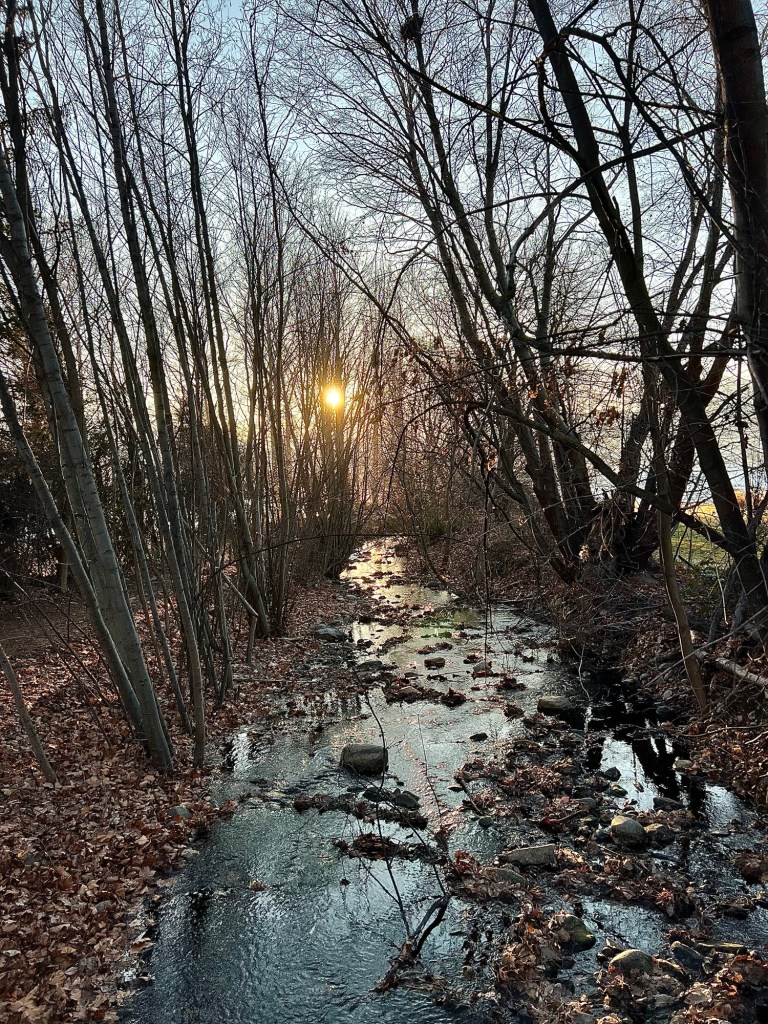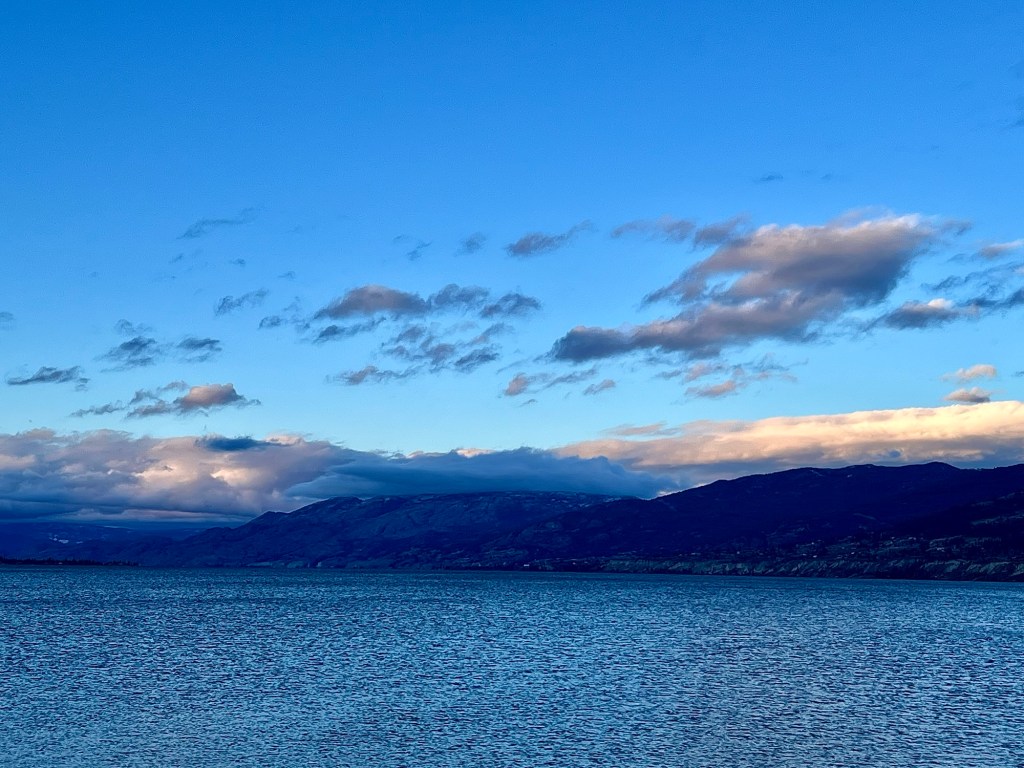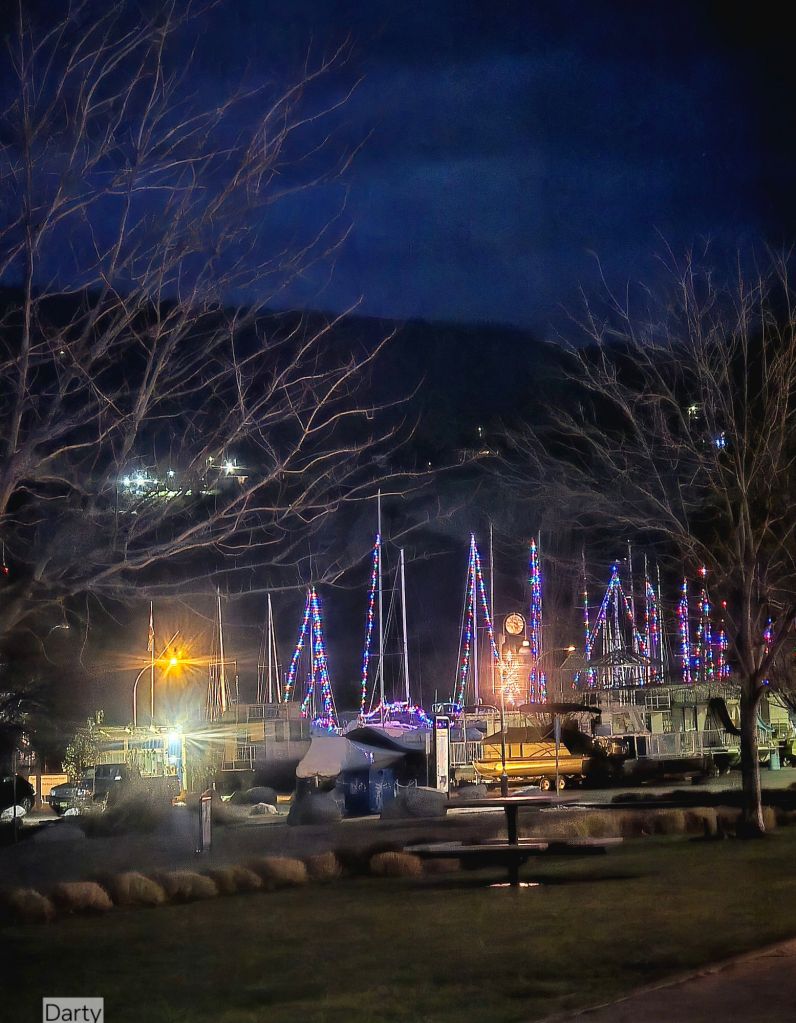
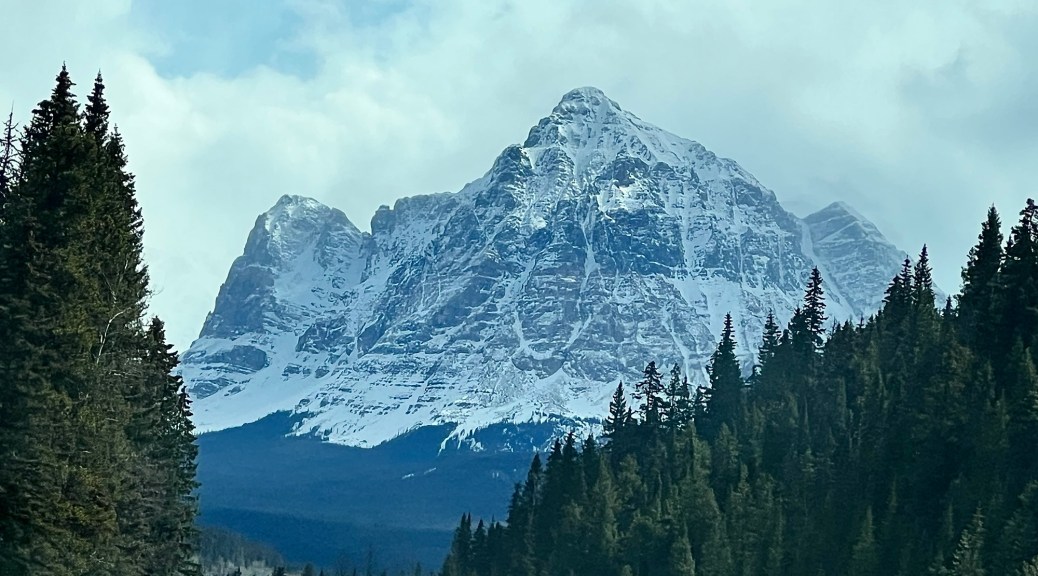
Soft winter light illuminates this forested creek …

… as it heads slowly toward Okanagan Lake …

… and spring.
Happy Saturday.
Soft winter light illuminates this forested creek …

… as it heads slowly toward Okanagan Lake …

… and spring.
Happy Saturday.
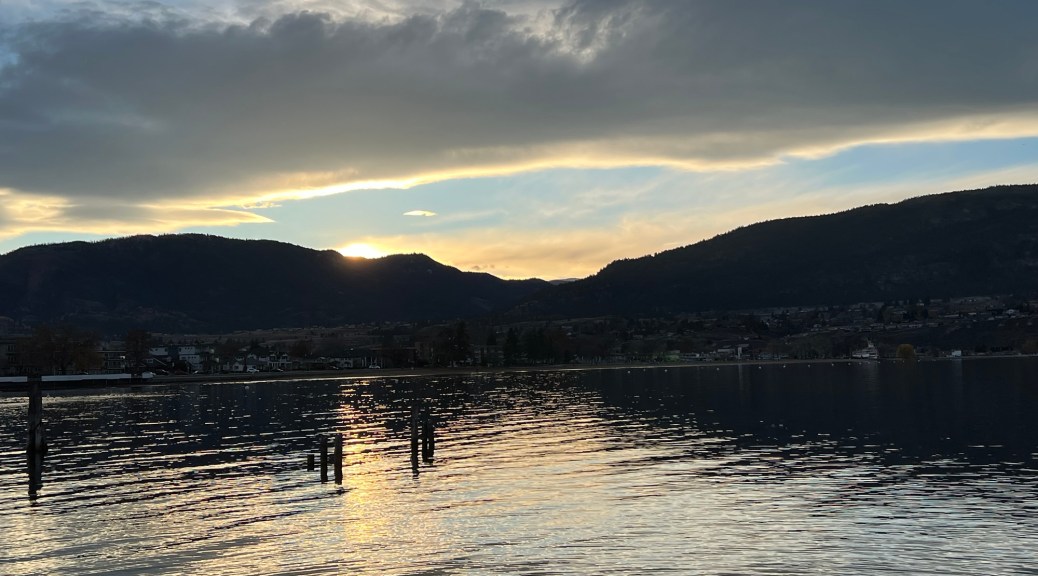
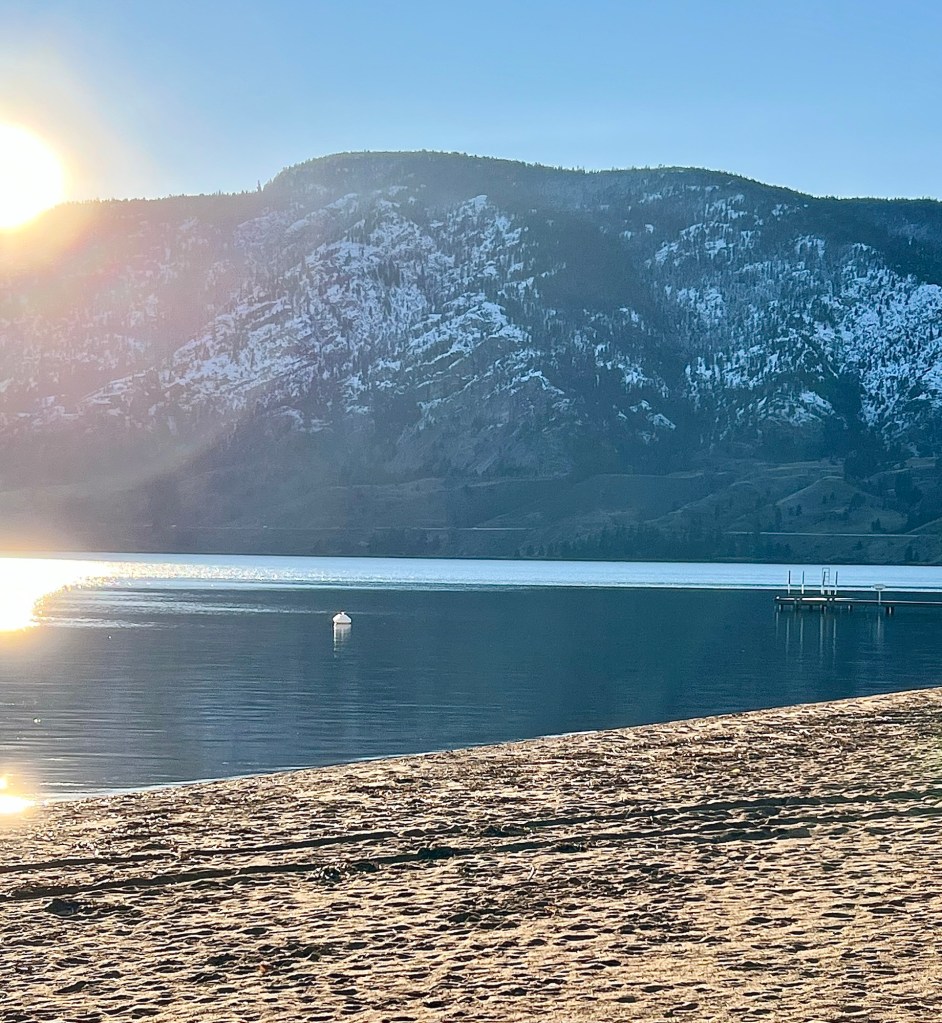
Many of us have been enjoying the seasonal lighting that’s prevalent at this time of year, but nature has been providing some too if very much limited right now.

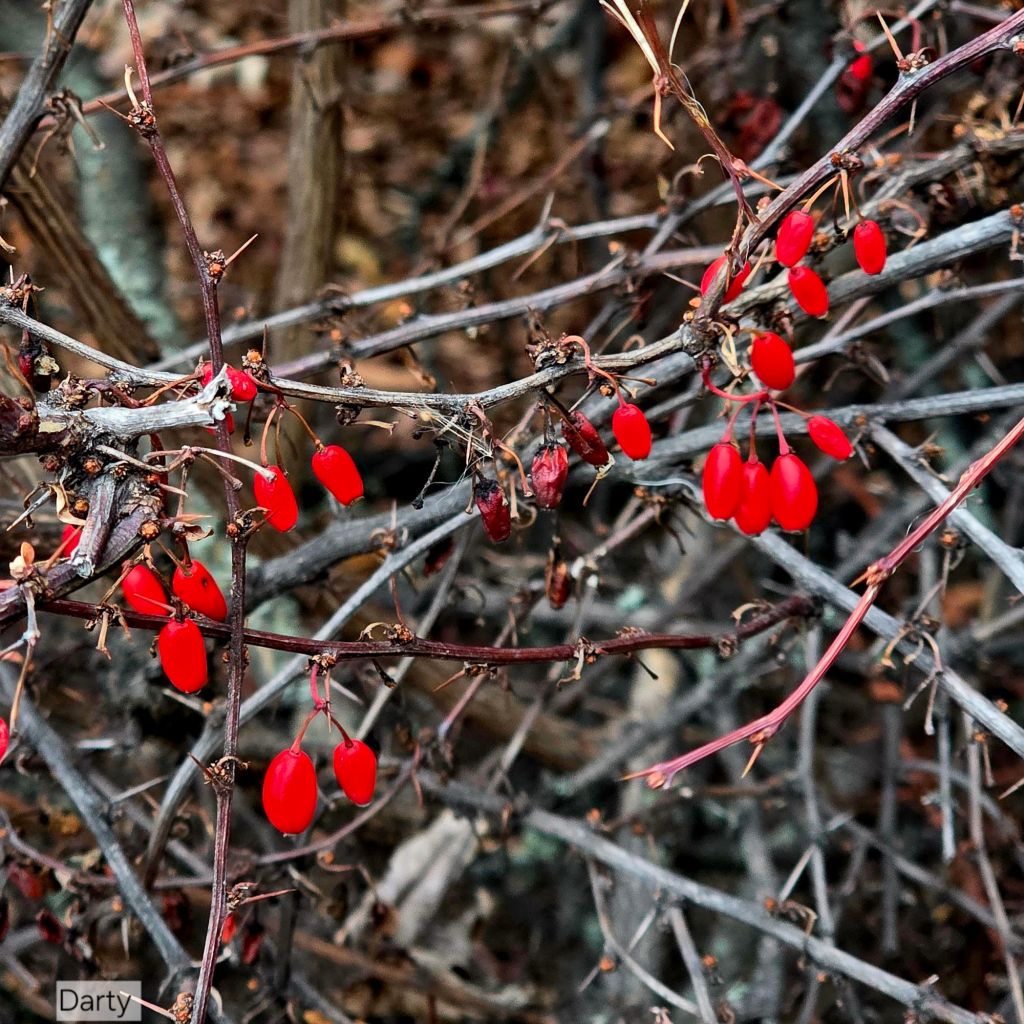
These bright red barberries are lovely to see but will be all gone by the time March rolls around. Birds will eat them but only as a last resort when all other choices have been consumed. Apparently they don’t taste too great but they do resemble fairy lights, don’t they?

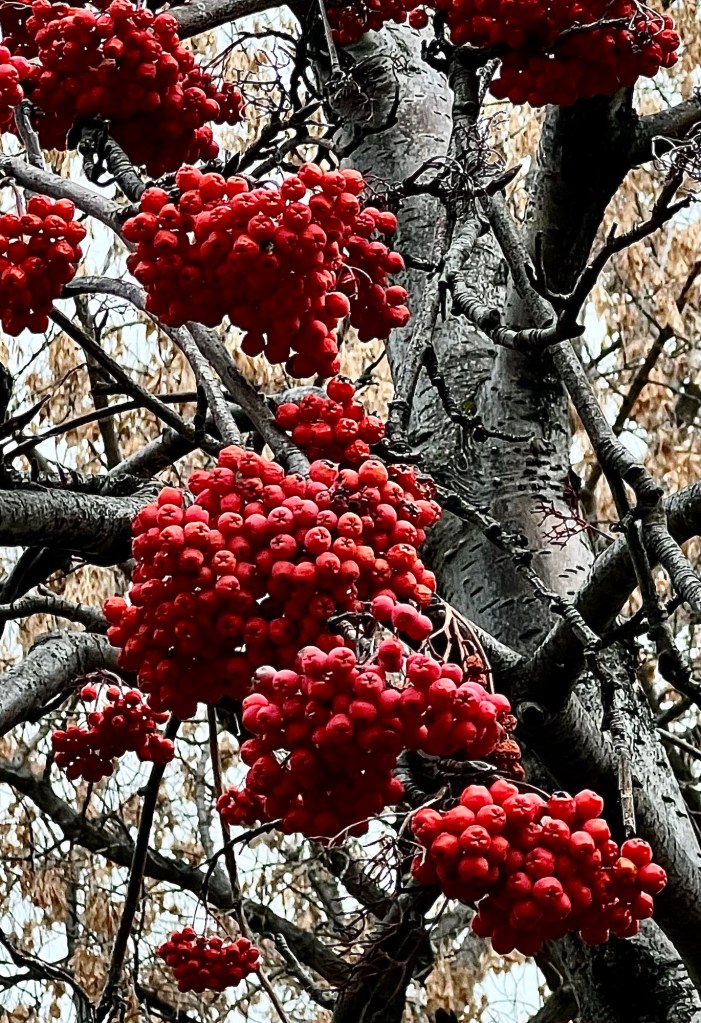
Now that January has arrived, I don’t expect these mountain ash berries to last long as they’re favoured by both birds and squirrels. In the meantime though, they are a lovely source of January colour, especially as the seasonal lights will soon be packed away again.

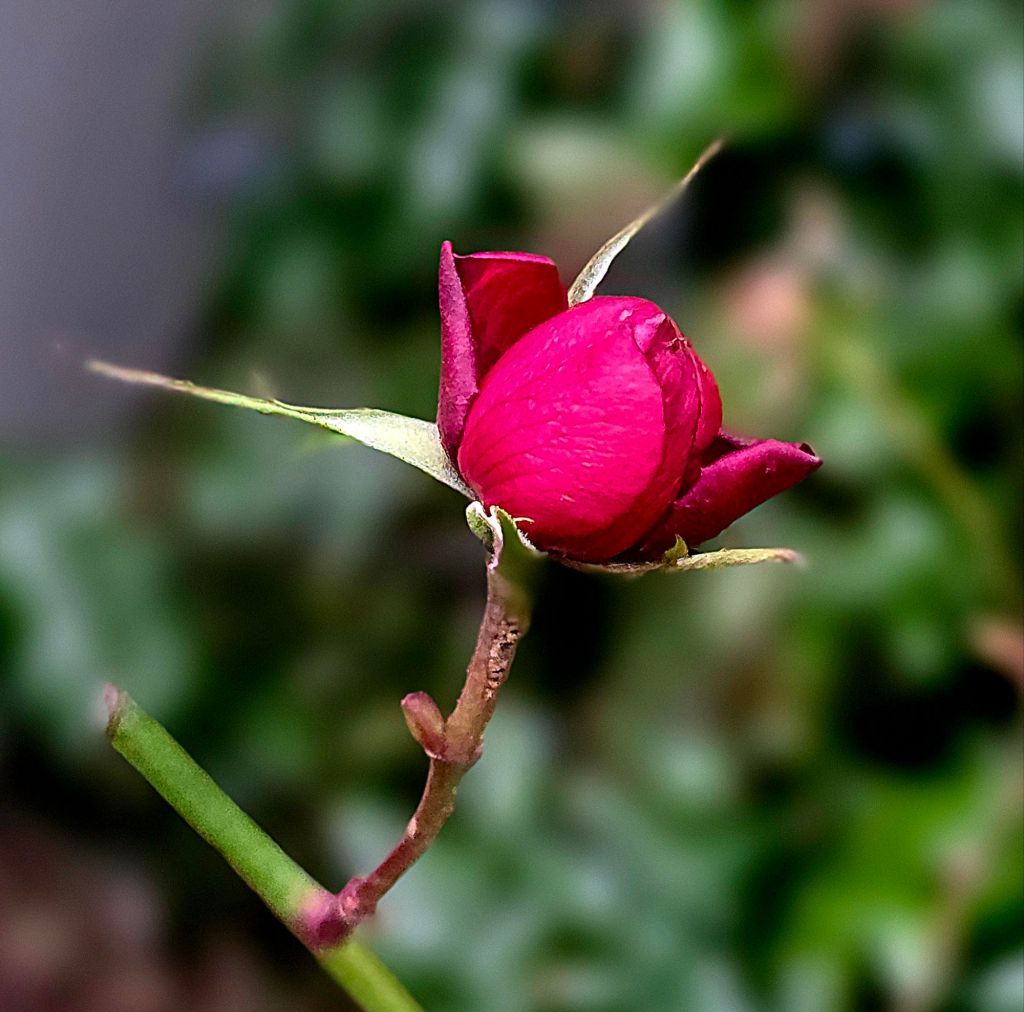
I spotted this pretty little rose growing in a beautifully protected spot; several others were also growing nearby. Winter roses – what a treat!
Happy Saturday.
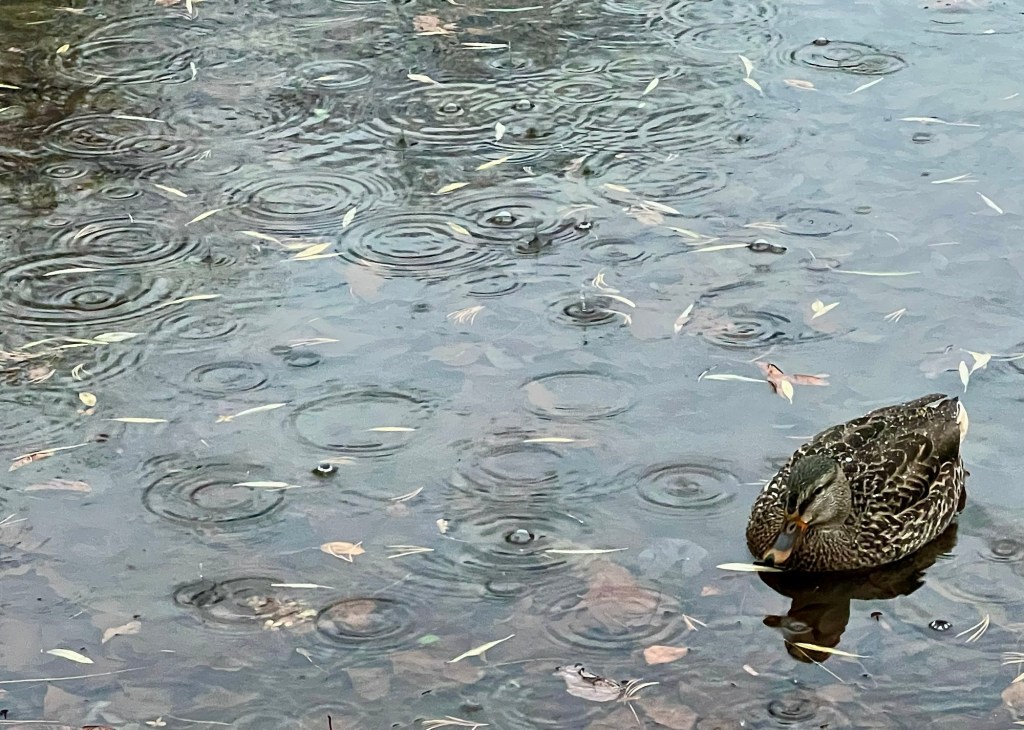
To say that we have had a lot of rain this month would be something of an understatement, but at least we didn’t get the flooding that much of the coast unfortunately experienced. And aside from that, it also had its moments.


Happy Wednesday.
We’ve had a lot of rain – and wind, especially – lately, so it was fantastic when the wind started to die off and the skies began to clear.

Our autumn weather has been definitely interesting; most of September was hot and windy with daily temperatures around 35 or so (95F) but then it suddenly turned and became rainy and windy!

Although we’ve had the odd day or two of good weather, the wind and rain have really dominated … did I mention the wind? 😉

However, we are supposed to be entering a stretch of sunny, windless days with temperatures around 13 or 14 (55-57F); very comfortable for November!

I was very happy to go out for my ramble to see the sky clearing … and joy of joys! No wind!

Happy weekend.
September can be such a beautiful month and while we still haven’t cooled off very much, that autumnal atmosphere is somehow here and breathing gently into our days.


It’s a fantastic time to simply admire what nature has wrought.
Happy Thursday.
We visited a favourite winery for lunch.

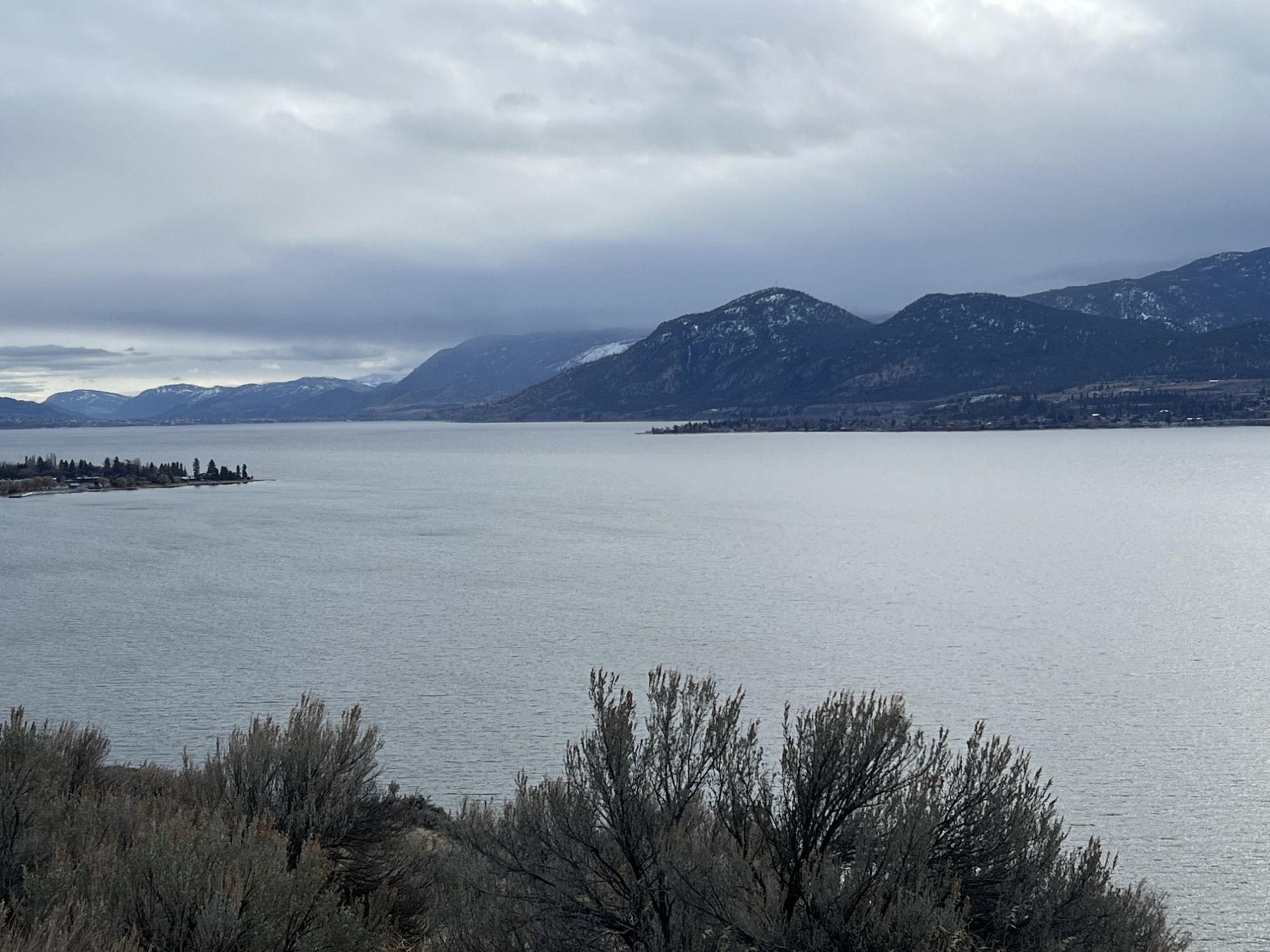
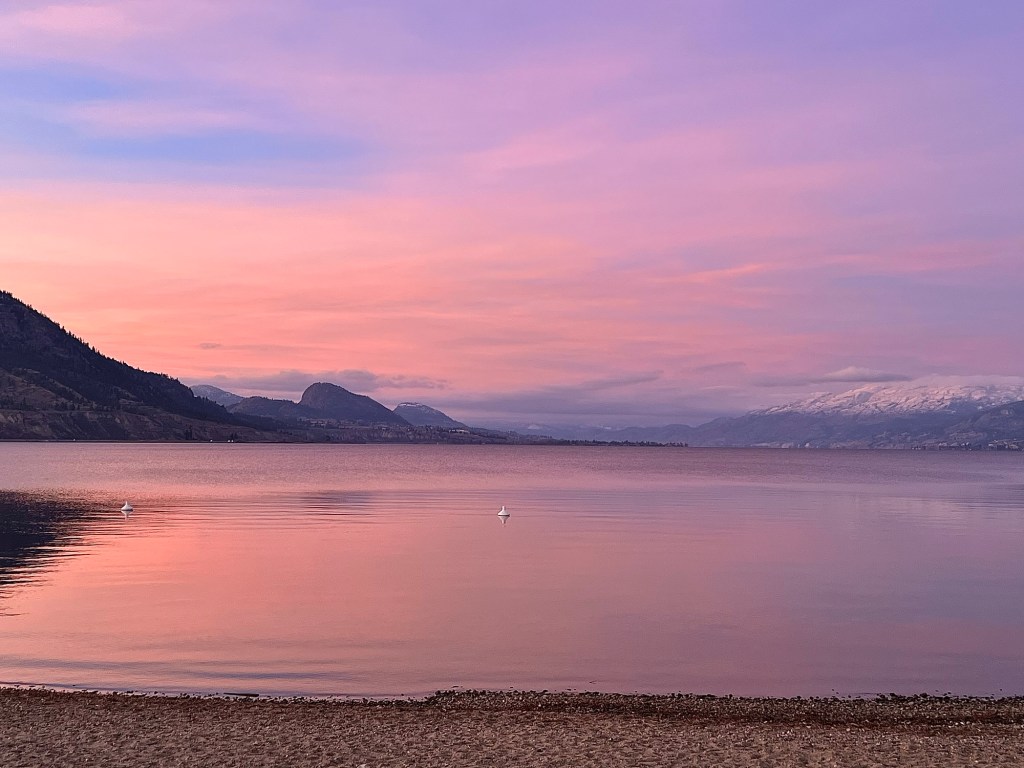
It has fantastic views of Okanagan Lake from its perch high above on the western side …

… and an excellent restaurant with, of course, excellent wine.

It was so good in fact that we had to do some walking afterwards – with lots of extra water – to make sure we were safe to drive home!
Happy Thursday.

All photos taken on April 11, 2025. We opted for a bit of a changeup today. Obligations kept us close to home until 10 AM, but once we were done our …
Peaceful Gardens
A beautiful visit to the University of Victoria’s Finnerty Gardens from Allan at 10PLUSYEARSIN. Please click the link above to see the rest of his gorgeous pictures.
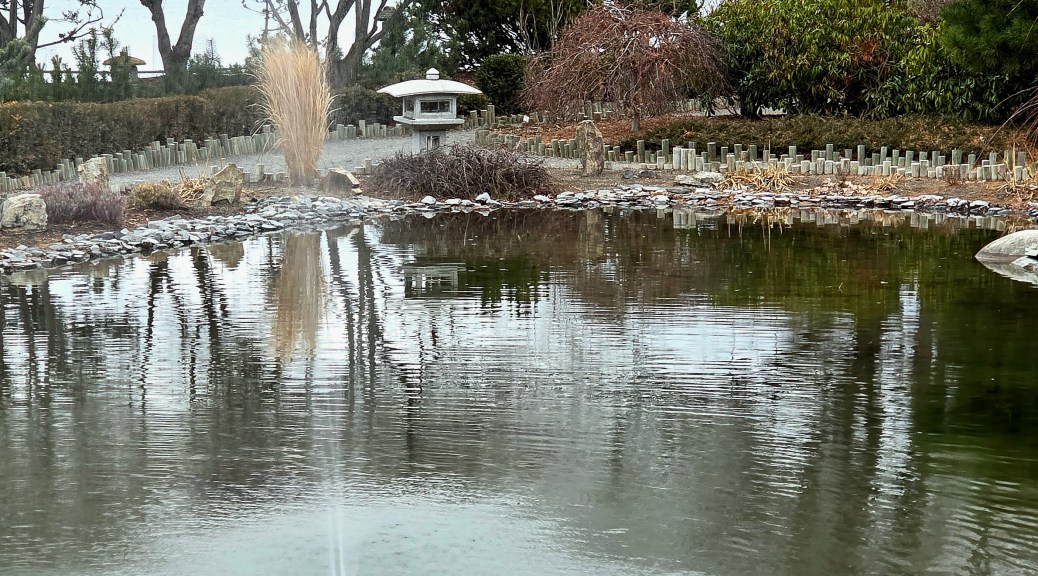
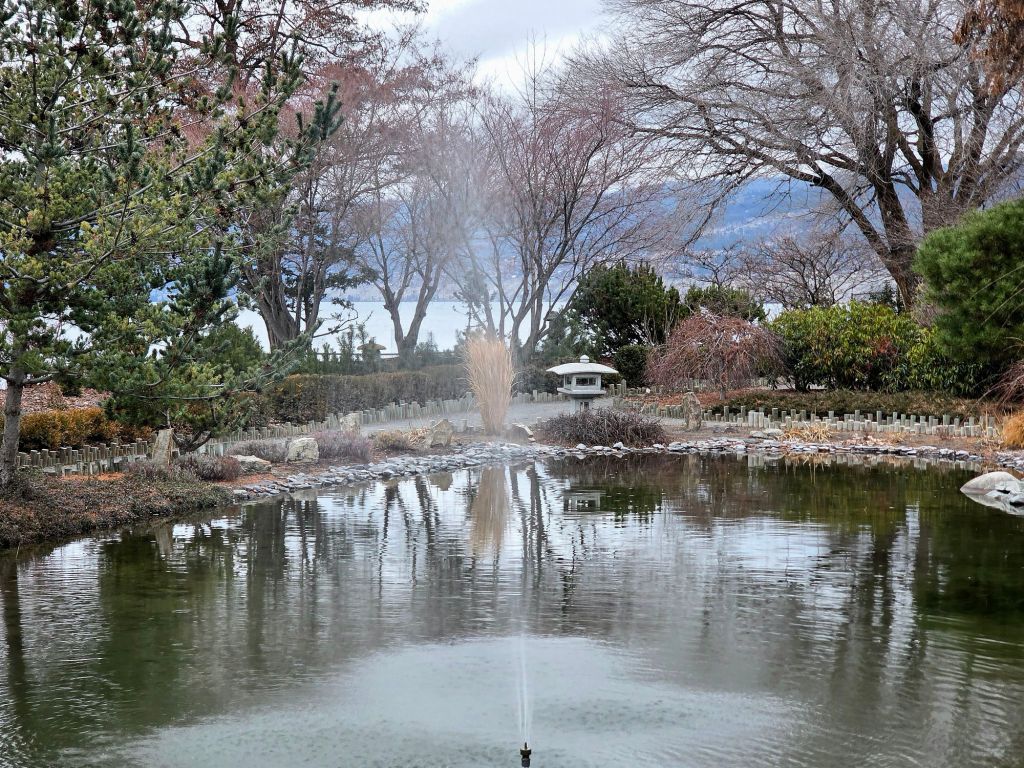
I recently had an interesting conversation with one of the groundskeepers at the nearby Japanese garden about the fish in the pond there and learned a lot about the differences between koi and carp.

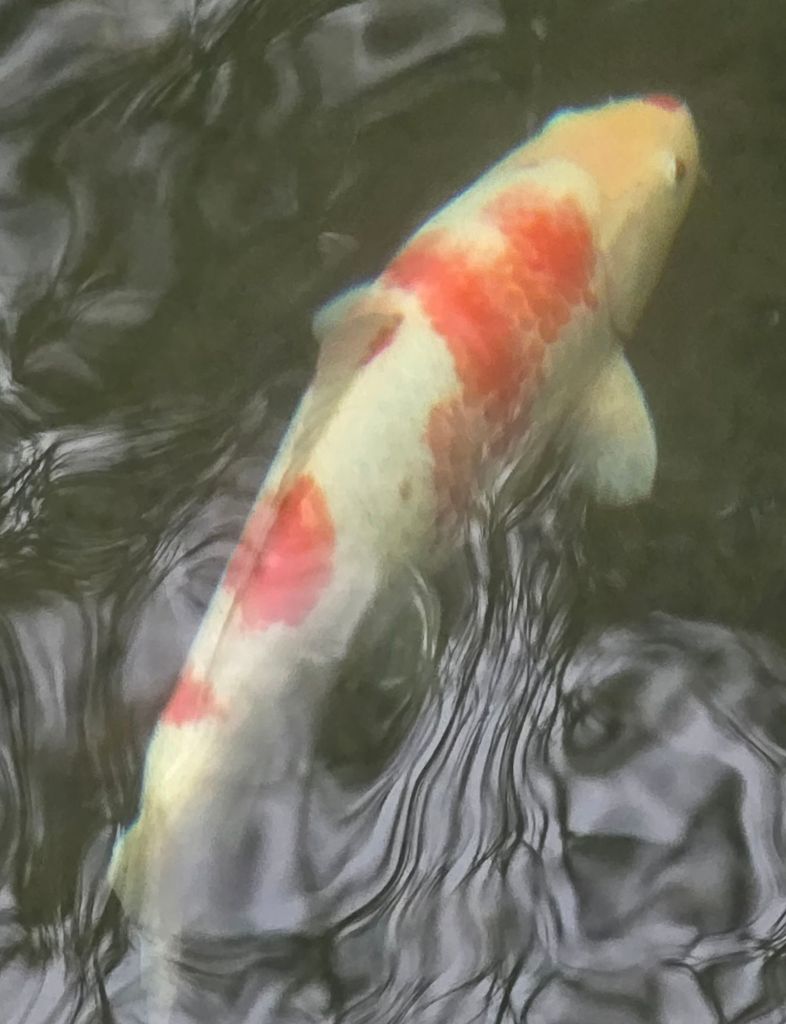
Koi are a domesticated, ornamental variety of carp that are the result of centuries of selective breeding for lighter colours such as orange, white, yellow and the mottled types as well. The behaviour of koi is also different; they are much less aggressive than carp.
Carp are a dull greyish brown and sometimes difficult to spot in the water; of course that is one of their natural defences, something that koi no longer have.

The fish in the Japanese garden pond are a mix of koi and carp; people have apparently been randomly dropping carp there after they become too big for their home fish tanks. In the pond they have been growing and multiplying rapidly because they’re eating everything in sight.

In the photo above, you can see quite a number of dark coloured carp; the groundskeeper says there are about 30 of them.

At the moment plans are in place to remove the carp from the pond in the autumn when their activity slows down; the koi will once again have their pond to themselves.

During the next winter the groundskeepers will also be on the lookout for otters. Last winter one started living in the garden and helping himself to the koi; apparently about half of them were consumed before the otter was trapped and moved to another location. That otter must have thought he was in paradise!

Happy Thursday.
(The answer will be at the end of the post.) I saw this cute little robin-like bird while out walking.

Very unafraid, he or she let me get within about a metre (3 ft) which I needed to do since I only had my cell for photos.

The size, wing-configuration and body shape all shouted that this bird is a type of thrush – so are North American robins – but when I saw it walking, the gait was definitely different. Robins will do a combination of hopping and walking, while this bird was a very confident walker with rather largish feet for its size, I thought.

I also had the sense that given the colouration, this little one might be a female or a juvenile from this summer.

Once I got back home and was able to do an online search, I learned that this is either a female or juvenile yellow-headed blackbird which means that it’s a passerine, not a thrush. They live among the bulrushes – which explains the feet as they need strong ones to grab those grasses as they perch, especially if it’s windy – near water and I discovered this little one on a railing above Okanagan Lake.

As you can see, in addition to the yellow heads, the males also have white wing flashes. These birds like to migrate to Mexico for the winter, but in some places they remain all year. The Okanagan Valley is apparently one of those places.
Happy Wednesday.
Revelstoke is a small city in the valley between British Columbia’s Selkirk and Monashee Mountain ranges.

It’s known for its challenging, vertical drop black diamond skiing in winter, but we were enjoying its summer hiking trails instead.

Happy Tuesday.