Tag Archives: birds

Whooping Cranes

Whooping cranes migrate between the southern edge of the Northwest Territories and Texas. They travel a very long way!
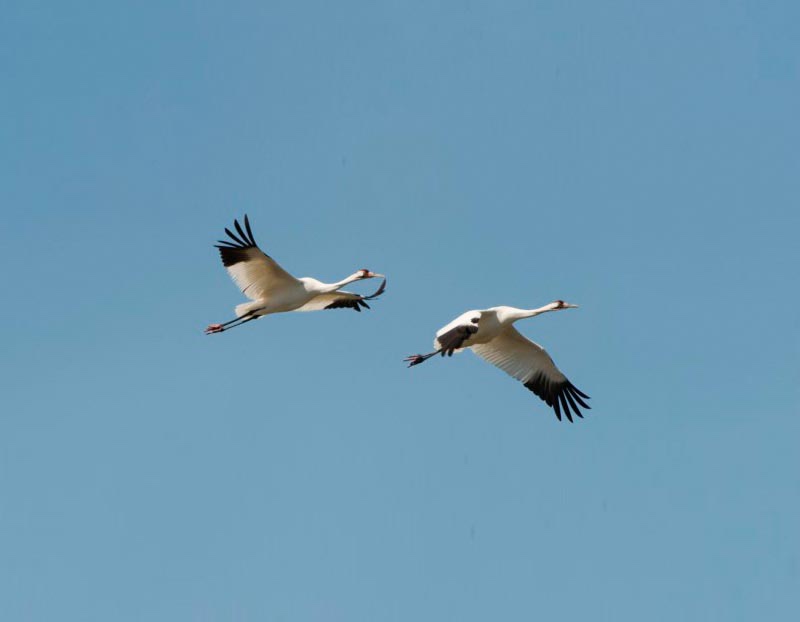
These birds are often difficult to photograph as they are very shy and possessed of excellent hearing, so they are usually gone before you know they have been nearby. Generally, they just are not very gregarious; they like to keep to themselves in their pair bonds. Their nests are about five kilometres (three miles) apart from those of other cranes.

There are only about 500 whooping cranes in the wild, they migrate each year between wintering grounds at the Aransas National Wildlife Refuge in Texas and their breeding grounds in Wood Buffalo National Park near Fort Smith, NWT.

Their numbers are very slowly improving after dropping to about 25 birds in the 1940s; their survival and growth has been helped along by protections that exist in both Northwest Territories and Texas.

Happy mid-week.
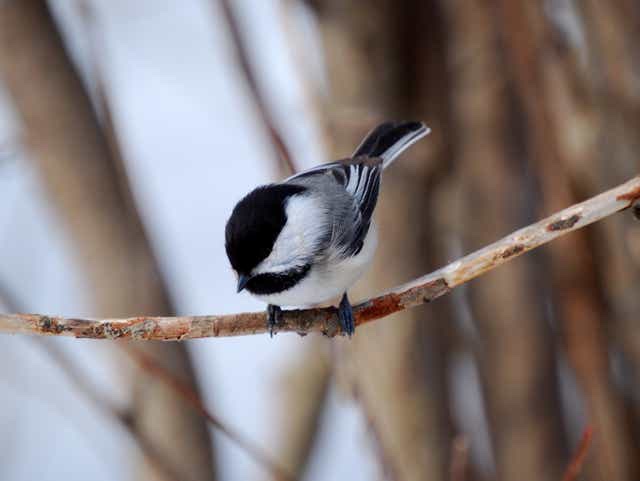
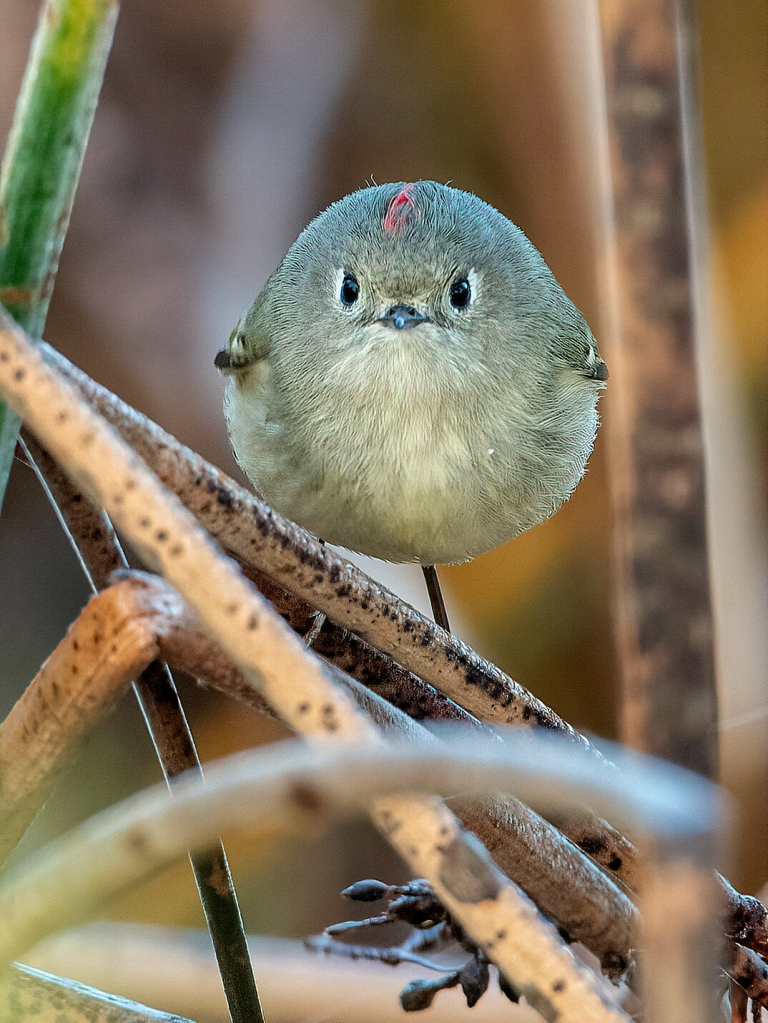
April Chickadee

I saw my first black capped chickadee of the year. That’s a very good sign of warming temperatures!

They are so pretty and delicate looking, but are actually very hardy. They live through the cold subarctic temperatures of the Northwest Territories very successfully; they store incredible amounts of food and spend their winters sheltering in knotholes.

Their memories for recalling where they have food stores is prodigious, which is a main reason why they can survive so well up here.

I love hearing their distinctive “chick-a-dee-dee-dee-dee-dee” song and seeing them on their undulating flight paths from tree to tree.

Happy Saturday.

STRAWBERRY SEQUENCE

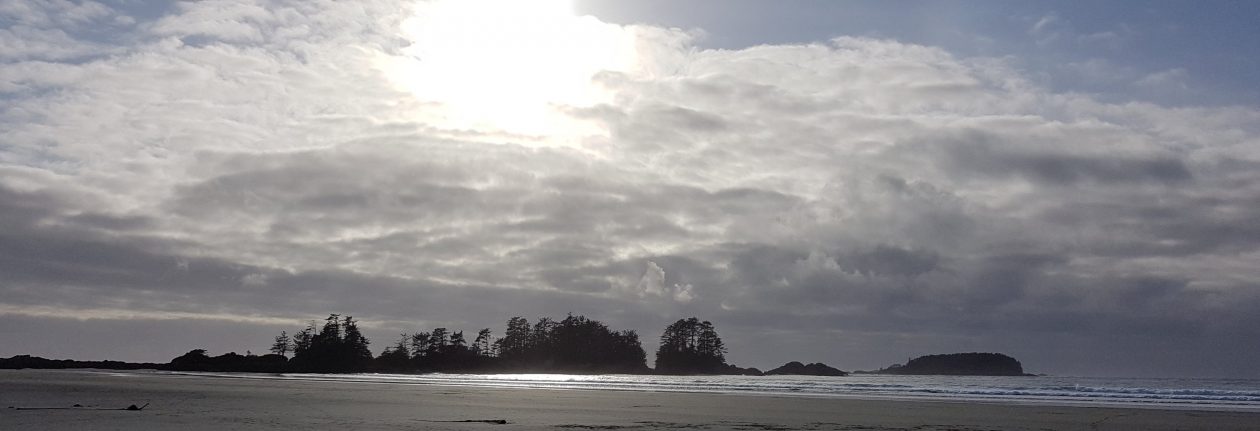
Strawberry island is a small island in Tofino’s harbour. You could swim to it. It’s owned by Rod Palm. A very interesting man in his own right. Rod …

STRAWBERRY SEQUENCE

Wayne lives among his four-legged and winged friends in the town of Tofino on the west coast of Vancouver Island. Having been there myself, I can attest to the fact that Tofino is one of the most beautiful places on earth. But if you have any doubts, please stop by Wayne’s blog to see his magnificent photography of the area and its beautiful inhabitants.

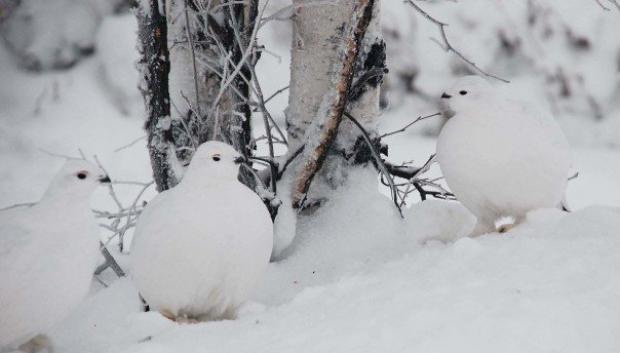
Winter Ptarmigan

The winter ptarmigan (the “p” is silent) can be very difficult to see, especially in low light.

Apart from the small dark beak and eyes, they are incredibly white. I have at times mistaken them for lumps of snow, especially when they are on the roads; groups of them will land there.

Completely adapted to their environment, they are white in the winter and a mottled brown in the summer. How many ptarmigan do you see in the photo?