The lowest we’ve had so far this winter is -39C (-38F), so it has been a bit chilly. 😉

And very Christmas card-looking.
Happy Tuesday. 🙂
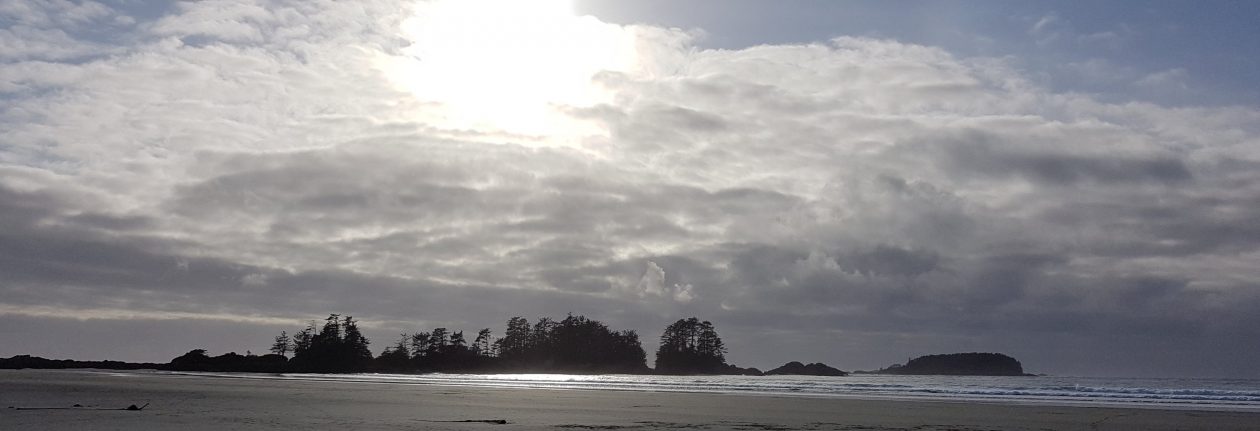
The lowest we’ve had so far this winter is -39C (-38F), so it has been a bit chilly. 😉
And very Christmas card-looking.
Happy Tuesday. 🙂
As we head to the shortest day of the year, I’m looking forward to the solstice and our turn toward spring …
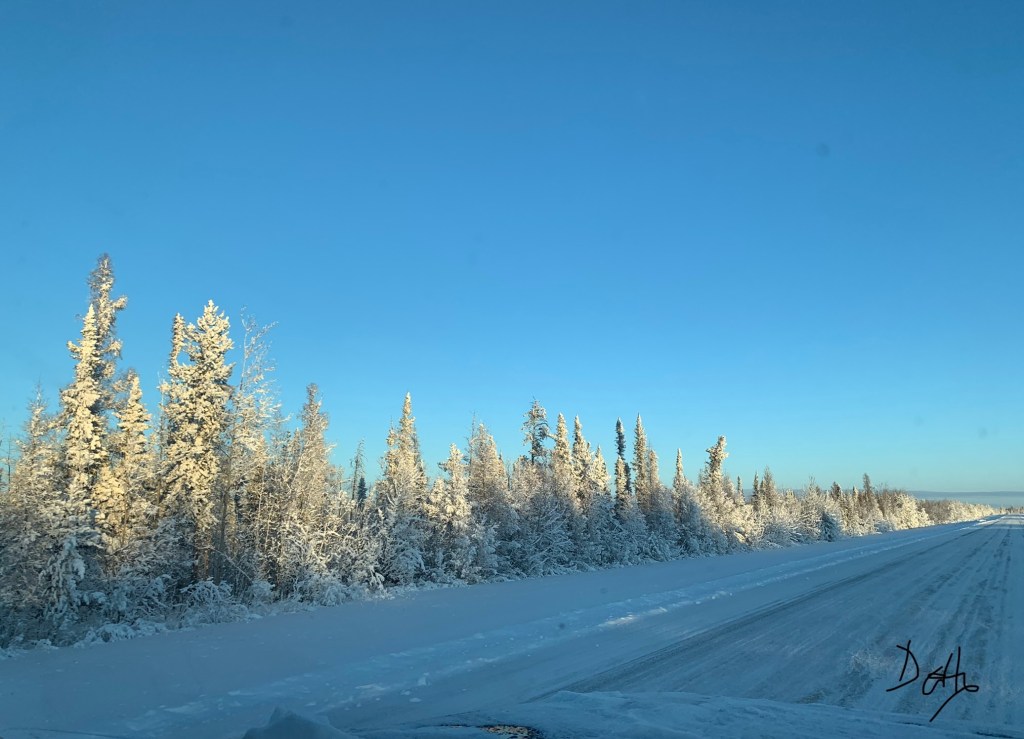
… toward a better year … toward safer times for all of us.
Happy Monday. 🙂
I’ve been invited by my friend KA Gould to participate in the “travel photo challenge.”
The idea is to post a photo of a favourite travel destination and invite readers to guess where the photo was taken.
Here’s mine:
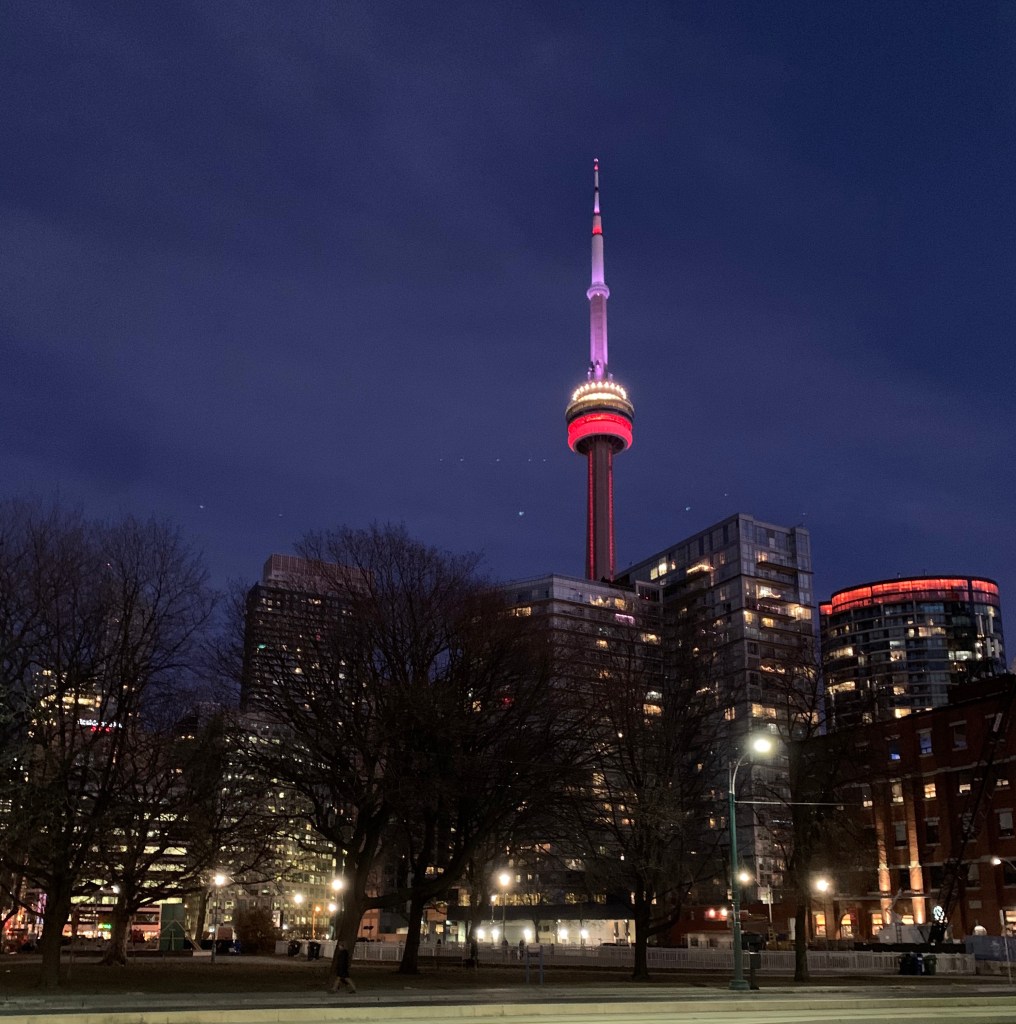
Please stop by Allan’s blog to do a little browsing. He takes really terrific photos, especially of Jasper National Park.
https://photoblography3.wordpress.com/2020/12/17/daily-photo-2/
Happy Friday; stay safe and well. 🙂
Getting out right now …

… isn’t much of an option, so here are some of my favourite views.
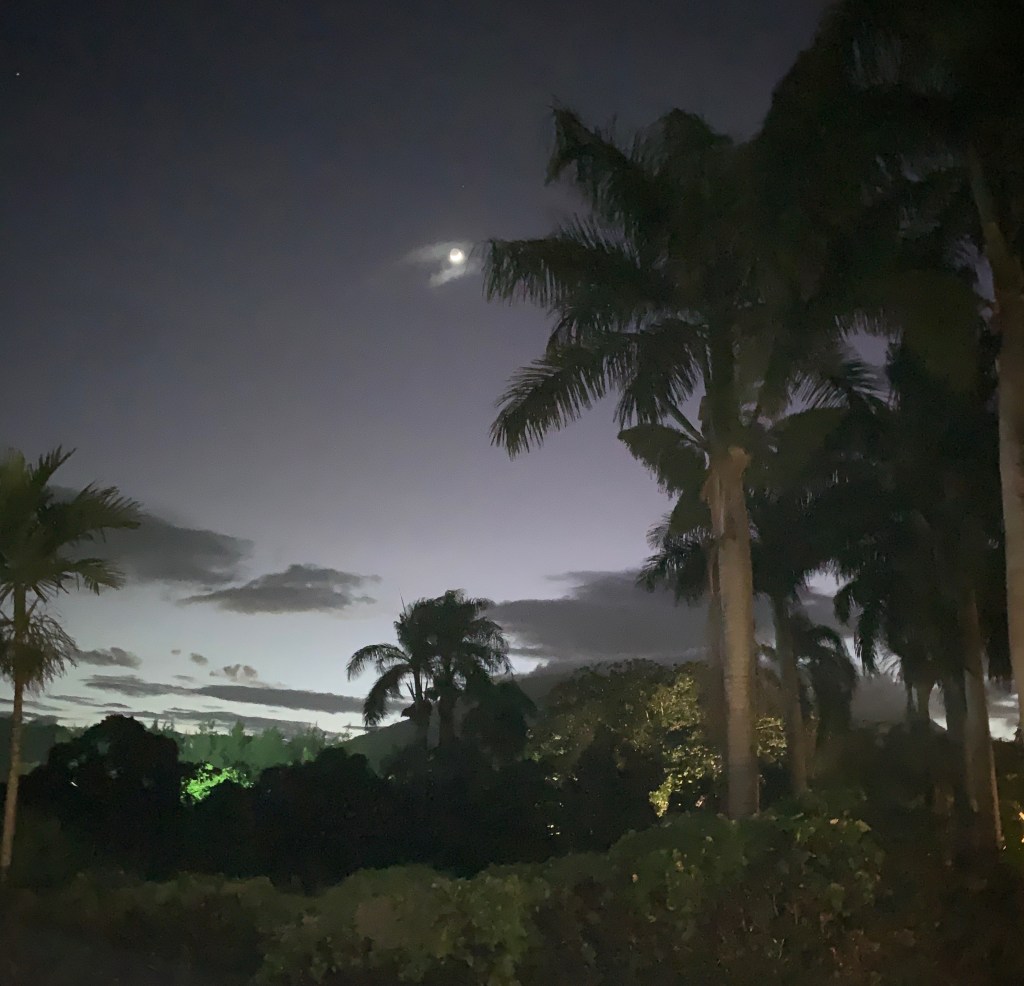
The warmth and soft air of Dominican Republic,

and the tang of Tofino’s salty Pacific song are remembrances of lovely past travels.
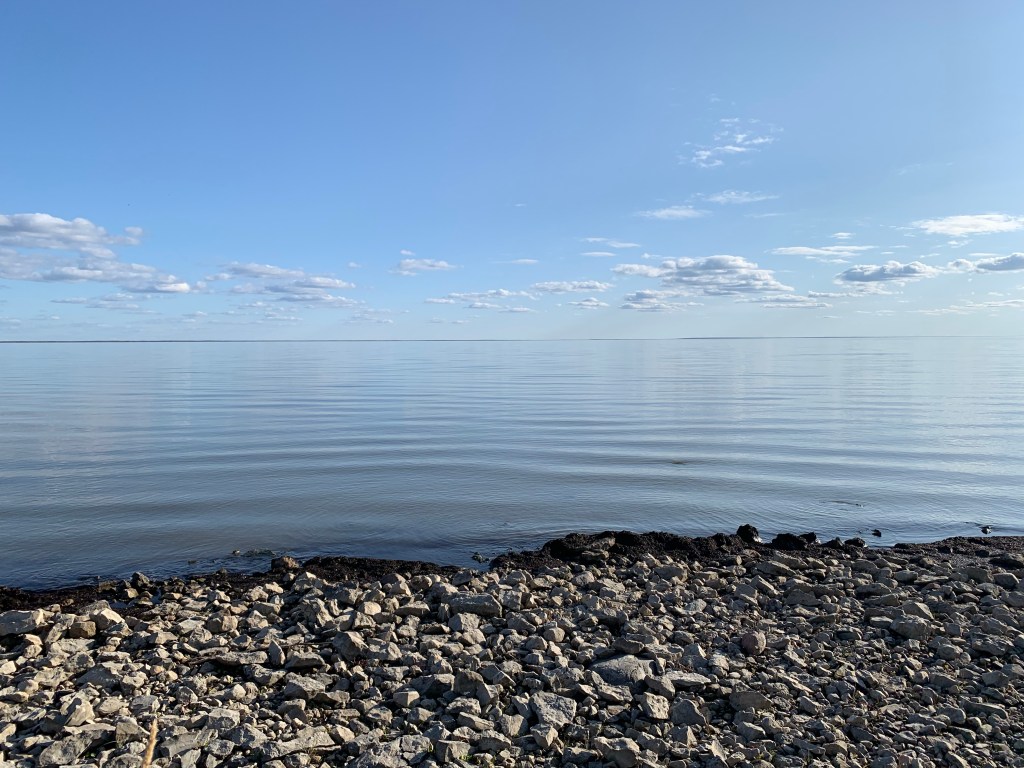
And right next to where I work, a tranquil autumn view of Great Slave Lake.
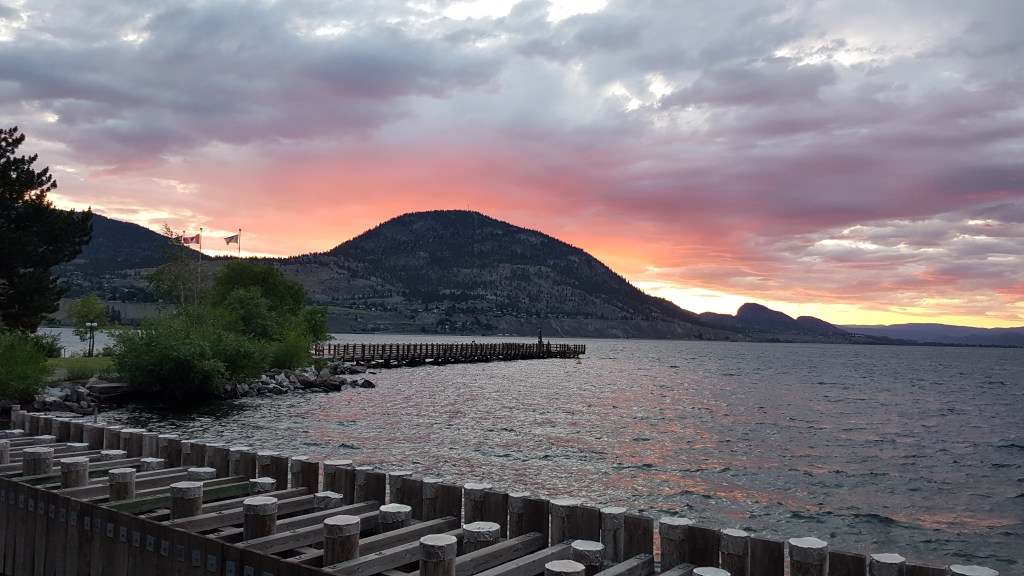
Home. ❤️
Happy week. May good memories sustain you and keep you.

Entitled Watching You Watching Them, this photographer was gifted with an example of the bird he was studying right outside his cabin window.
The Cordilleran flycatcher is declining across western North America as the changing climate causes shrinkage of the riparian habitats (i.e. river and other freshwater corridors) along its migratory routes and on its wintering grounds in Mexico. In Montana’s Rocky Mountain Front, it typically nests in crevices and on canyon shelves. But one pair picked this remote research cabin instead, perhaps to avoid predation. The nest was built on the head of a window frame by the female. Both parents were feeding the nestlings, flying out to snatch insects in mid-air or hovering to pick them off leaves.
So as not to disturb the birds or attract predators to the nest, Alex Badyaev hid his camera behind a large piece of bark on an ancient spruce tree leaning against the cabin. He directed a flash toward the trunk, so the scene would be illuminated by reflection, and operated the setup remotely from the cabin. He captured his shot as the female paused to check on her four nestlings. Behind her—the cabin serving as a conveniently spacious blind—the biologist recorded his observations.
Happy Friday, everyone. 🙂

On my morning walk to work today, I saw this moon slice competing with the streetlights against a misty ice fog.
The moon was prettier. 🙂

The Deh Cho Bridge is a one km-long cable-stayed bridge across a 1.6 km span of the Mackenzie River on the Yellowknife Highway near Fort Providence, Northwest Territories.
I’ve crossed many bridges, both physical and figurative. Some have been “cable-stayed” and others have been ready to fall into an immense crevasse.
The figurative bridges have sometimes been the very worst and I would have given anything to have had decking under my feet.
How about you?
The Northwest Territories’ Mackenzie River is the centre point of the longest river system in Canada, and includes the second largest drainage basin of any North American river after the Mississippi.
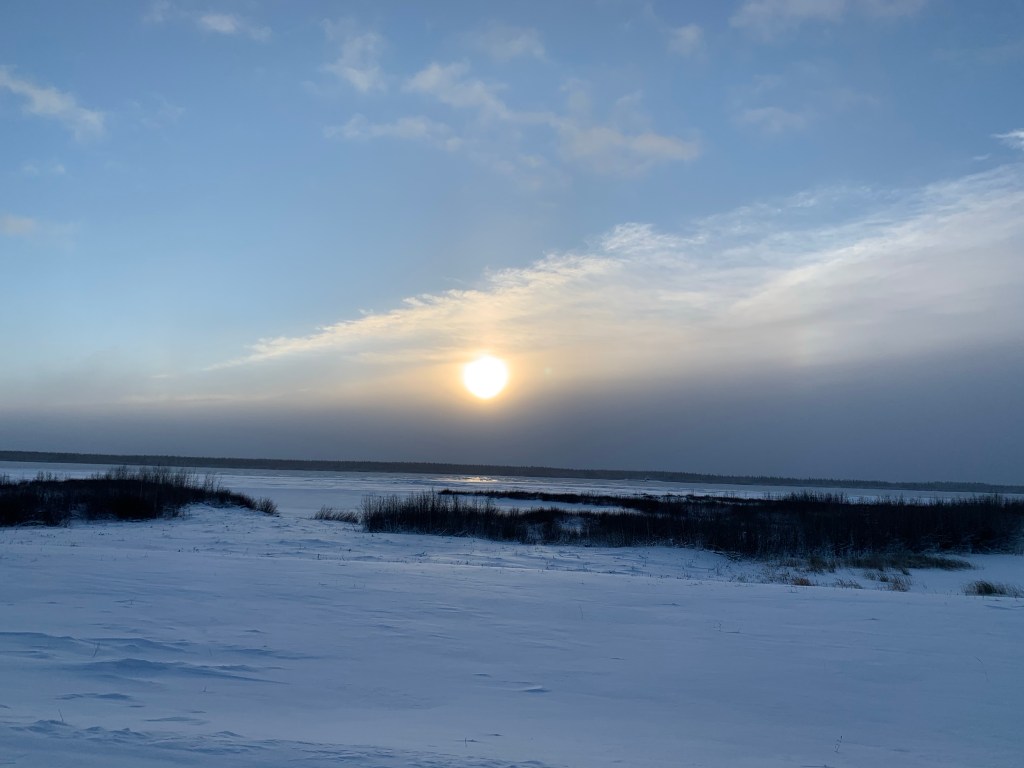

At times, it’s large enough to make you feel as if you’re on an ocean.
Happy Friday. 🙂
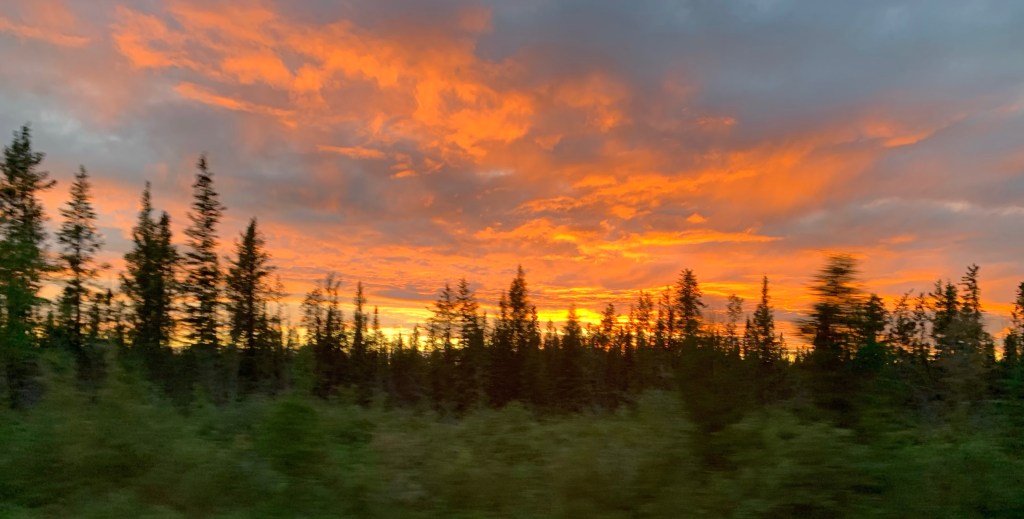
Summer remembrance: an intensely orange sunset from July.
Happy mid-week. 🙂

A pastel blue and bluish-pink characterised this rising north moon as I drove north two nights ago.
Appropriately enough for the north, this moon is known as the “beaver moon” and is the last full moon of 2020.
I am happy to be moving into the last month of 2020, as well. I hope we learn from it, but I also want it to leave.
Happy week, everyone. 🙂
 In the Net! - Pictures and Stories of Life