A northern summer sunset at 0200 underscores the tremendous beauty and diversity of our world.

Happy Wednesday.
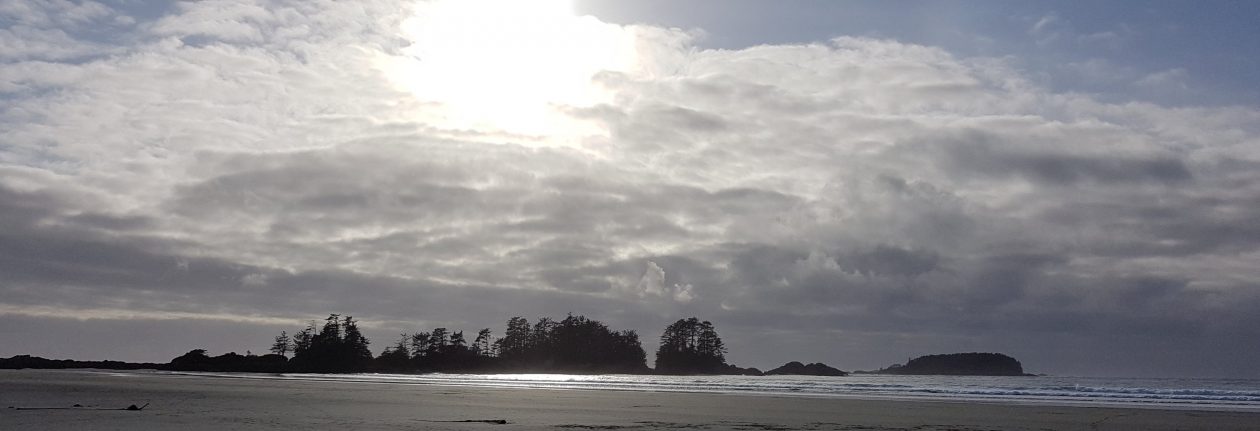
A northern summer sunset at 0200 underscores the tremendous beauty and diversity of our world.
Happy Wednesday.
I love the look of these shiny new leaves!

Our weather has been fantastic (and so far, mostly bugless!).

Ain’t spring grand?

Chokecherry blossoms
Beautiful blossoms from Vova Zinger. For more of his gorgeous photography, be sure to stop by his blog.
Whooping cranes migrate between the southern edge of the Northwest Territories and Texas. They travel a very long way!
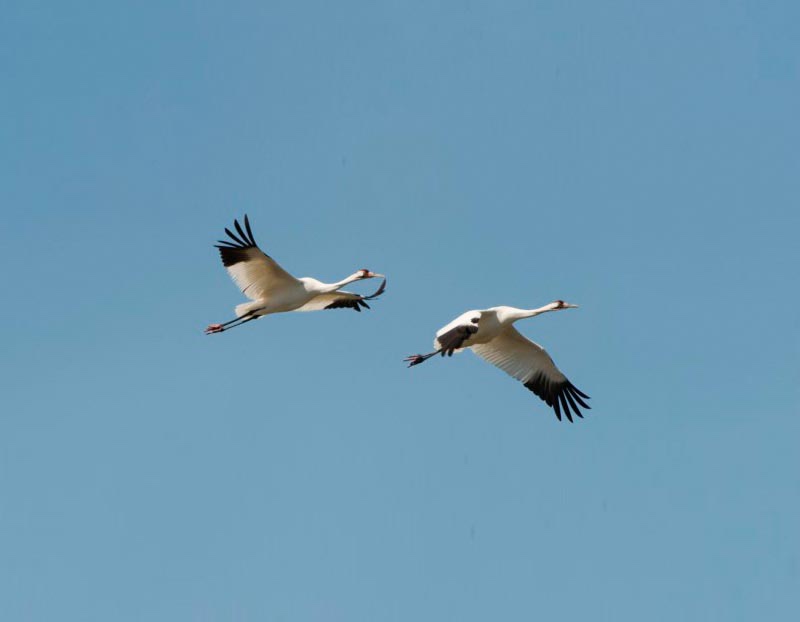
These birds are often difficult to photograph as they are very shy and possessed of excellent hearing, so they are usually gone before you know they have been nearby. Generally, they just are not very gregarious; they like to keep to themselves in their pair bonds. Their nests are about five kilometres (three miles) apart from those of other cranes.
There are only about 500 whooping cranes in the wild, they migrate each year between wintering grounds at the Aransas National Wildlife Refuge in Texas and their breeding grounds in Wood Buffalo National Park near Fort Smith, NWT.
Their numbers are very slowly improving after dropping to about 25 birds in the 1940s; their survival and growth has been helped along by protections that exist in both Northwest Territories and Texas.
Happy mid-week.

These ancient scowles have been trod by Iron Age settlers, Romans and their slaves, film and TV actors, and people like you and me. Puzzlewood, an …
#Words and #PictureOfTheDay: 25/Apr/22
An ancient labyrinthine hollow, well used by Romans and moderns alike, courtesy of Stuart.

I went to visit my fine feathered friend,The Daredevil. He flew out to escort me. It was at this time I had to make a critical decision! Before I …
MY FRIEND
Please take a look at this marvellous video from my blog friend Wayne who lives, works and communes with his furred and feathered buddies in Tofino on the west coast of Vancouver Island. It’s amazing!

*****………………………….*****As it’s winter here in the UK, I’m presenting this month’s pictures as alternate seasonal shots with reminders of warmer times. …
#PictureOfTheDay: 02/Jan/22
A beautiful summer reminder from Stuart. 🙂

The sun goes down on the end of the year. Let’s hope the new one brings something better for everyone. *****………………………….***** Thought I’d end the year…
#PictureOfTheDay: 31/Dec/21
Beautiful end of year photo from Stuart.

Penticton (and most of British Columbia) has had a much colder winter than usual. Heck, over the last six months, it’s had unbelievably bad weather, period.
First there were heat waves (referred to as “heat domes” by the media). No matter what they were called, they were bad. I will never forget seeing on June 28 a temperature of 46°C (115°F) on our deck. In the shade.
Then there were the fires. Almost all of the town of Lytton was consumed by them. Throughout British Columbia, the air quality was terrible and the heat unrelenting.
Then autumn brought intense rain accompanied by high winds. The rain saturated the soil, the wind pulled the fire-dead trees from the ground, and this lead to extreme flooding and landslides, especially in the lower mainland. Dozens of landslides swept vehicles from the roads and trapped people and communities in isolated pockets.

The Coquihalla Highway, a main four-to-six lane artery that carries supplies and people through the mountains, was seriously damaged in 20 separate places. The community of Abbotsford, a major supplier of dairy and other agricultural products and situated in the lower mainland, suffered extreme flooding and enormous economic damage.
Now we’re being hit by record-breaking cold temperatures with freezing rain, snow and slush. The media are doing reports on how people can help to save the non-migratory hummingbirds from freezing to death. According to the scientists, this is the tip of the (melting) iceberg because these “weather events” are going to get worse.
Question is, what are we doing to mitigate this situation? And, what are we doing to get ready for what’s coming?

Some of my pictures appear in the Gallery. More images, to decorate your home, use for calendars, greetings cards, jigsaws, or anything else you …
#PictureOfTheDay: 19/Dec/21
A beautiful green photo from Stuart.
 In the Net! - Pictures and Stories of Life