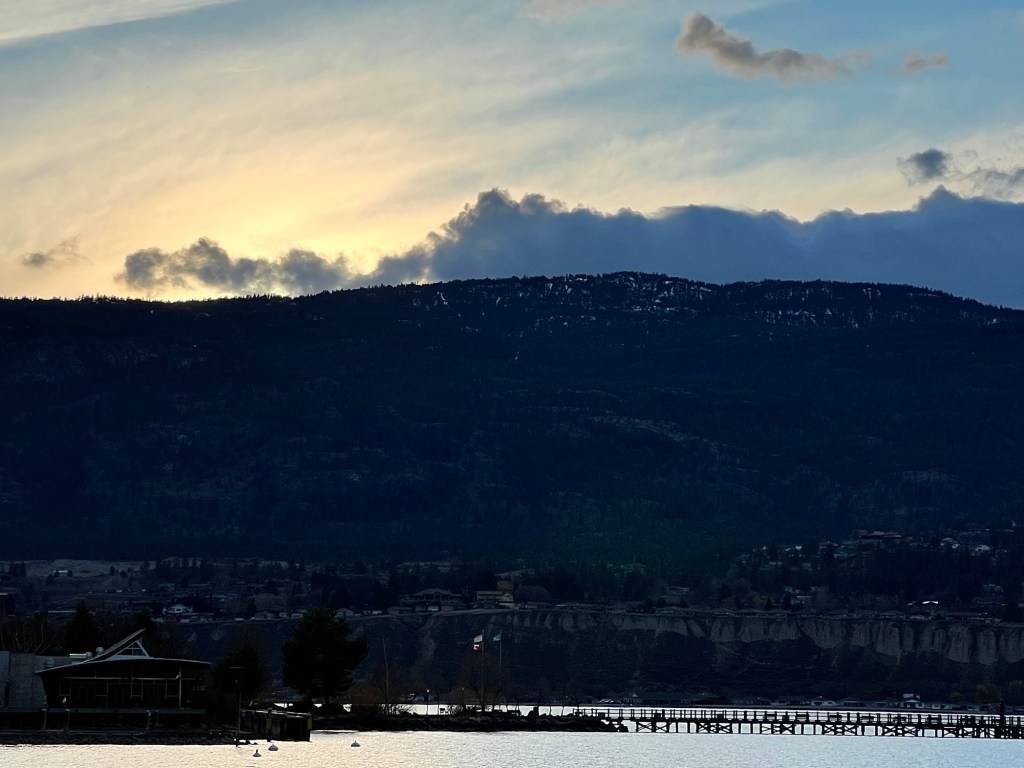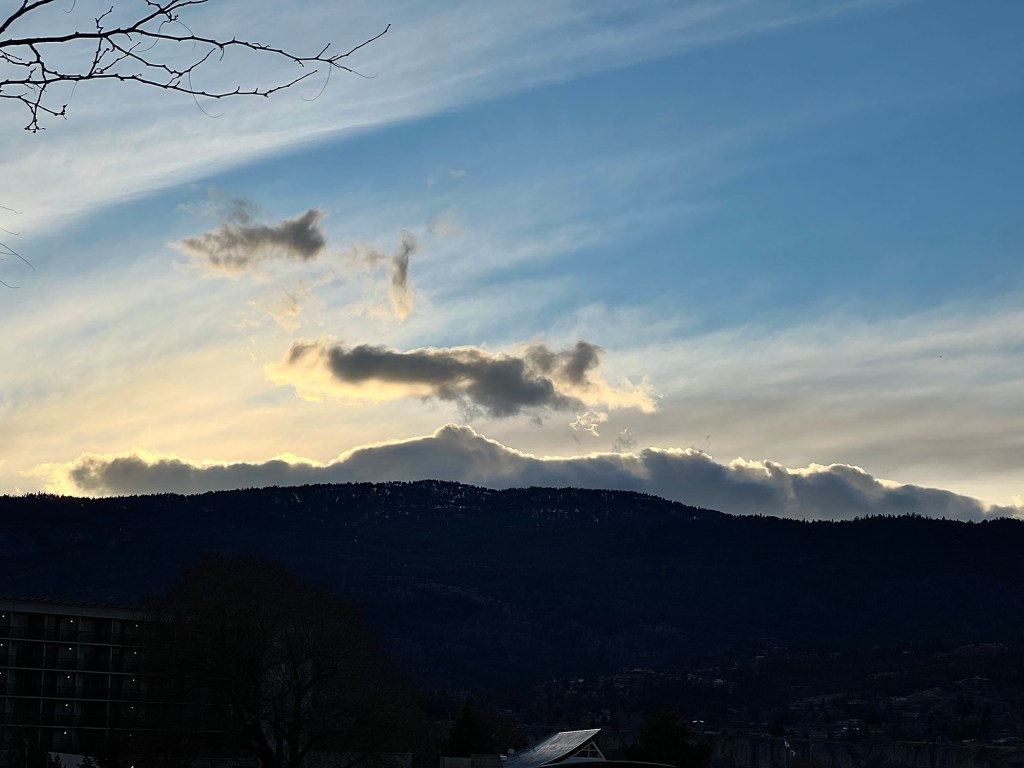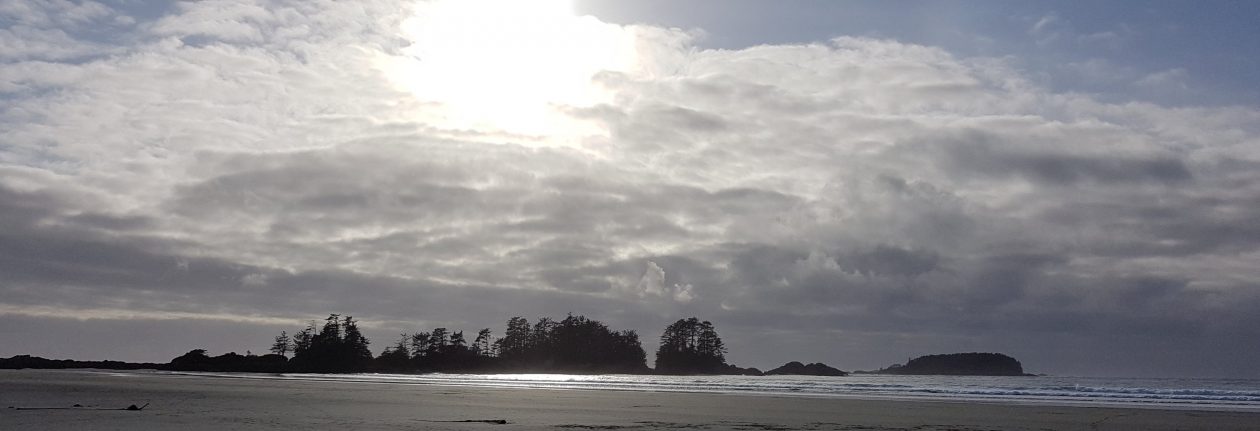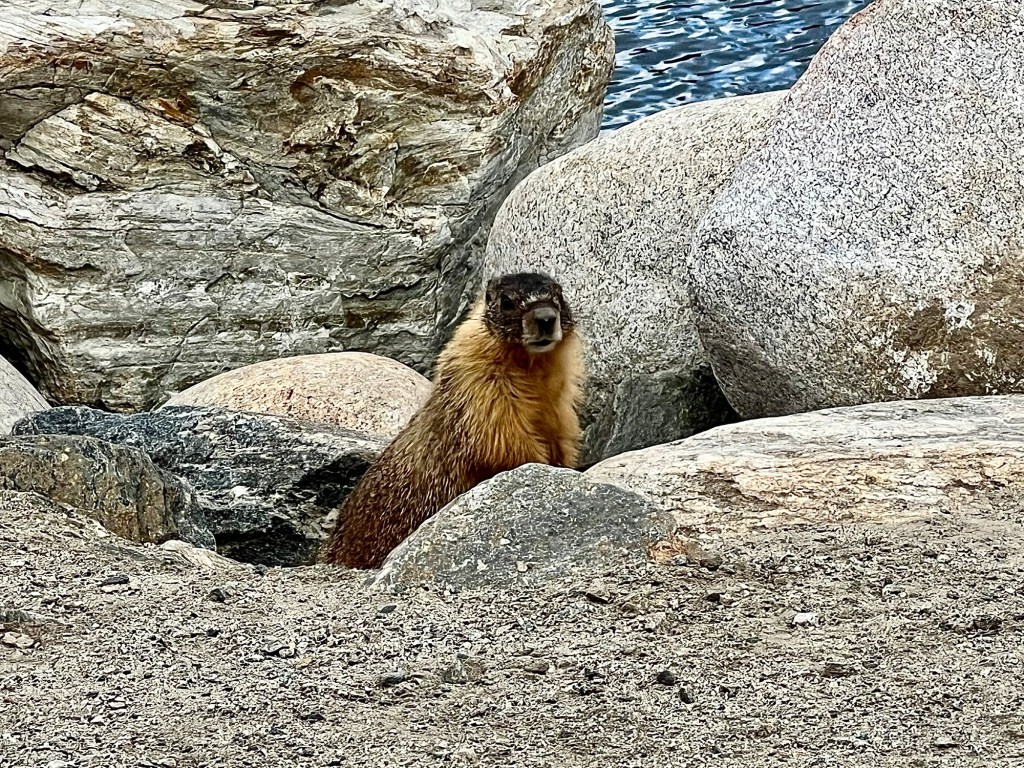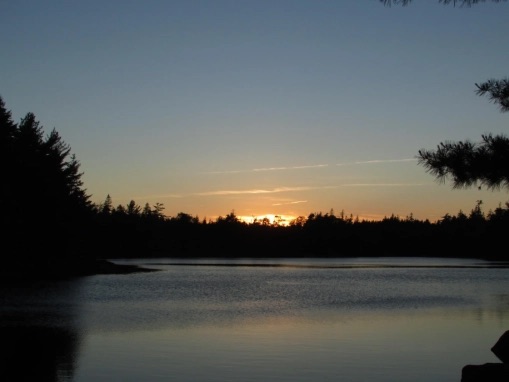
Never retreat, never explain, never apologise; get the thing done and let them howl!
~ Nellie McClung, Canadian suffragist, activist, legislator

Souvenons-en. Let’s remember that. 🍁
Never retreat, never explain, never apologise; get the thing done and let them howl!
~ Nellie McClung, Canadian suffragist, activist, legislator

Souvenons-en. Let’s remember that. 🍁
I’m sorry to post this, but if you haven’t heard it yet, please listen and then pass it on. This morning, Prime Minister Trudeau directly addressed the American people and Mr. Trump regarding the imposition of tariffs. Here is the short version:
Here is the complete version.
This trade war will gravely and hugely affect both Americans and Canadians alike. No one will win.
A beautifully sunny temperature of 12C (54F) …

… with windless, soft air …

… felt like nirvana after the blowing cold of winter.
Happy Tuesday.
Although there aren’t any leaves yet, the sun’s angle over the carp pond in the Japanese Garden tells me that it’s spring.

The ducks were snoozing in the sun along the water’s edge, so I sat on a bench and enjoyed a little sun myself.
Happy Monday.
In light of the disastrous meeting between President Zelenskyy and President Trump, where both Trump and Vice-President Vance decided that Zelenskyy wasn’t doing his best Oliver Twist imitation and began slinging vitriol at the victim while supporting the aggressor, I think it’s salient to pass on the following opinion piece from Andrew Coyne. This was originally published by the Globe and Mail on February 28, 2025. Many thanks for this idea from Jane at https://robbyrobinsjourney.wordpress.com
Brace yourselves: whatever crazy, awful things Trump may have done to date, it’s only going to get worse
by ANDREW COYNE
Skate to where the puck is going, not to where it’s been. That bit of trite wisdom, attributed to Wayne Gretzky, might usefully be applied in assessing the risks posed by Mr. Gretzky’s political idol, Donald Trump.
Every time we think we have taken the measure of Mr. Trump, every time we think we have understood the depths of his depravity, the absoluteness of his nullity, the scale of the threat he represents – to American democracy, to Canada, to the peace of the world – he defeats us. He does or says something far worse than we had ever thought possible, even of him.
We need to learn from this, fast. Because Mr. Trump is metastasizing, mutating, rapidly worsening. He is on a kind of exponential spiral, his behaviour approaching levels of madness and mayhem that had never previously been imagined, let alone seen.
Our expectations of him are forever playing catchup to the reality. Which means we are forever calibrating our responses, not to where Mr. Trump is going, but to where he has been. That way lies disaster.
We need to understand that however awful Mr. Trump’s behaviour may have been until now – however callous, dictatorial, insane or dangerous, and however it may seem to have defined the limits of what is possible in each regard – it is only going to get worse, and at a rate that will itself defy all expectations.
Consider Mr. Trump’s performance in just the month or so since he took office. Did even the most alarmist of Mr. Trump’s critics anticipate he would not just undercut Ukraine in its struggle for survival against the Russian invaders, but take the Russian side in every material respect – assigning blame for the invasion not to Russia, but to Ukraine; cutting Ukraine out of the negotiations on its fate, while ruling out NATO membership and the restoration of Ukraine’s territorial integrity in advance; voting with Russia against a UN resolution denouncing the invasion; and demanding Ukraine pay the United States half a trillion dollars in reparations for the offence of having resisted its own annihilation (and decimating the Russian war machine in the process), a figure that is many times the actual amount of American aid it has received?
Did anyone imagine he would not just make similarly extortionary demands of his NATO partners in return for the United States’ “protection,” but effectively signal that no such protection would be provided, should Russia expand its attacks on Europe beyond the multifaceted hybrid-warfare campaign in which it is already engaged? Did even Mr. Trump’s supporters anticipate that he would also telegraph, in the space of the same few fevered days, that he would abandon Taiwan?
Or, closer to home, did anyone imagine that the original Trump threat to Canada – that we would be included in his proposed global tariff of 10 to 20 per cent, notwithstanding our joint membership in a continental free trade area – would suddenly swell into a special 25-per-cent tariff applicable only to ourselves and Mexico, and then into a campaign to forcibly annex the country? Was, likewise, the invasion and seizure of Greenland, or the Panama Canal, ever envisaged?
Did anyone predict, when the pseudo-official Department of Government Efficiency was first announced, what it would become, scant weeks later: a wrecking ball of dubious legal authority, consisting of Elon Musk and his 20-something acolytes, roaming the halls of various government departments firing officials at random and hacking into government payment websites to prevent duly authorized expenditures from being released?
No doubt it was expected that Mr. Trump would pardon some of the Jan. 6 insurrectionists. But was it ever suggested he would pardon all of them, 1,500 at one go, no matter how severe their crimes – or that he would harass, prosecute or dismiss the law enforcement officials who brought them to justice?
All of this, as I say, is just in thr last few weeks. Mr. Trump’s ambitions have grown materially wilder in that time, his actions more senseless, his rhetoric more extreme – he has lately taken to quoting Napoleon on the virtues of executive lawlessness and referring to himself as “the King” – than even in the weeks before then, in the demented interval between his election and his inauguration.

That was the period, recall, when he made a series of nominations for senior government posts that could only be described as perverse. It was as if he had deliberately selected the worst conceivable person for each position, the person most directly hostile to the mandate of the organizations they were nominated to lead. Thus Matt Gaetz, accused of statutory rape, was nominated to fill the job of Attorney-General; the alcoholic weekend television host and civil war prophet Pete Hegseth, who has been accused of sexual abuse, was nominated to Defence; the paranoid conspiracy theorist and anti-vaccine crusader Robert Kennedy Jr. to Health and Human Services; the Putin apologist and suspected Russian asset Tulsi Gabbard as Director of National Intelligence; the lunatic Kash Patel as director of the FBI.
None of these were suspected, even through the long months that preceded the election, when Mr. Trump campaigned on an increasingly explicit appeal to fascism, while violating one norm after another – questioning his opponent’s racial identity, fabricating stories about immigrants eating pets and promising to round up and imprison 12 million immigrants in camps, prior to deportation.
Mr. Trump’s conduct in that campaign exceeded anything he had said or done since his attempt to overturn the results of the previous election in January, 2021, which was itself far worse than anything he had done in the four long years of escalating insanity that marked his first term in office, which exceeded by a wide margin even the most fearful projections that had preceded it.
The pattern is unmistakable. Mr. Trump’s actions, his statements, his very state of mind, have been growing worse over many years, and not steadily, but at an ever accelerating pace. This is, I suggest, not accidental. It is a function of his malignant narcissism, a narcissism that requires constant demonstrations of his power to dominate others, or at least to outrage them, or at any rate to hold their attention.
But as behaviour that was previously unthinkable comes to be expected, so it becomes harder and harder to sustain the same level of outrage; and as even a constant level of outrage starts to lose its psychological potency – as any drug will, if taken often enough – so Mr. Trump has been forced to increase the dosage of his self-administered narcotic of transgression. The self-destructive lunacy, and the resulting chaos, that would previously have satisfied him is no longer sufficient. He must take things to the next level, and the next, still crazier than the one before – crazier than he has ever previously done, crazier than anyone expects, crazier than anyone could expect.
If you think things are bad now, then, brace yourself: it is about to get a whole lot worse. If you are alarmed at the speed with which the Trump administration has set about dismantling every institution of American government and every pillar of the international order, you must understand that this is not just the initial burst of activity, the “shock and awe” phase after which things will settle down: if anything, the pace will continue to accelerate.
It cannot be otherwise. It is dictated not only by Mr. Trump’s insatiable psychological cravings, but by the ambitions and objectives of the fanatical ideologues and criminal opportunists with which he has surrounded himself: for where the destruction of everything that surrounds him is for Mr. Trump an end in itself, for Mr. Musk and his followers they offer the chance to rebuild a techno-fascist utopia out of the rubble, or at any rate to make off with as much as they can, while they can.
This rather alters the stakes, and the resulting challenge: of comprehension, let alone formulating an effective response. We have not just to understand what Mr. Trump and his team are up to now, but what they are capable of in future. That would be difficult enough in a normal, linear progression. But on the exponential curve on which Mr. Trump is now launched, it almost defies the imagination.
Take everything, then, that Mr. Trump has done in the last few weeks, and how much of an escalation this represents over his performance in the previous months or years. Now project that same rate of change forward over the next few weeks, or months or years: to Mr. Trump’s still nascent efforts to weaponize the justice system against his opponents, for example, or to seize the power of the purse from Congress; to his readiness to defy the courts, to suppress dissent at home and stamp his rule on other countries, and generally sow chaos.
Now apply the same rate of change to the rate of change. That is what we are really up against, and while it is almost impossible to plan on that basis, if we are not at least making the attempt we have not begun to appreciate the true dimensions of the threat that confronts us.
I don’t say for one minute that Mr. Trump will succeed in any of these ambitions. Indeed, it is far more likely that his administration will spin out of control and collapse, overwhelmed by its own internal divisions, by popular opposition and by the multiple cyclones of havoc it has heedlessly set in motion. But that presents challenges of its own.
The world has never before been faced with such a threat. The United States has handed the nuclear codes to a madman, a criminal, a would-be dictator and a moron, all in the same person. Whatever the purpose to which he directs these powers – to impress his dictator friends, to further enrich himself and his cronies, to seize absolute power or just to watch the world burn – we must hope for the best, but prepare for the worst.
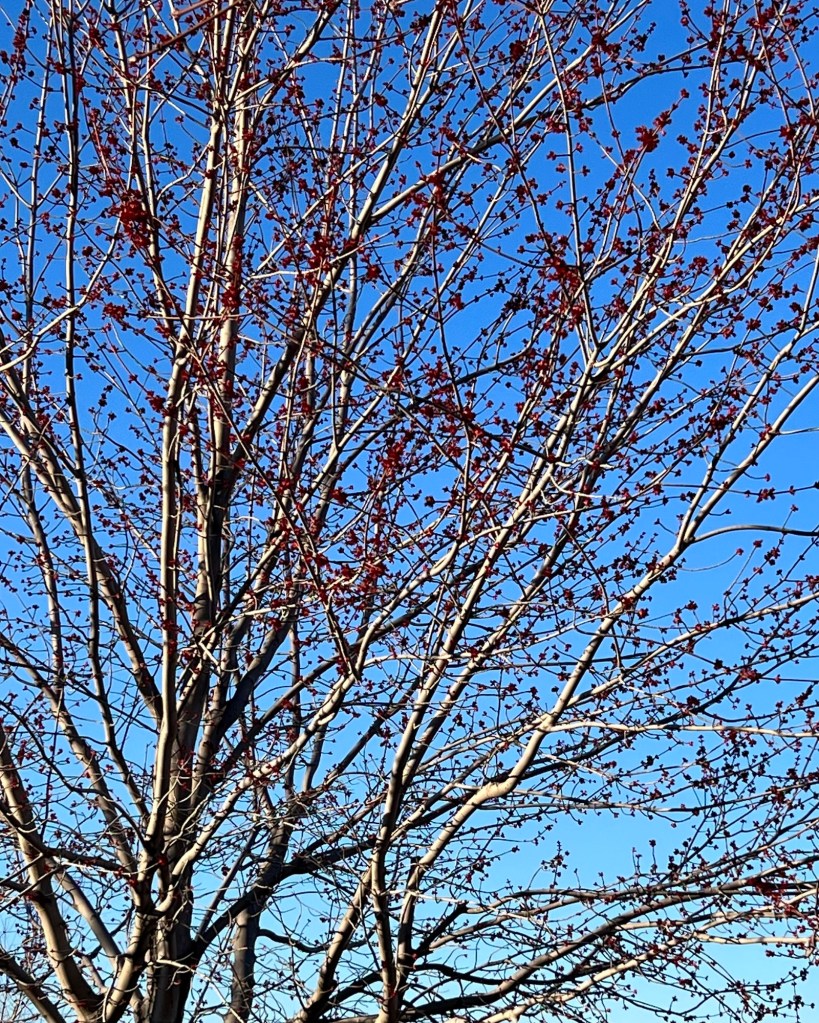
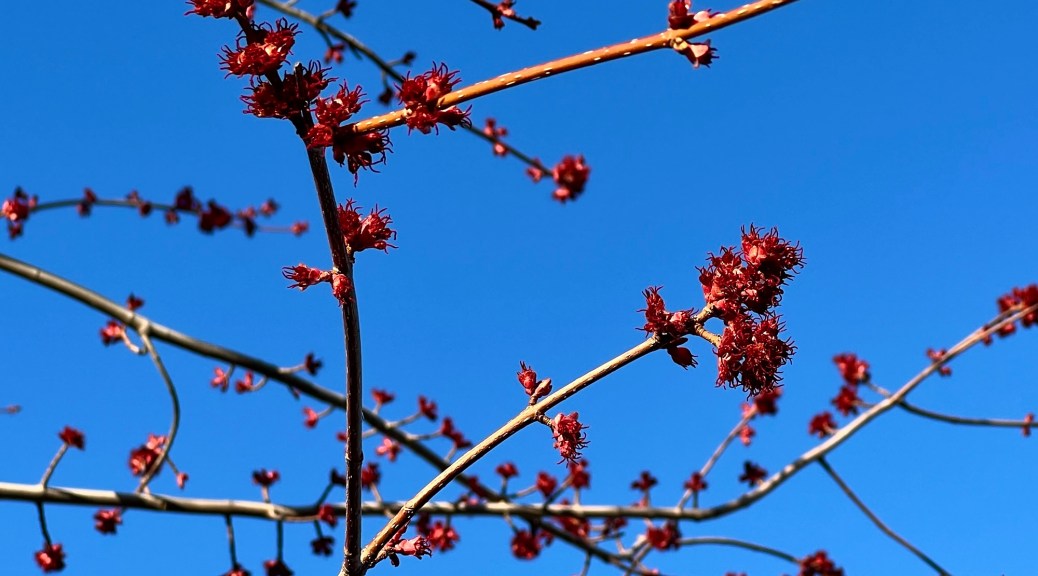
We’ve rotated enough in our turn around the sun such that in the last week or so, spring has, creeping on little kitten feet, arrived. The wind, while still cool, is soft and mellow and the sun feels fresh.

There isn’t any foliage yet, but it won’t be long.

Next week our temperatures are supposed to climb again. Yay!
Happy Sunday.
Might it be? Could it be? The very, very, tippy top of spring? Maybe!


Happy Saturday.
I am very pleased to host and to introduce you to my long-term blog friend and author, Jacqui Murray, and also to her novel, Endangered Species, the first book in her latest trilogy: Man vs. Nature.
Today, Jacqui will explore the interesting topic of how Neanderthals were able to navigate without a map, compass or GPS; this is followed by an excerpt from Endangered Species. At the end of this post you will find all the book information, social media contacts and other useful links. Please feel free to engage with Jacqui through the comments section.

Jacqui Murray is the author of the popular prehistoric fiction saga, Man vs. Nature which explores seminal events in man’s evolution one trilogy at a time. She is also author of the Rowe-Delamagente thrillers and Building a Midshipman , the story of her daughter’s journey from high school to United States Naval Academy. Her non-fiction accomplishments include 100+ books on tech into education, as well as reviews as an Amazon Vine Voice , and articles as a freelance journalist on tech ed topics.
Savage Land is the third prehistoric man trilogy in the series, Man. Vs. Nature. Written in the spirit of Jean Auel, Savage Landexplores how two bands of humans survived one of the worst natural disasters in Earth’s history, when volcanic eruptions darkened the sky, massive tsunamis crossed the ocean in crushing waves, and raging fires burned the land. Each tribe tarring in the story considered themselves apex predators. Neither was. That crown belonged to Nature and she was intent on washing the blight of man from her face.
In Endangered Species, Book One of the trilogy, Yu’ung’sNeanderthal tribe must join with Fierce’s Tall Ones—a Homo sapiens tribe–on a cross-continent journey that starts in the Siberian Mountains. The goal: a new homeland far from the devastation caused by the worst volcanic eruption ever experienced by Man. How they collaborate despite their instinctive distrust could end the journey before it starts or forge new relationships that will serve both well in the future.
In Badlands, Book Two, the tribes must split up, each independently crossing what Nature has turned into a wasteland. They struggle against starvation, thirst, and desperate enemies more feral than human. If they quit or worse, lose, they will never reunite with their groups or escape the most deadly natural disaster ever faced by our kind.
Join me in this three-book fictional exploration of Neanderthals. Be ready for a world nothing like what you thought it would be, filled with clever minds, brilliant acts, and innovative solutions to potentially life-ending problems, all based on real events. At the end of this trilogy, you’ll be proud to call Neanderthals family.

How did Neanderthals navigate without a map, GPS, or compass?
Natural Navigation is Neanderthal’s preferred method of travel and popular among today’s primitive tribes, hunter-gathers, survivalists, nomads, and nature lovers. It is a method of finding one’s way through a natural environment without the use of any technical tools, just a thoughtful brain and a problem-solver’s attitude. In new areas, Neanderthals developed a sense of their surroundings by being patient, waiting for something to happen, ultimately developing a relationship with the land. It relies on the eleven million bits of data received every second by our senses to assess, extrapolate, and guide, the ones that we modern humans commonly ignore. Our predecessors mixed this with instinct and intuition to live their lives as safely and successfully as possible.
Here are some hints how Neanderthals made this work:
• They learned to sense the weather so they would know when to hunt, They knew from long experience that very little in their surroundings was random and learned to sense what would keep them safe.
• They sat quietly and felt nature around them. The leaves oscillated in the breeze. Sun flecks rolled over the undergrowth. Birds flew by as did insects. They took note of the shapes of trees, the colors of the earth and flowers, the shades of leaves.
• They navigated with shadows. The Siberia Neanderthals might use this to flee West, away from the heaviest smoke and cinder.
• Sometimes, they squinted, to block out most of what they saw and then filter out smaller details.
• The farther away something was, the lighter they appeared.
• The higher the lowest level of clouds, the drier the air and less likely rain.
• All trees have their own unique sound, heard when there was enough wind. Ash–gentle clacking; beech–radio static; aspen–whispering. Neanderthal migrating long distances noticed that the sound of the forest was different than what they were used to.
If you’re interested in the topic, search “natural navigation” in your browser.

Please enjoy the following excerpt from Endangered Species:
Chapter 1 of Endangered Species
75,000 years ago,
What we call Germany today
Jun was lost. Again. He gripped his thick-shafted spear in one hand, throwing stones in the other, and brushed aside the prickle of fear that flooded his body.
It wasn’t being alone that worried him. This was his first time hunting with the clan. He’d wanted to do well.
Initially, Jun had kept pace with the hunters, his strides long and easy, eyes firmly locked on the back of the male in front of him, but—as too often happened—he became distracted by a bird’s call and wandered off to find it, maybe talk to it. Someone shouted his name, far away and so muted, he barely heard it. He didn’t respond, of course. Upright voices would frighten the bird if it hadn’t already fled. He hunkered into the underbrush, reduced his breathing, and squatted there long … longer … but the bird fell silent.
I’ll look for it next time I’m out here.
He stood. Feet spread, ears perked, he twisted around, and to his horror, didn’t recognize where he was. Nor did he hear the sounds of his fellow hunters moving along Deer’s trail.
I wandered farther than I intended, and hurried away, through the leaves and dirt, hoping to find Deer’s trace or his clan’s prints, but found neither so he shouted. The sound echoed harshly through the trees.
No response.
They can’t be far. By now, they must know I’m not with them.
He hugged his arms around his chest, suddenly cold, and tilted his head up. Sun had moved, a lot. Instead of worrying him, it comforted him.
I’ll stay here until they return.
He crouched, picked at the forest’s hearty overgrowth, ate a few worms, and waited. No one came. He called several times, but all he heard were insects, a snake slithering, and squirrels chattering.
I’ll go where Deer is.
He knew where the herd headed because he’d followed it several times to where it ate the fresh young grasses, safe, it thought, from prying eyes. He trotted down what he hoped would end up their trail, searching for trace, listening for the rustle of hide-covered bodies passing through dense brush carrying carcasses. Finally, later than expected, he found Deer’s path, but they didn’t stop in their usual place. They must have known they were being stalked—the hunters were noisy—and trotted into a scree pile as though knowing that would conceal prints, which it did. Jun could either keep wandering until he re-located the clan’s path or make his way back to the camp.
He checked Sun, but it was now hidden by clouds.
He crouched, comfortable in his waiting. No one would be surprised. He often returned late with tales of an excursion rather than armloads of meat to feed the clan. The group would have ejected him, forcing him to make his way alone, but his mother was the clan healer and wouldn’t allow it. She was training him to take over when her stiff joints and failing eyesight meant she could no longer fulfill her duties. He had no interest in illnesses, but understood he must fulfill some duty or lose the tribe’s protection. As a result, he assisted her if he couldn’t avoid it and learned enough about herbs and mulches and poultices to be tolerated.
None of which helped him now.
I can’t wait, and scrambled up a hillock, found a landmark he knew, and headed toward it along a debris-laden forest floor, head up, eyes shut to concentrate on a panoply of delightful odors. He heard the hiss but as background noise to his meandering daydreams. By the time it stiffened his hackles and his eyes popped open, it was too late.
Snake!
Jun stabbed with his spear, to frighten not kill, but missed. Snake didn’t. A blur of movement and pain seared through Jun’s body. He collapsed with a thud and Snake slithered away. Jun attempted to stand and crumpled.
I’ll crawl along the path. The hunters will see me on their way back. Sweat broke out across his forehead. As will predators.
He scuttled into the dirt-clotted root ball of a towering tree, sharing the cozy space with worms, slugs, and spiders.
I’ll call out if I hear someone.
He tamped down the pain and dug through his shoulder sack. No surprise, he forgot to restock his treatments. He tried to blink the dust from his eyes and then rubbed, using the cleanest part of a grubby finger. He mulled over what to do as his ankle swelled bigger than his calf and heat flushed through his body. Everything around him spun and his eyes drooped. The more he strained to think, the more his head throbbed. He tucked his legs against his chest and imagined Snake’s poison infecting his insides.
How do I stop it before it stops me?
He solved it by passing out.
The scrape of a foot awoke Jun. Every part of his body hurt, but he managed to crack one eye. An Upright female not his kind strode toward him, a spear in one hand and a blistering frown on her face. He should say something, but his mouth was too dry.
She acts like she knows me.
He tried to rise, but no part of his body cooperated so he stared at her, worried and somewhat disturbed by the dark fury she directed at him.
Why is she so angry? I’ve done nothing to her.
Seeing his swollen red ankle did nothing to soften her attitude. Disgust washed over her in waves and her fists clenched a rough-hewn lance so tightly, the whites of her knuckles gleamed.
There is something familiar about her….
She had the small skull, long limbs, and narrow torso of a Primitive, lacking the musculature common to Jun’s kind. And it hit him.
“Xhosa?”
She growled in response, a sound so like hatred, he would have pulled back if the tree trunk didn’t stop him.
The female Xhosa visited his dreams often and they got along well. They discussed topics no one shared his interest in—wherethe herds went during their migrations, why Spider’s thin silken strands were so strong, why Sun left if Moon arrived. Did one orb fear the other or had they arranged to share the sky in this way? These types of curious queries annoyed everyone in his tribe, but excited Xhosa.
“Why are you here? I only see you in dreams.” He squiggled, attempted to stand, and collapsed. “Am I dreaming?”
“No, Shanadar. You have forced me to come in person. Night is approaching. It is not safe to be out here alone. Return to your homebase. I have plans for you and being eaten by Cat isn’t one of them.”
Her lips didn’t move nor were her words the clan’s, but heunderstood what she said. He wanted to ask why she cared if the night stalkers ate him, but what he said was something else entirely.
“Snake poisoned me.”
Shock flashed through her eyes and she scowled. “I see. You won’t be leaving on schedule.”
His head spun, started to ask what schedule, but stopped himself. Whatever the answer no longer mattered.
“Xhosa. Snake killed me. Well, there are treatments for Snake’s venom, but I didn’t bring them. Mother has them, but I can’t get to her fast enough. And the hunters—I don’t know what happened to them. They should have come by now….”
His voice trailed off. Talking exhausted him. Still, he owed her one more explanation. “Whatever your plan, it can no longer include me.”
She dismissed him with a flip of her fingers. “You’re not going to die, Shanadar. Come. My kith can take care of you.”
“Shanadar,” he mumbled. “She keeps calling me Shanadar.”She didn’t explain why and he didn’t ask. Or mind.
But he did ask about kith as Xhosa yanked him to his feet—foot, the injured one dangling uselessly above the ground—encircled her arm around his waist and draped his around her shoulder before replying.
“You call your group a clan. Ours is kith. The Tall Ones are a band, the Canis Pack.”
Tall Ones? He tried to make sense of her answer, but the words got lost in his muddy thoughts.
I’ll ask later.
They slid through the forest, well beyond his clan’s area and Deer’s favorite eating spots, past a tree tall enough to touch Sun. He’d never seen it before. Did it just grow? Soon, they reached a gathering of Primitives the size of Jun’s clan crouched by an overhang. All had low foreheads, prominent brow ridges, andbody shapes like a shorter version of the tall slender strangerswho occasionally passed through the clan’s territory—
That’s who she called Tall Ones!
The kith members wore long wraps or capes like Xhosa’s, unsewn, as though they simply cut a hole in a pelt big enough for their head to push through. No capes or wraps, and foot coverings were fur or bark strapped to feet.
But the dark, deep eyes, fixed on the new arrival, shone with intelligence. They blinked a greeting before resuming theirwork.
“They expected us?”
“No. They have adjusted to strangers trailing in here withme.”
Jun’s eyes popped open. “Other Uprights?”
She chuckled, the first smile he’d seen from her since she showed up. “Usually pawed and tailed.”
He had no idea what to ask about that and didn’t bother trying. Ignoring the growing ache in his leg took all his energy. She has much to explain, but it will wait until I recover.
Xhosa pushed him gently toward a boulder. “Crouch there.”
He collapsed. His good leg was numb. Even if she hadn’t told him to rest, he couldn’t have gone farther. The relief to his pounding ankle was overwhelming. He stilled his entire body, his breathing shallow as another Primitive approached, holding supplies eerily similar to those Jun’s mother carried. Then, before he could blink, she cut across Snake’s puncture and squeezed. He started to scream, but stopped because he felt nothing. The poison dried up and Xhosa scrubbed the puncture. Once she deemed it clean, she applied moss to suck out new impurities, as his mother would. All Xhosa’s ministrations were like his mother’s except Xhosa’s didn’t hurt. Mother’s always did.
Xhosa rotated back on her heels with a grunt of either satisfaction or hopelessness. Jun was too hot, tired, and sick to care.
She stood. “I will deposit you where I found you. You will awake groggy, feeling unwell, but you will be fine.”
When I awake? What does she mean?
“I am—”
But Xhosa wasn’t listening.

Book information:
Endangered Species—Print, digital, audio available: http://a-fwd.com/asin=B0DJ9Y7PQ8
Badlands—digital on presale now: http://a-fwd.com/asin=B0DFCV5YFT
Genre: Prehistoric fiction
Editor: Anneli Purchase
Author bio:
Jacqui Murray is the author of the popular prehistoric fiction saga, Man vs. Nature which explores seminal events in man’s evolution one trilogy at a time. She is also author of the Rowe-Delamagente thrillers and Building a Midshipman, the story of her daughter’s journey from high school to United States Naval Academy. Her non-fiction includes 100+ books on tech into education, reviews as an Amazon Vine Voice and a freelance journalist on tech ed topics.
Social Media contacts:
Amazon Author Page:https://www.amazon.com/Jacqui-Murray/e/B002E78CQQ/
Blog:https://worddreams.wordpress.com
Pinterest:http://pinterest.com/askatechteacher
X:http://twitter.com/worddreams
Website:https://jacquimurray.net
Marketing pieces
Endangered Species trailer: https://youtu.be/AxBlmays3vE?si=1SMtqDJiLYCRZvB6
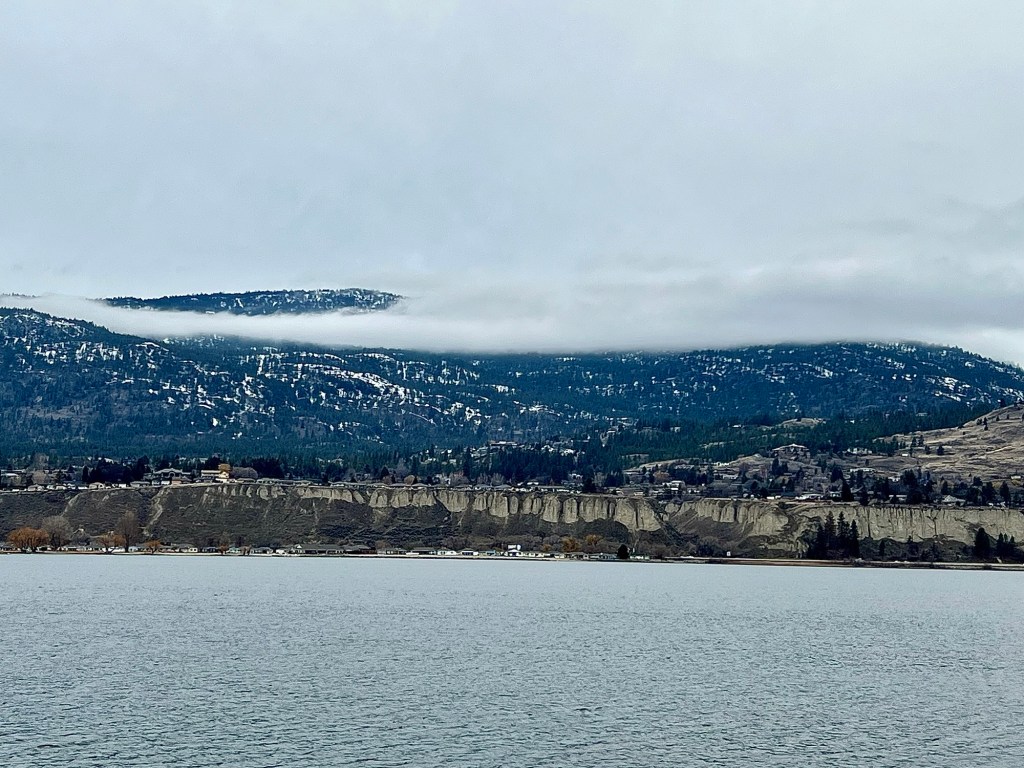
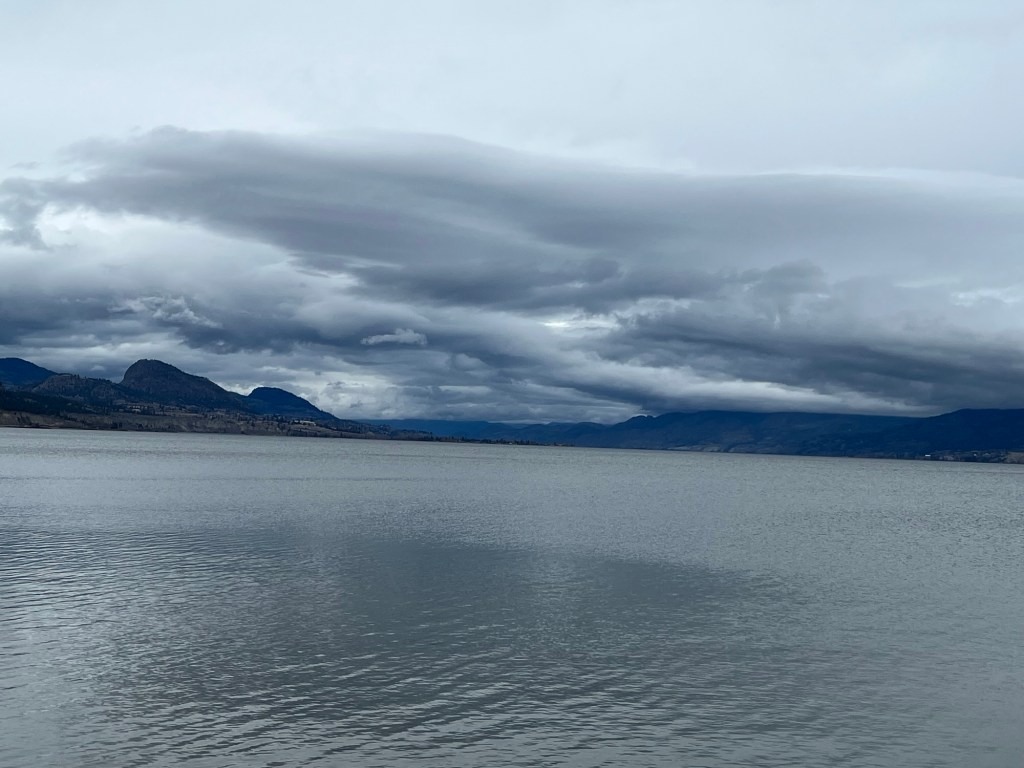
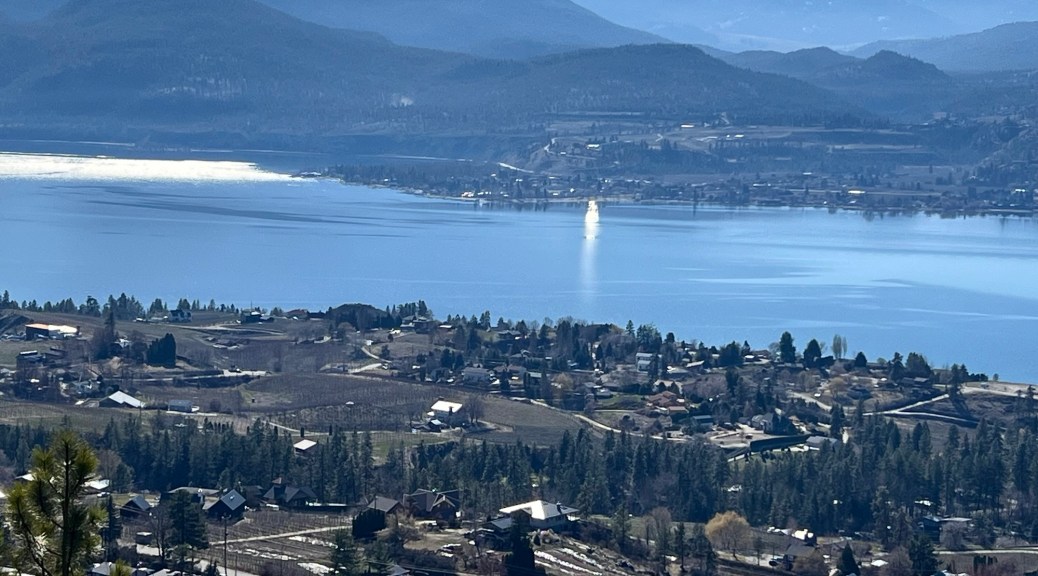
The lake sleeps, still taking its rest before industrious spring …

… and bustling summer …

… cradling vines in misty dreams of mellow sun and exuberant growth.
Happy Friday.
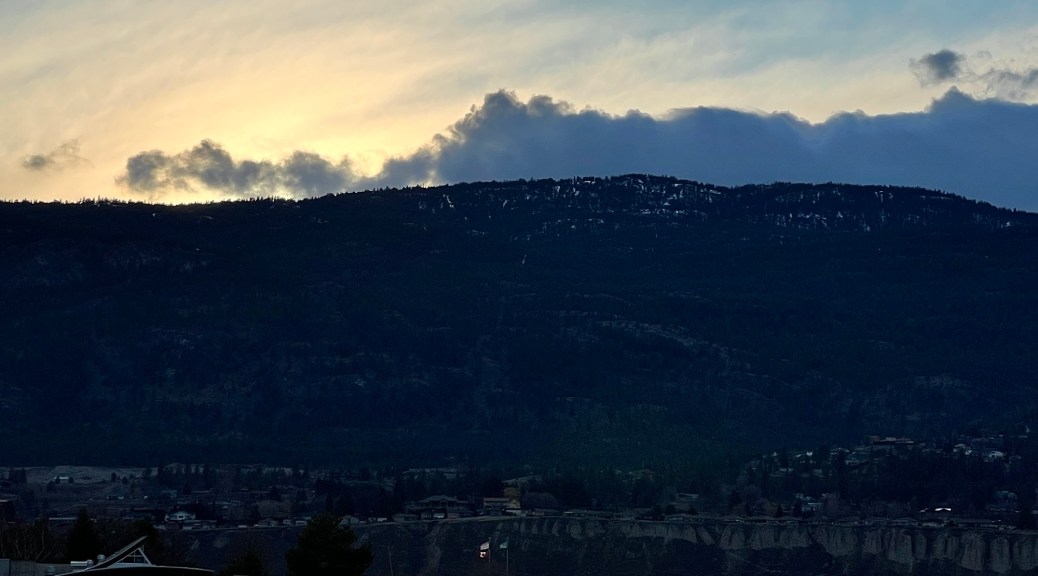
The recent higher temperatures and clearing skies produced a beautiful evening sky …

… and a windless, pink-toned blue hour became beautifully evident.

A lovely twilight.
Happy Thursday.