I love the composition of this beautiful beach picture from Allan J Jones. This is near Kalaloch, Washington, which isn’t too far from Vancouver Island. This is a beach where I could very happily just sit and watch the rollers. Thanks for posting it, Allan.
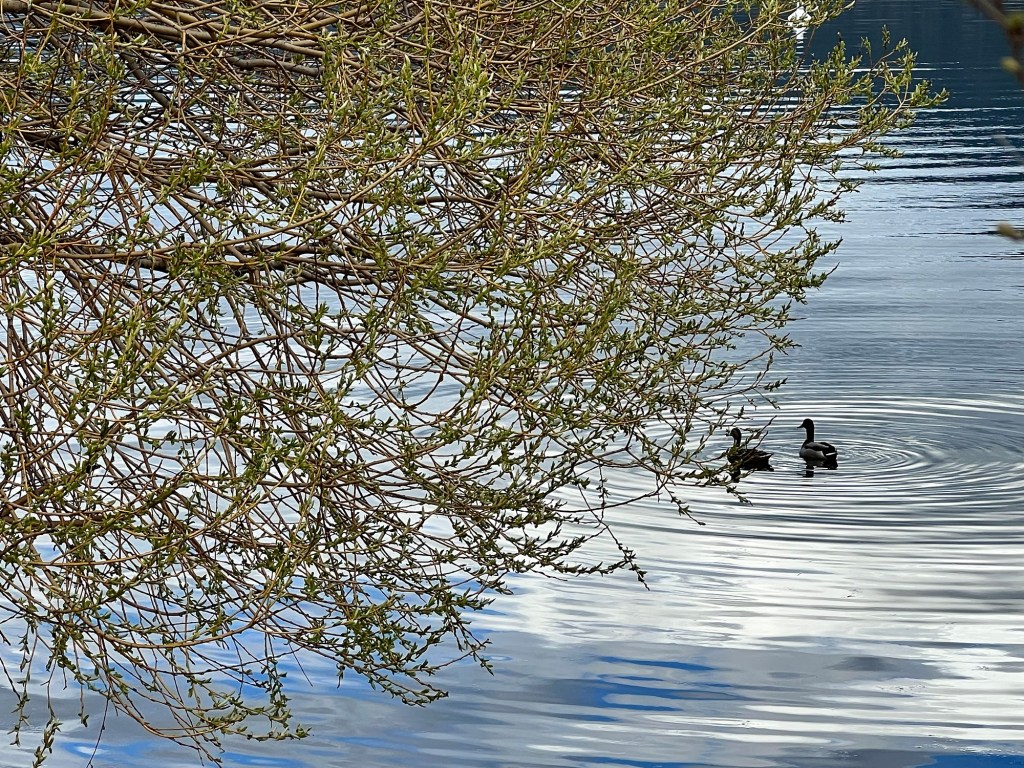
It’s a busy time of year for birds. They’re migrating, or nesting, or getting ready to nest. I’ve noticed that many of the mallard ducks have paired up.
This couple seemed quite content until another male tried to interrupt. That action caused the female to fly away.
A bit later, I saw her surrounded by four males, all trying to get her attention. She took off again; apparently she wasn’t impressed with their behaviour.
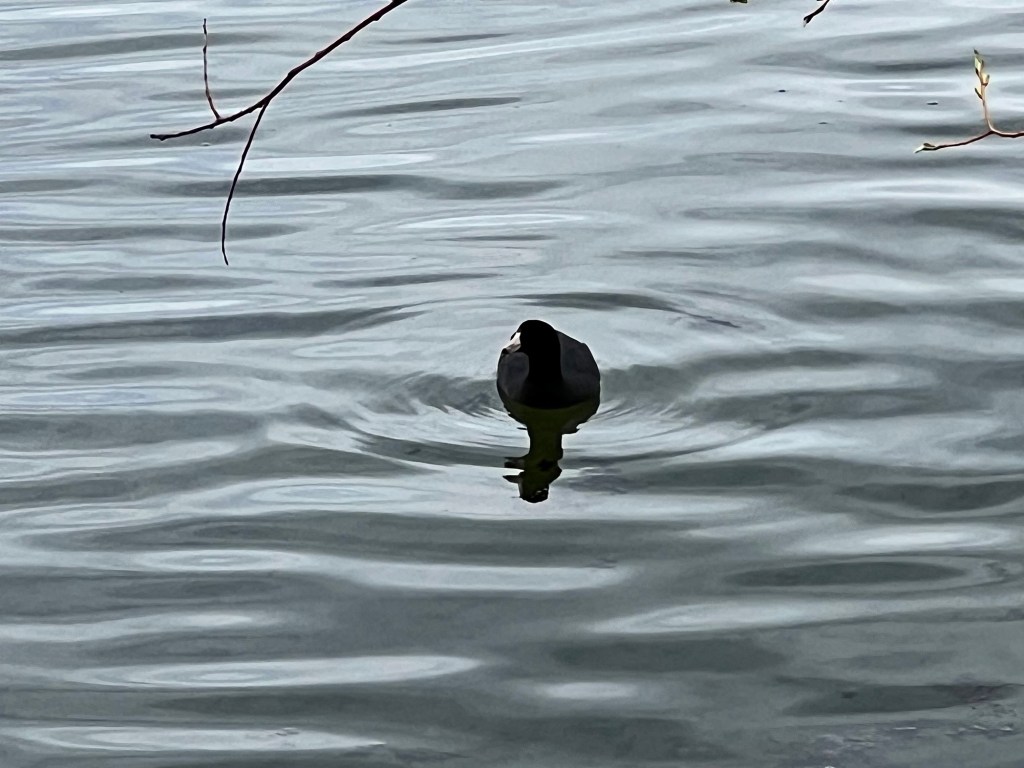
I’ve seen this lone coot in the same location for a few days in a row now. Today I realised that her/his partner is already sitting on a well-concealed nest at the water’s edge. Unlike mallards, coots mate for life and share the work of incubating, protecting and raising their young.
I hope to see the amazingly colourful coot chicks – they are orange and red and only turn black when they reach adulthood – in four or five weeks when their parents will begin teaching them how to survive in the water.
And in keeping with the old saying, April showers …
… and more and more showers (appearing as snow in the mountains) …
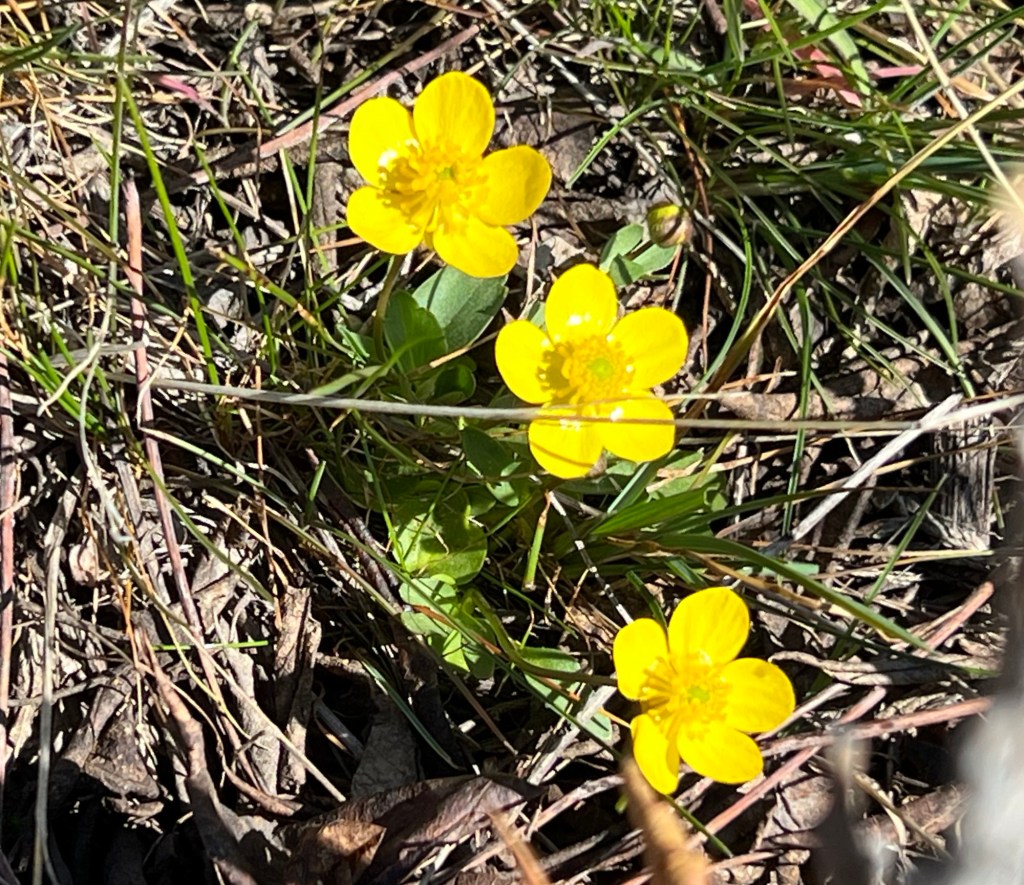
… bring May flowers …
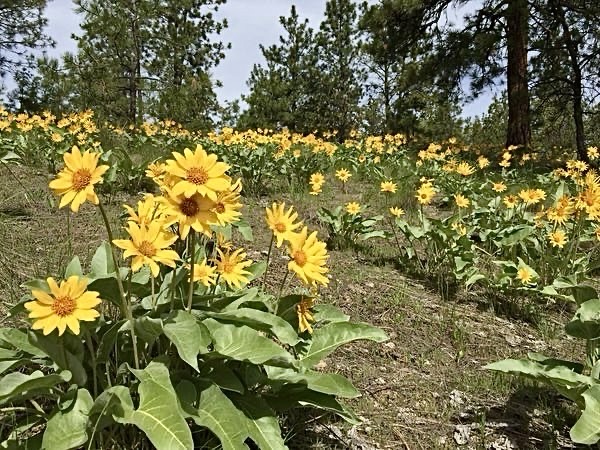
… or mid-April flowers, when the arrowleaf balsamroot, also known as the Okanagan sunflower, begins to bloom. They are profuse, have a beautiful scent, and are a perfect spring start!
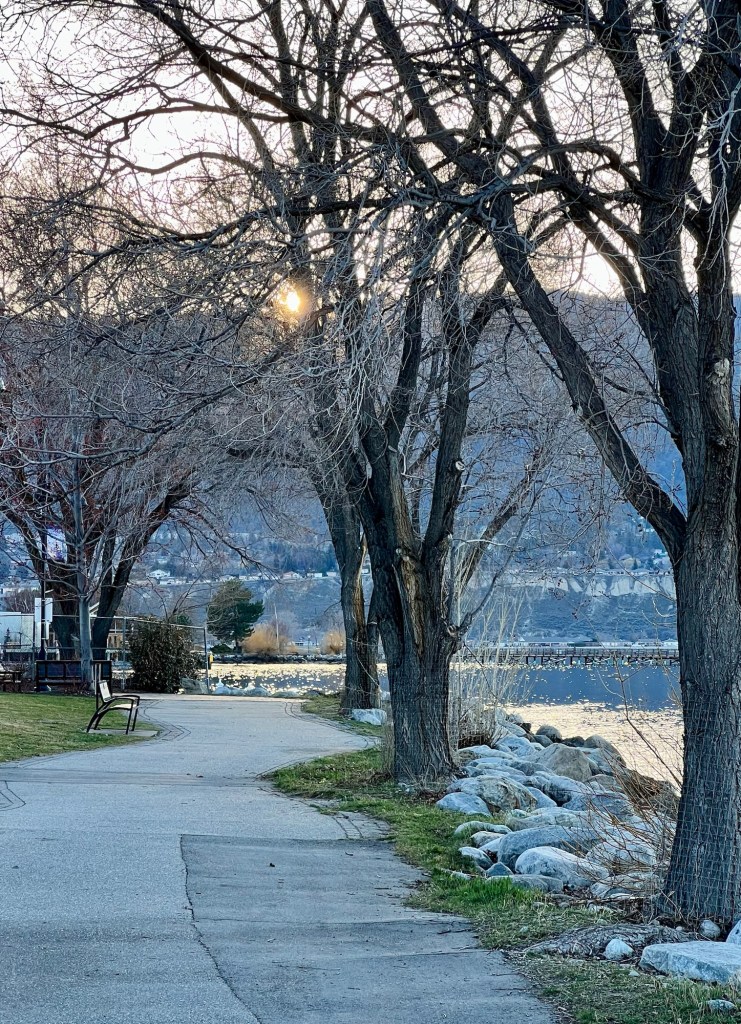
We have a large marmot colony living nearby in the rock breakwater next to an area of the lake.
They are awake, active and very healthy looking after their hibernation. They will allow people to observe them but getting too close makes them nervous and they will disappear into their large communal burrow below the rocks. I love how they are constantly greeting each other with great affection and murmurings.
All marmots, including the ones above, are protected in British Columbia, especially the Vancouver Island marmots which have been brought back from the brink of extinction but whose numbers are still critically low.










 In the Net! - Pictures and Stories of Life