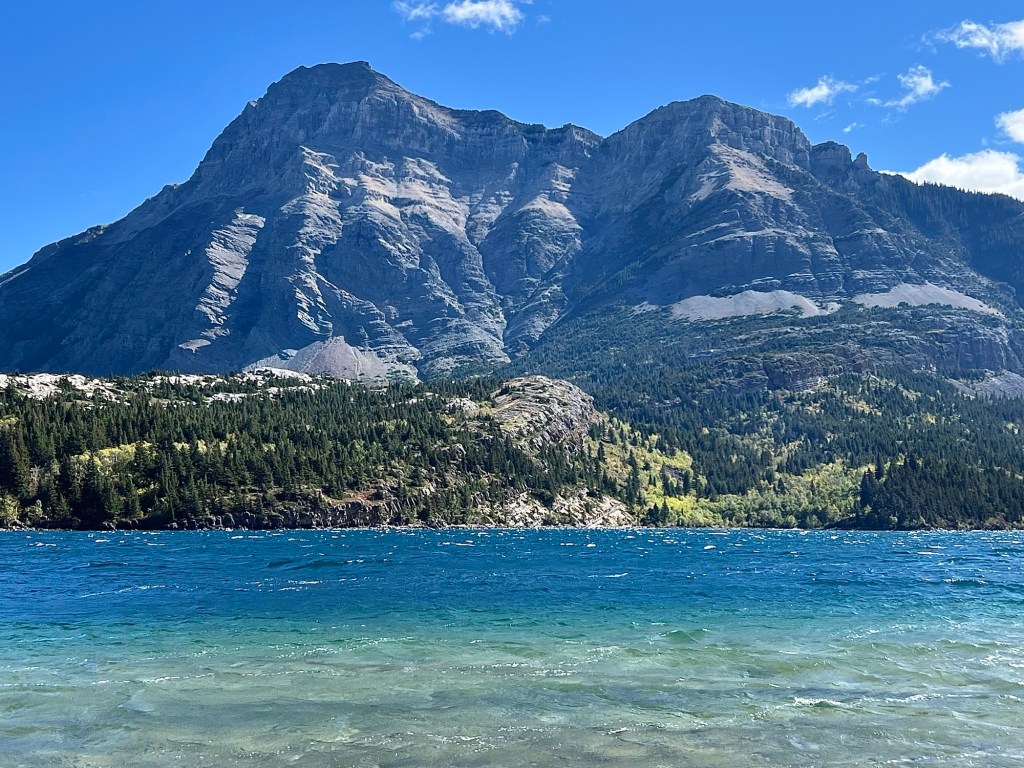
A beautiful autumn picture from James at Mountains, Myths and Moorlands. Please click the link above to see more of James’s stunning moorlands photography.
We’ve recently had some rather spectacular cloud formations. Here’s one, an excellent example of a towering cumulonimbus that’s reflecting the setting sun.
These clouds are known in aviation as “clouds of vertical development” and are extremely dangerous because they can contain hail, lightening, microbursts, wind shear and turbulence severe enough to break an aircraft apart, even a large commercial jet. Pilots are always very careful where vertical cloud development is concerned. These cloud types can also cause very dangerous thunderstorms and are precursors to tornadoes. Basically, a tornado is a towering cumulonimbus cloud gone absolutely wild.
If you see a towering cumulonimbus and it’s headed your way, you should always be cautious, especially if you live on the prairies where the flat topography and lack of obstacles such as hills or mountains allows for unimpeded, potentially destructive development.
Otherwise, you can marvel at these natural constructions and enjoy their visual impact.
While out for a ramble I heard a very distinctive sound: that unmistakable rattle of dry leaves in a gust of wind; there they were, swirling on the ground in a sure demonstration of the unstoppable arrival of autumn.
We’re still very green, but even those leaves seem to make that particular rattling sound once September arrives. It’s understandable. By turns it has been hot, dry, smoky, and windy. They’re tired.
But among all that greenery the autumnal colours are slowly creeping in. Everything in life starts small.
Although autumnal yellows are often the first colours to show, I’ve already noticed some reds, too.
The Oregon grape is changing its dress …
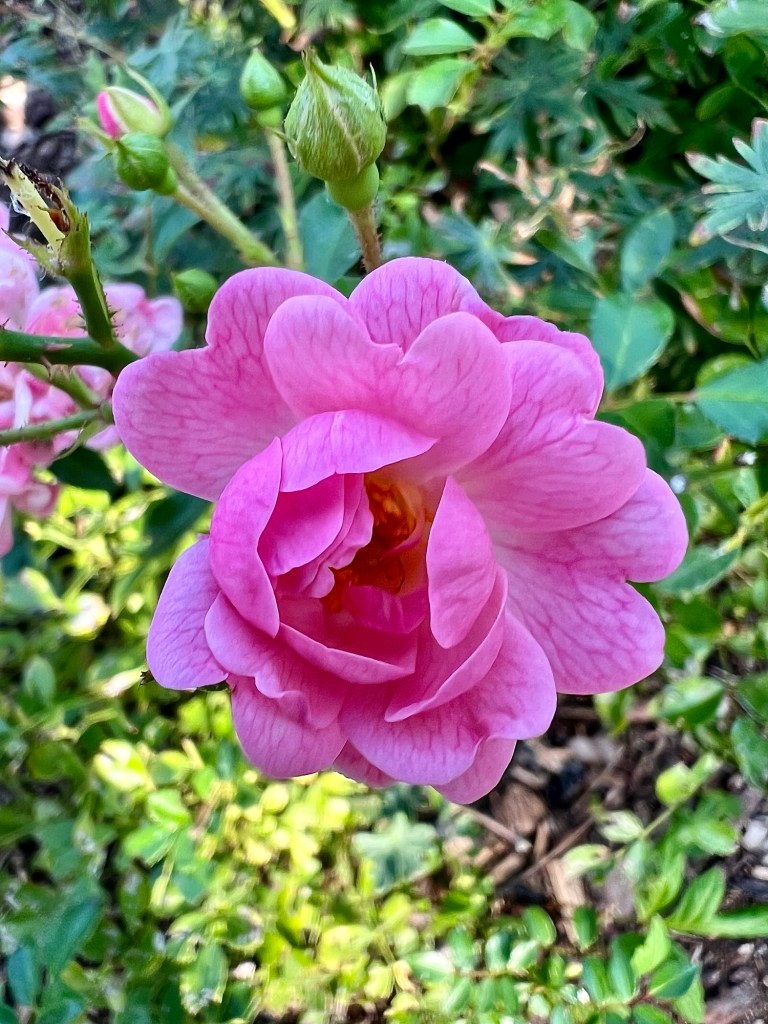
… while the matador roses that bloom so beautifully and unceasingly from June through August, are beginning to slump.
Summer officially ends in less than two weeks and while it’s a bit sad to see it go, autumn is a wonderful season with its graceful and stunningly beautiful characteristics. I’m looking forward to it.
We have had extremely smoky conditions since Wednesday with a nearby forest fire contributing a lot of the smoke while more has been heading from those brutal fires 2200 km (1367 miles) to the north of us in the Northwest Territories.
This image courtesy of the B.C. Fire Service shows the smoke billowing from a huge fire about an hour north of us.
After a hazy evening on Wednesday we soon became absolutely choked with smoke and hit a “10” on the air quality index, which means that people really should stay inside unless wearing a mask.
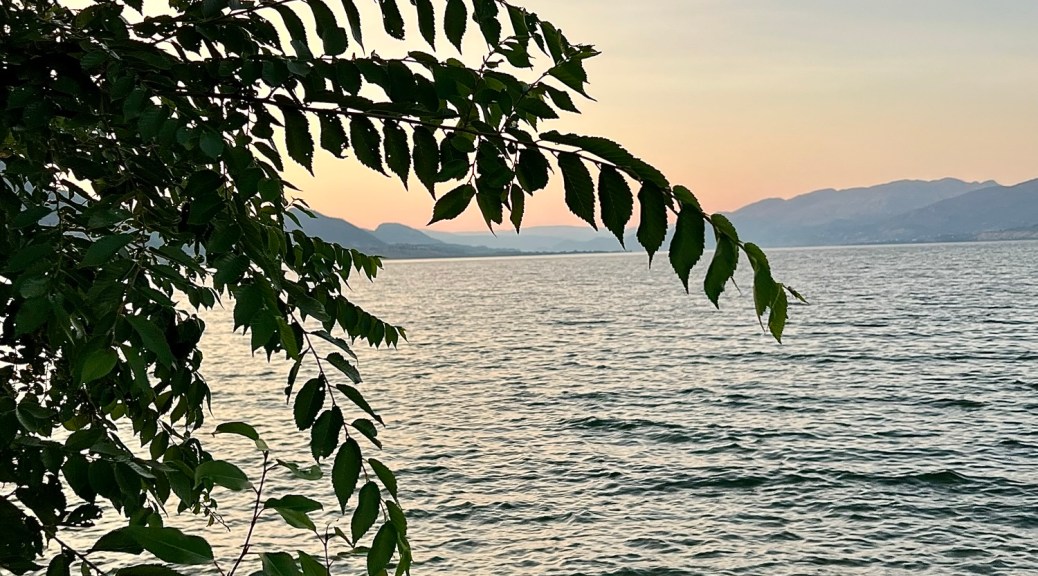
Smoke blanketing the valley at sunset.
Looks rather awful, doesn’t it?
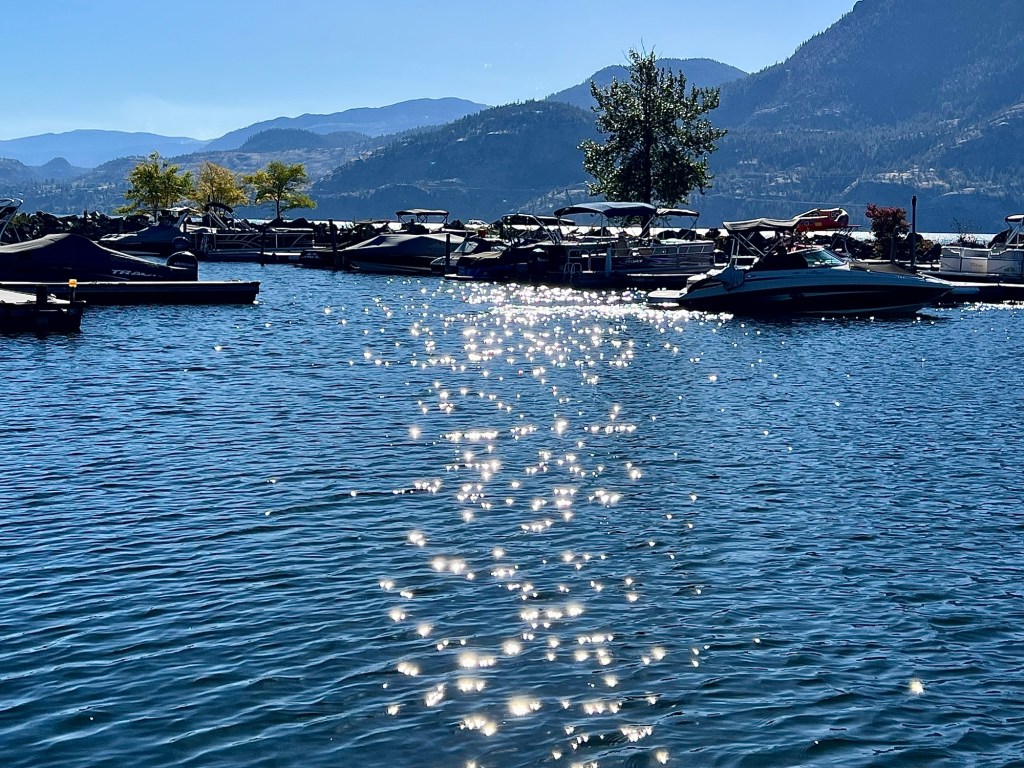
We are thankfully expecting several days of rain within the next 24 hours though, so I hope we will soon be looking more like the above picture very soon!
Humanity has been enthralled with flight for centuries. As far back as the 15th century, Italian artist and scientist Leonardo da Vinci experimented with aircraft designs. He intensely studied birds and developed an amazing understanding of flight principles; his book Codex on the Flight of Birds contains incredible insight into basic aerodynamics.
Landing at CYEP Edmonton Parkland Airport.
Although he was unable to bring his designs to fruition because of the technological limitations of the time, he is credited with the fundamental design concepts for the hang glider and the helicopter.
Eagles over the Pacific.
He was far ahead of his time and at the forefront of the remarkable flying technologies that we now so readily take for granted.
Snowbirds Canadian Air Force Demonstration Team
What would da Vinci think of all our present flight capabilities? Everything from parasailing to drones to space flight?