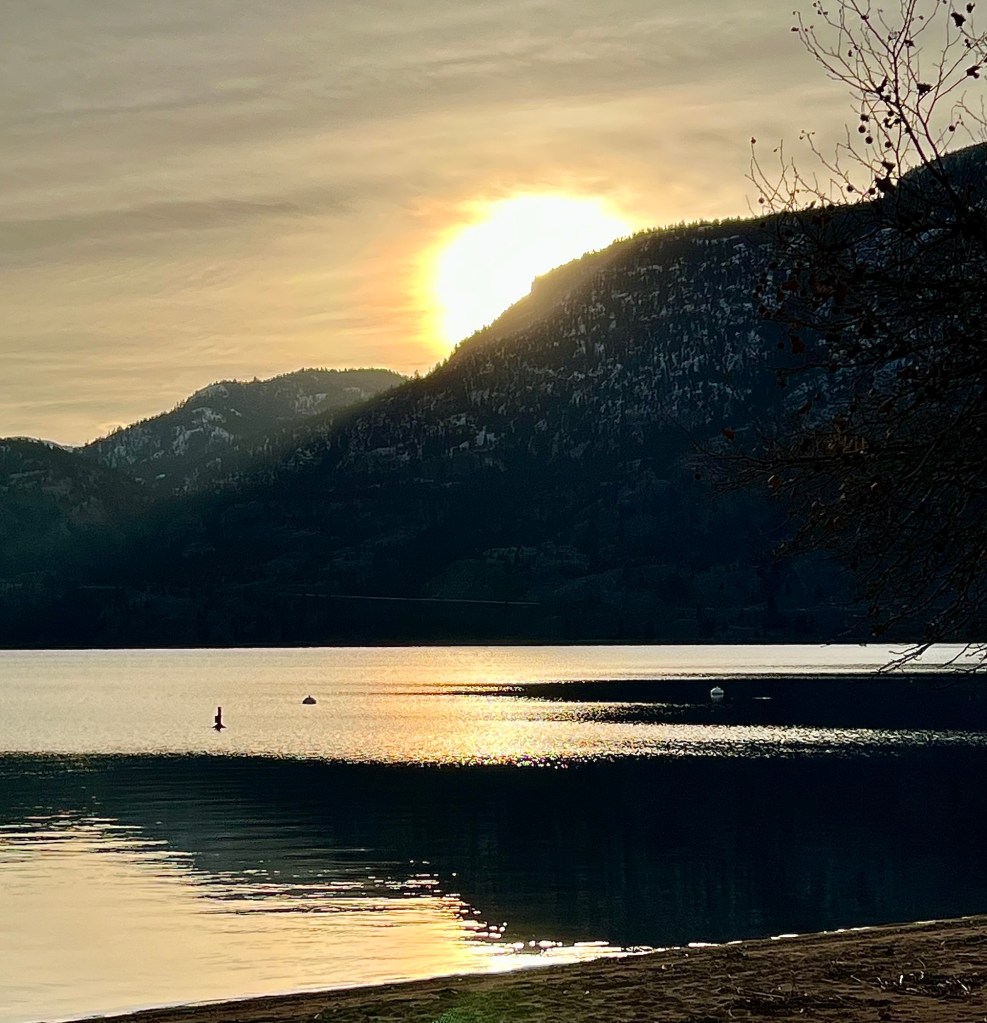
Often, when sun arrives in the Okanagan Valley in December or January, it’s accompanied by cooler temperatures. At -3C (27F) it was definitely chilly compared to what we had just had the day before with 6C (43F), but having the clear weather was still nice.
There was a cloudless sky although the wind was coming out of the north and rather brisk.
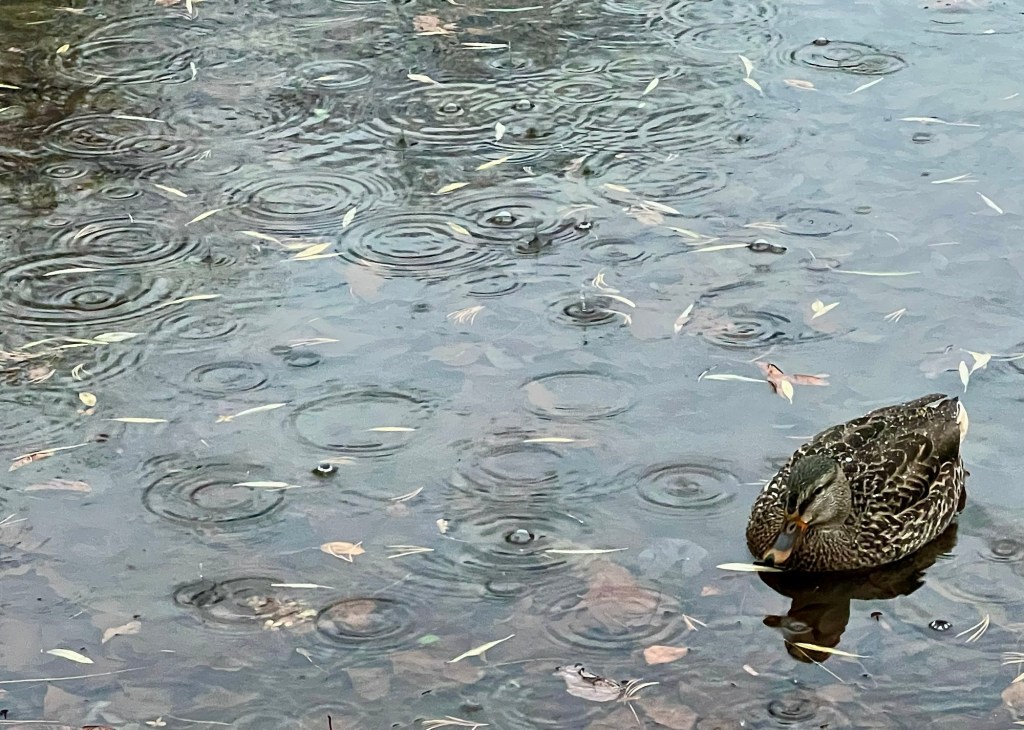
These two ducks definitely weren’t bothered, though. They had found themselves a nicely protected spot where the wind wasn’t much of an issue.
I surprised this overwintering robin from his spot among a number of other robins in their home inside a dense thicket next to the trail. They’re rarely seen – usually only heard – in winter but very occasionally I’ll see one.
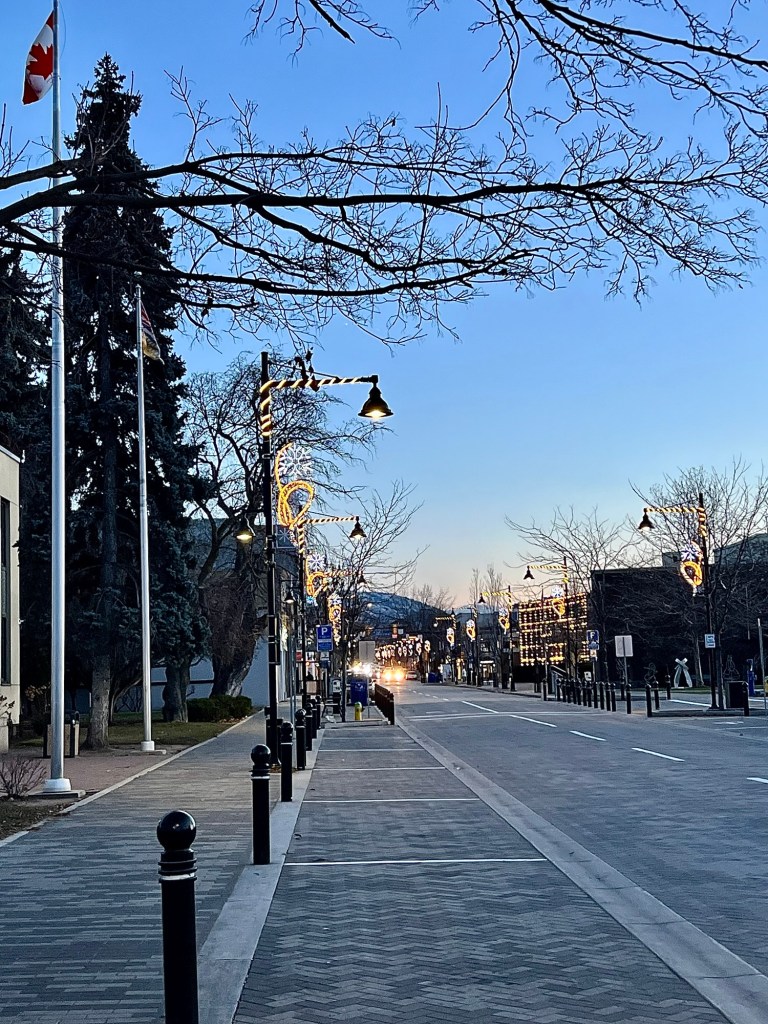
The last leg of my walk took me along one of the downtown’s main streets as the light began to fade and shoppers decided to start heading home. I headed home, too, where I found some hot chocolate.
We’re still getting lots rain although I understand that we’re supposed to get a bit of a temperature drop accompanied by some rain that will turn to snow. We’ll see. We get that projection a lot in winter but it regularly turns out to be wrong.
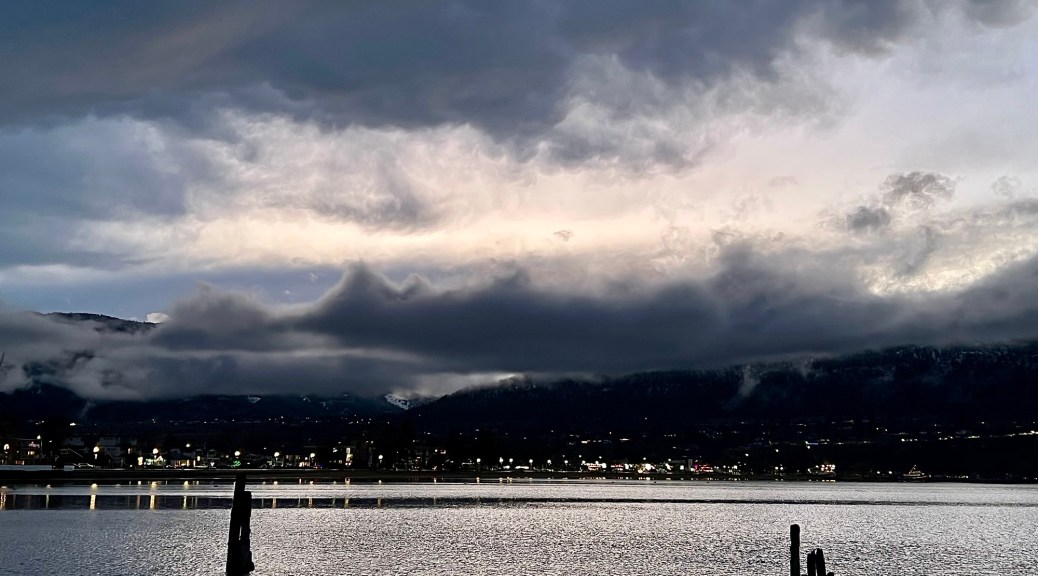
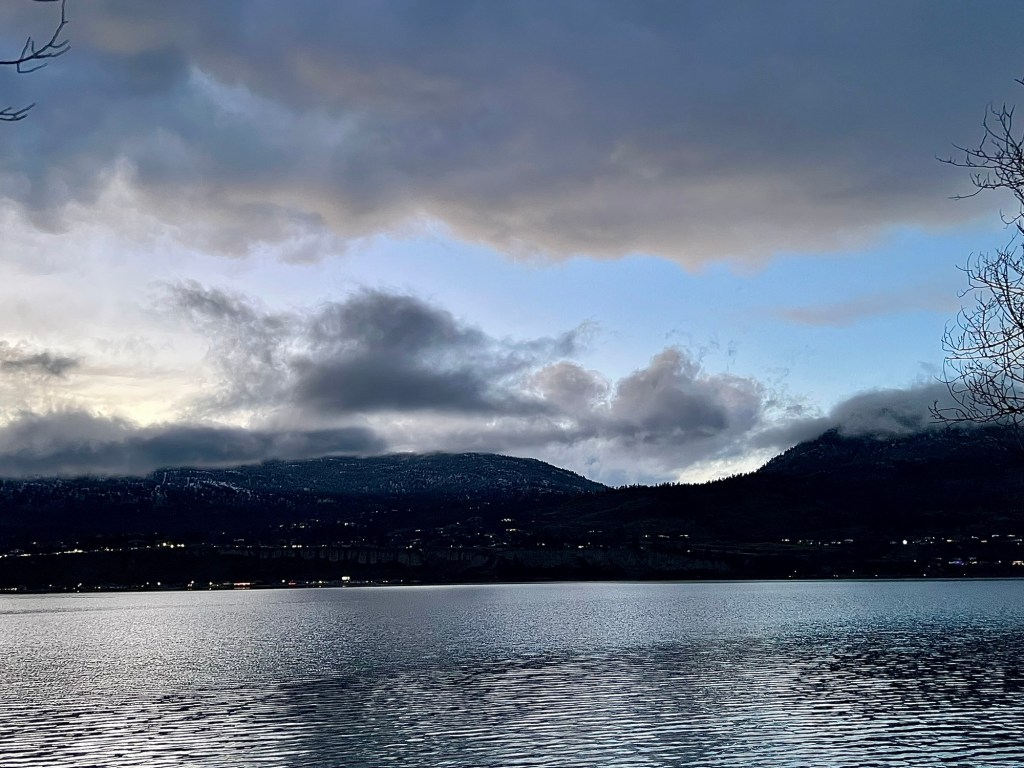
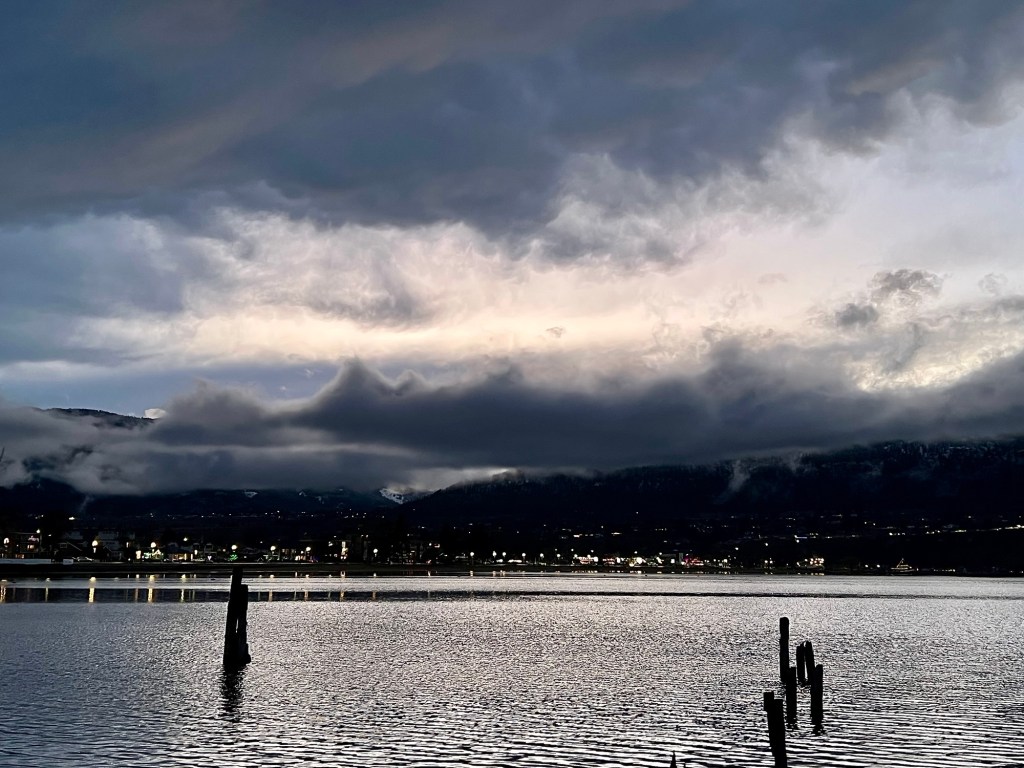
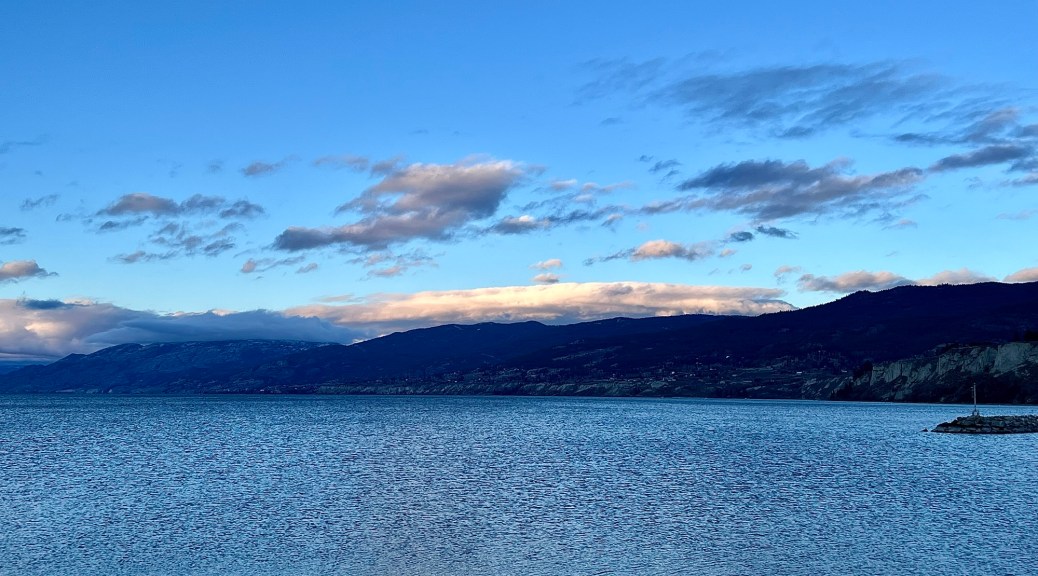
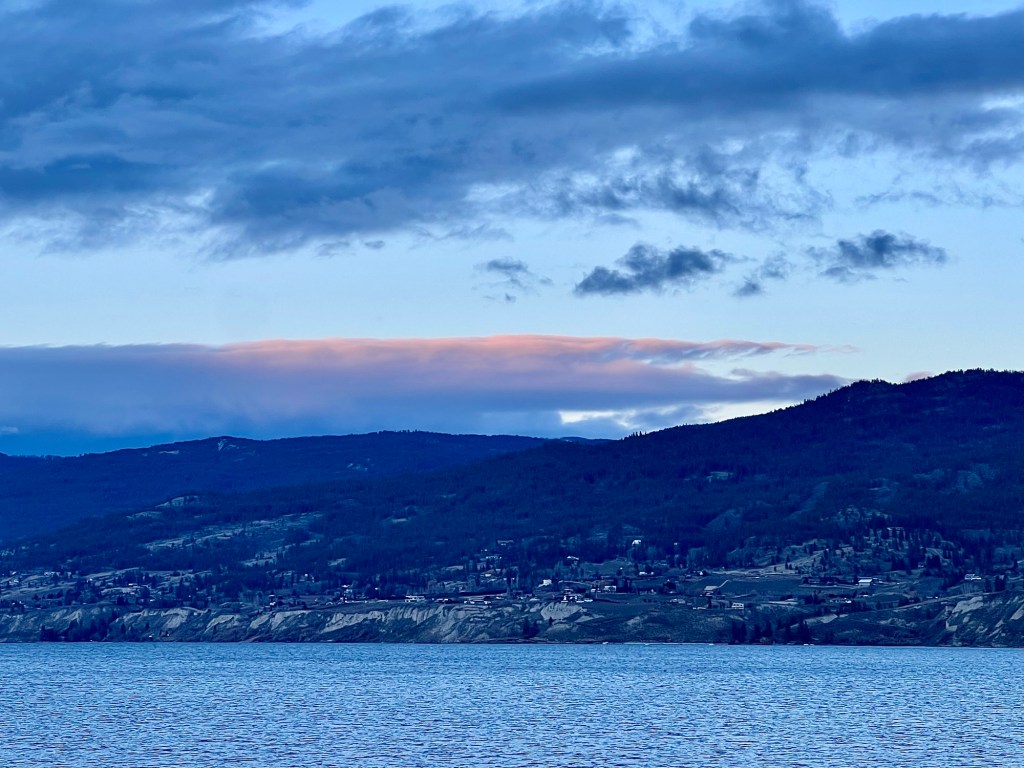
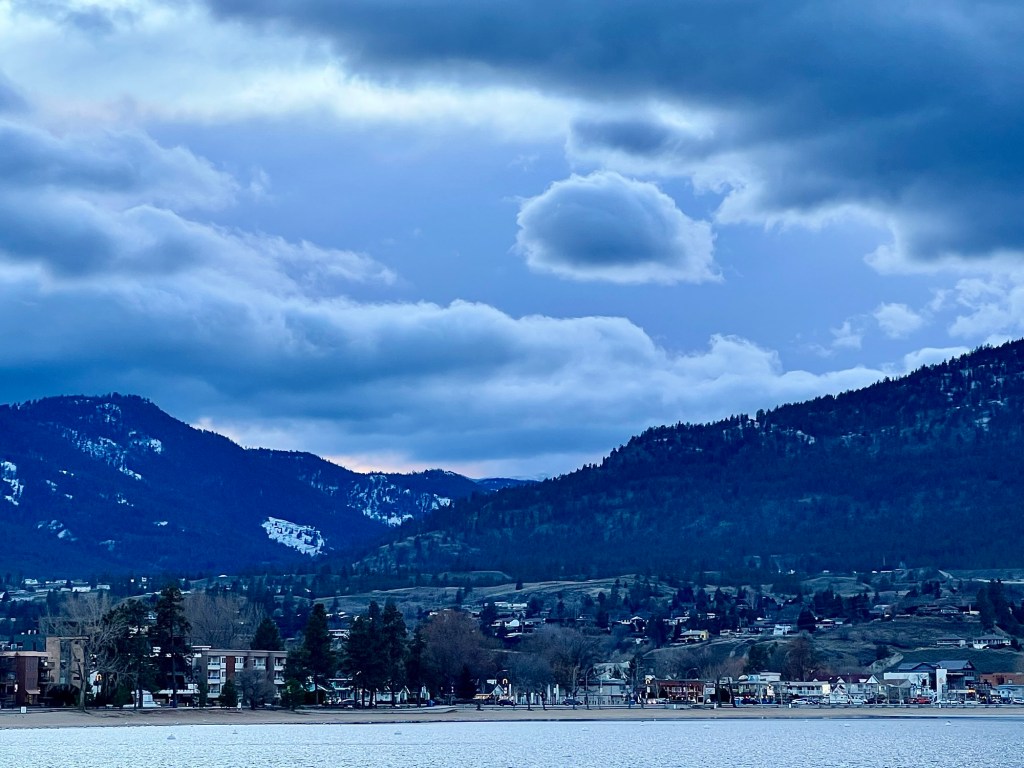
Here are some cloudy views from a recent walk.
The rain stopped for a bit and I grabbed the opportunity …
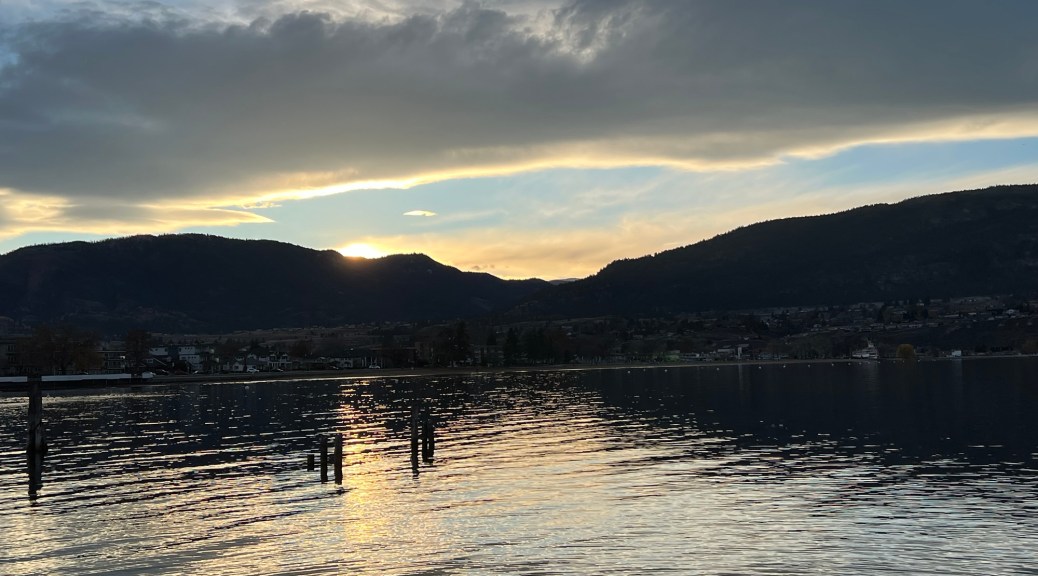
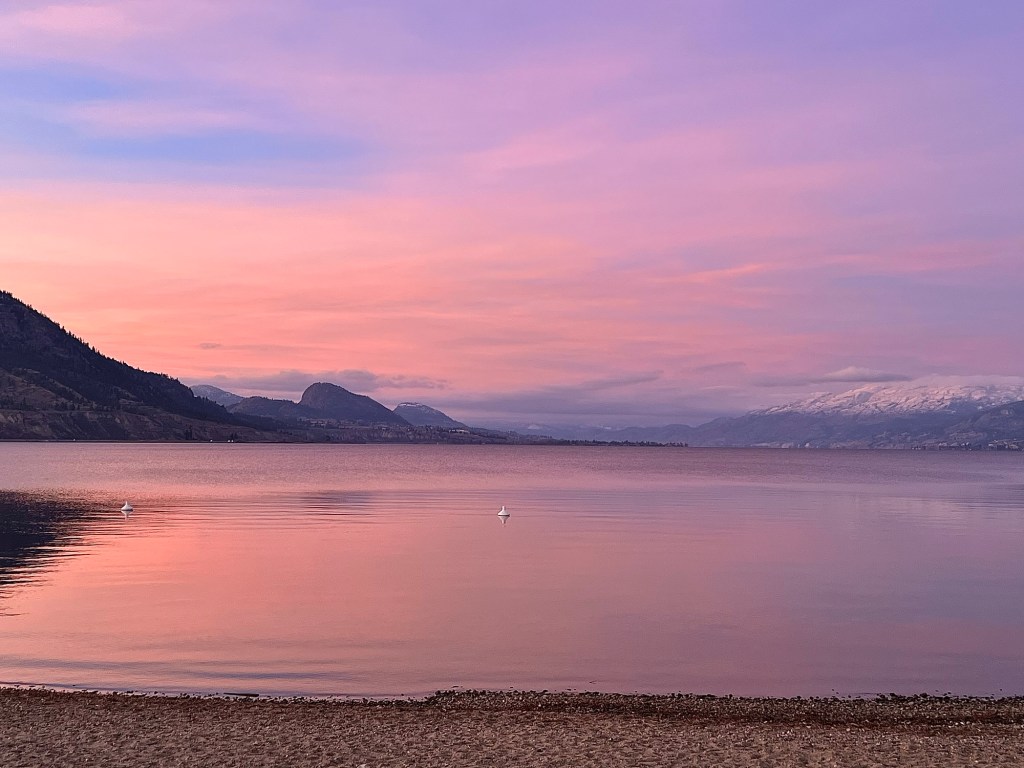
… to stay a bit dry while getting some exercise. A bonus was the slight glow from the setting sun …
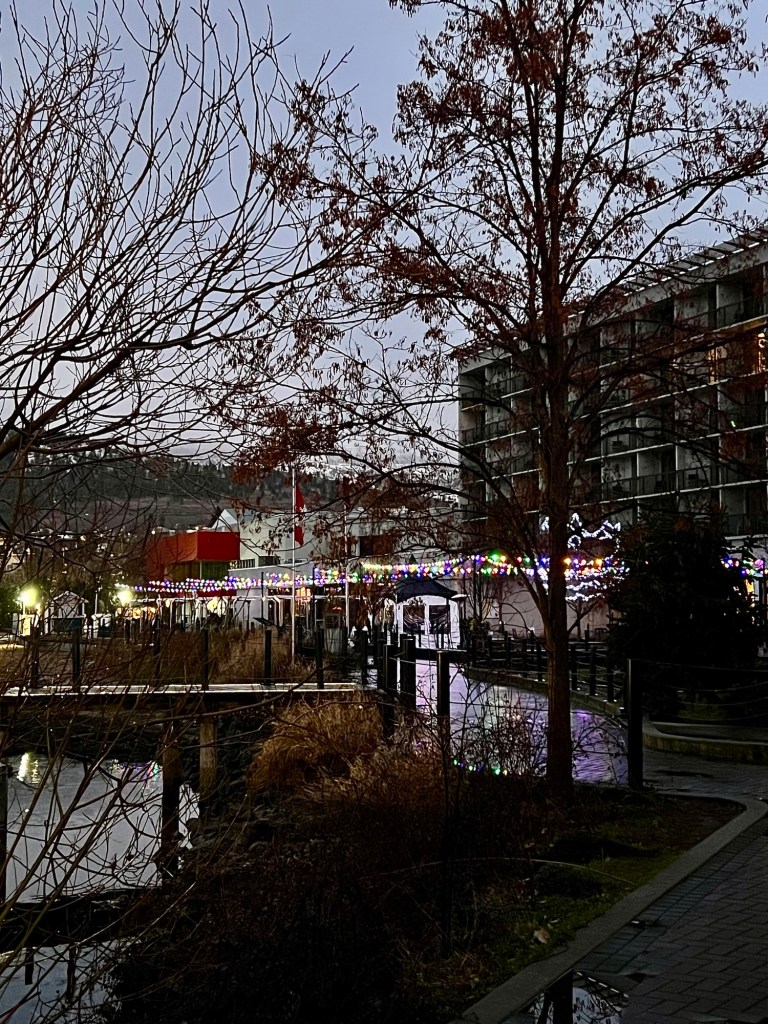
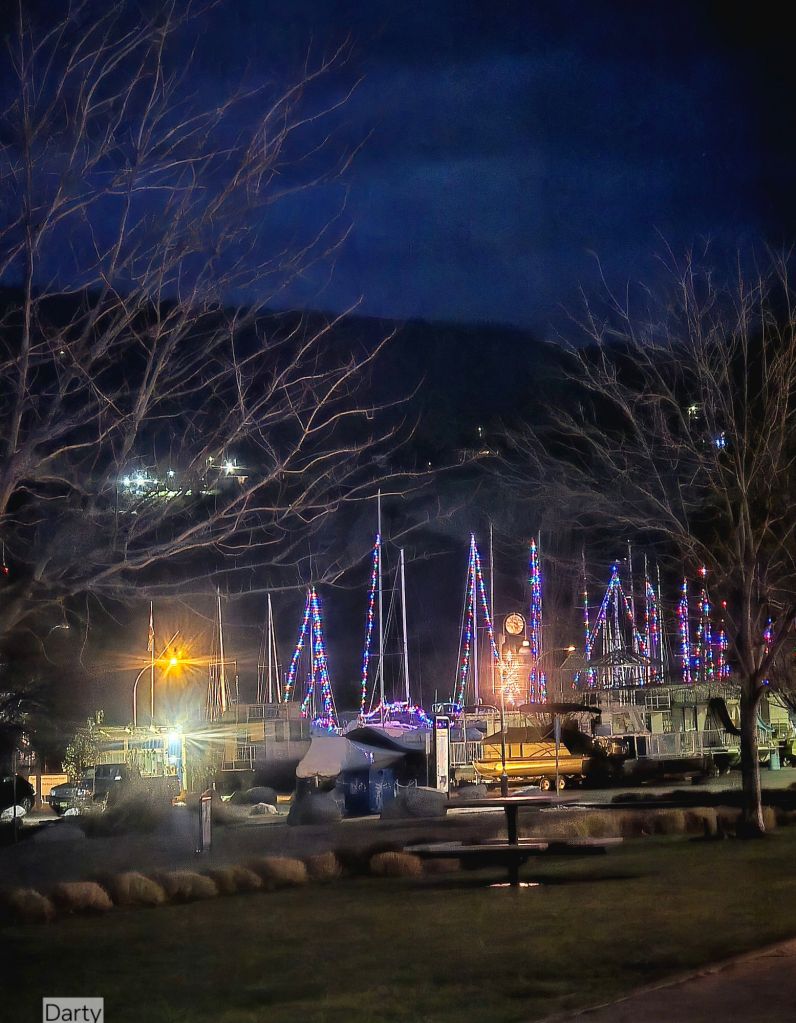
… while another bonus were these seasonal lights decorating a patio near one of our favourite restaurants.
To say that we have had a lot of rain this month would be something of an understatement, but at least we didn’t get the flooding that much of the coast unfortunately experienced. And aside from that, it also had its moments.
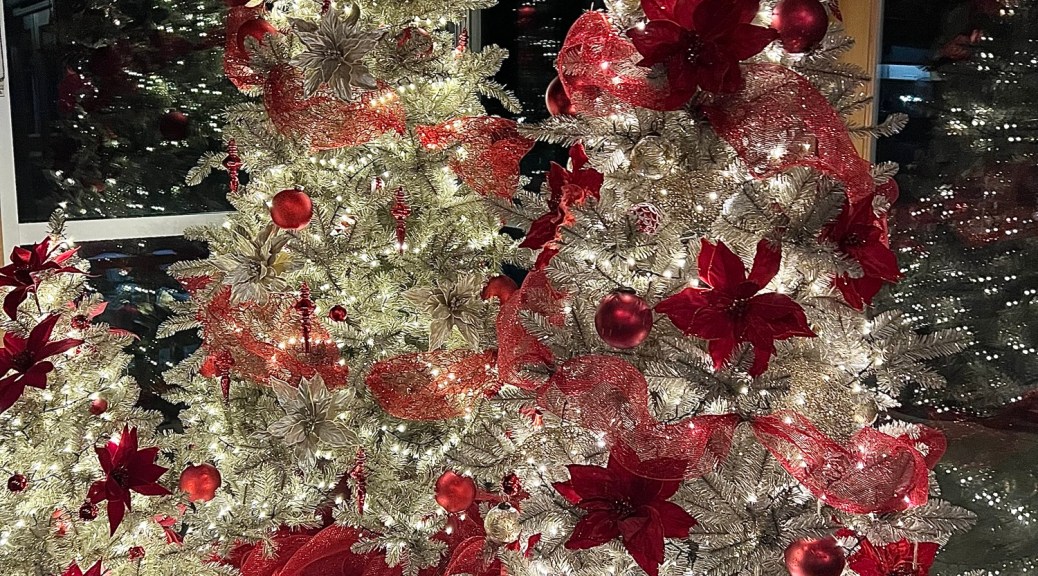
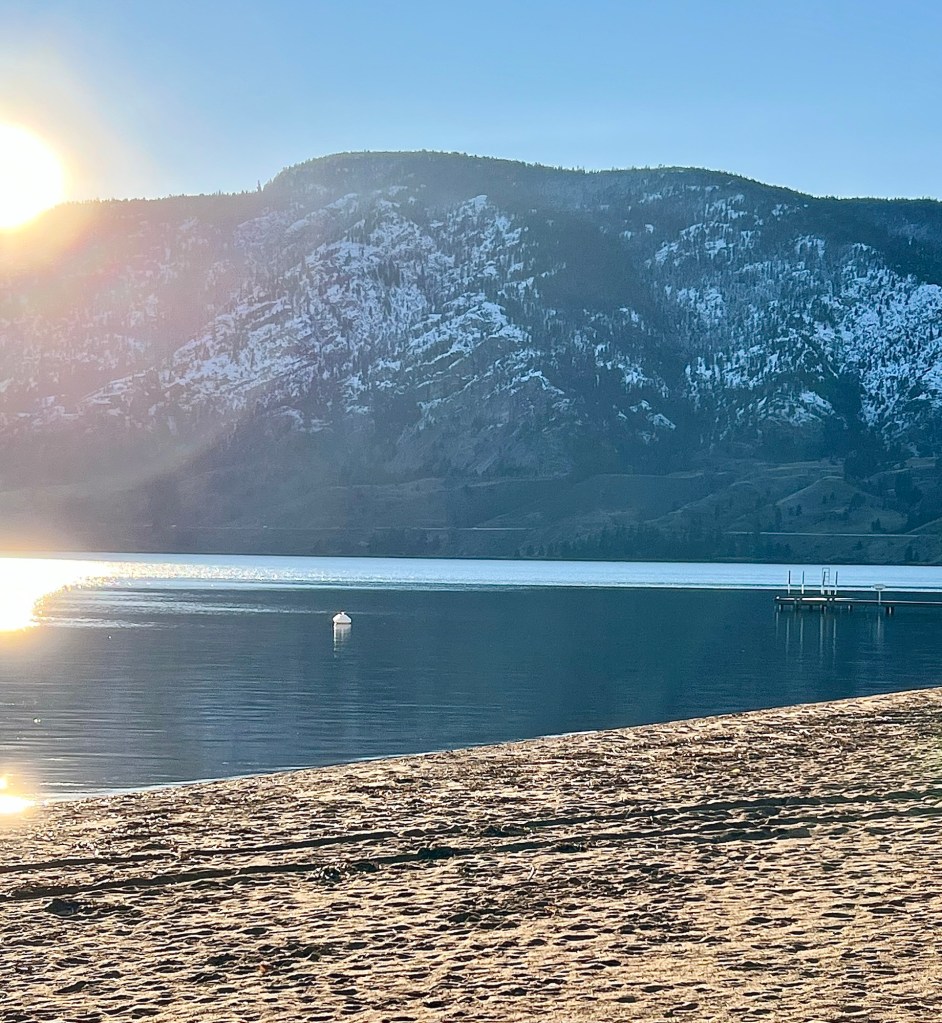
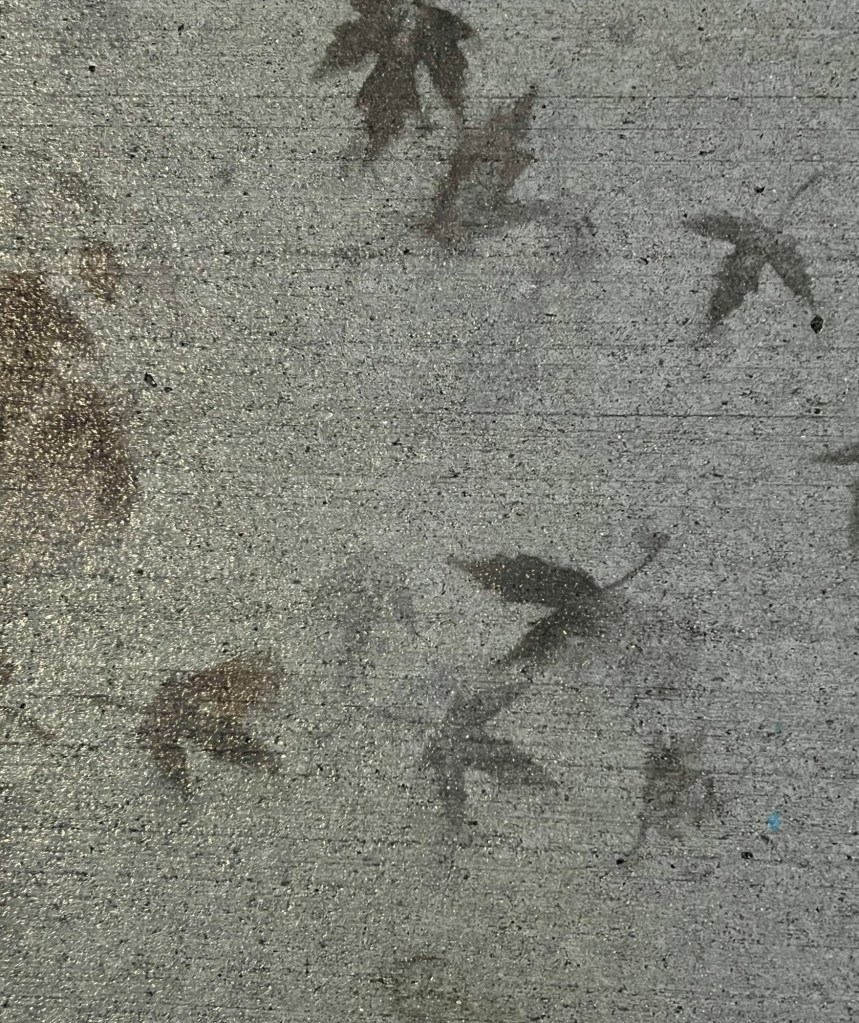
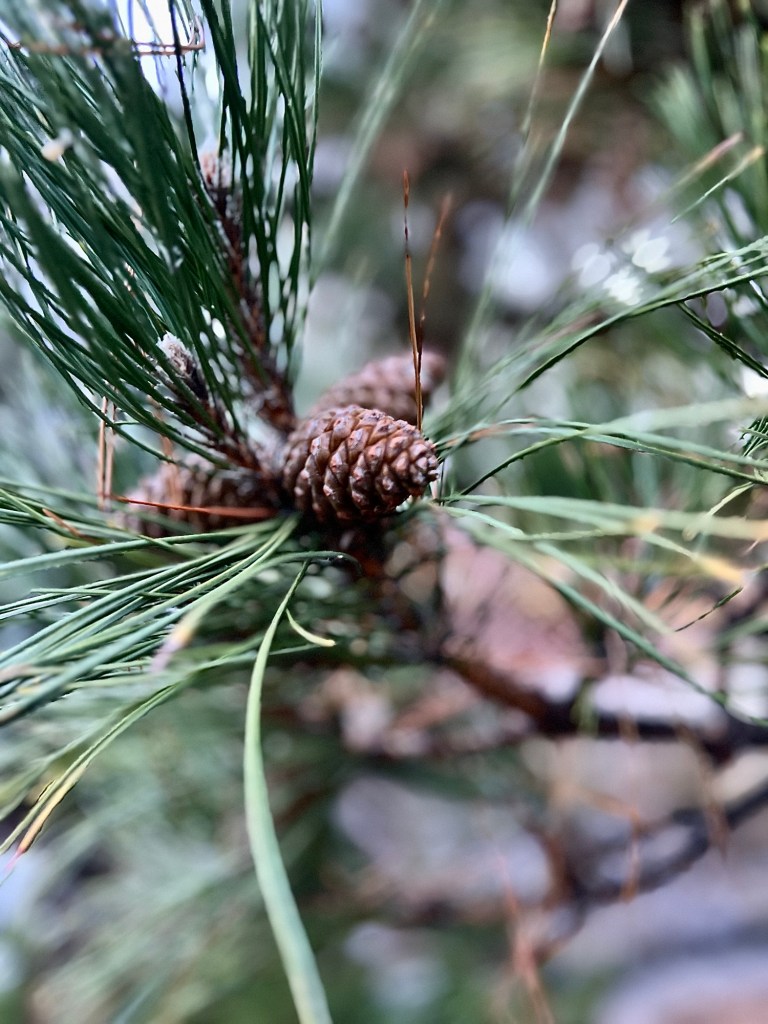
A sunny, early December Skaha Lake.A napping duck.Leaf imprints. The rain relented for a bit.You don’t need a rubber duckie for this bath tub!Pine cones. I know I recently posted this picture but it’s lovely … and rainless!We didn’t get a lot of sun but enjoyed what came our way.Season’s Greetings.
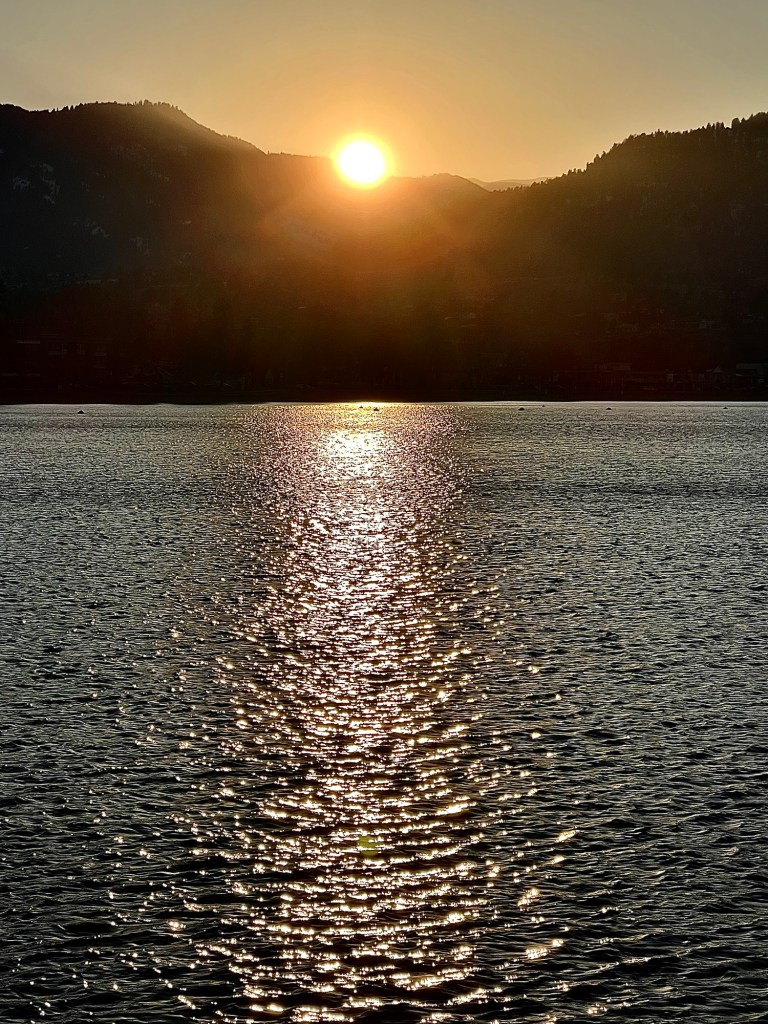
In keeping with today’s theme, here’s a gorgeous sunset photo from Jude at Cornwall in Colours. To see more of Jude’s beautiful photography, please click the link above.
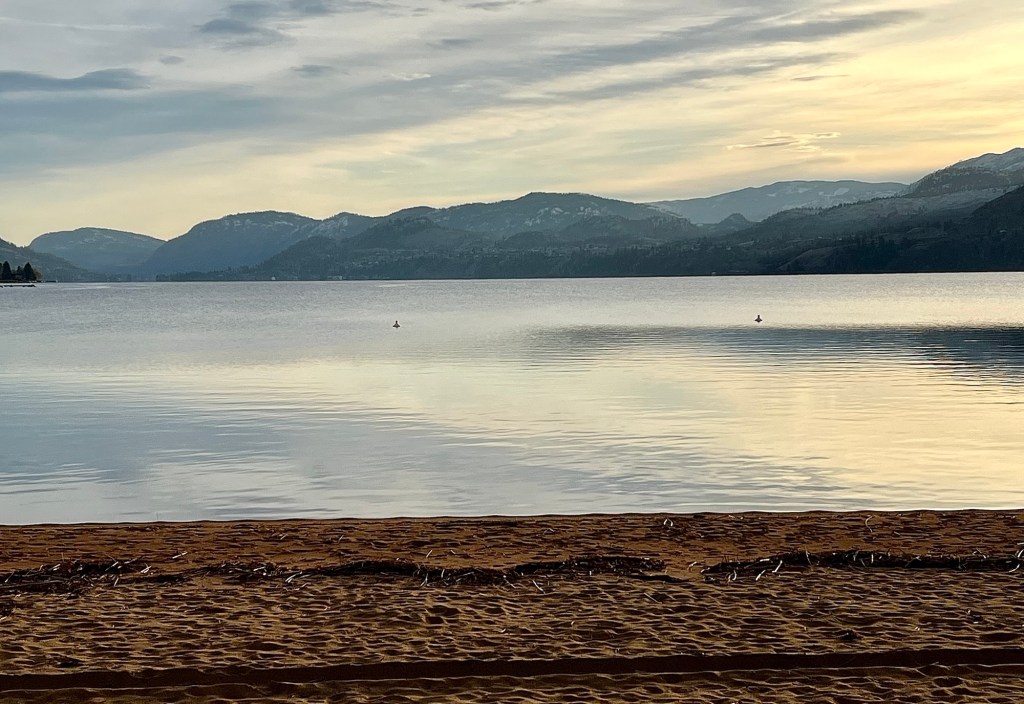
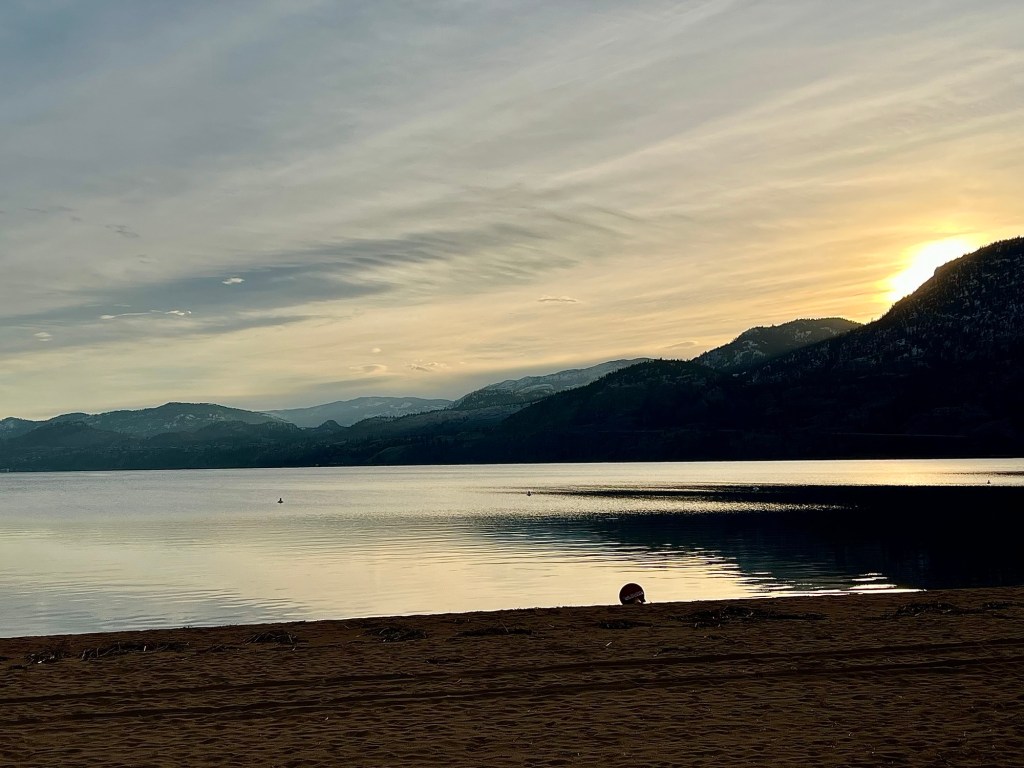
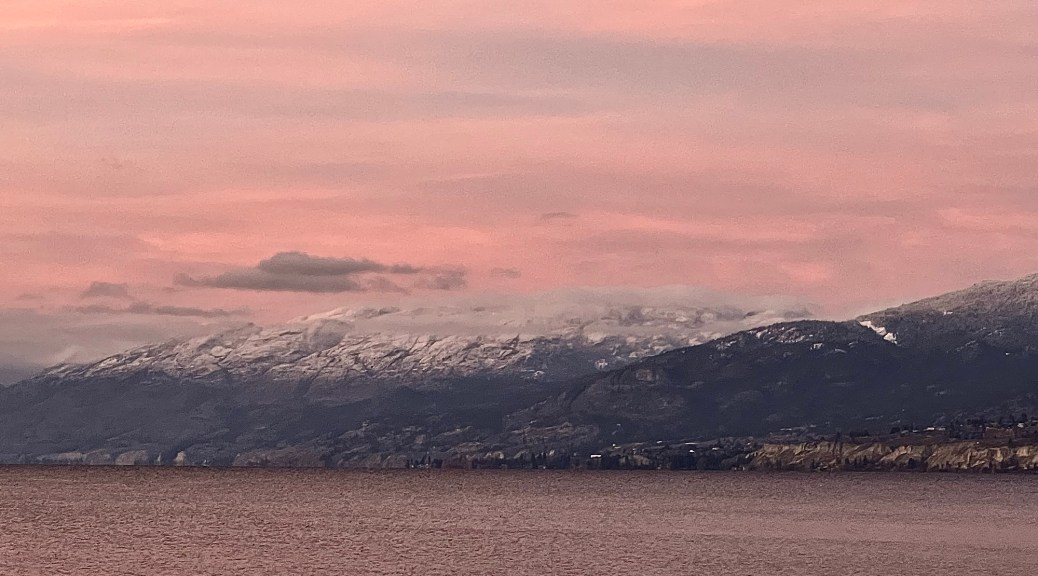
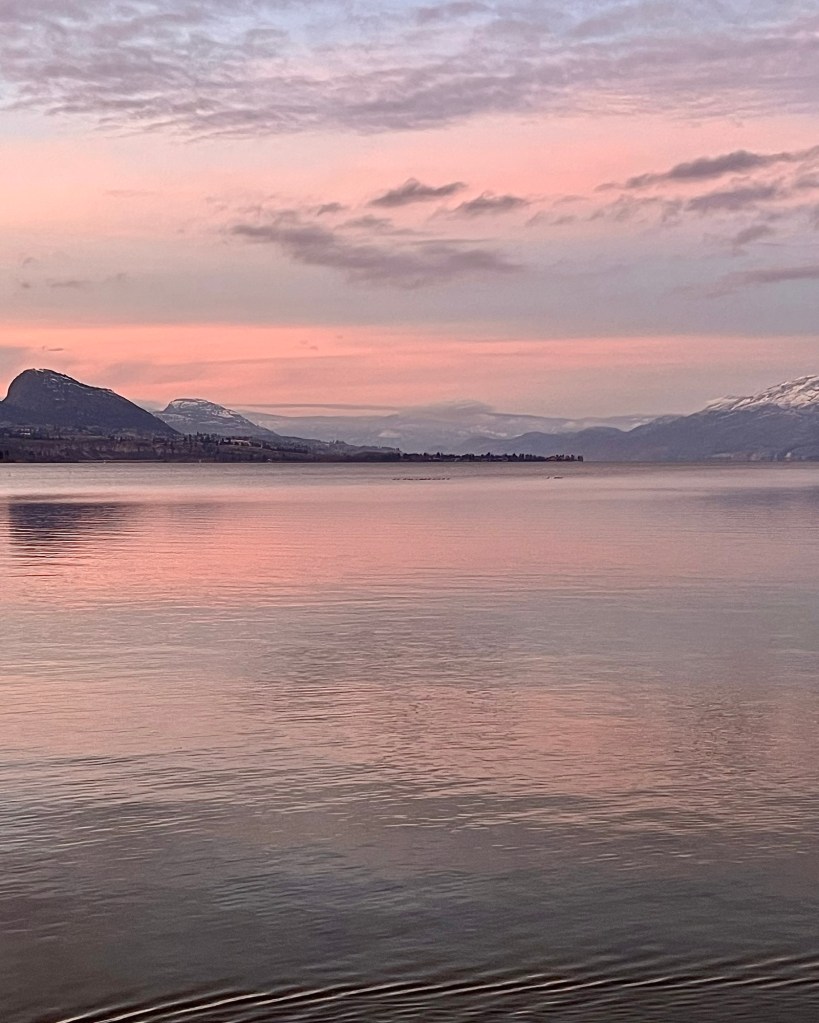
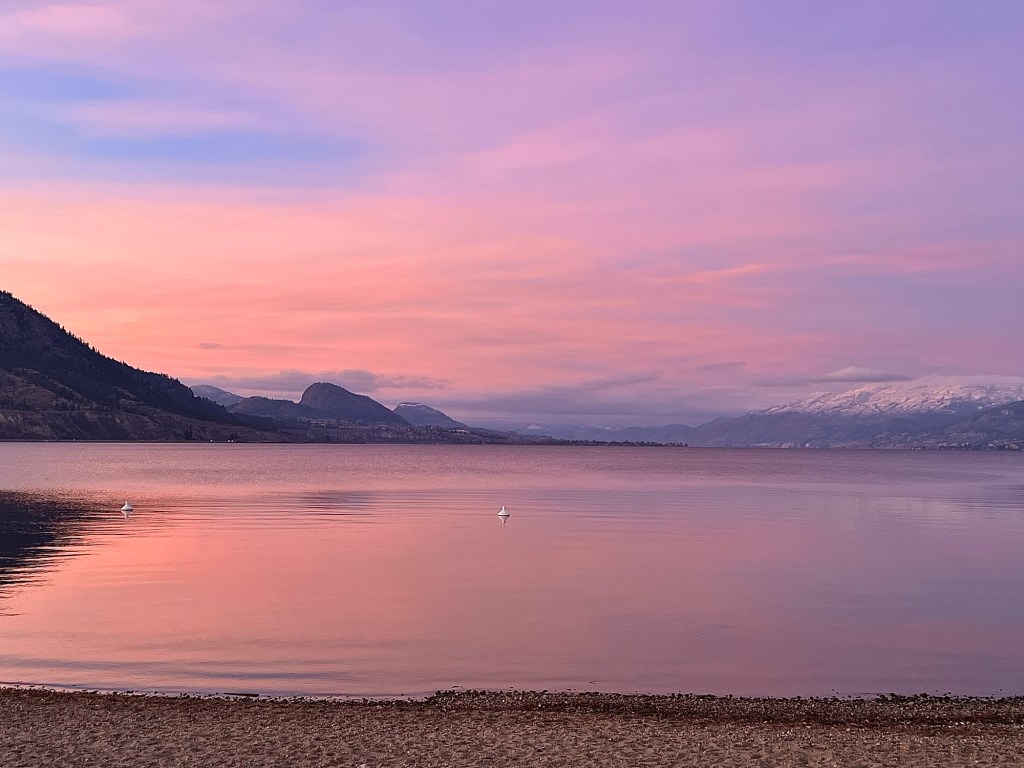
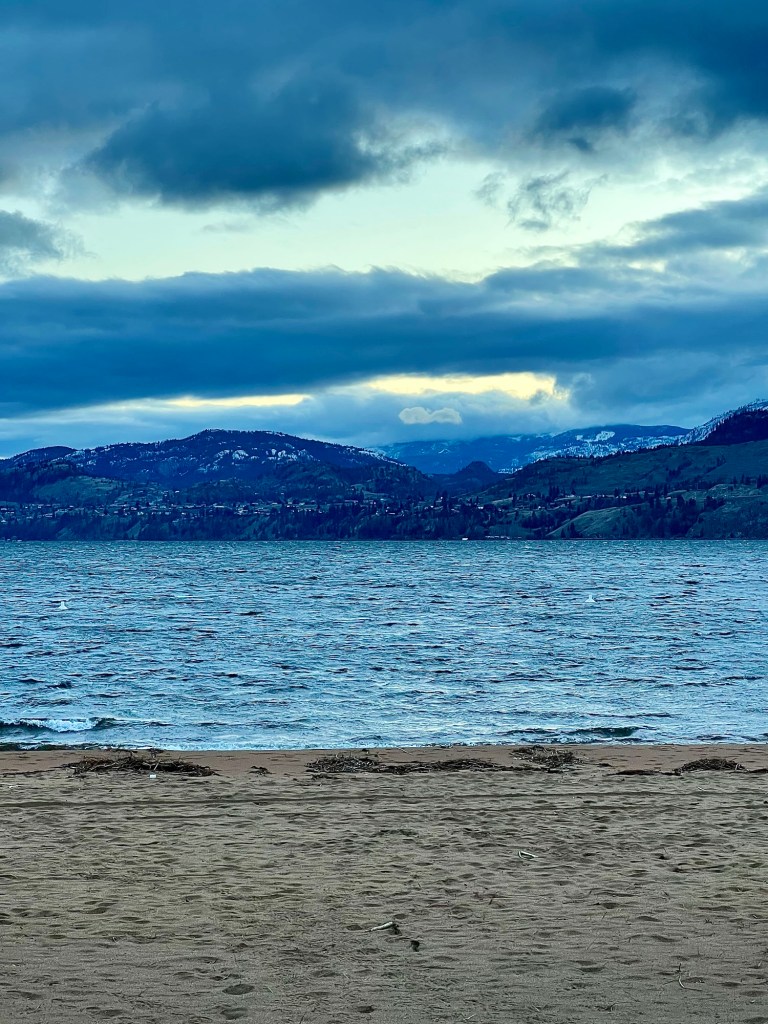
As I’ve noted here before, Penticton is situated between two lakes – one at the south end and the other at the north – and is one of only two communities in the world that is so established. The other is Interlaken, Switzerland. For a change of pace I recently decided to take a walk along Skaha which is at the south end.
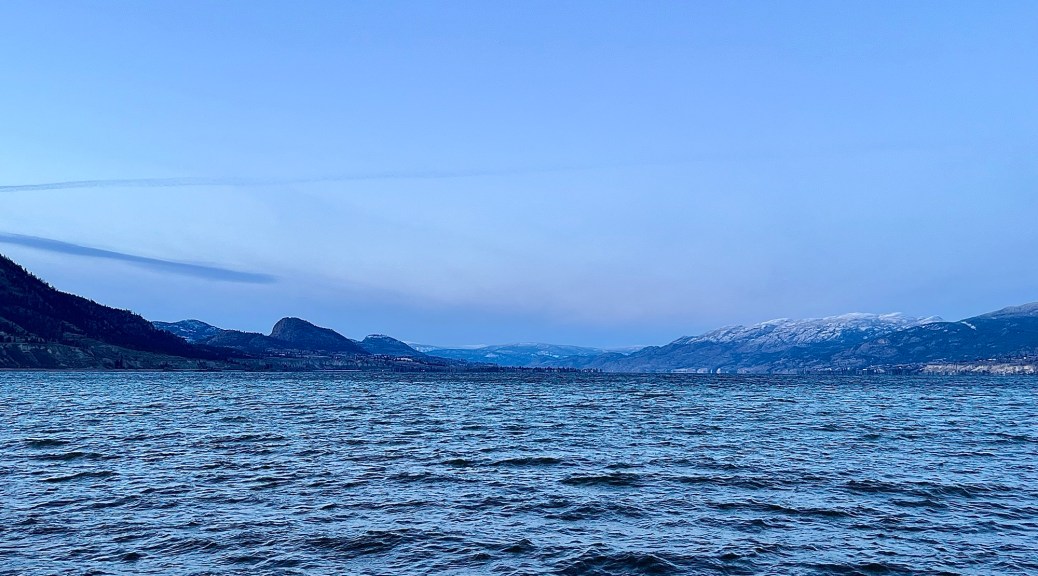
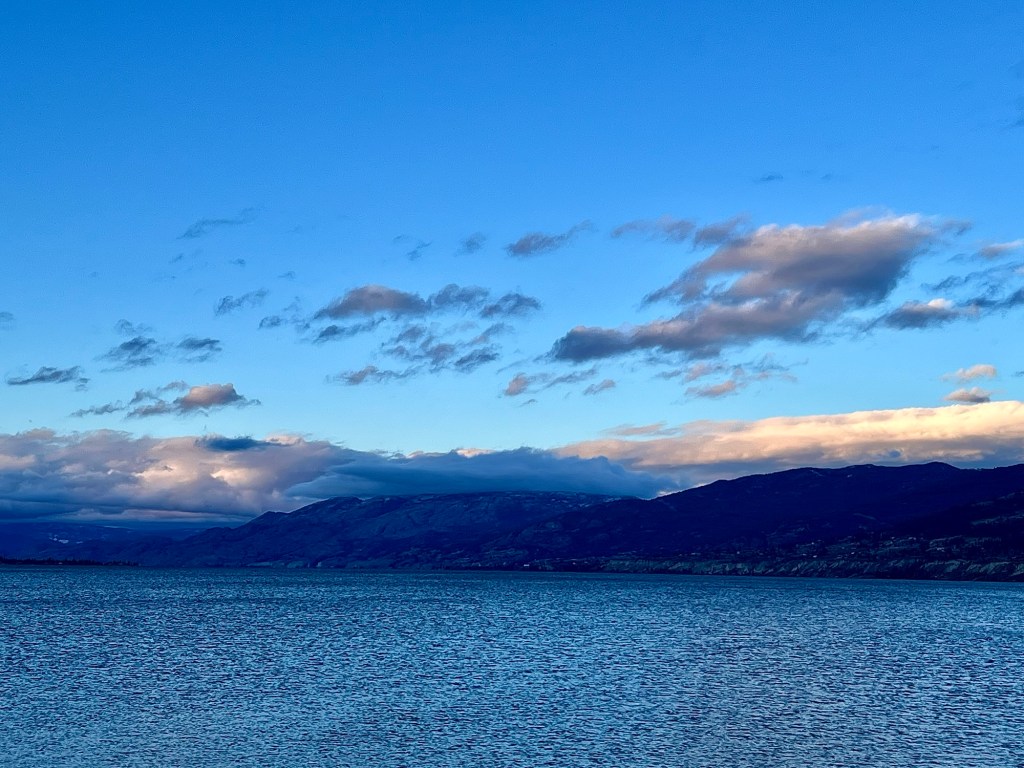
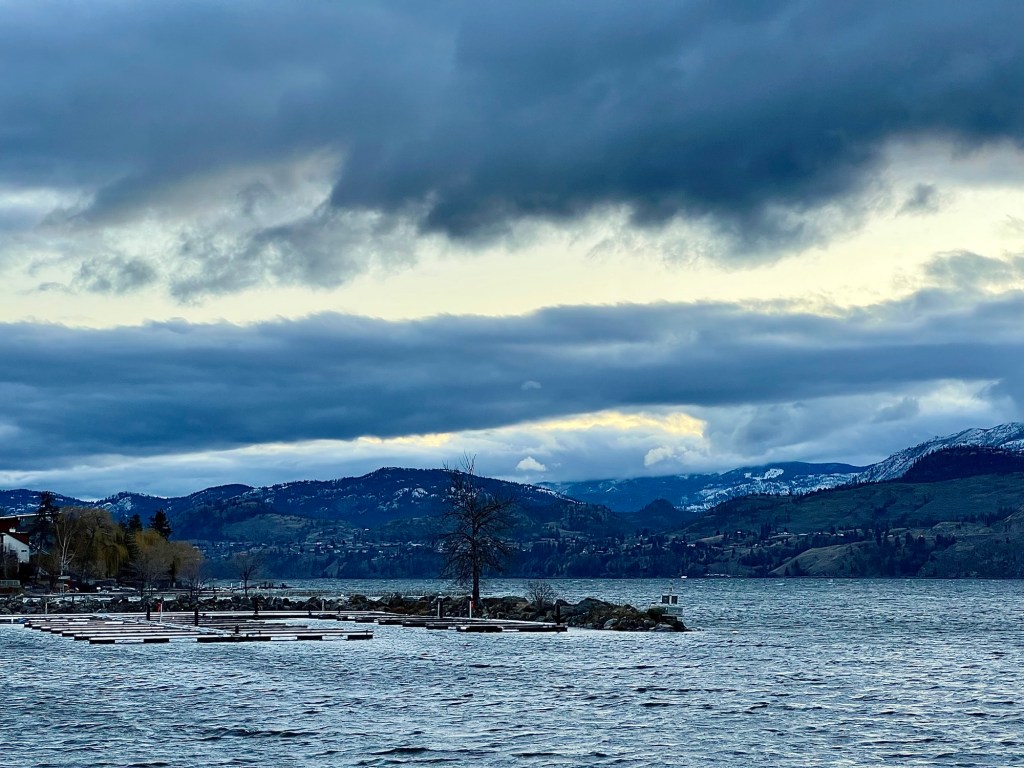
There was some serious wind coming out of the south causing choppy waters and lots of scudding cloud …
No swimming today!
… but then I realised that we now officially have winter!
The solstice doesn’t just mean that we’re headed in the right (springy!) direction again, it also means that we first have to get through winter.
Skaha Lake marina awaits spring.
And then I remind myself that I’m no longer in Yellowknife where today’s high will be -31C (-24F). I don’t have to wear a parka, shovel snow, slog through snow banks, walk to work in the dark, dark, dark of winter or defrost my eyelashes when I step inside. We have about four to eight more weeks of very mild winter before we will again begin to see the first signs of spring, so what is there to complain about?














 In the Net! - Pictures and Stories of Life