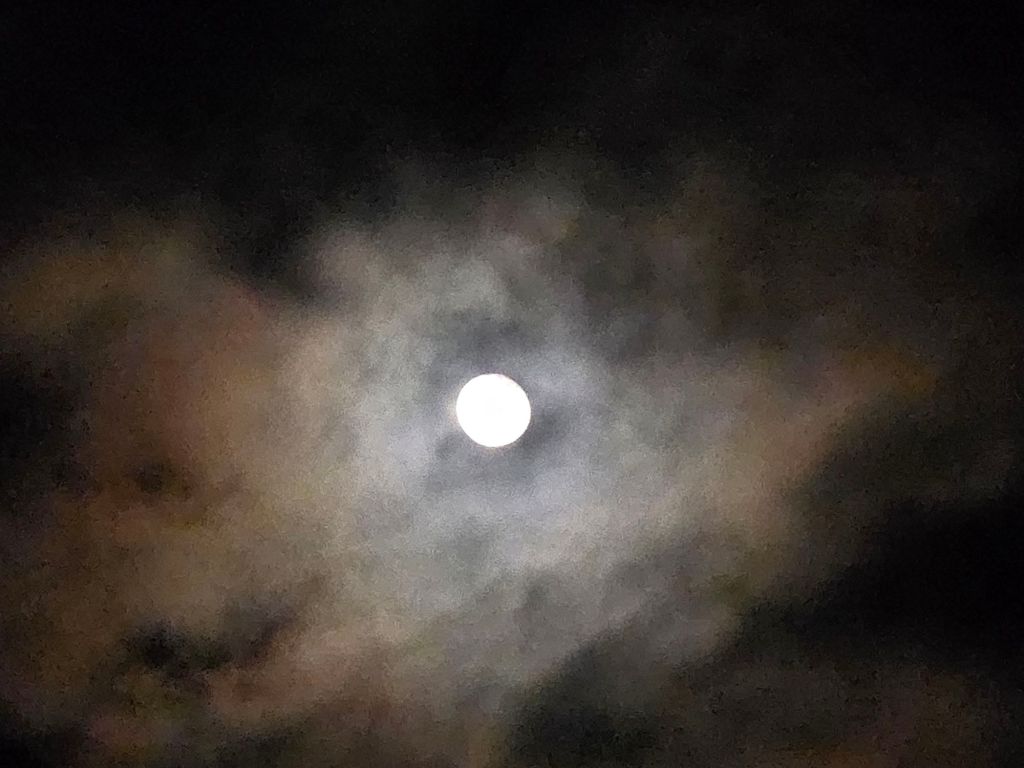
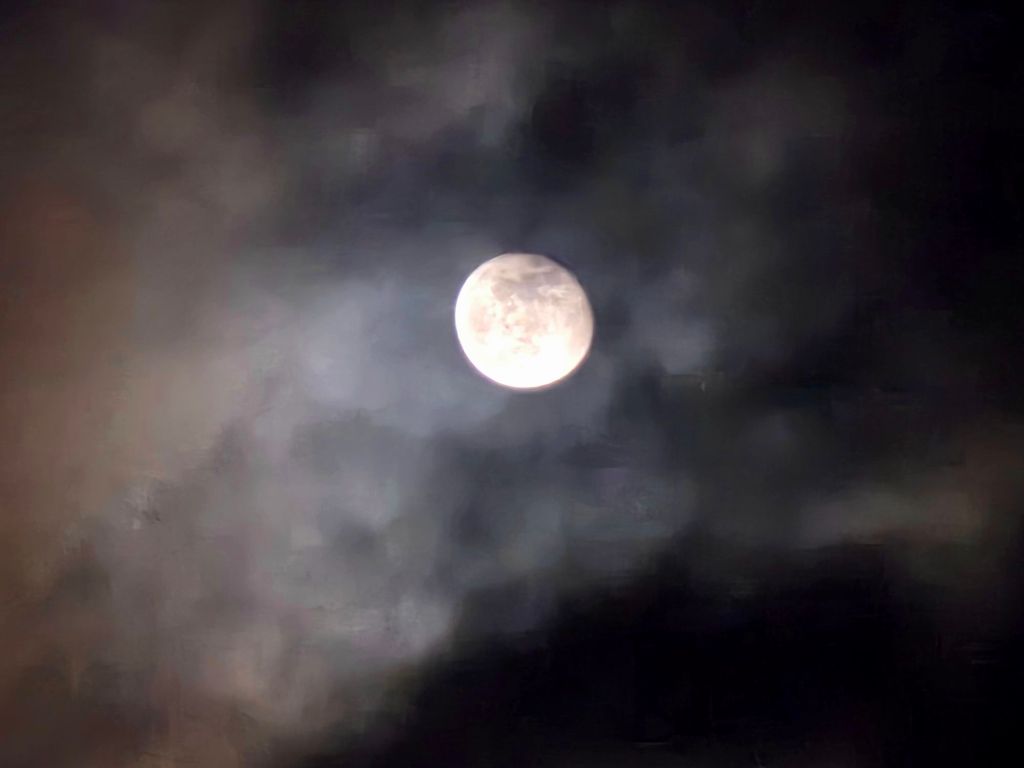
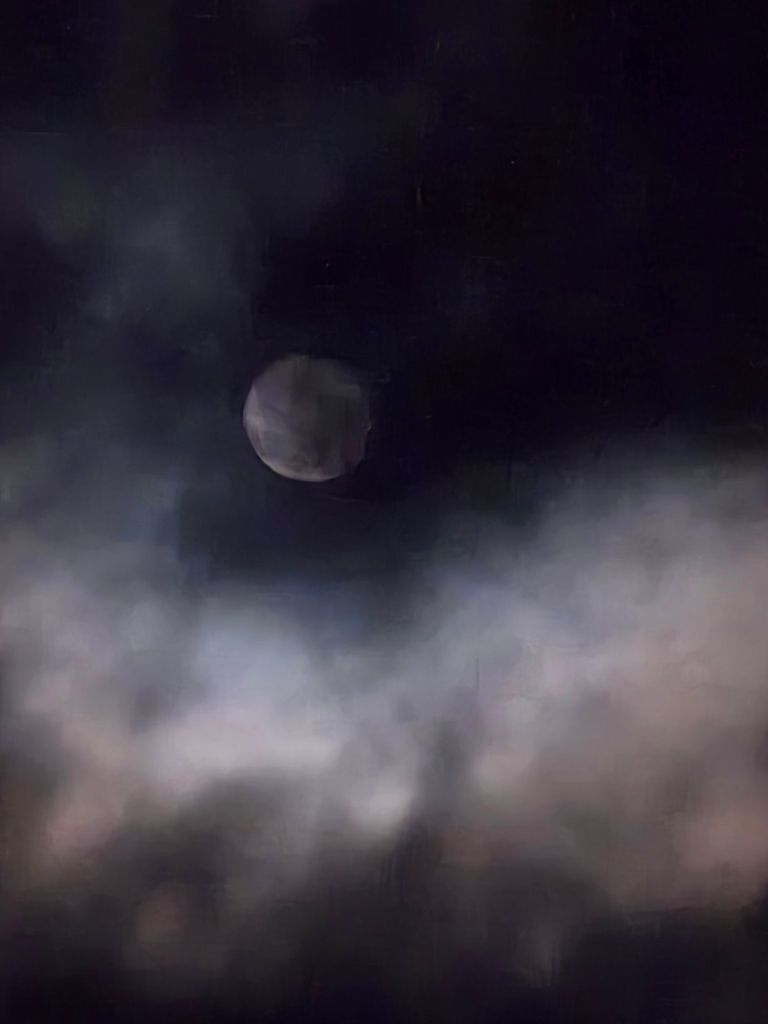
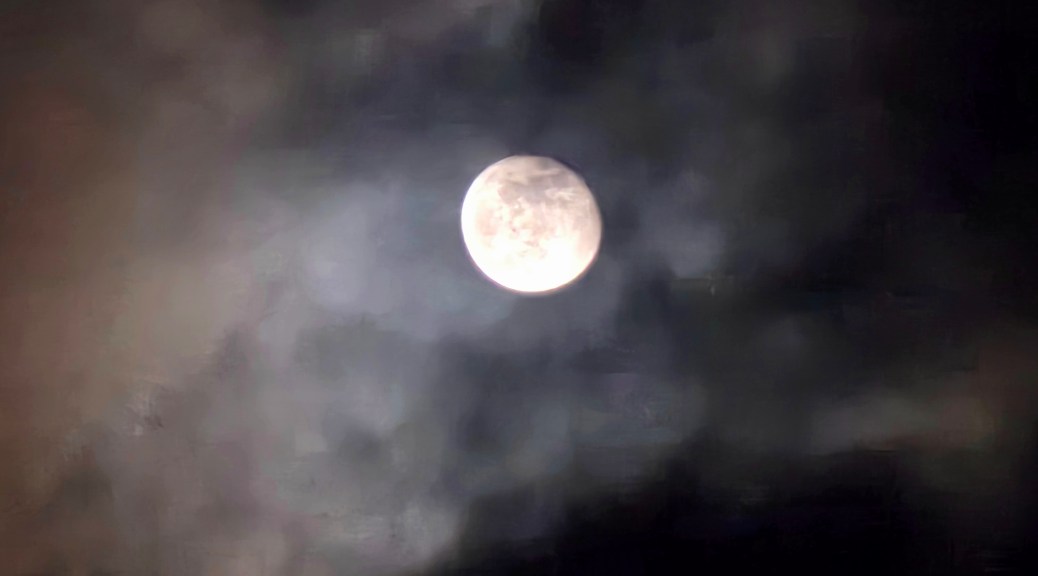
The recent wolf moon briefly became visible through the clouds and I was able to capture these images. They’re not the best since I was scrambling around to get pictures before the clouds covered it again but they will do.
This moon was classified as a supermoon since to the casual observer it appeared to be full on both the night before and after its peak. Additionally, supermoons are also so-called because the moon is at its closest point to the earth, making it appear extra-bright.
The wolf moon earned its name because wolves don’t hibernate and in ancient times their howling would have been especially noticeable. Images of wolves howling at the moon are iconic, especially of the north.
There will be two other supermoons this year on November 24 and December 24.
The prognosticators said that we would be getting several days of freezing rain, but so far our temperatures have risen to 6C (43F) and there hasn’t been any rain, freezing or otherwise.
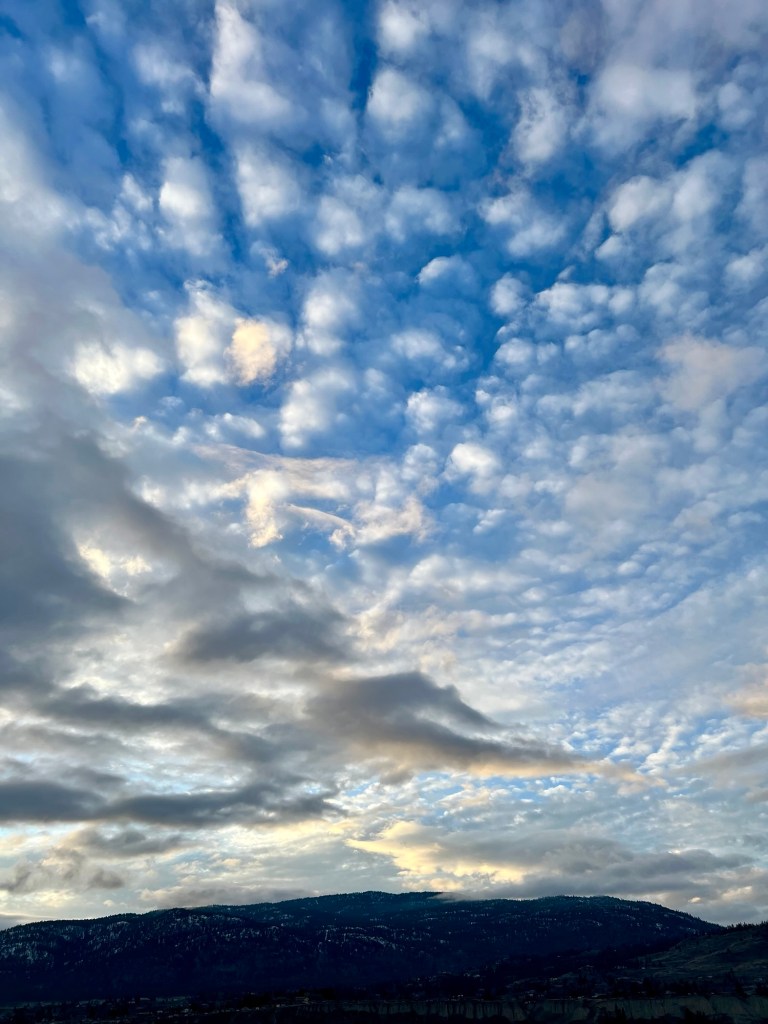
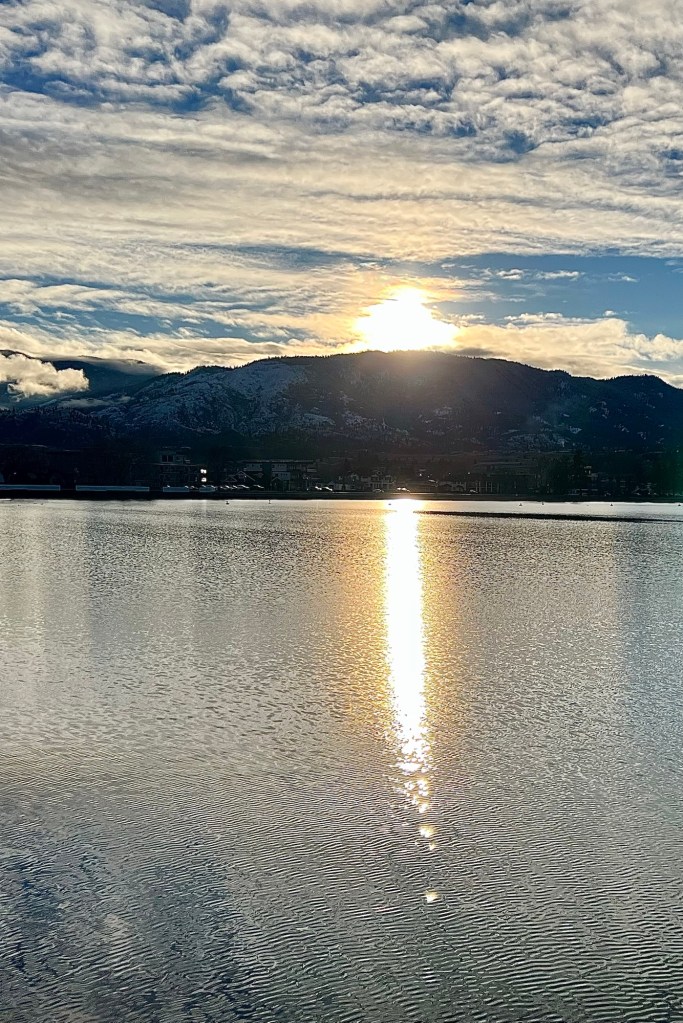
It has been a much different story in the mountains and particularly through the mountain passes, but here we have still been getting a bit of sunny brightness …
… which has been a very nice thing.
The snow in the mountains brings lots of happiness to skiers and skaters and down here, well, we get to avoid snowploughs and icy roads!
Many of us have been enjoying the seasonal lighting that’s prevalent at this time of year, but nature has been providing some too if very much limited right now.
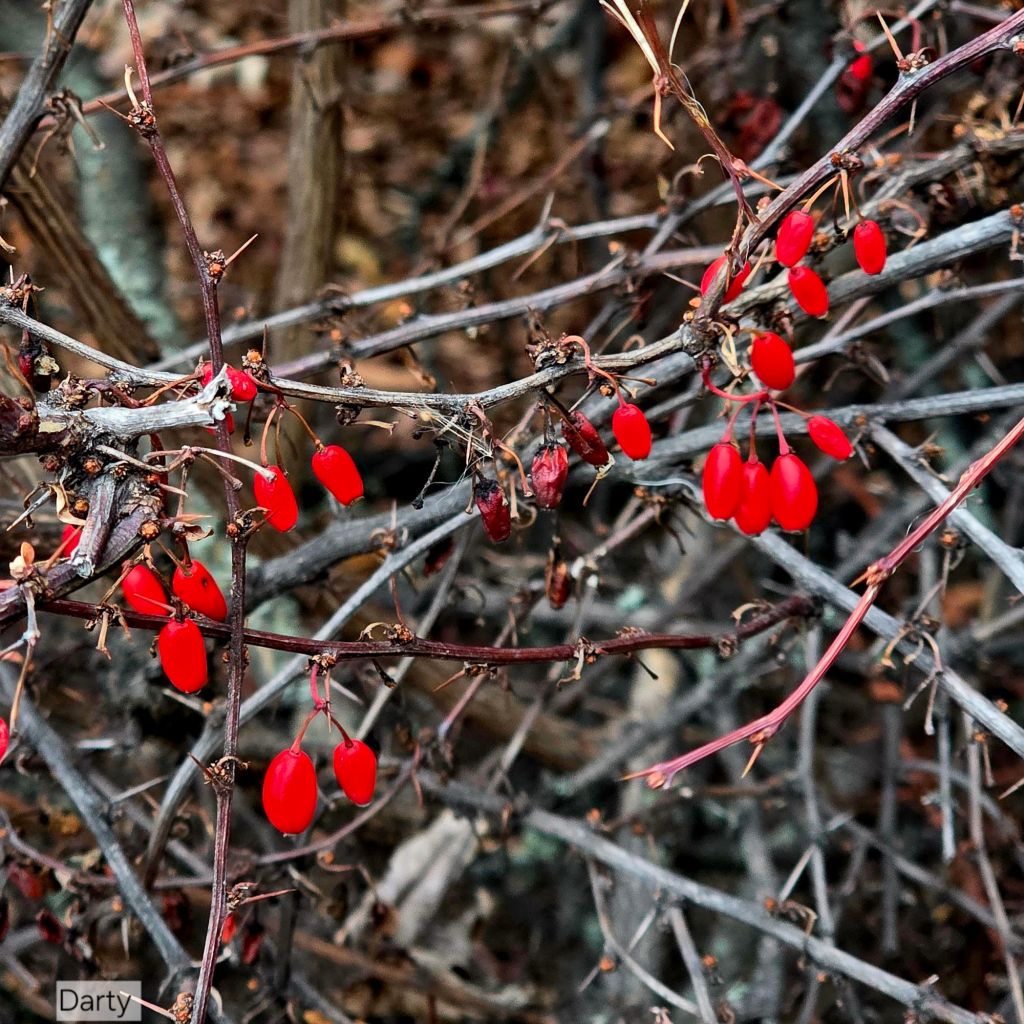
These bright red barberries are lovely to see but will be all gone by the time March rolls around. Birds will eat them but only as a last resort when all other choices have been consumed. Apparently they don’t taste too great but they do resemble fairy lights, don’t they?
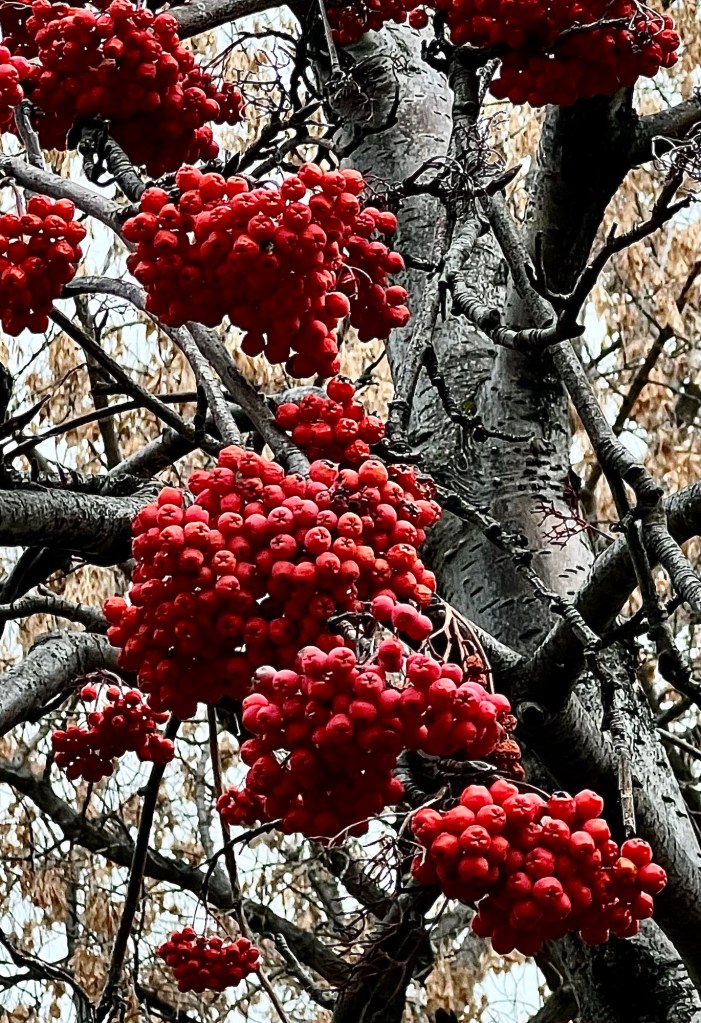
Now that January has arrived, I don’t expect these mountain ash berries to last long as they’re favoured by both birds and squirrels. In the meantime though, they are a lovely source of January colour, especially as the seasonal lights will soon be packed away again.
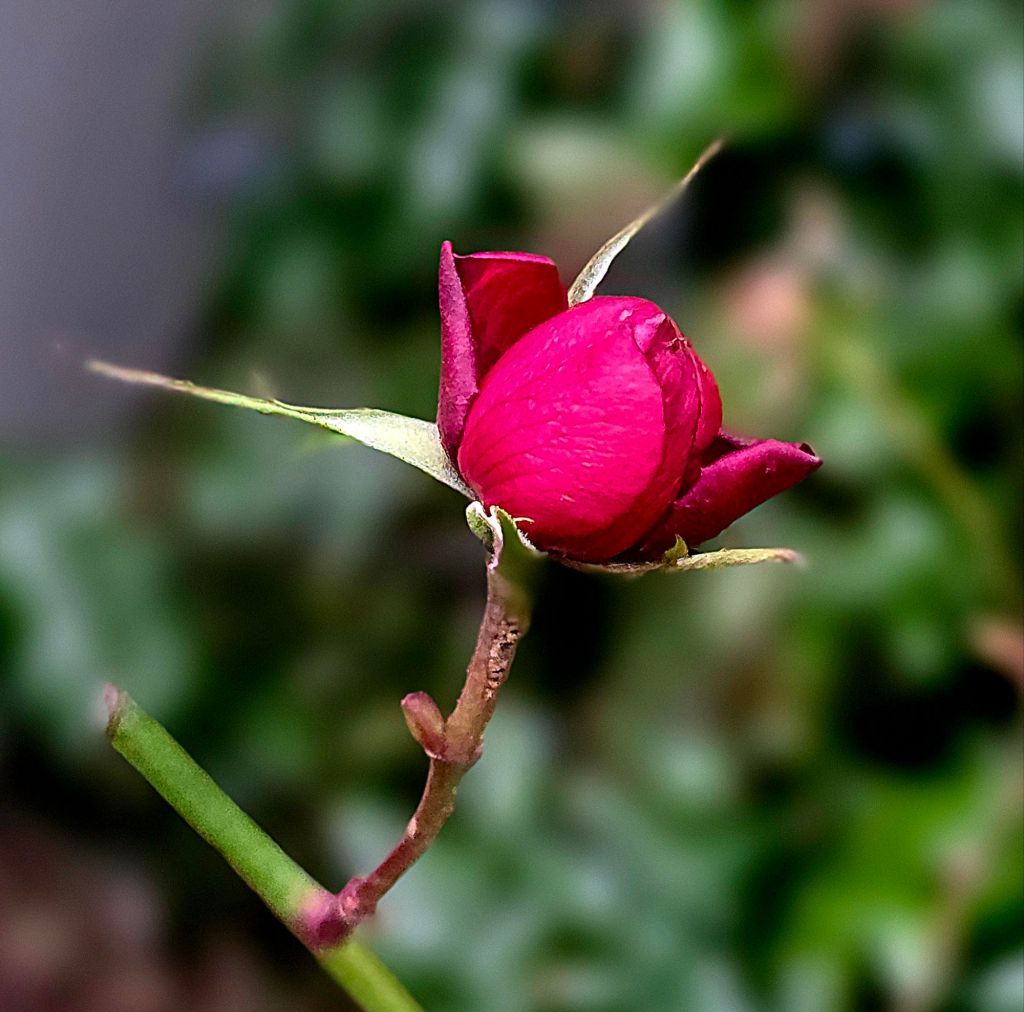
I spotted this pretty little rose growing in a beautifully protected spot; several others were also growing nearby. Winter roses – what a treat!
Brian at Bushboy’s World is running a monthly challenge where he asks you to post the last photo on your SD card.
The rules are simple: 1. Post the last photo on your SD card or last photo on your phone for December. 2. No editing – who cares if it is out of focus, not framed as you would like or the subject matter didn’t cooperate. 3. You don’t have to have any explanations, just the photo will do 4. Create a Pingback to this post or link in the comments 5. Tag “The Last Photo.”
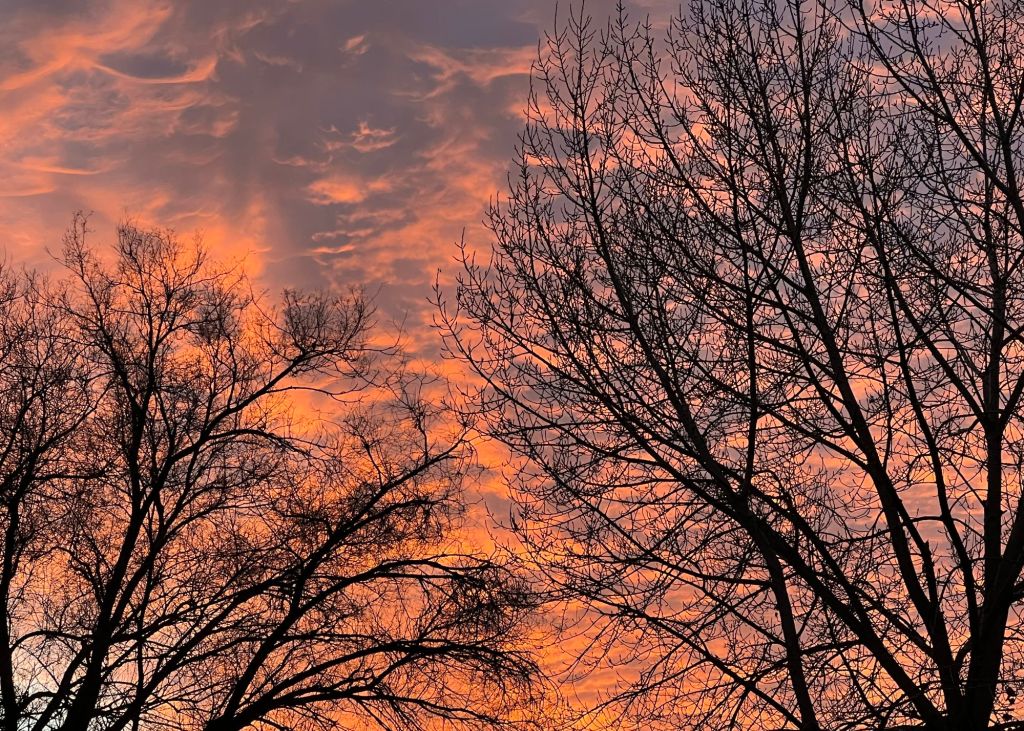
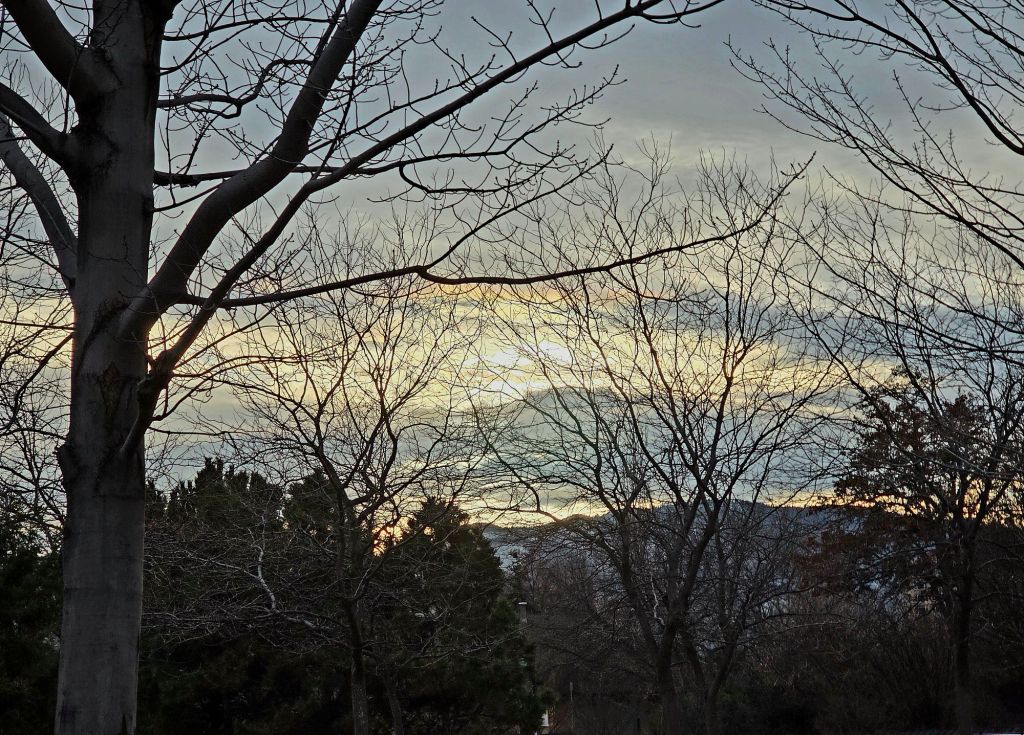
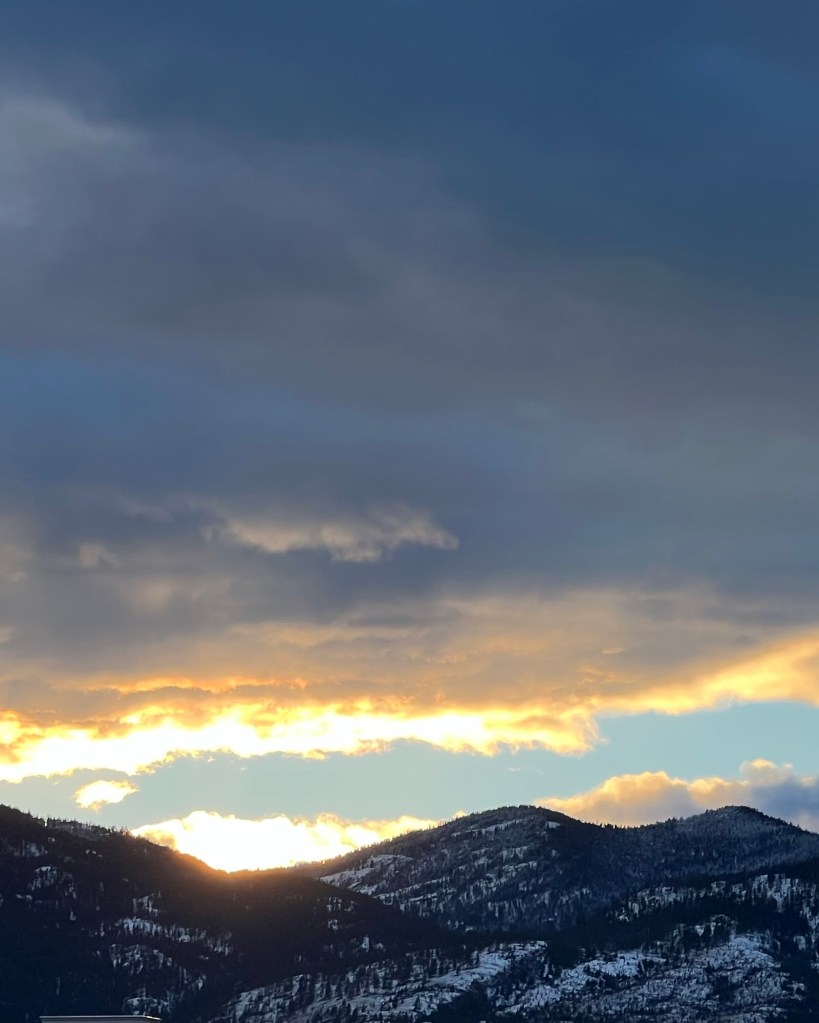
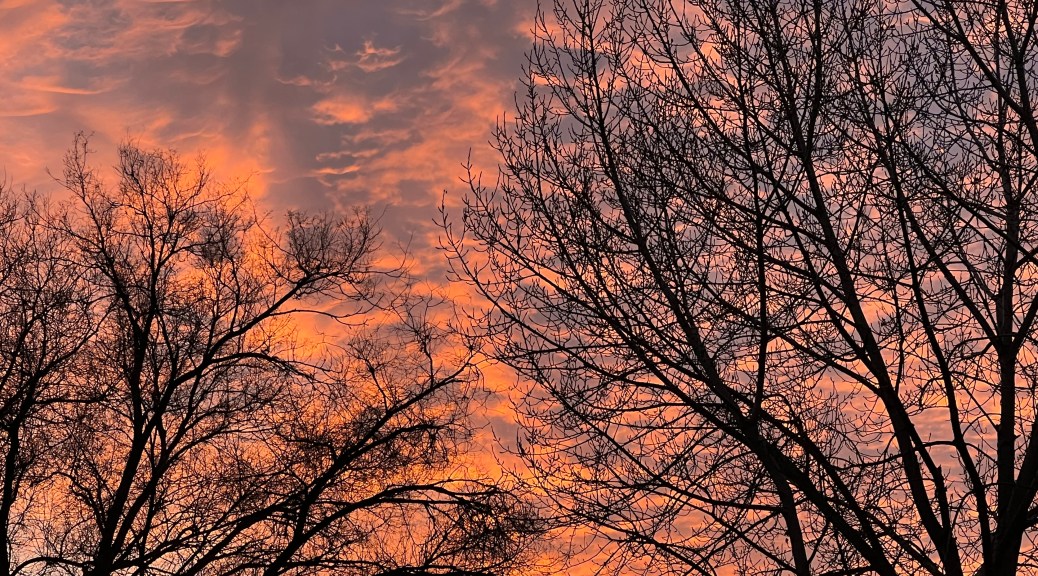
I haven’t joined this challenge before but thought it would be fun. So herewith is my last photo of 2025, completely unedited, a fiery red sunset that is illuminating some wispy clouds through the bare winter branches.
If you’re a shutterbug I hope you join in. Thanks to Jude at Cornwall in Colours who brought this challenge to my attention.
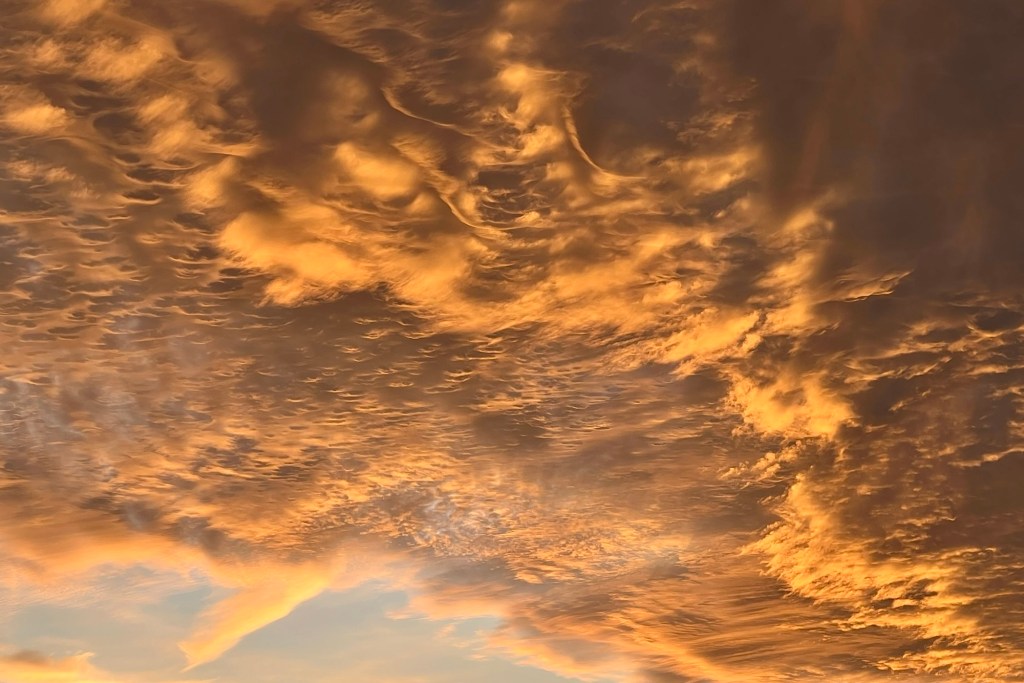
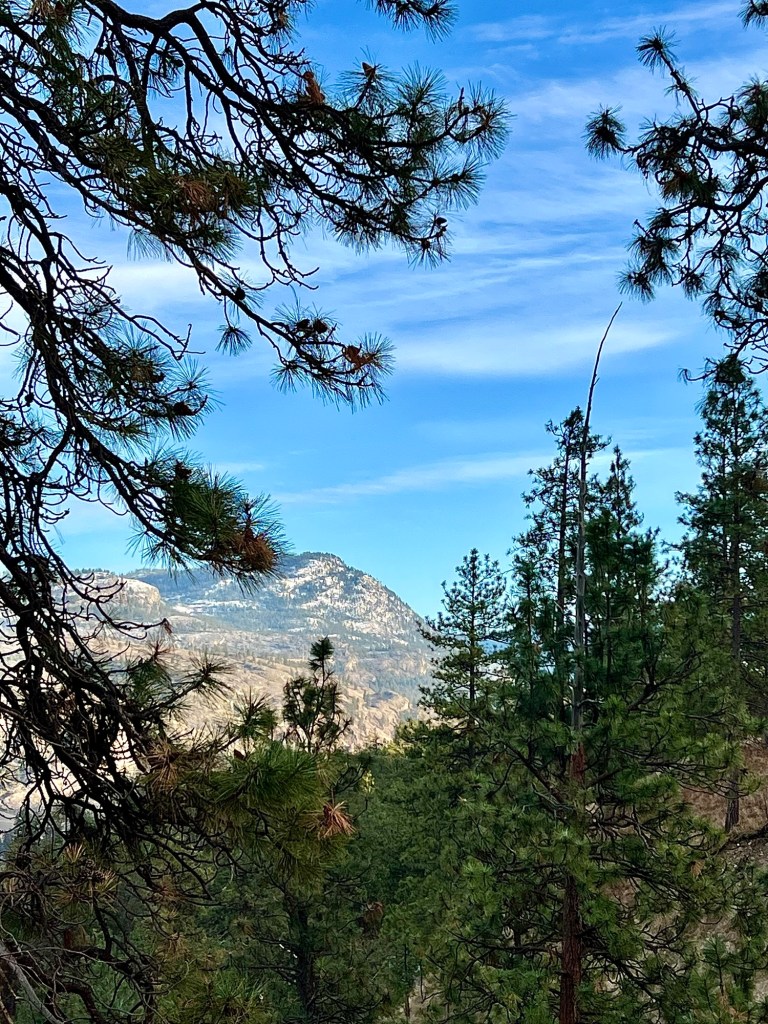
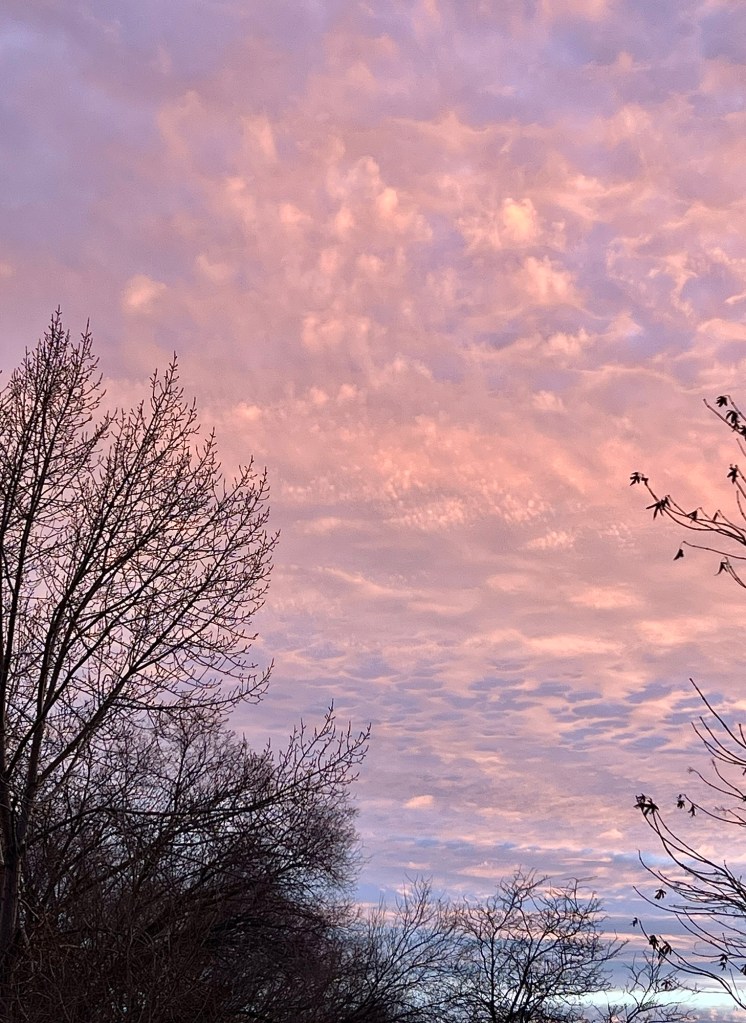
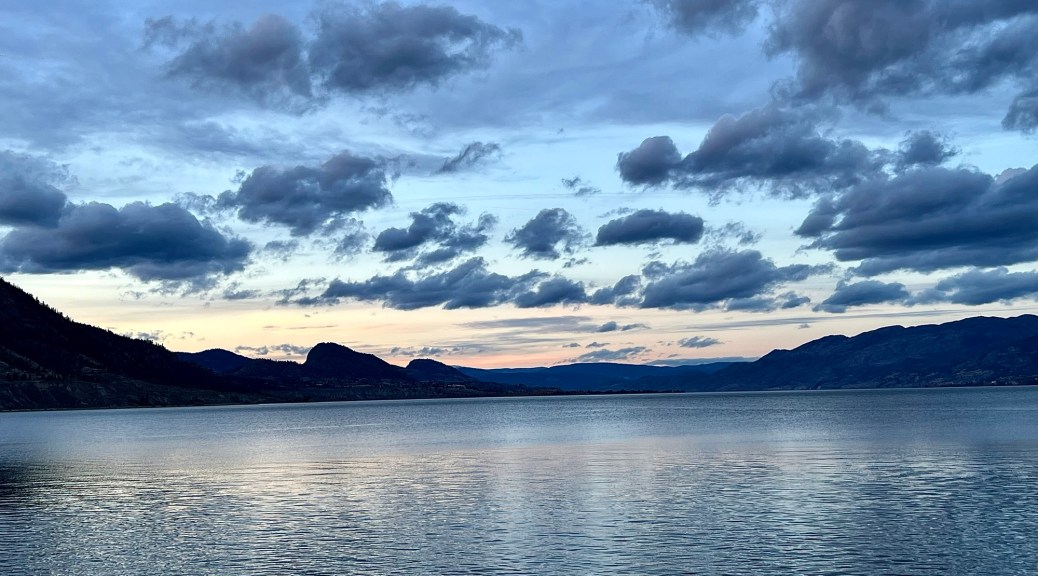
From a New Year’s Eve hike in the mountains well below the snow line. And, a beautifully pink New Year’s Eve sunset. A prognostication for 2026? I hope so.
It’s New Year’s Eve again and almost the end of 2025. In this country, it was definitely tumultuous, particularly on the political end, but there was some good stuff, too.
I was never much interested in big parties for December 31 and over the years have attended enough of them that I feel I don’t really have to any more.
A small group or even a good meal for two is more my speed.
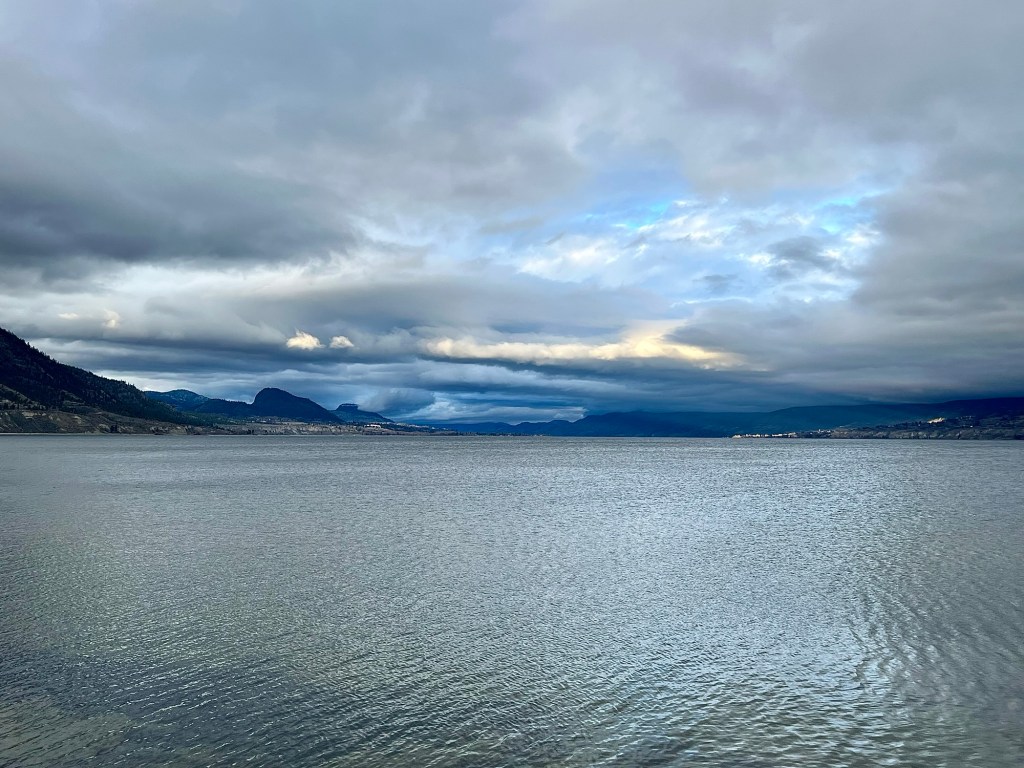
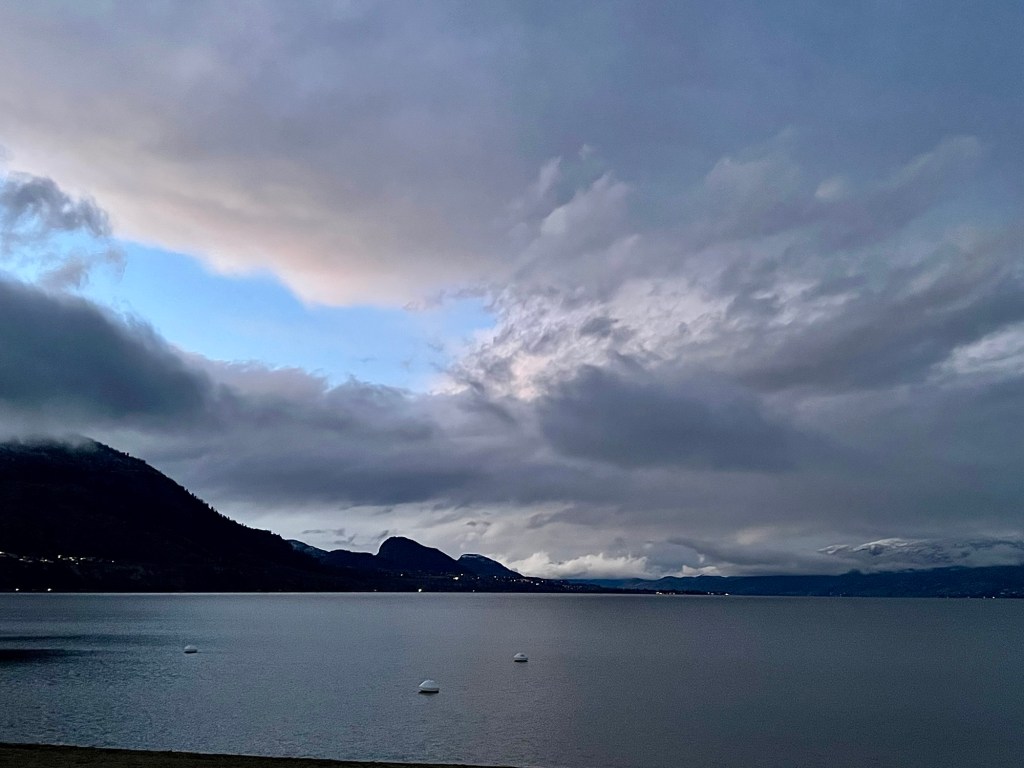
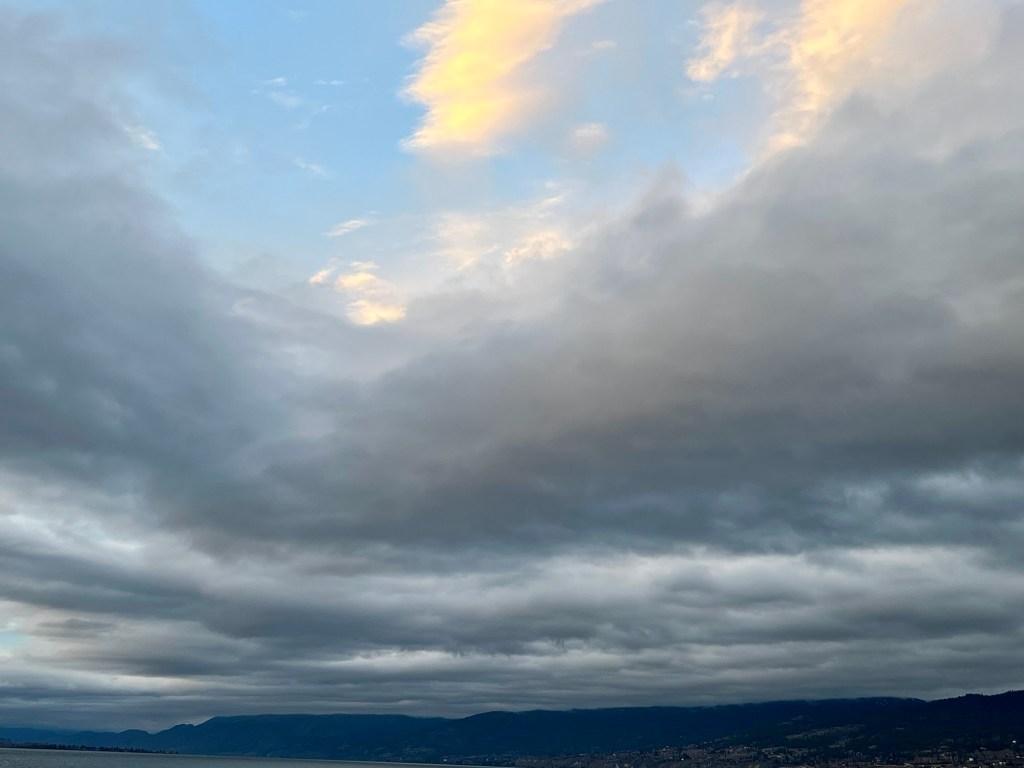
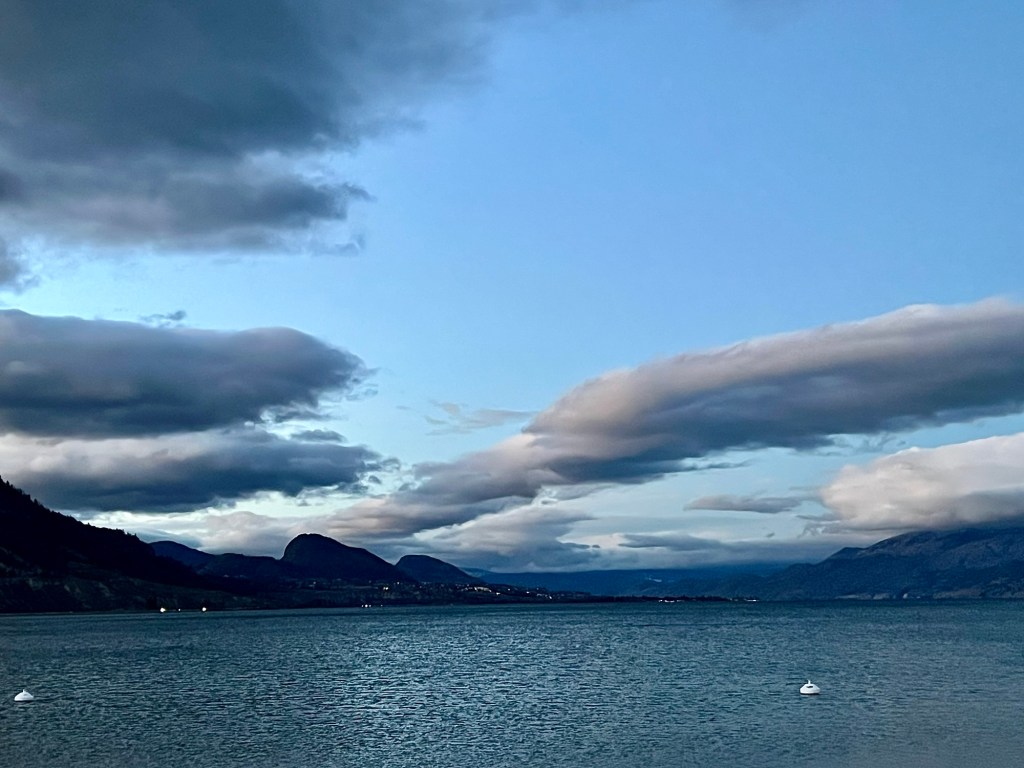
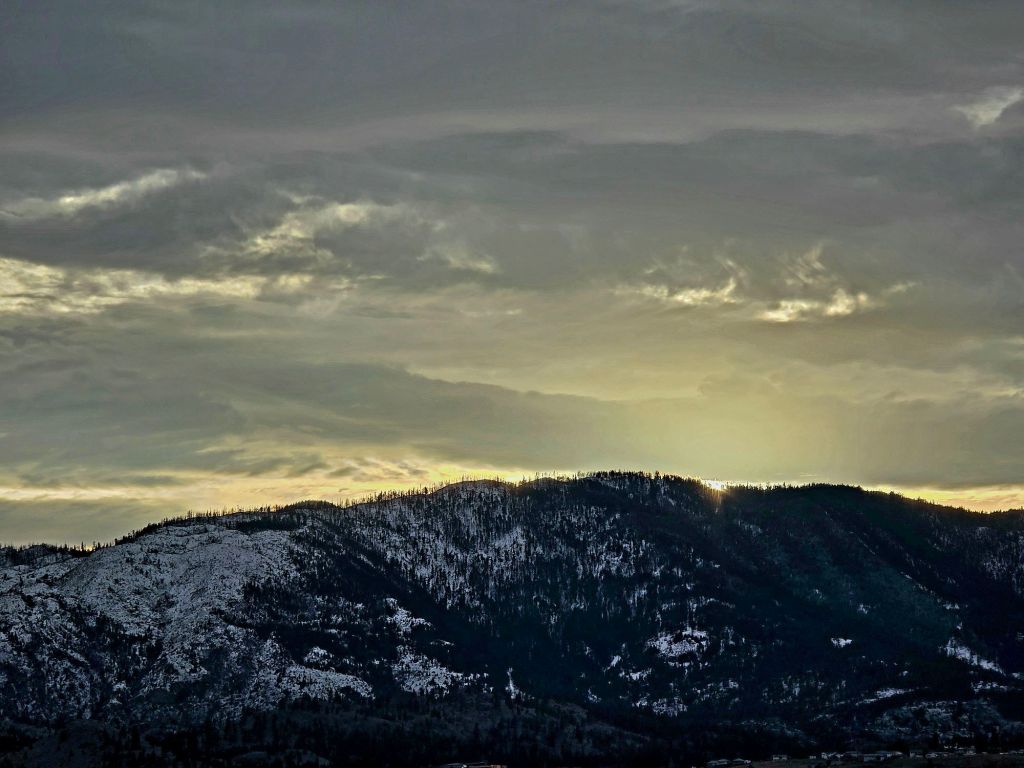
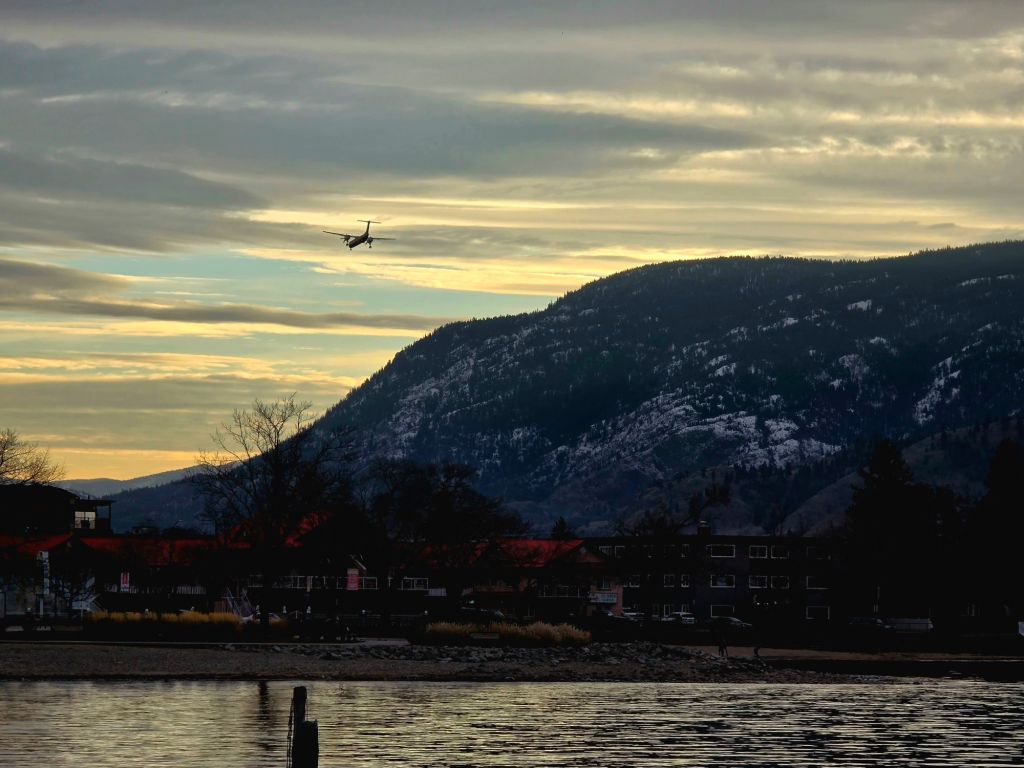
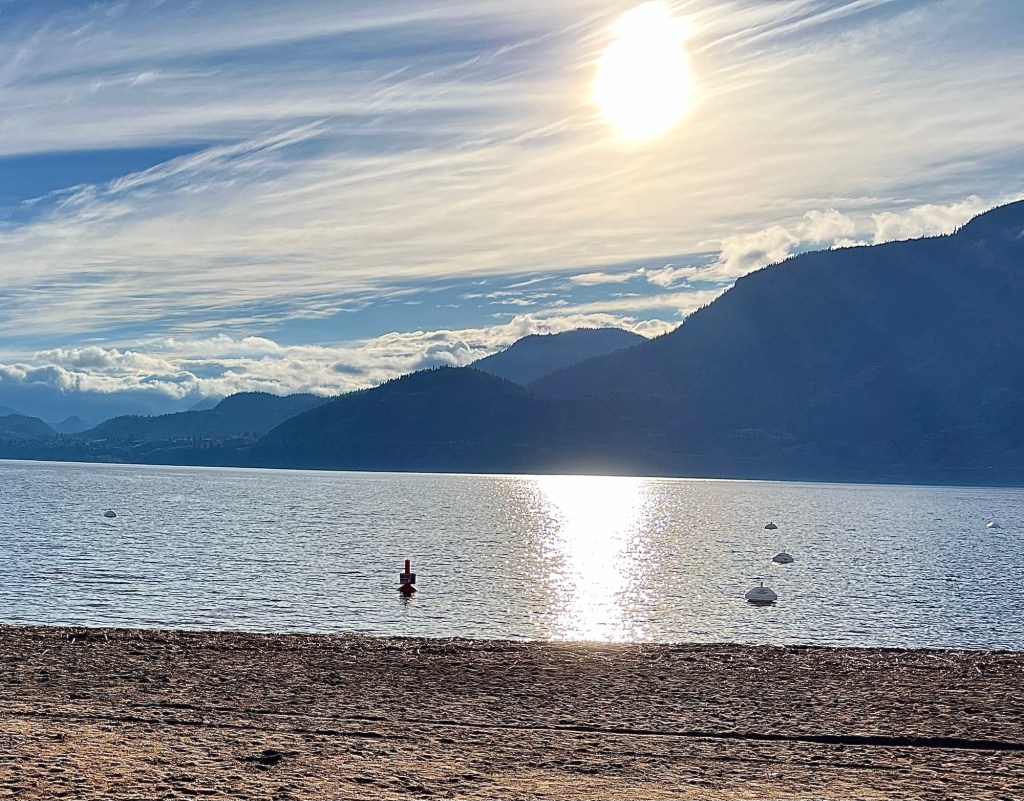
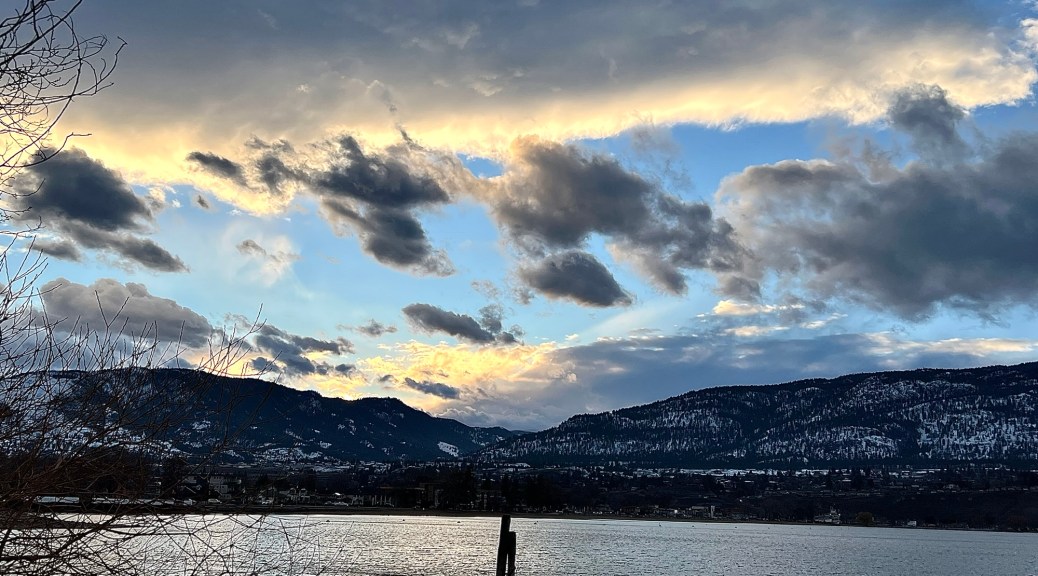
In the meantime, we have been experiencing over the last three days some nice December weather. Cool but not cold, no wind and a little sun. While many parts of this country are encountering terrifically awful weather with freezing rain, gales of wind and metres of snow, we have been very fortunate here in our valley.
My very sincere thanks to all of you who follow or who simply take the time to stop to leave a comment. I’ve enjoyed our interactions. I wish you and yours good things for 2026.




 In the Net! - Pictures and Stories of Life