
When the mercury reaches 38° (100.4 F) and everything drowses in the windless heat …

… a little shade near some water …

… is a wonderful thing …

… a chance to enjoy summer’s slow stillness …

… before autumn comes upon us.
Happy Monday.
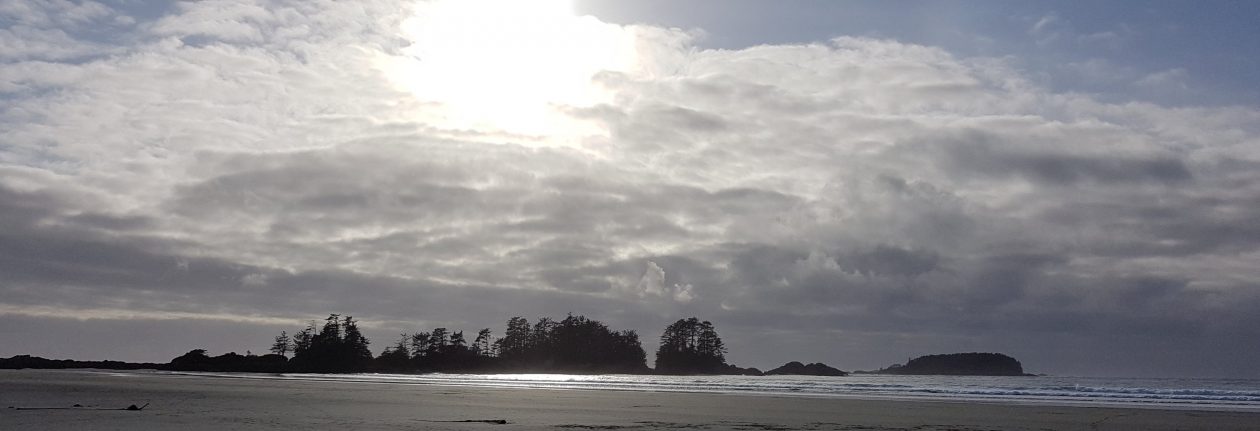
When the mercury reaches 38° (100.4 F) and everything drowses in the windless heat …
… a little shade near some water …
… is a wonderful thing …
… a chance to enjoy summer’s slow stillness …
… before autumn comes upon us.
Happy Monday.
There are many, many ways to relax. A sun-warmed rock might do …

… or a pretty green vista …

… or possibly a quiet sunset at day’s end …

… however you relax, the important thing is that you do.

Happy weekend.
More hydrangeas … is it possible to have too many?
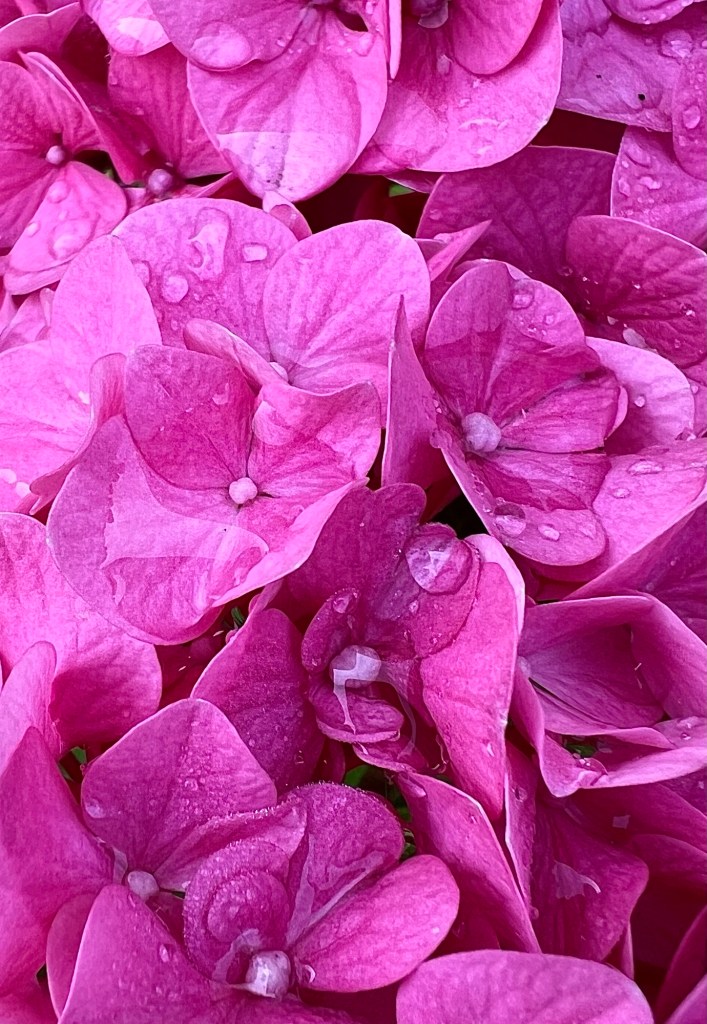
Raindrop pink ones …
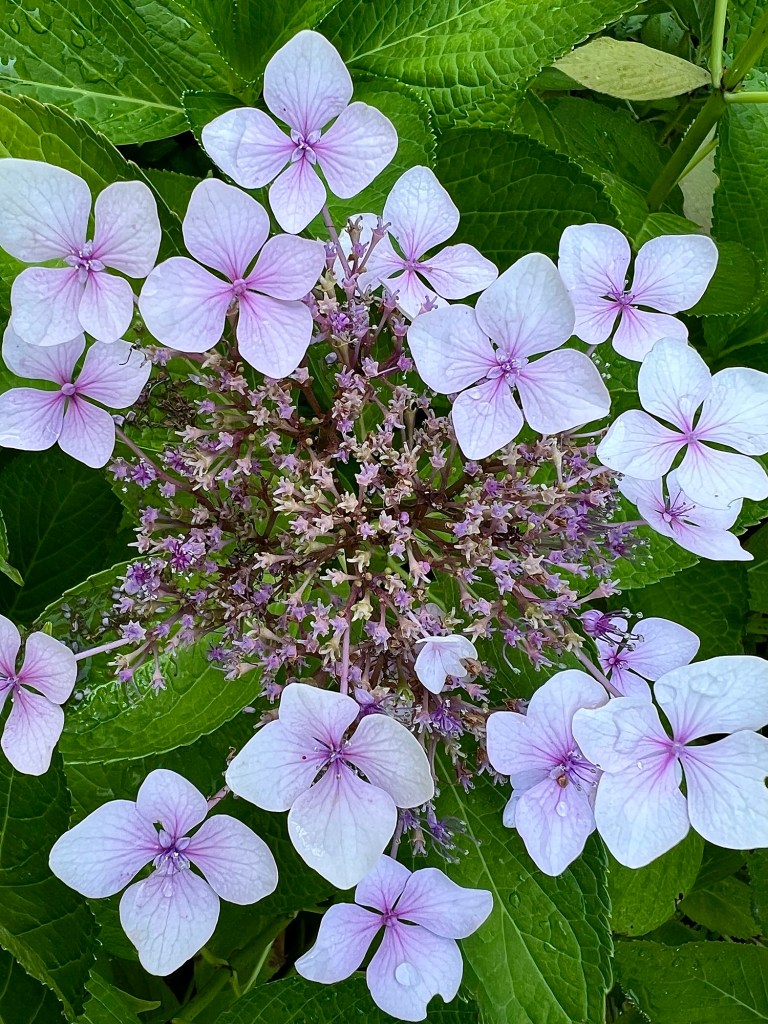
… and some pale mauvish ones …
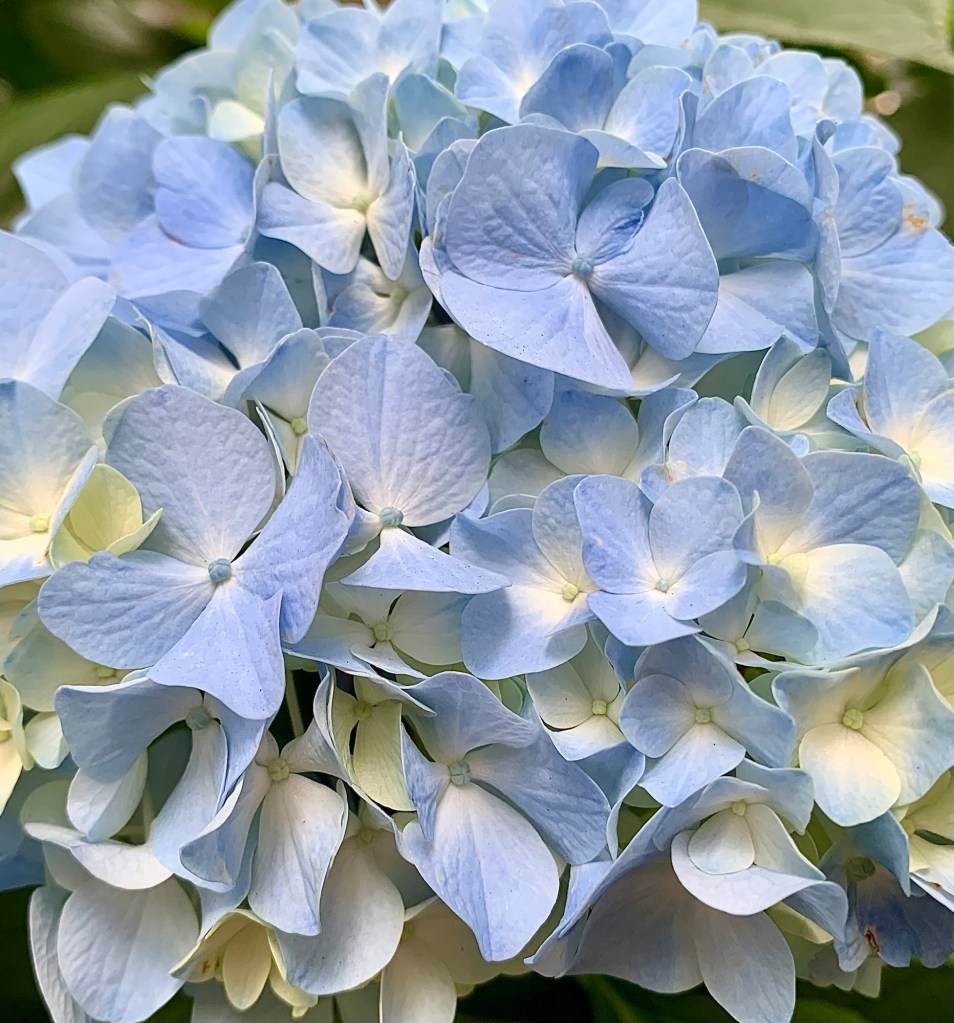
… and some lovely cream and light blue ones … no, you definitely can’t have too many!
Happy Friday.
Lots of lovely summer greens of every shade …

… border our creeks …

… are reflected in our lily ponds with their green lily pads …

… shade the fish through the hot days …

… and provide a backdrop for all our lovely flowers.
Happy Thursday.
Morning Dew
A beautiful photo from Samuel at Photoear. Please click the link above to see more of Samuel’s gorgeous pictures in both colour and monochrome.
From a morning ramble a few days ago …

… a rather hungry deer …

… who seemed in need of good food and a quiet place to recuperate from some physical damage. She seems to be recovering well, though. It looked as though she had found some delicious leaves and a safe spot near the marina.
And then later …

… I watched the human “wildlife” in the form of the Snowbirds, the Royal Canadian Air Force’s military aerobatics flight demonstration team …
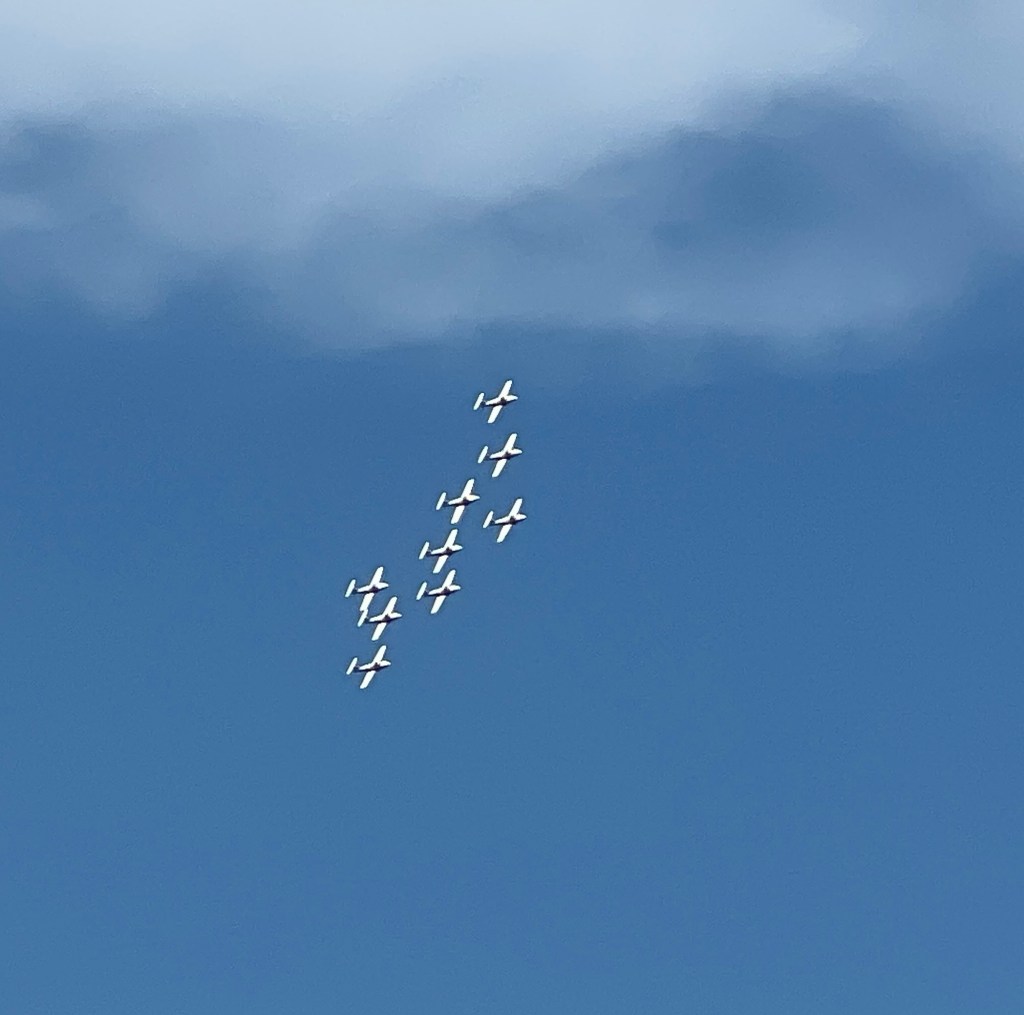
… do some practise runs over Okanagan Lake. They will be doing an air show here later this week.
Happy Wednesday.
Yesterday in Canada most people had a day off. As I went for a morning ramble it was great to see the parks and beaches crowded as so many enjoyed the day by soaking up the sun, swimming, boating or picnicking.

Other people took the opportunity to get in some fly fishing. Okanagan Lake is known for its huge rainbow trout; apparently some can reach rather impressive weights.

The only drawback was that we had smoke-carrying wind moving into the valley as you can see from the pictures.

Most of the forest fires generating this smoke are in the north; I fervently hope that those parts of this country soon get some substantial and sustained rain. They certainly could do with it.
A memory from July, 2025 back home in Michigan. 😊
The Lake Star
A gorgeous lake picture from John at Las Vegas Photoblog. Please click the link above to see more of John’s photography.
We have been getting lots of thunderstorm warnings recently and certainly they have been all around us with their distant rumbling and even their high winds and rains, but nothing directly up until now. The skies they produce however can be quite amazing as they roil past us. It’s worth noting that I haven’t made any adjustments to the colour of these photos; this is just as the camera (and I) saw those clouds.

The sunset reflects off the white cumulus features of these water-laden clouds …

… spreading an almost eerie glow throughout the whole area …

… that briefly intensified as more towering cumulonimbus clouds moved in. An oddly beautiful sight, but one to be respected.
Happy Monday.
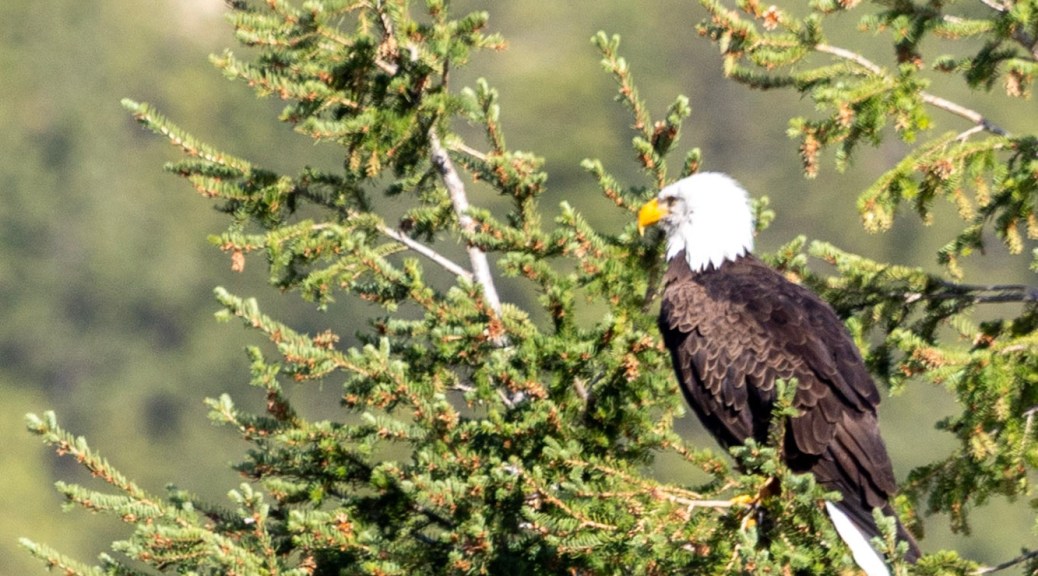
This eagle was doing some serious hunting.

After swooping over the forest, he or she came back to a tree to survey the lunch field.

I think my presence may have been a bit of a distraction, so I decided to move on in order that the hunting could continue without human interference.
Happy Sunday.




 In the Net! - Pictures and Stories of Life