These trees are about 120 years old and continuing to do well, but you do have to stretch a bit to see their tops …
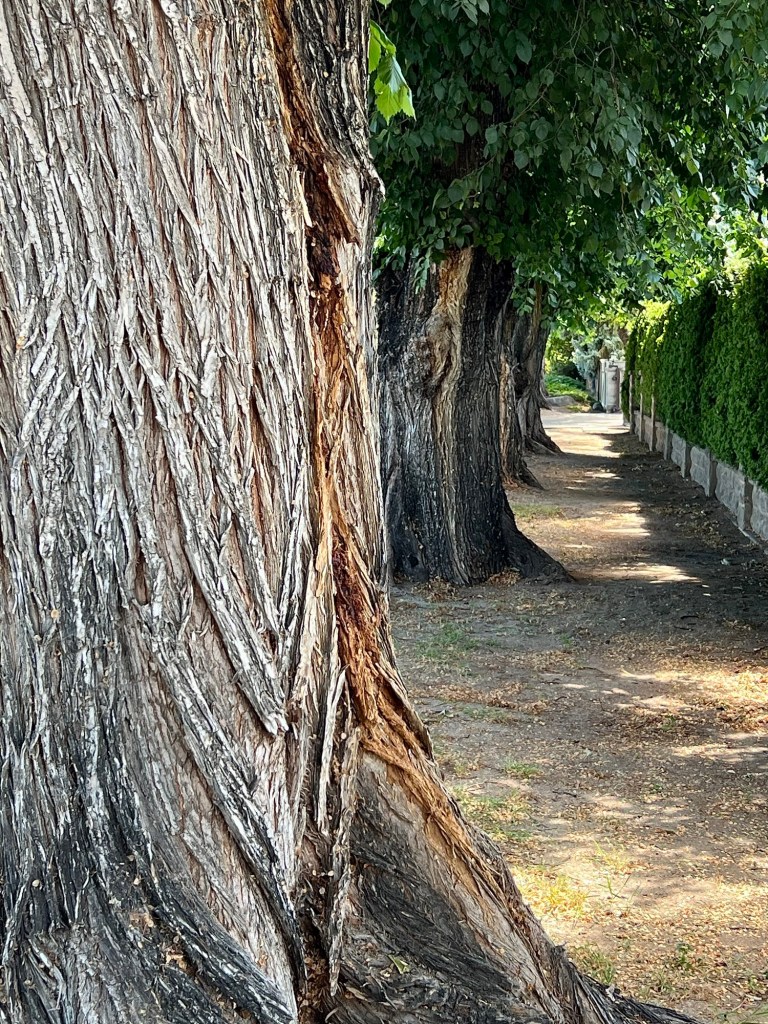
… look up, waaay up …

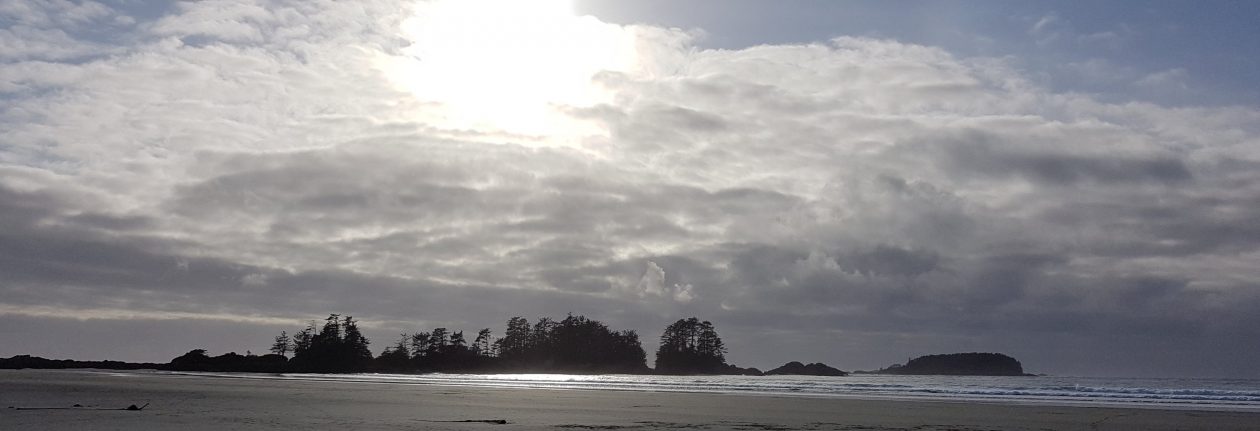
… and then from a distance …

… tree art (with a beloved friend in the foreground).
Happy Saturday.
These trees are about 120 years old and continuing to do well, but you do have to stretch a bit to see their tops …
… look up, waaay up …
… and then from a distance …
… tree art (with a beloved friend in the foreground).
Happy Saturday.
We may be heading into late August, but the flowers are still beautifully and steadily blooming. Here’s a sampler.
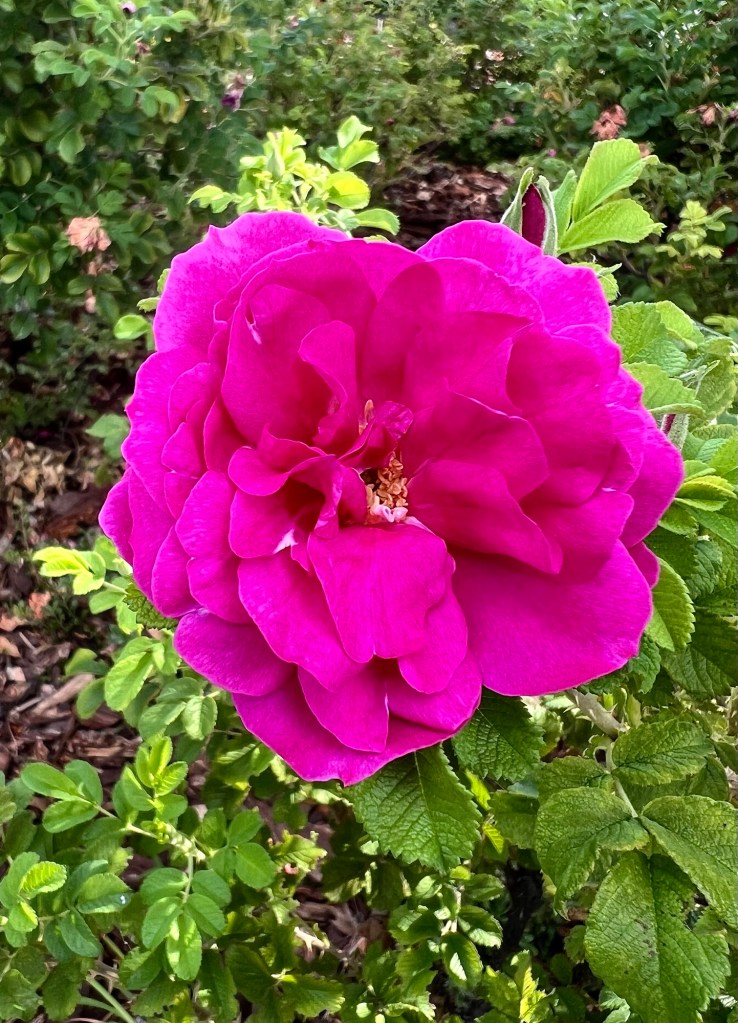
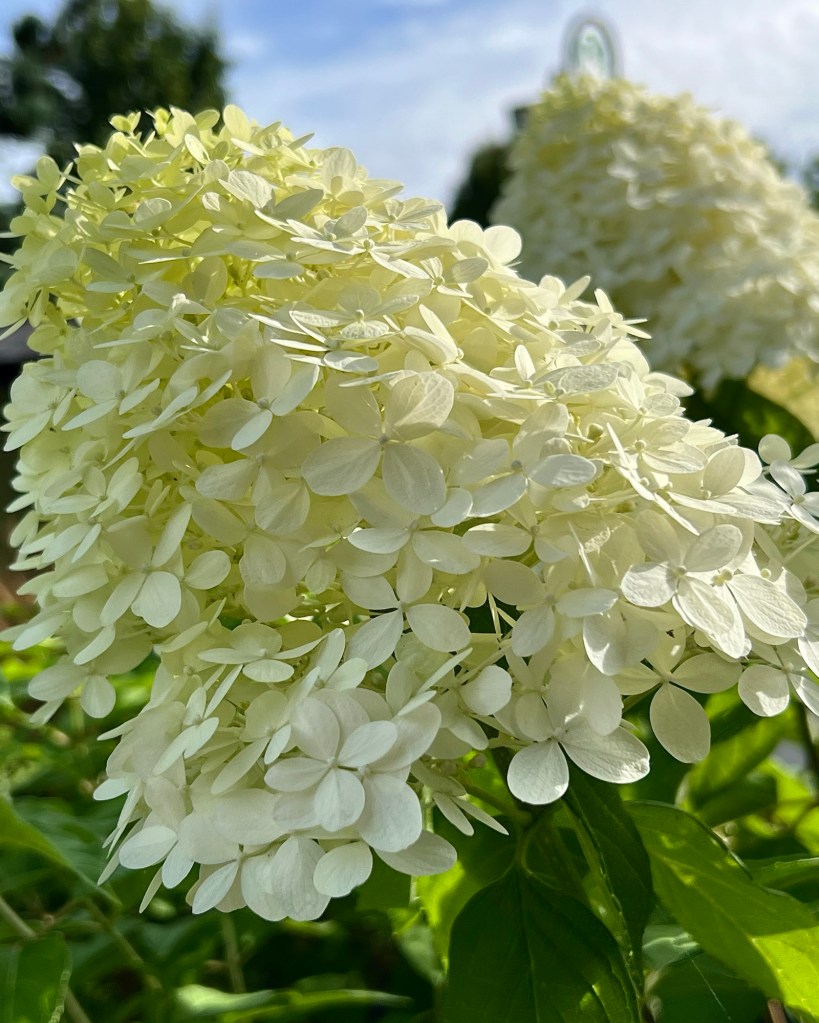
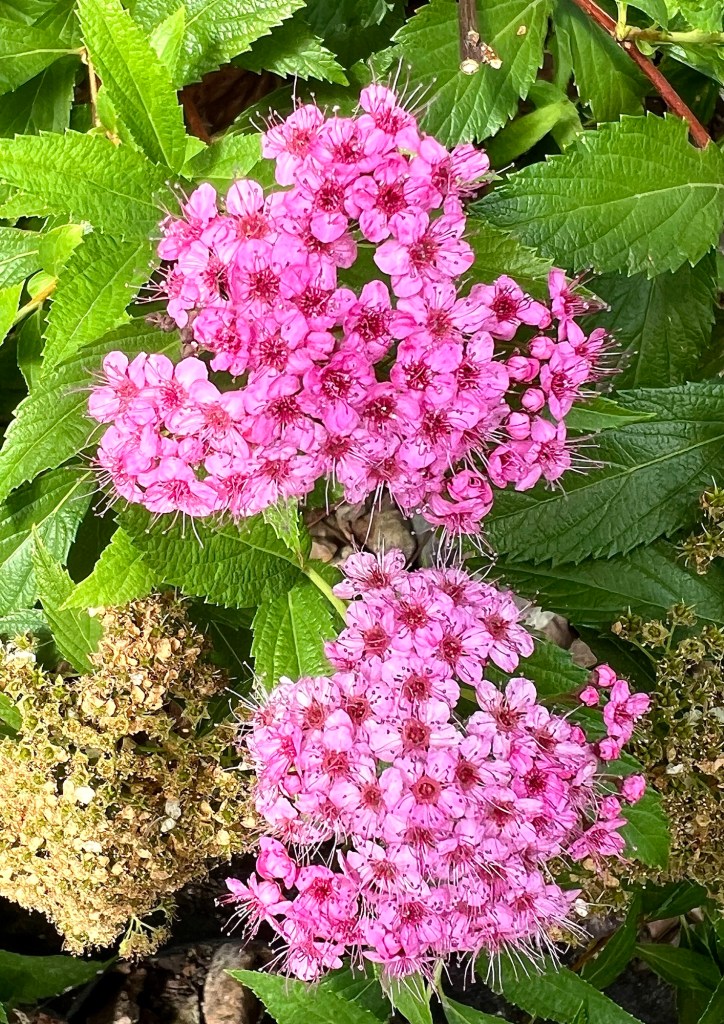
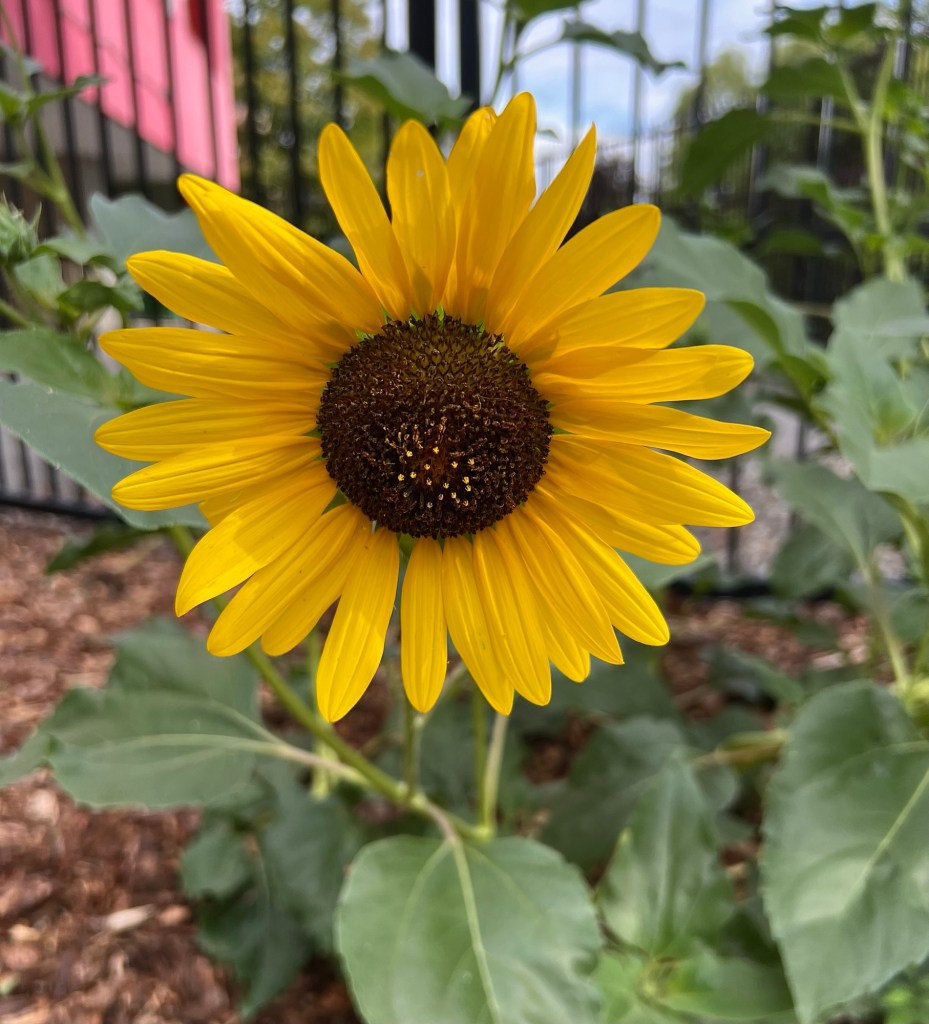

Happy flower Friday. 🌸
From the stern of the Nanaimo – West Vancouver ferry.

Happy Wednesday.
A small beach on Okanagan Lake on a gorgeous summer day. There’s lots of room for a chair and a towel.
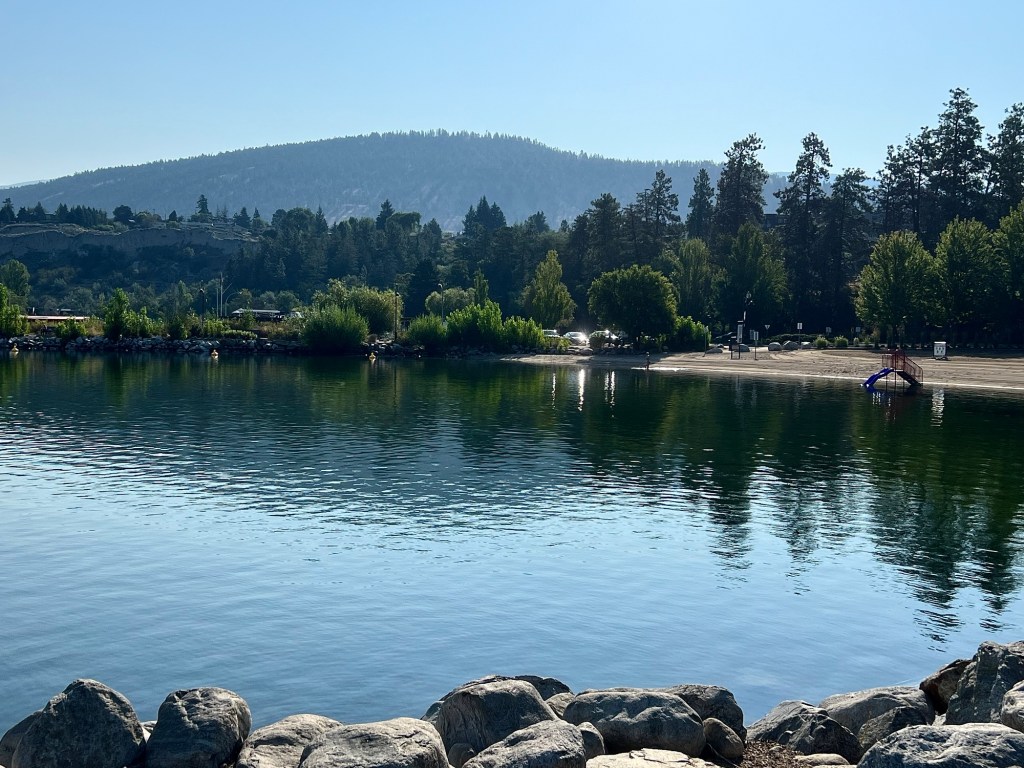
Happy Thursday.
Right now we have beautiful hydrangeas blooming everywhere. They are very sensitive to soil conditions which is why we can find a wide variety of stunningly attractive colours.


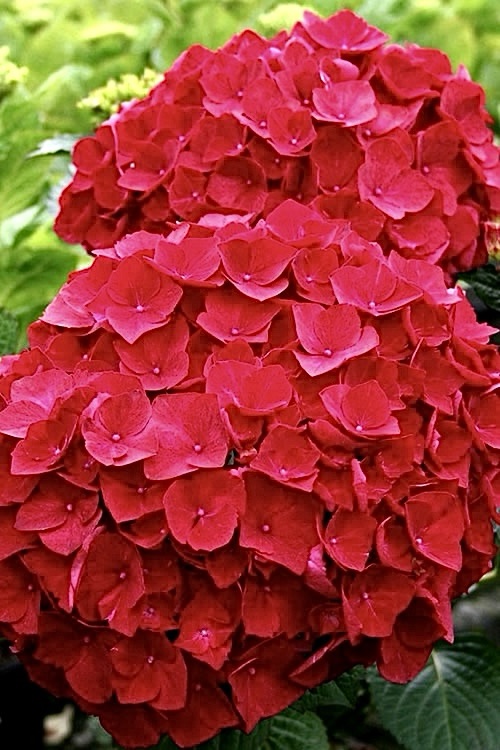


Have a flower power day.
You can read Part One here: https://lynettedartycross.com/2024/07/29/inside-passage-to-port-stanley-part-one/
On our return from Haida Gwaii which is off the northern coast of British Columbia, we took the ferry ship Northern Expedition through the Inside Passage to Port Hardy on Vancouver Island.
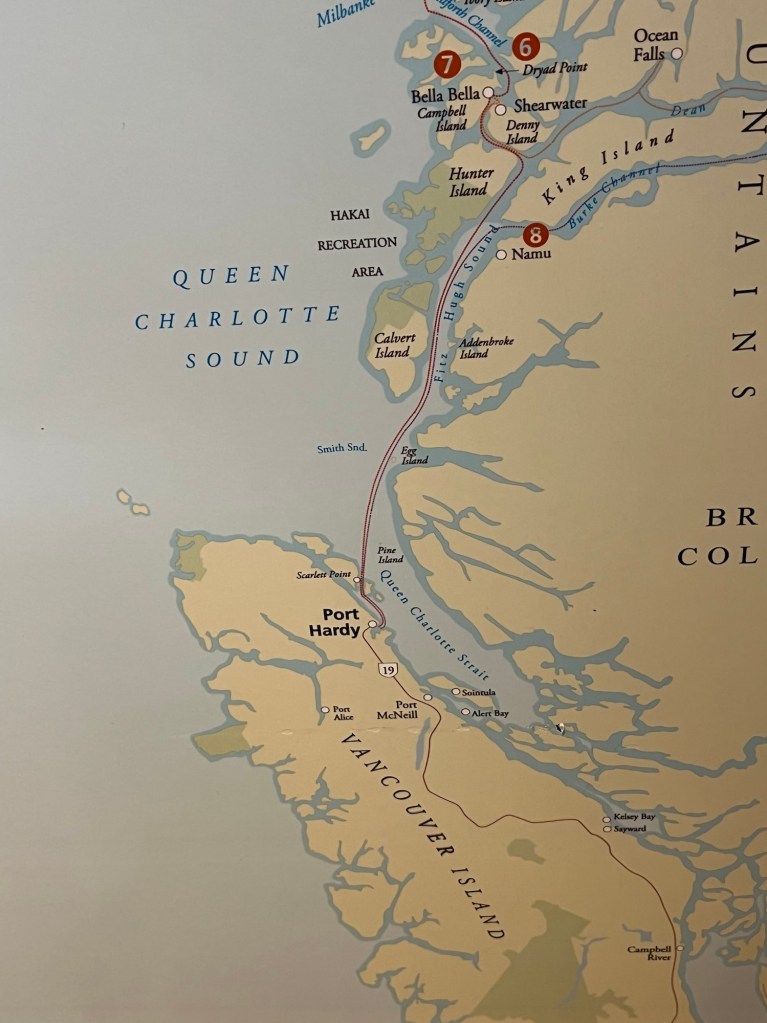
We had an incredibly smooth passage with one section through open water that was also an easy sail. One of the perks of summer sea travel!
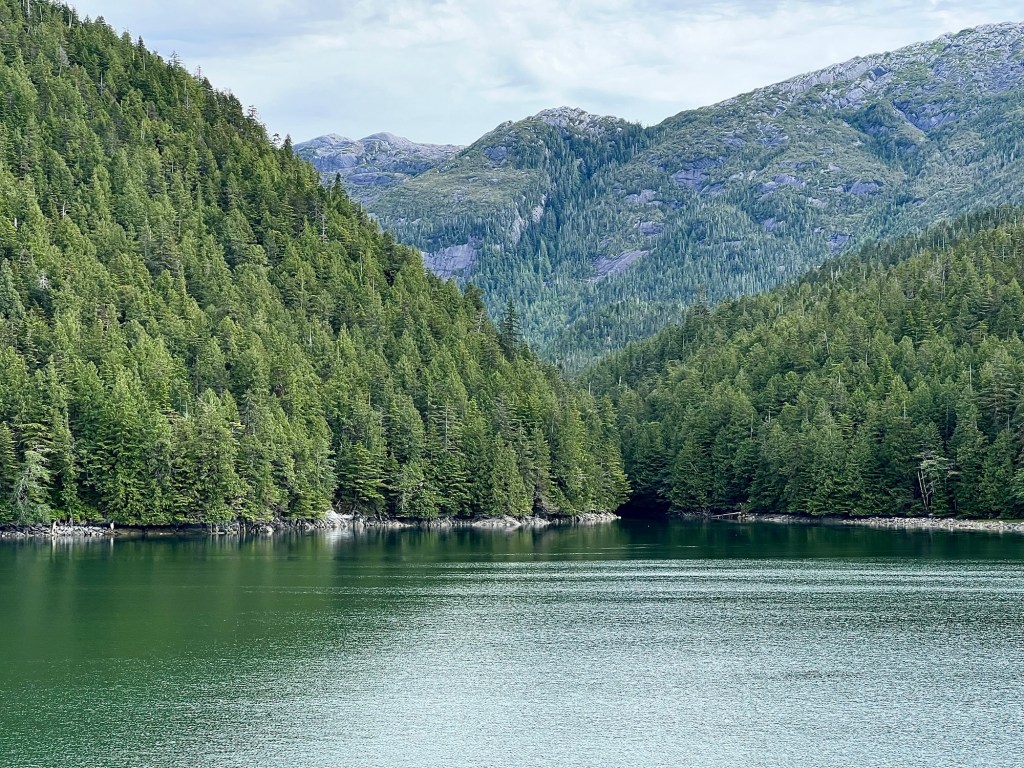

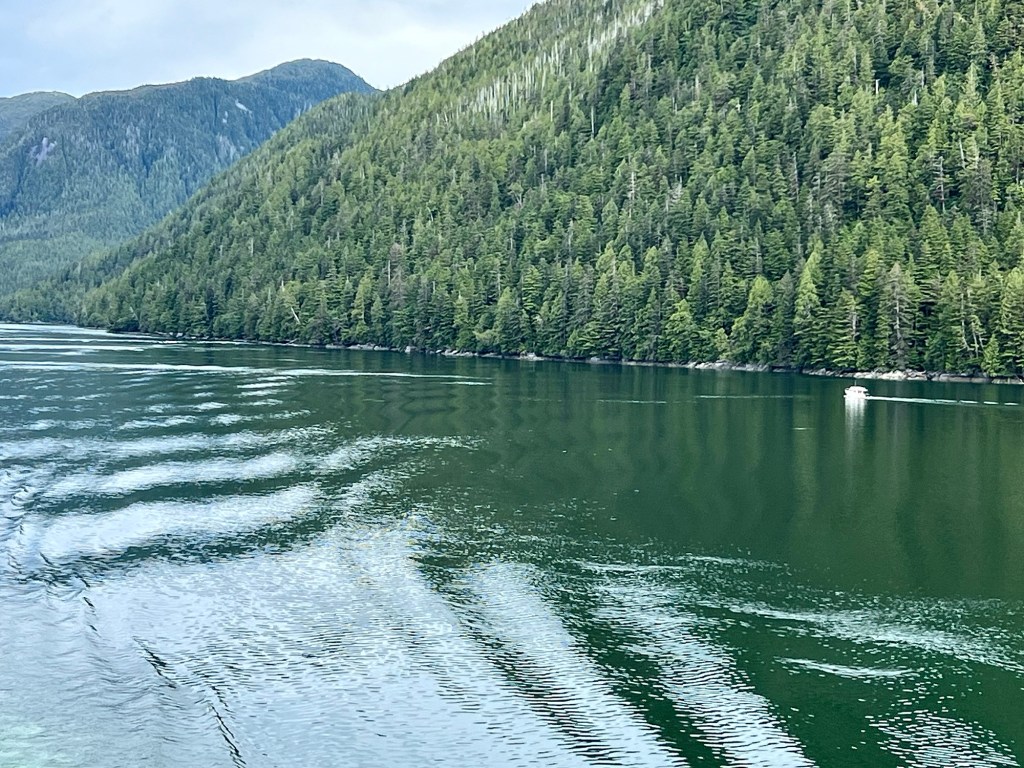
We passed other vessels, especially small cruise ships, travelling north.


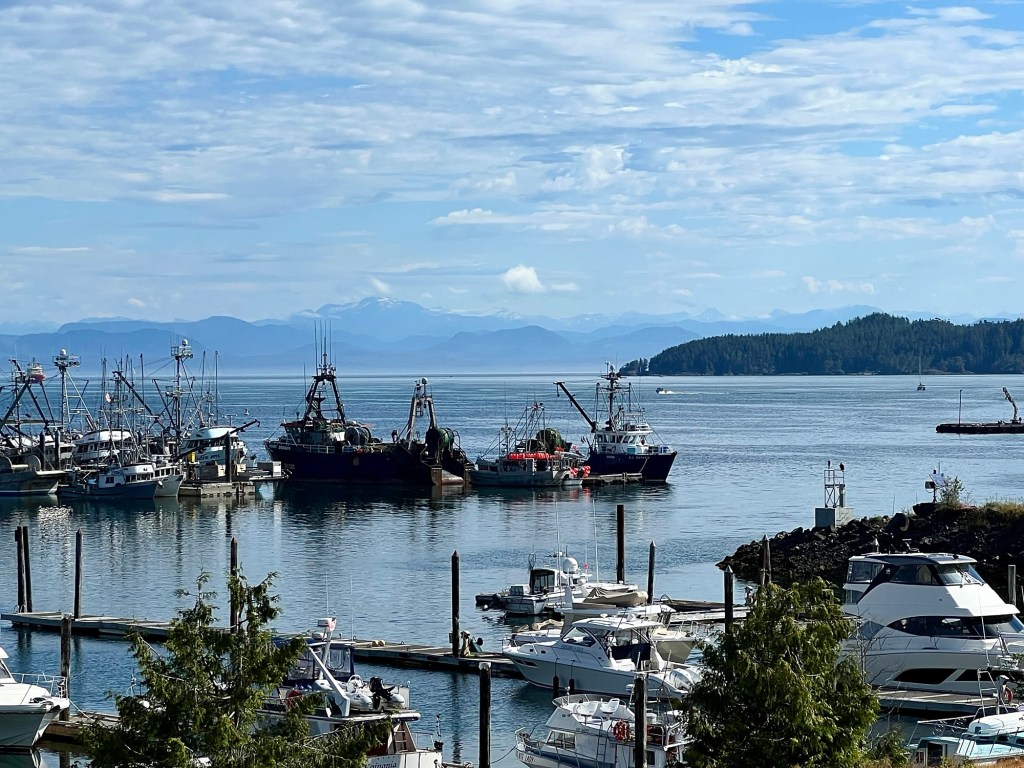
The B.C. ferry system is reliable, comfortable and clean. It’s an excellent mode for exploring British Columbia’s coastal waters as the scenery alone is definitely worth the trip. As I mentioned before, the one drawback is the onboard food services which aren’t great, but you can go a long way to rectifying that by bringing along your own in a cooler.
A thunderhead begins to obscure the evening sky …

… bringing with it the relief of rain and cooler temperatures.

Happy Saturday.


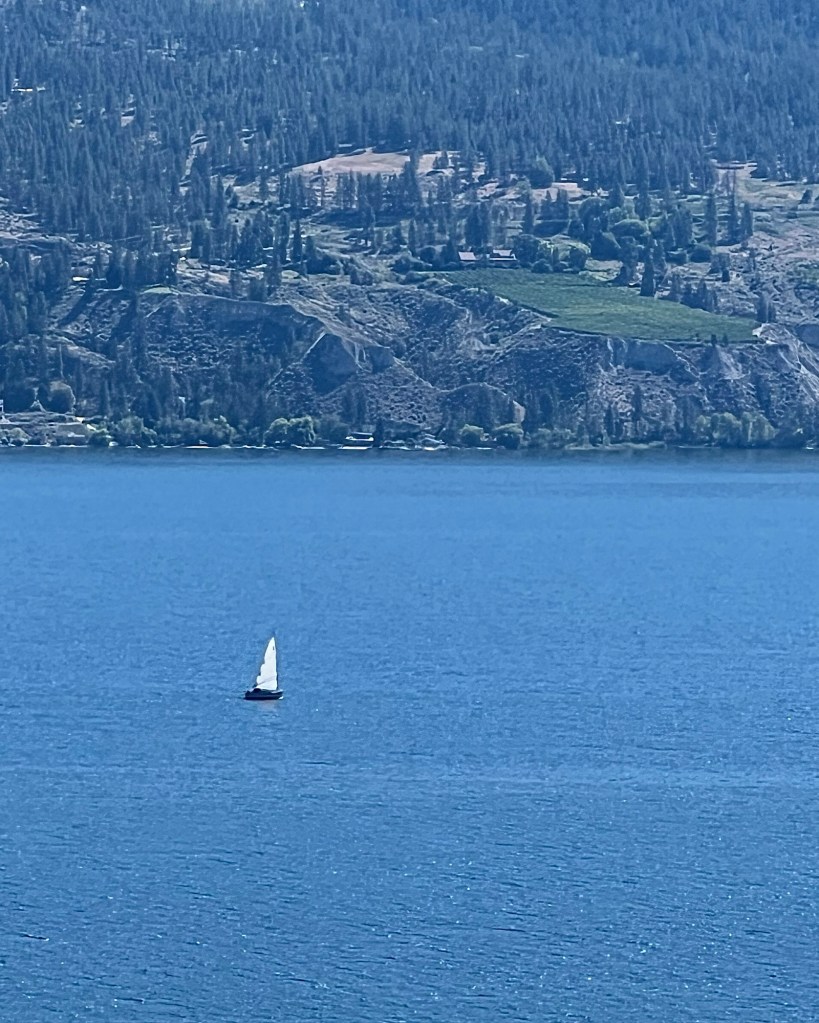


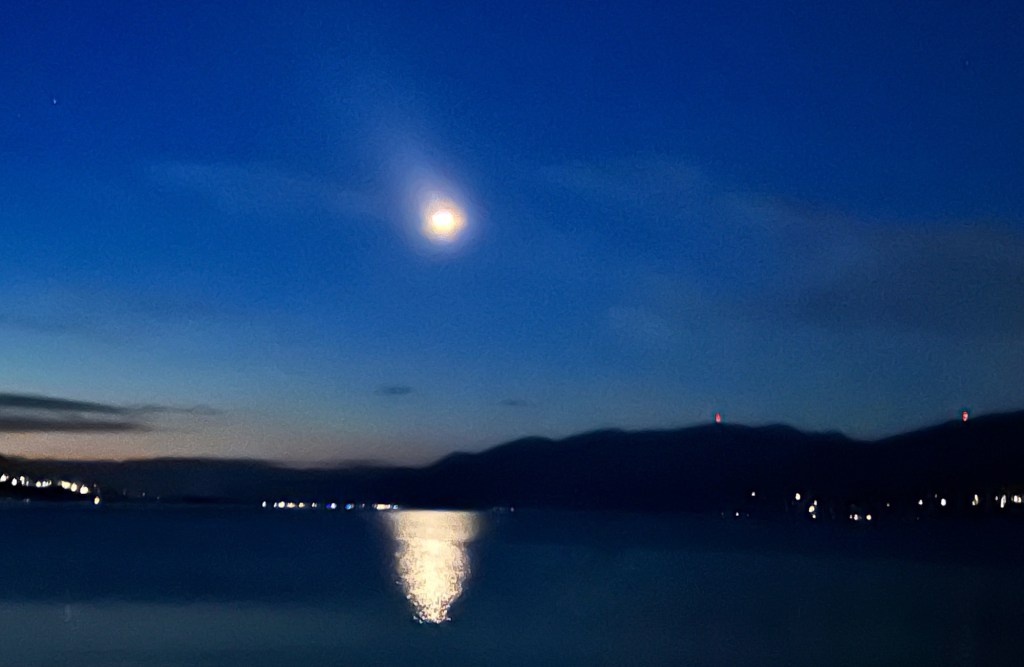
Isn’t summer grand?
We seem to be getting the last of the greatest summer heat; today it was 31C (87.8F) and the temperature is expected to gradually drop into the high 20s over the course of the next week.

The foliage, the water and the very air seem to be dropping back, sliding into a softness and a relaxation after the extremes of heat we have experienced.
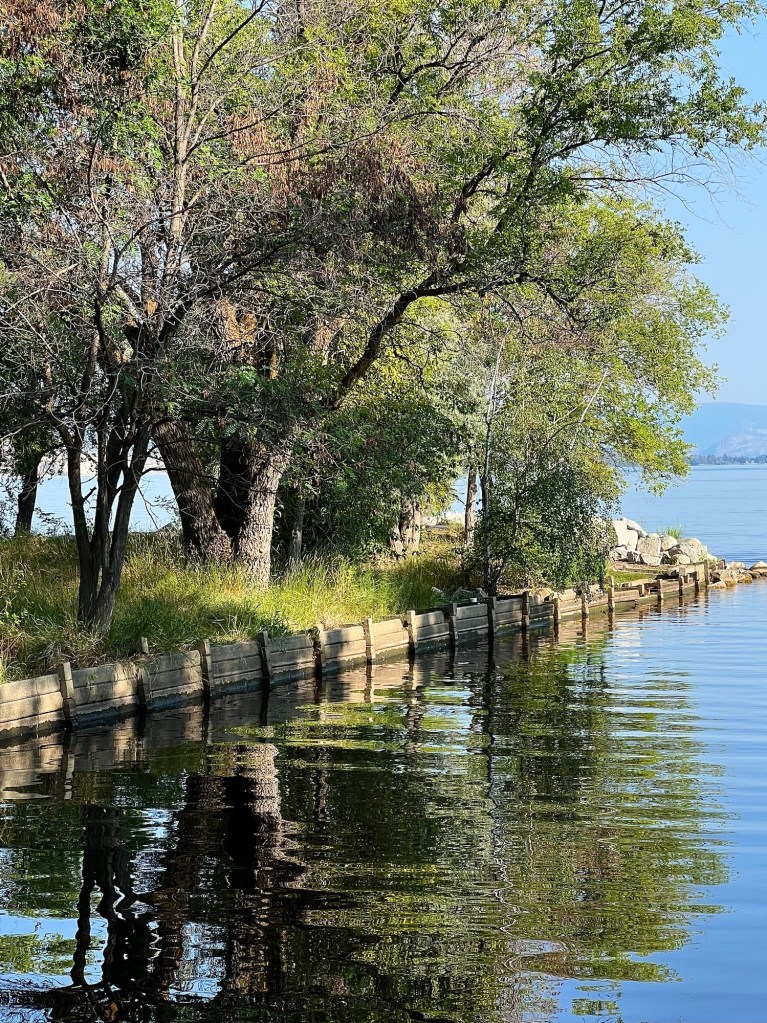
Or maybe it’s not that elegant; maybe it’s just simple fatigue. In any event, I’m going to savour some beach afternoons in the cooler temperatures that are beginning to arrive. It’s time to enjoy the lakes that have been warming up all summer!
We have been experiencing very high temperatures of 38C (100.4F) or so over the last week, and our sunsets have been matching those temperatures.
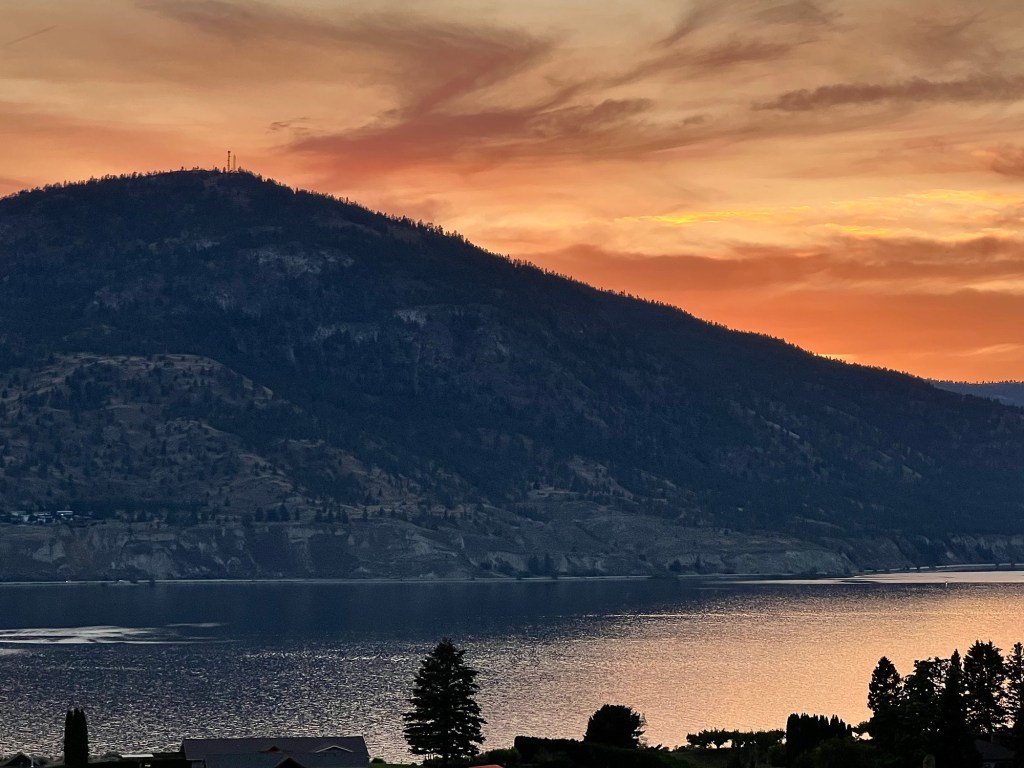
As the sun disappeared behind the mountain, the day finally began to cool a bit as we watched the sky calm into shades of blue before the decent into night.

It was a beautiful summer evening.
Happy Tuesday.
 In the Net! - Pictures and Stories of Life