12:26:

12:35:

12:40:

12:45:

12:50:

12:55:

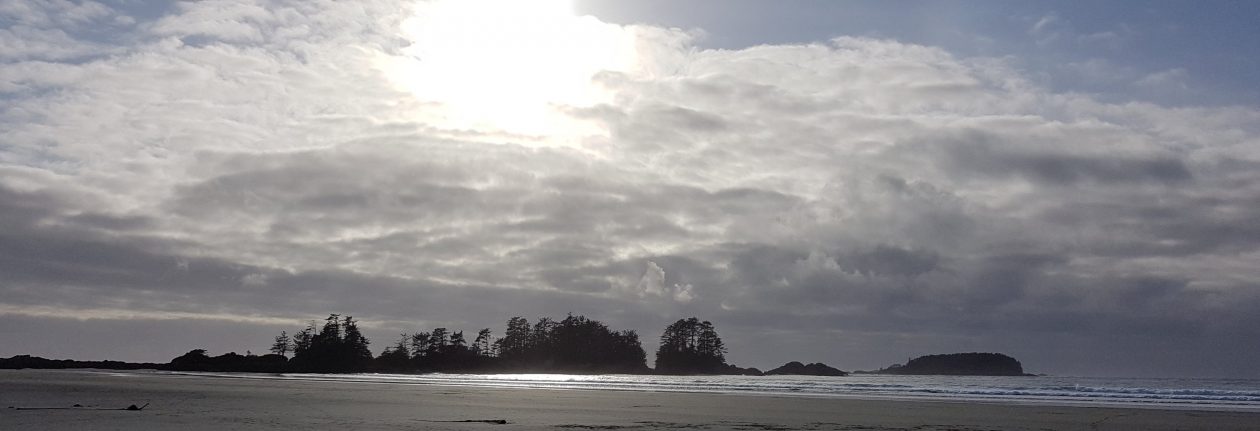
A world of difference in 31 minutes – that’s the drama and the staggering beauty of Iceland.
12:26:
12:35:
12:40:
12:45:
12:50:
12:55:
A world of difference in 31 minutes – that’s the drama and the staggering beauty of Iceland.
Our last day along the southern Icelandic coast began with heavy mist …

… but the sun insisted on pushing through …

… to reveal beautiful blue fjords …

… and 18C (64F). Stunning.
We stopped to brave the cold, rain and extremely windy conditions of Dyrhólaey bird sanctuary and viewpoint on Iceland’s south coast. This sanctuary is on a high cliff overlooking the beaches far below.

This is the North Atlantic ocean and there is nothing between Iceland and the Horn of Africa – more precisely, the Horn’s interference is minor, so there’s not much between Iceland and Antarctica – stopping that wind, so it really gets up to incredible speeds.
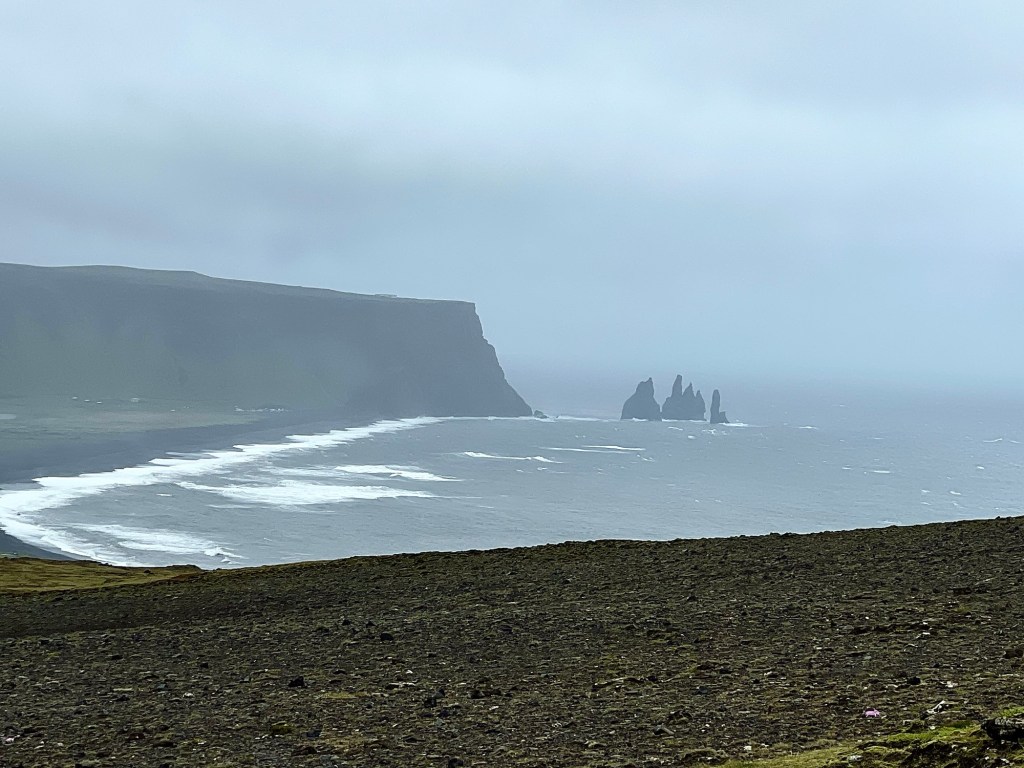
M and I had a hard time keeping our feet, as did others; the wind literally almost sent me flying since it was about 65 kph (40 mph). There were few birds about; most were sheltering in the cliff crevices.

The beach is comprised of black volcanic sand, and we would have loved to take a walk along the trail to the beach, but the wind was just too strong. We opted to get back in the car – literally without breaking the door hinges – to admire the view in dry comfort as we ate our lunch. But what an incredibly picturesque view, even if the weather was terrible!
… is a sight to behold.

Thundering down …

… in its enormous strength…

… not to be trifled with …
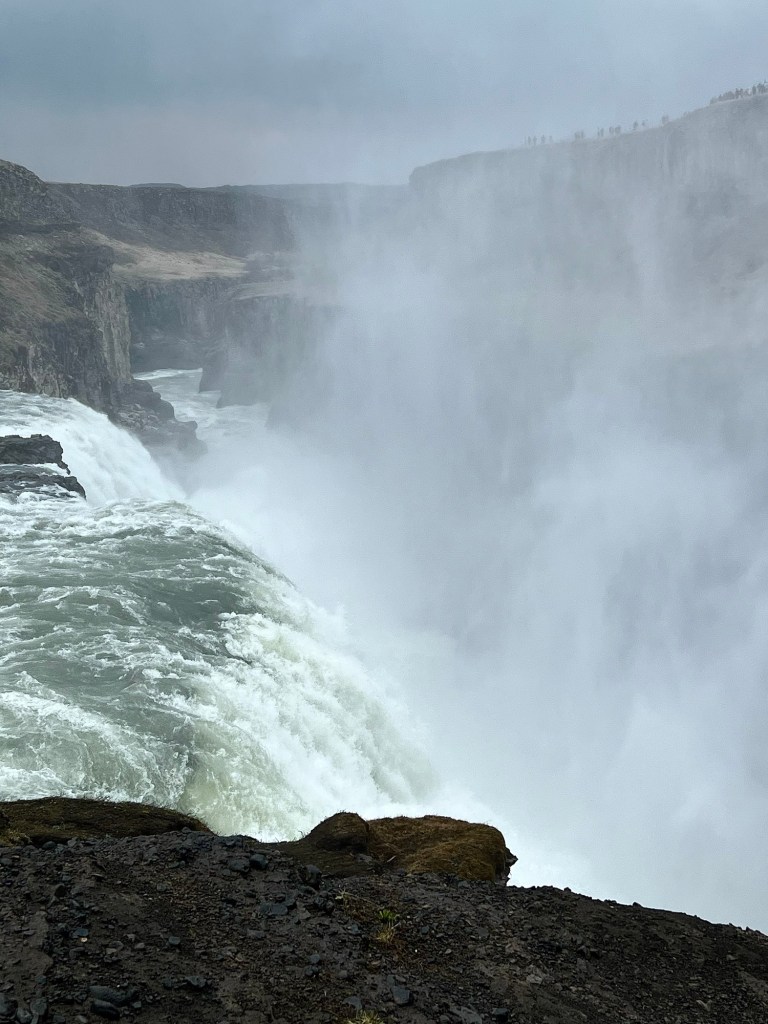
… as it forces its way …
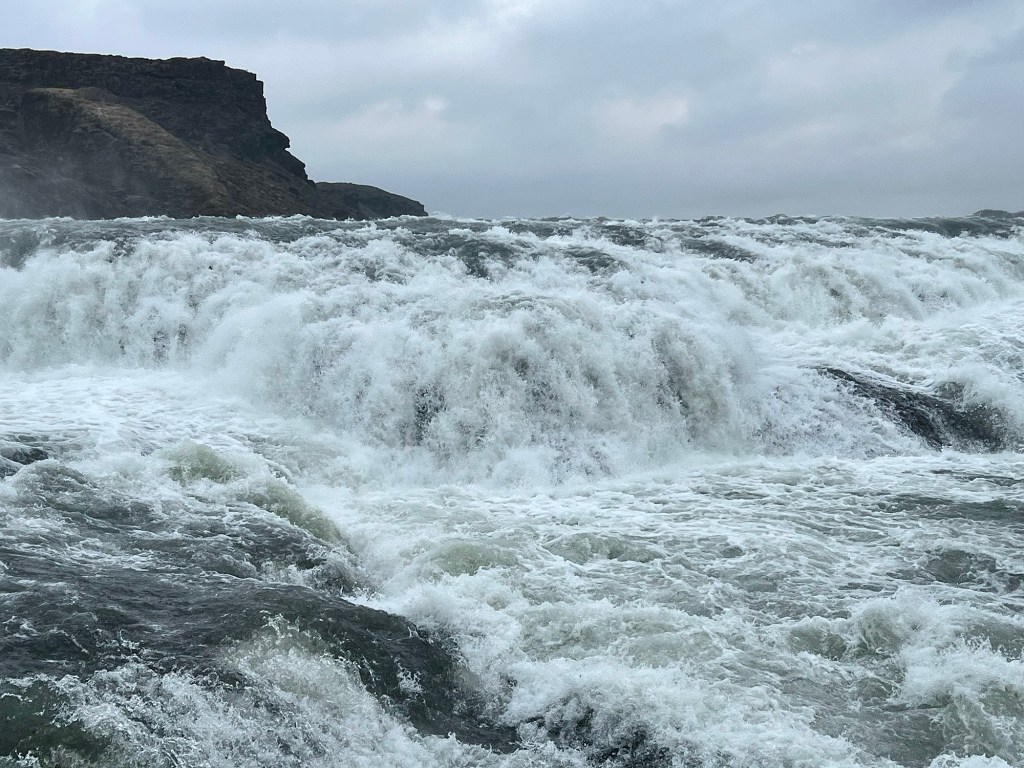
… from glacier to sea …

… relentless and all-consuming in its mission.
Iceland is traditionally described as a place of fire and ice. And that’s definitely true, but there are so many other stunning variations.

We visited Thingvillir National Park to find forests, barren lands, farms, lakes, geysers, and waterfalls.

Stark, foreboding, bucolic, serene, pretty – all these descriptors apply in breathtakingly beautiful diversity.

The barren lands will suddenly open into a healthy forest growing in the lee of an ancient volcanic crater …

… while farms thrive …

… among the beautiful lakes …
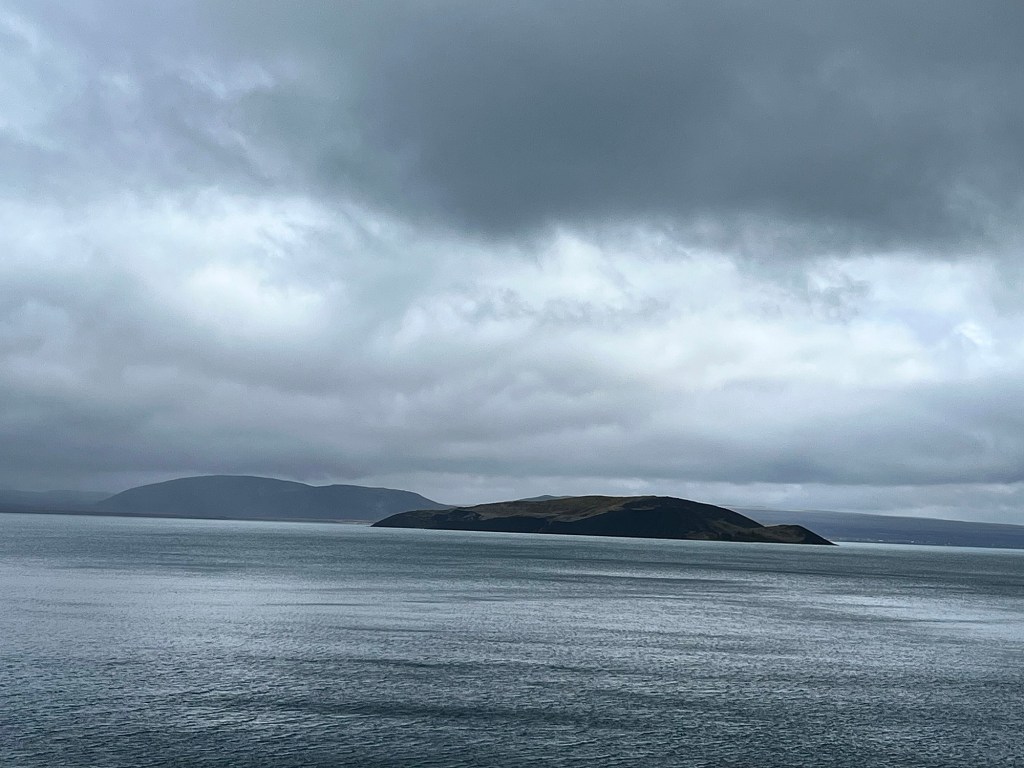
… and hot springs.

More pictures are coming.
Greetings from the land of beautiful diversity.
We arrived at Keflavík airport in Iceland at 8:00 a.m. local (2 a.m. for us) and although very tired did our best to push through it. We decided to do a much-needed walk through Reykjavik to stretch our legs and also so that I could reaquaint myself after a number of years since my last visit. This is M’s first visit and we are very much enjoying it together.

It was overcast with a misty rain but not an unpleasant day. We enjoyed walking around one of the ponds in a nearby park and viewing the colourfully-roofed houses on the opposite shore.

This is a grey lag goose. Quite different from our ubiquitous Canada geese at home, but the behaviour was quite similar.

There were lots of marsh marigolds in bloom; so pretty and bright.

As with many port cities, Reykjavik is built on a hilly area next to the sea. The walking requires lots of up-and-downhill; we felt it was very good for us after our flight. Once we finished a light lunch of an excellent seafood soup, we headed back to our hotel for some much-needed sleep.
These aren’t the traditional northern lights or aurora borealis, but they’re definitely northern all the same.
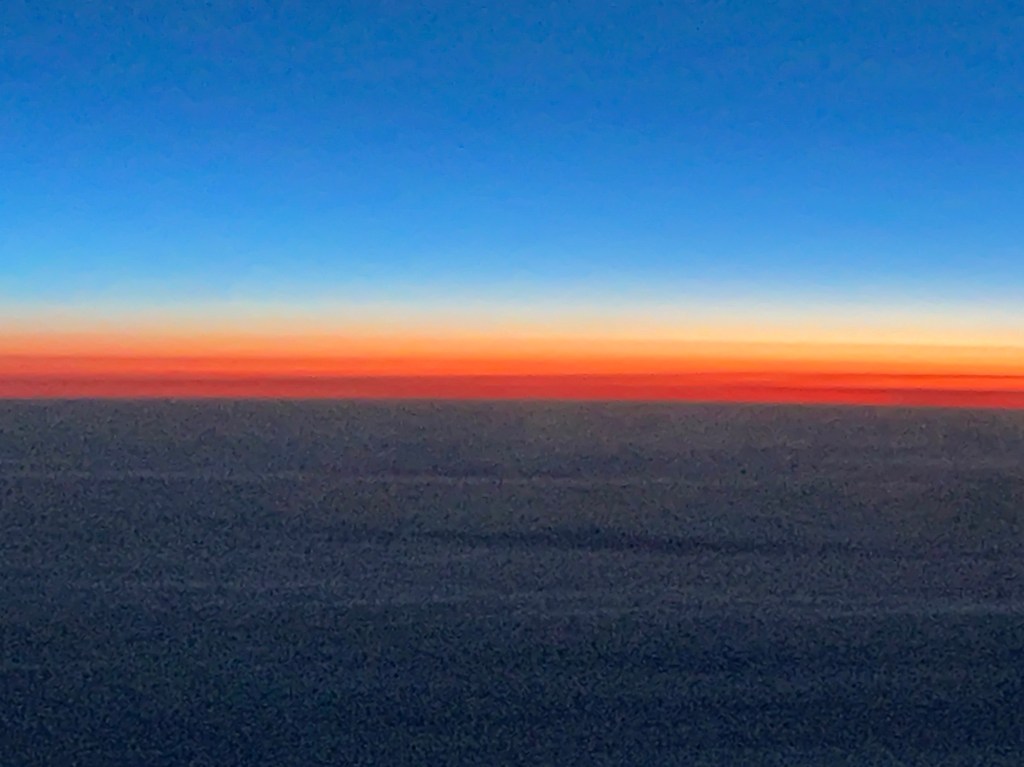
We chased the sunset/sunrise as we flew 6.5 hours east across northern Canada from Calgary to Iceland. I love these amazing colour striations which are also known as the Belt of Venus.
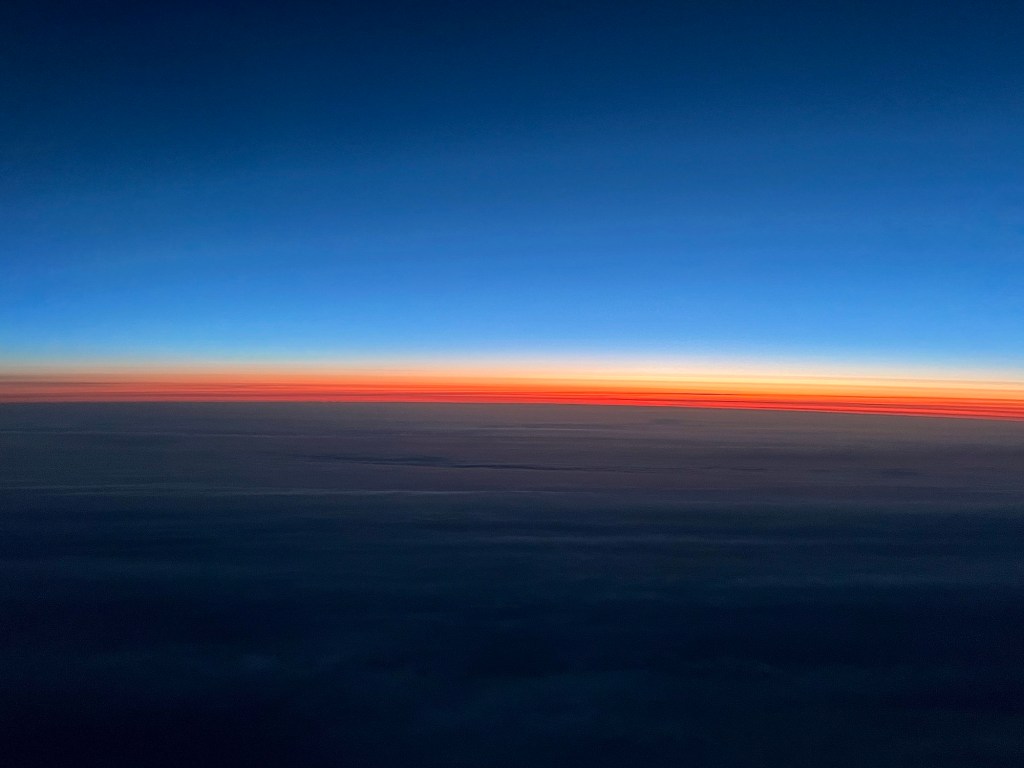
You can see a slight Earth curvature given that we were flying at 64° north latitude. The light shows created by our wonderful world and its solar position are breathtakingly beautiful.
Happy Wednesday.
I have always loved the beauty of prairie cloud formations. Although they can grow into very damaging storms, most of the time they drop their wind and rain load and then dissipate.
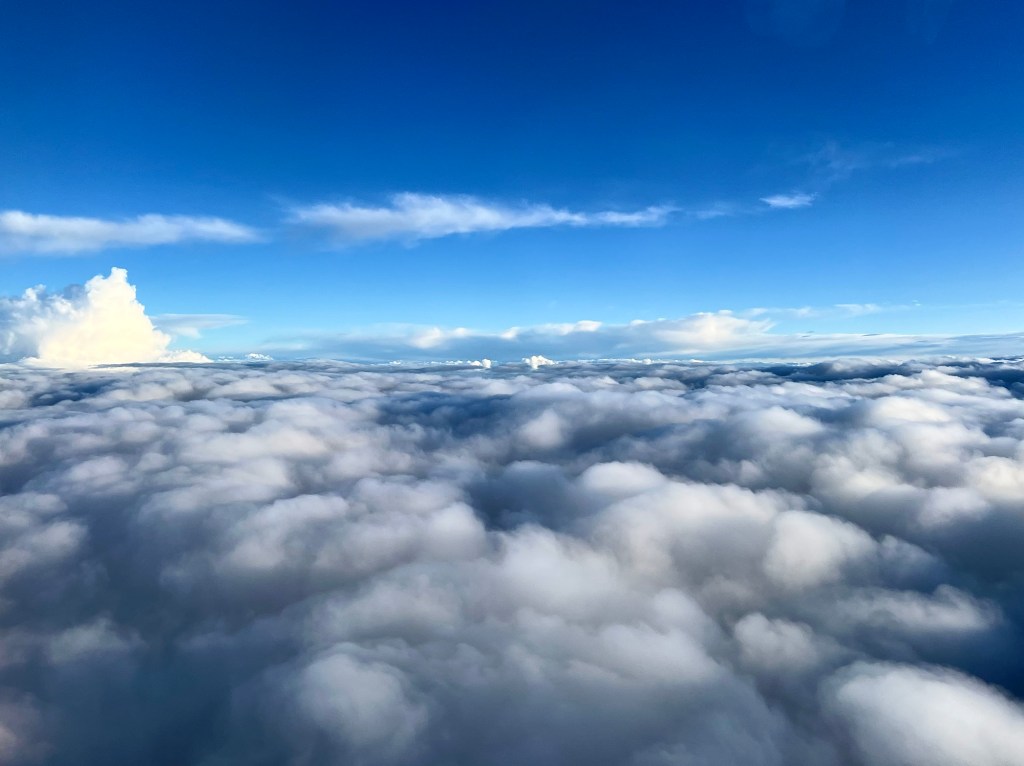
The triangular cloud on the left is what is known as a “cloud with vertical development.” These are the ones that can cause storms, especially thunderstorms.
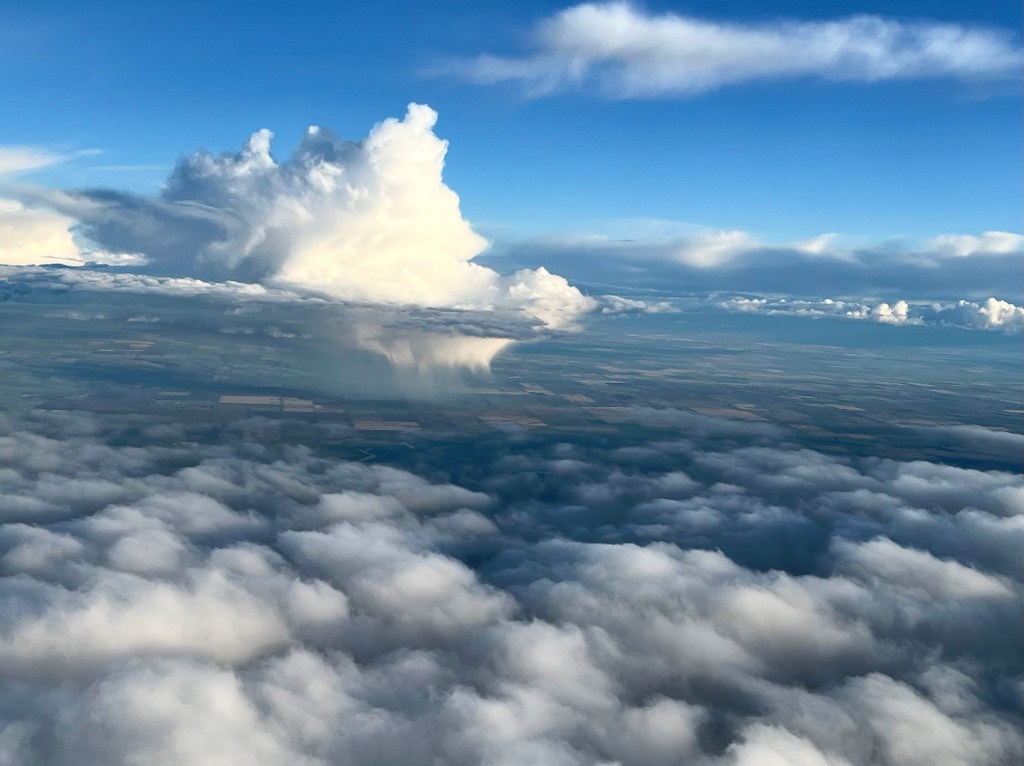
Its lower half was dropping a lot of rain near the Calgary area.
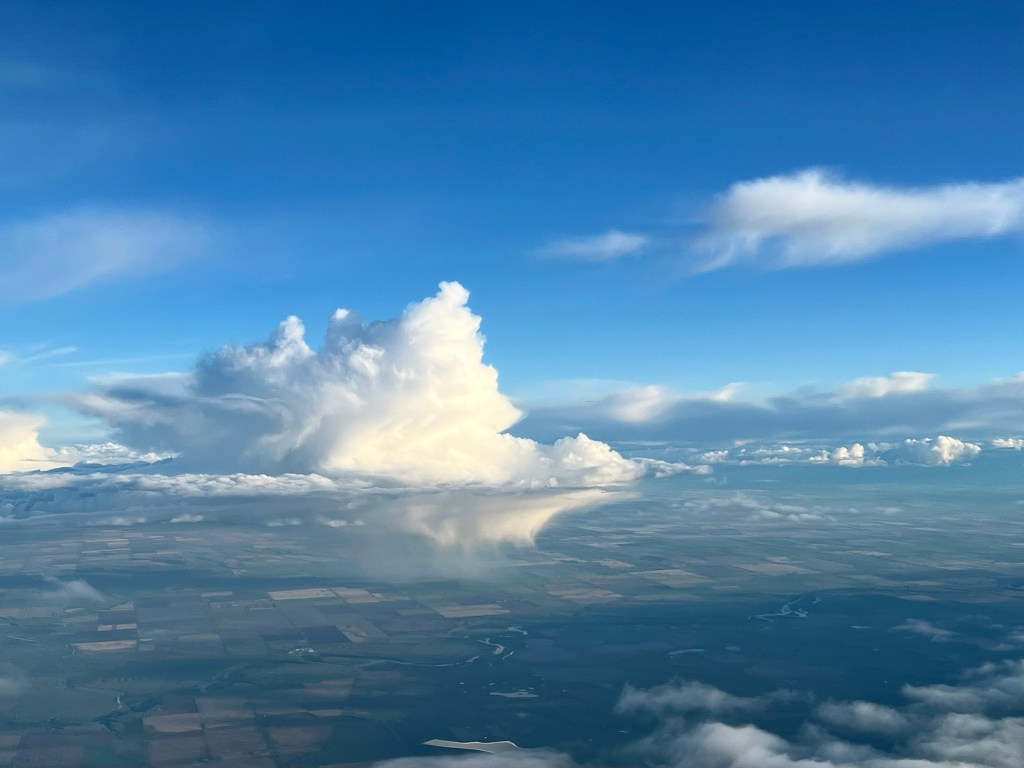
Although this one was showing a lot of vertical development, it was also on its own, not interacting with other clouds.

Southern Alberta seems to have recently received a lot of rain – courtesy of these thunderheads – a good thing considering that there were lingering drought conditions from last year.
Happy Tuesday.

… an afternoon view of Lake Huron …

… followed by a lovely sunset to close out the day.
Happy Monday.
Just south of Sault Ste Marie, Ontario, is a hamlet called Bruce Mines.
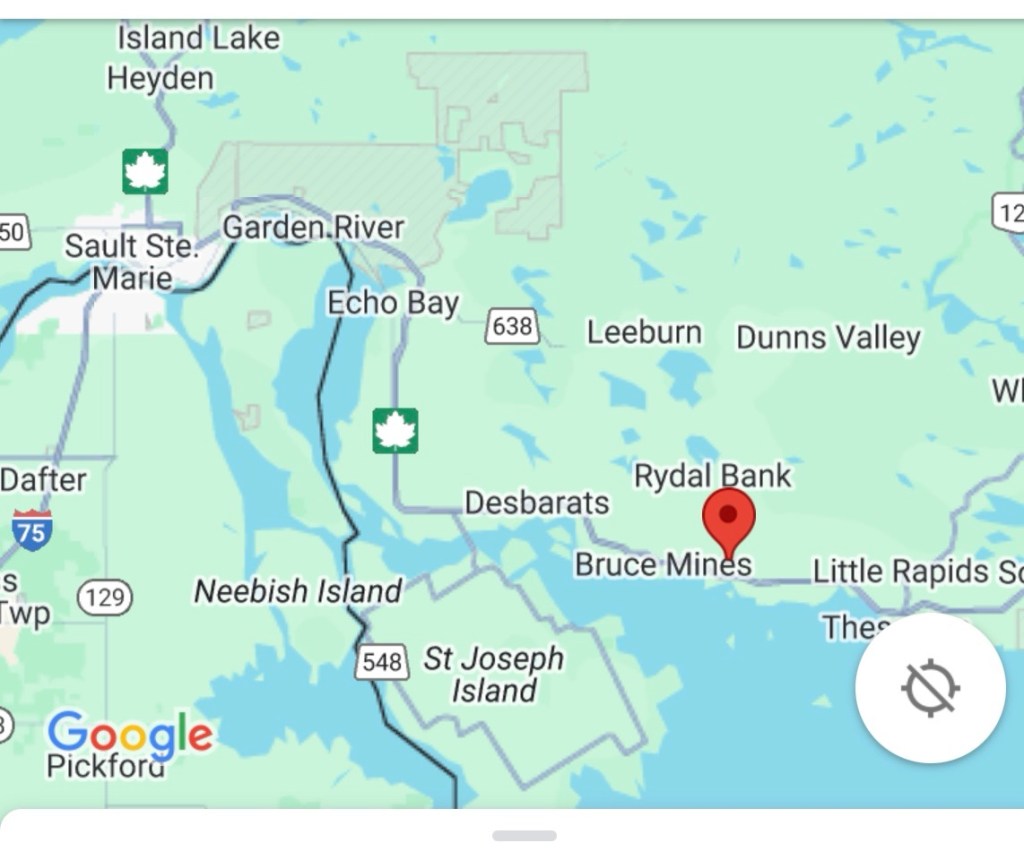
One of the Group of Seven painters, Tom Thompson, did a painting of it that went on to become quite famous.

At the time, and as you can read above, Thompson had lost a large collection of his work during a canoe upset, but the painting of Bruce Mines almost made up for it.

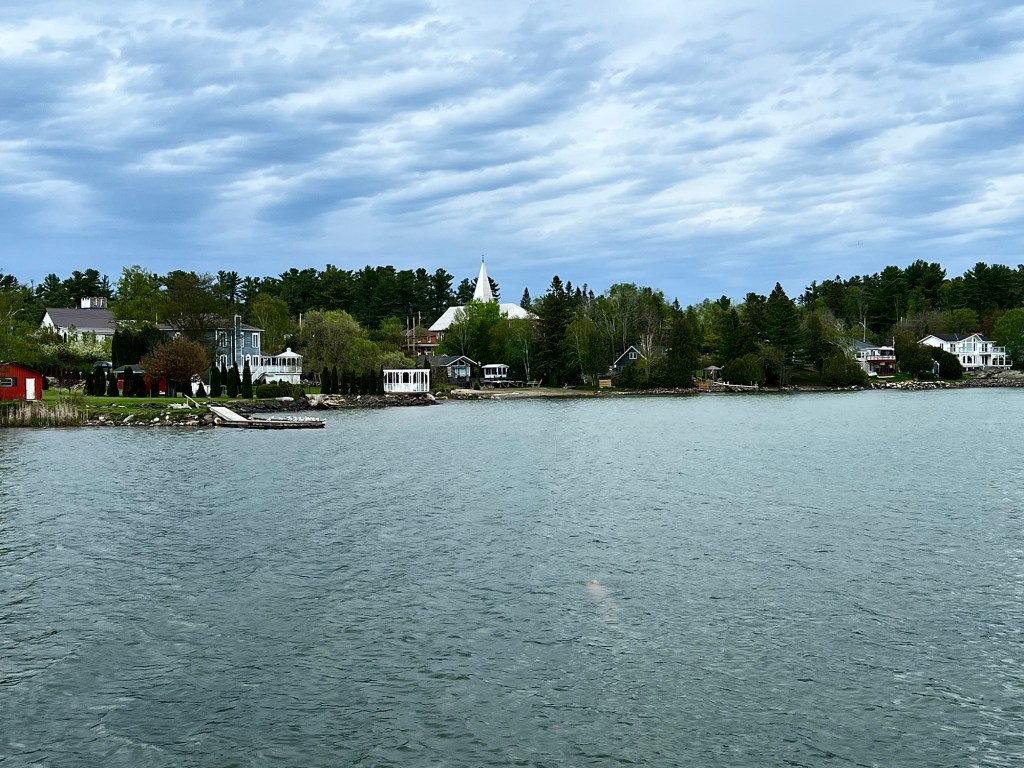
Bruce Mines is very picturesque, although Thompson’s painting conveys much more ruggedness and struggle.

Presently, it’s a lovely lakeside hamlet that’s more about pleasure boating and swimming rather than the hard work that it took to live there in the early 20th century.
I will soon be travelling to Iceland and as a result will be temporarily closing comments here, but I’ll still be checking in on your posts. Cheers.
 In the Net! - Pictures and Stories of Life