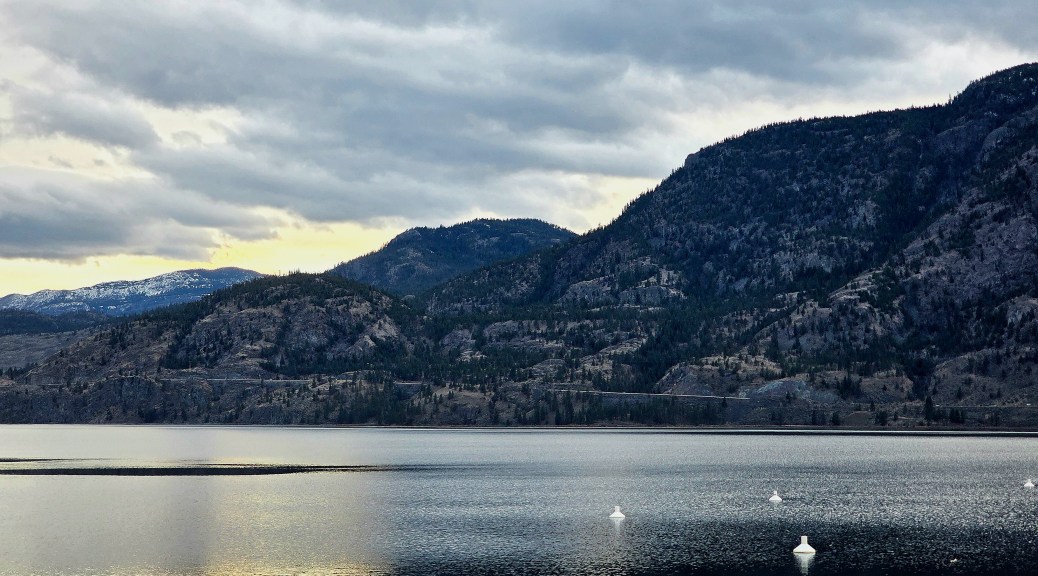
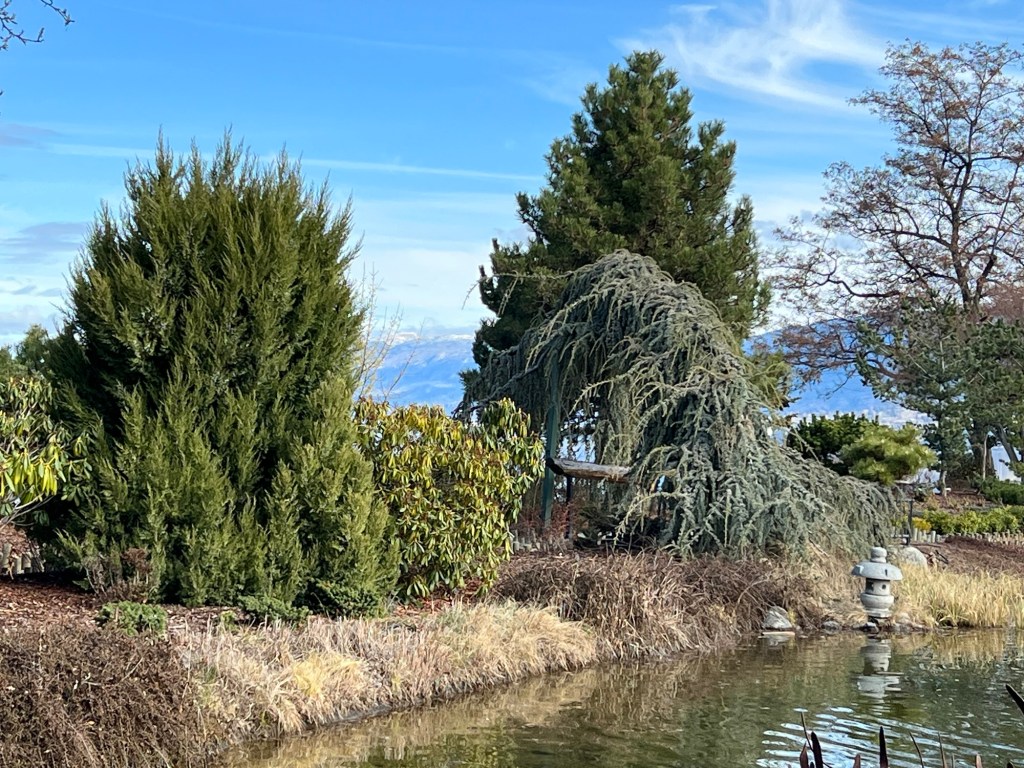
… after a(nother) wind storm.
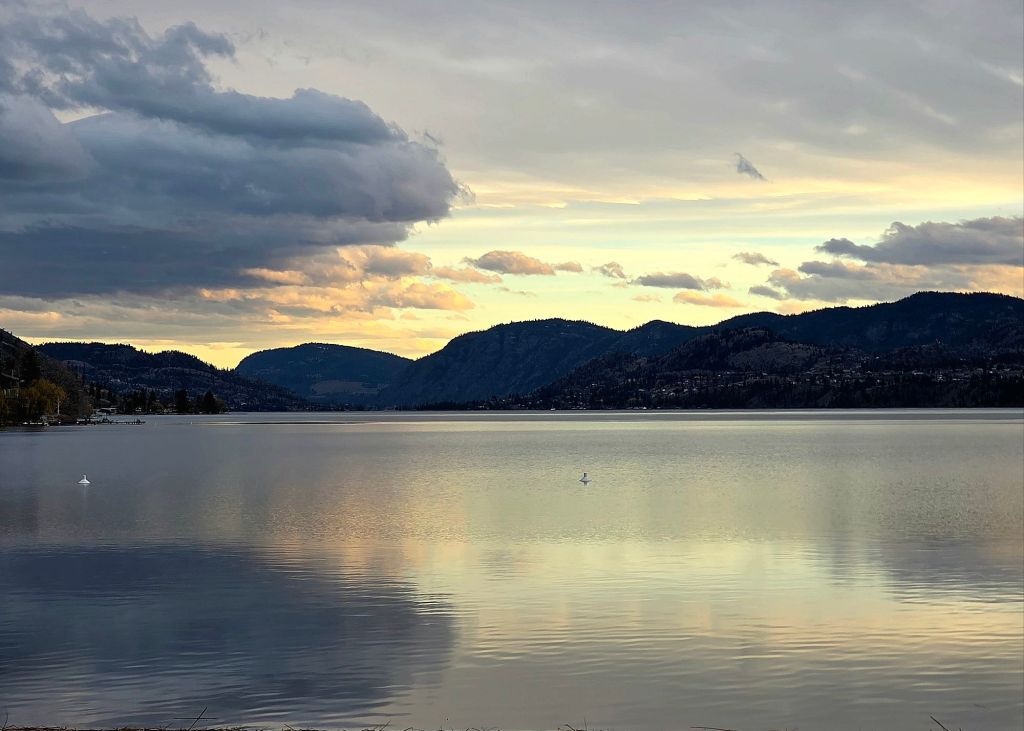
Happy Saturday.

… after a(nother) wind storm.
Happy Saturday.
When we lived in Northwest Territories we usually took at least two road trips a year to our second home in the Okanagan (2200 km or 1367 miles south by road) to enjoy warmer weather, visits with family and friends and to also stock up our truck with all kinds of food for our large northern freezer amid many other supplies. These photos are from one of our last spring road trips through NWT, Alberta and British Columbia and traversing the Rocky Mountains.
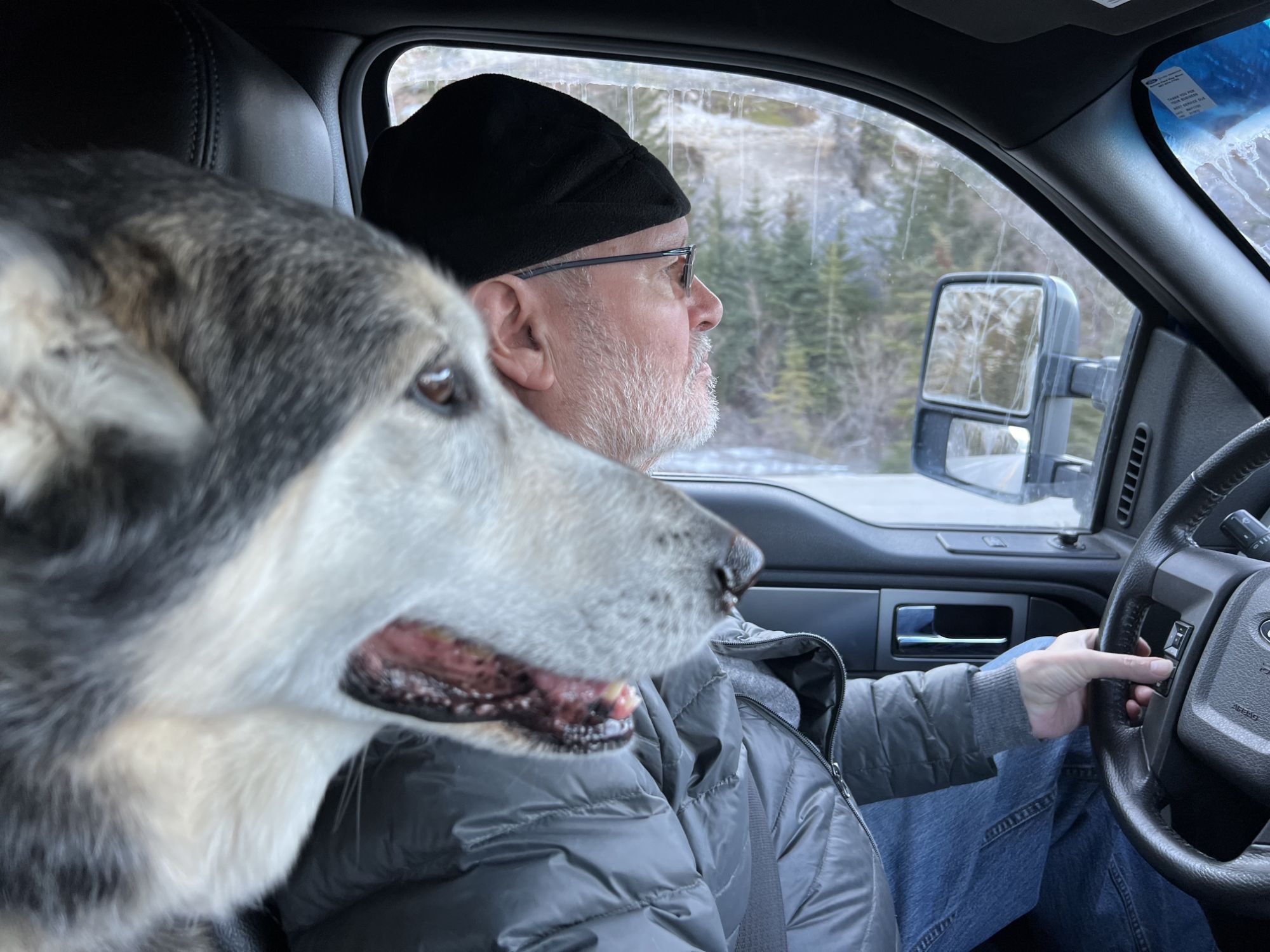
On this trip, a friend’s very sweet northern dog came with us. She loved to put her head between the two front seats so that she could watch the road. Riding shotgun was definitely her thing! To give me a rest, my wonderful M did most of the driving.
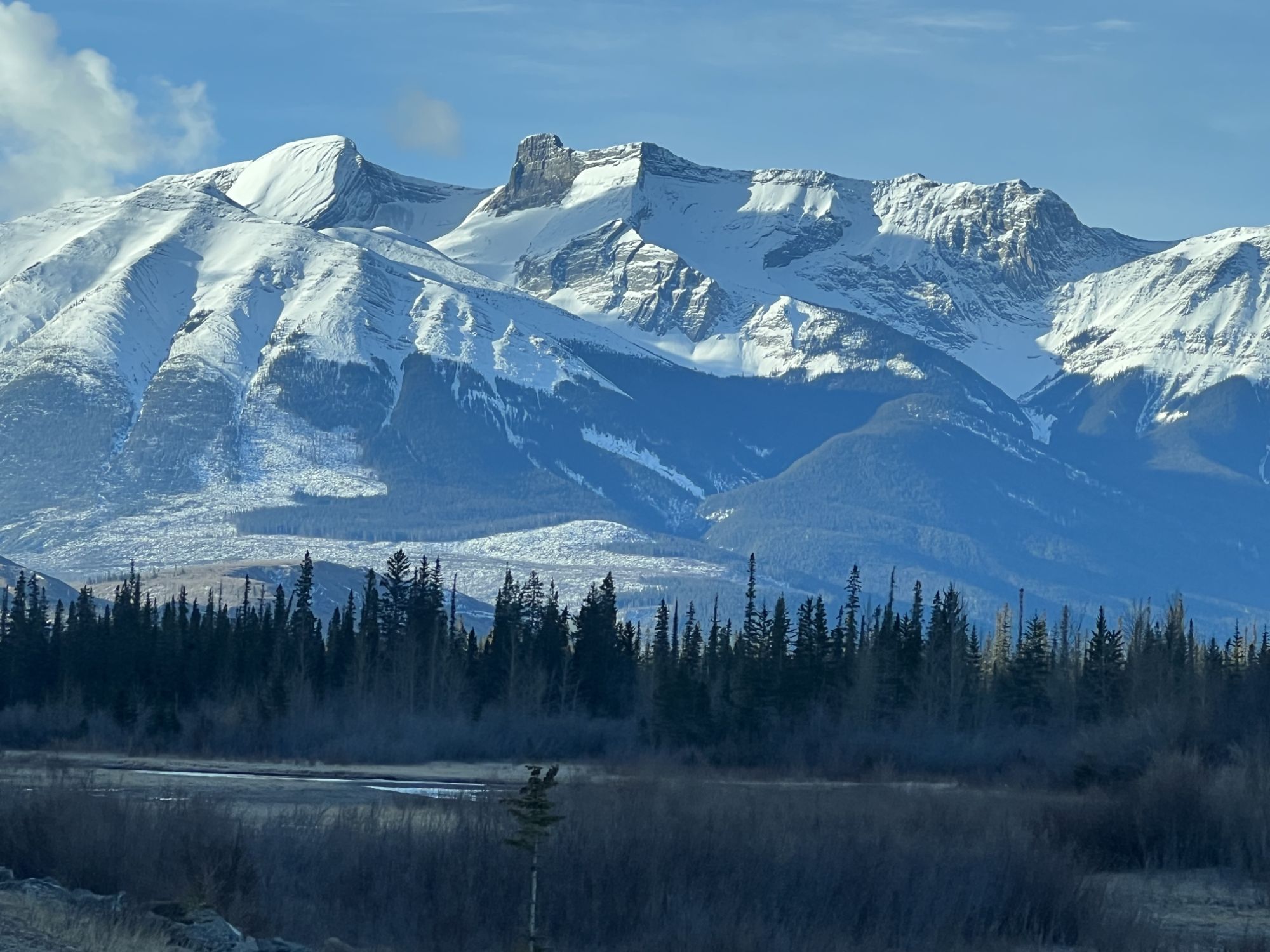
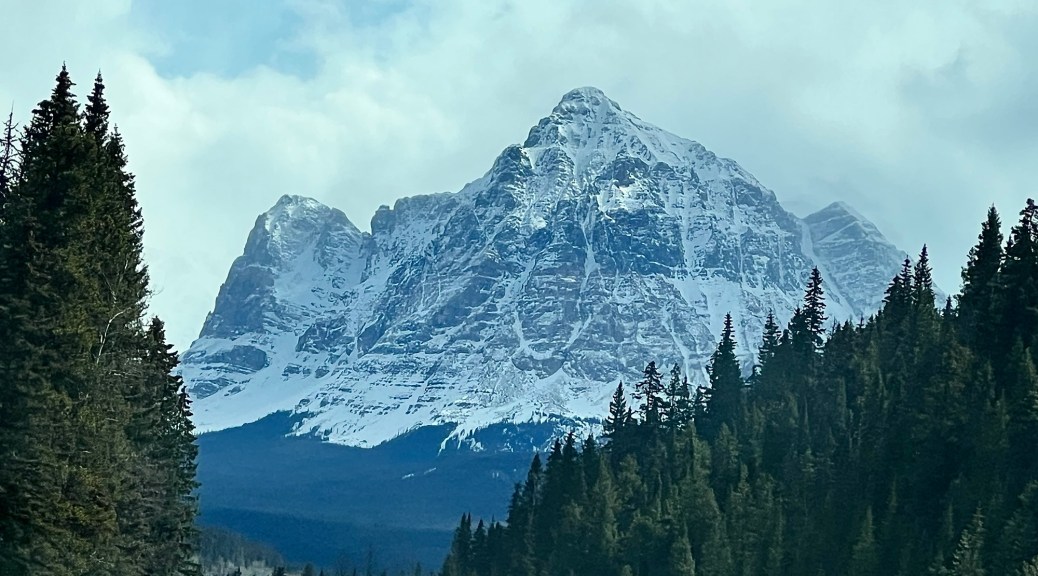
The mountain peaks were snowy but the skies were clear and spring was certainly underway.
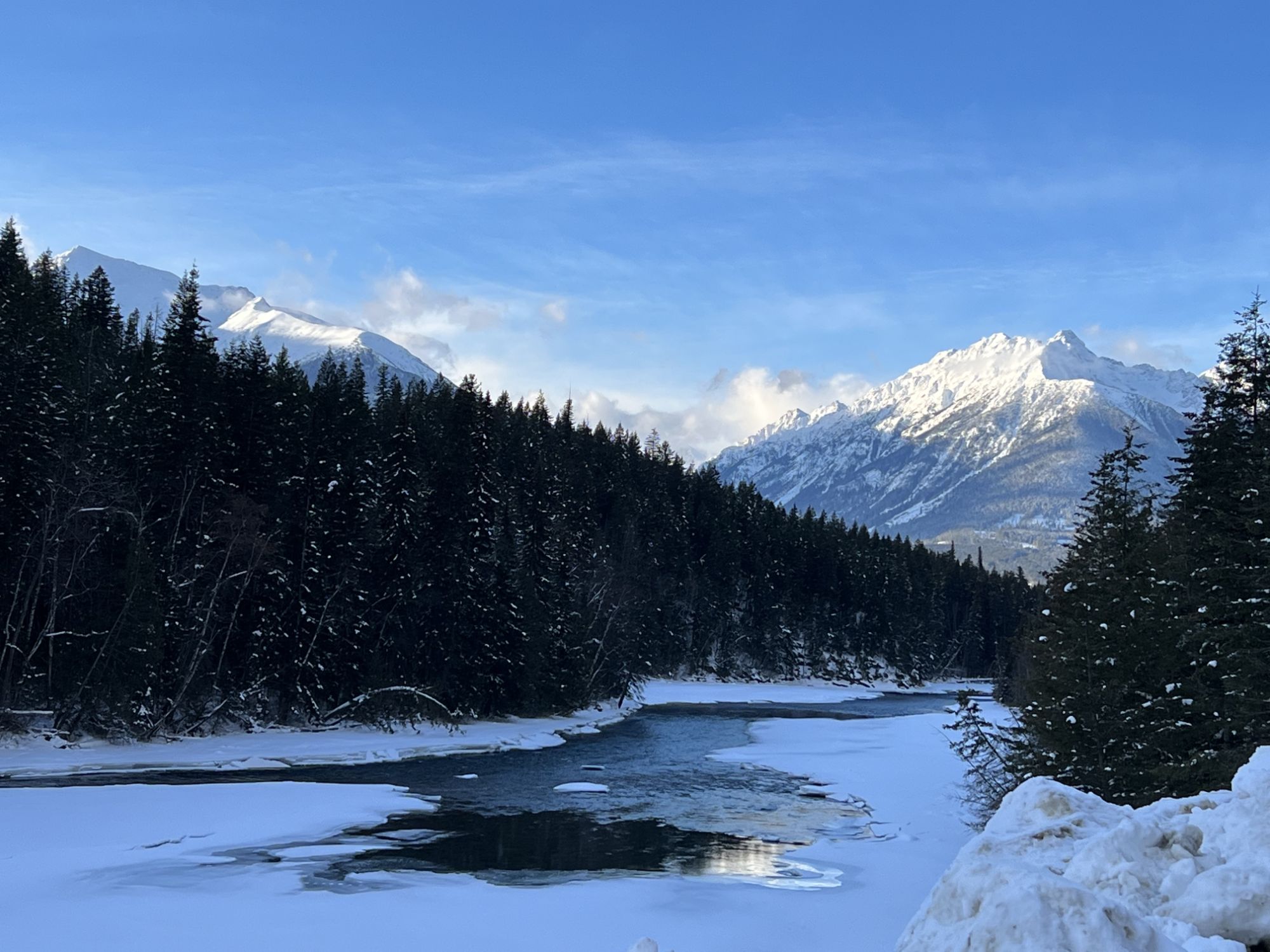
We did encounter some weather because after all, it was the mountains in March!
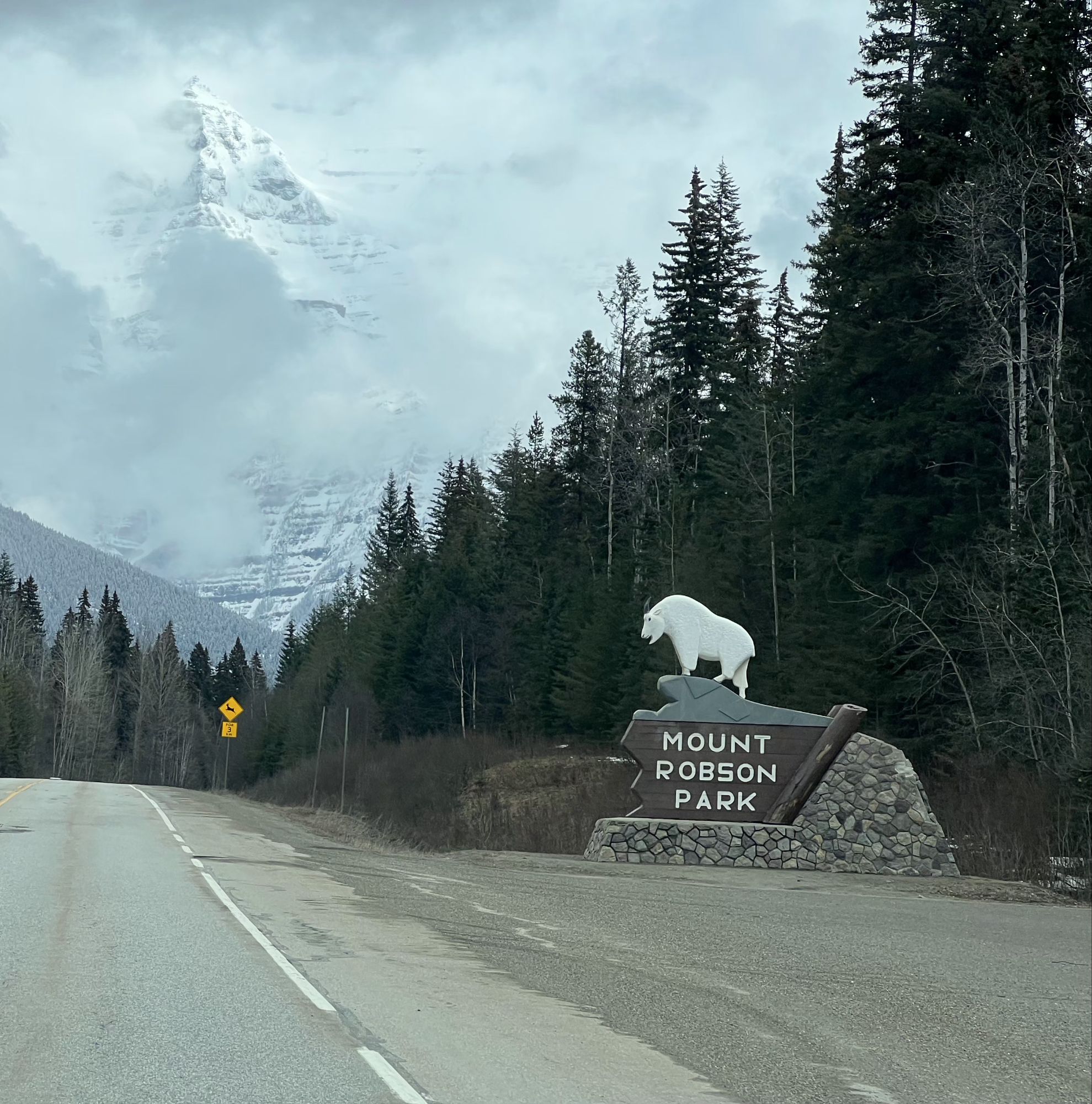
This is the entrance to Mount Robson Provincial Park in British Columbia.
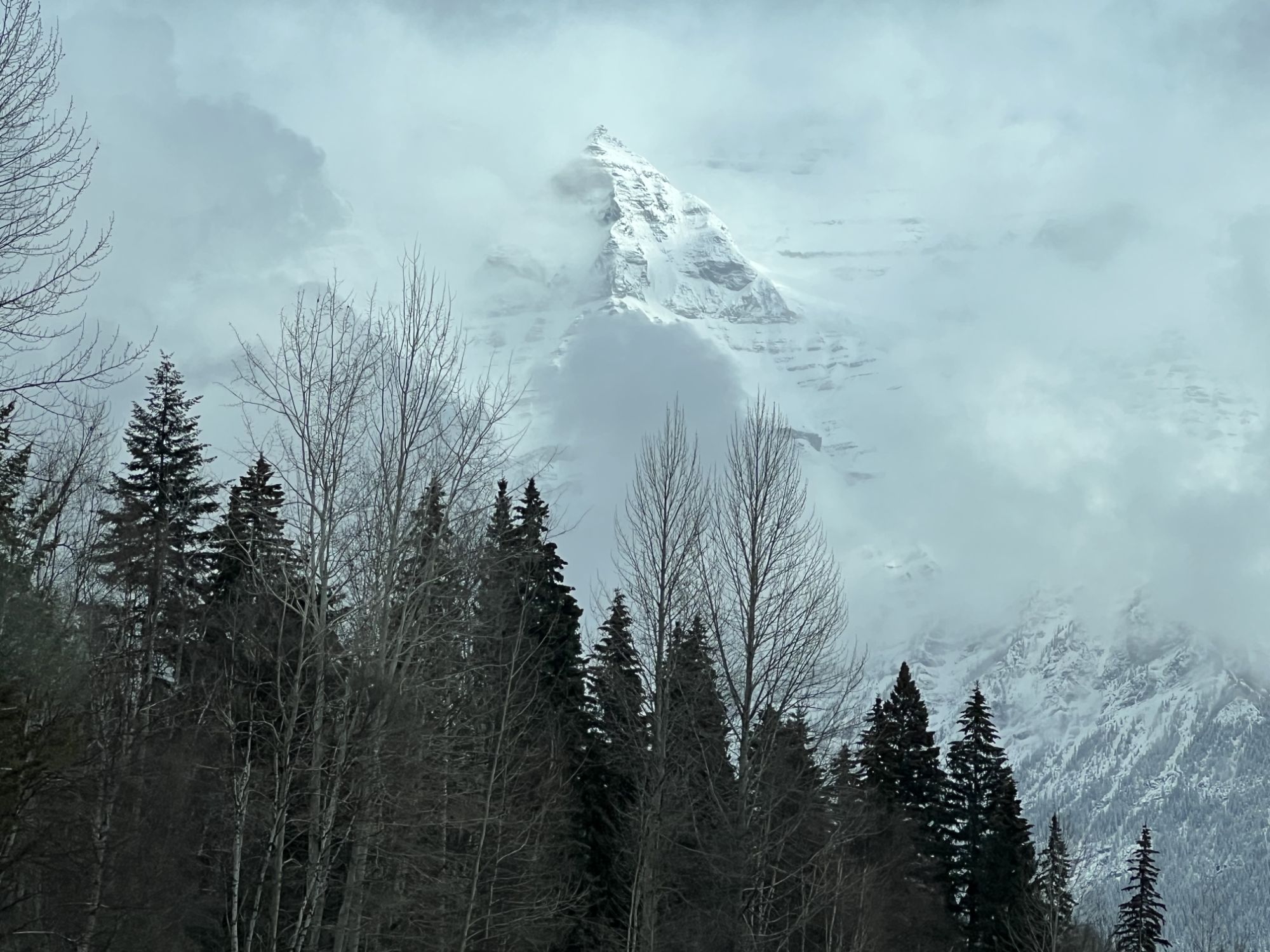
It’s known for its fabulous backcountry hiking and camping. Since it’s somewhat overshadowed by the nearby and more famous Jasper National Park, it tends to be a bit overlooked, but it’s well worth a visit.

Because we were so familiar with this route, we knew where to stop for a relaxing evening before continuing on the next day. A glass of wine and a book next to the fireplace was primo!
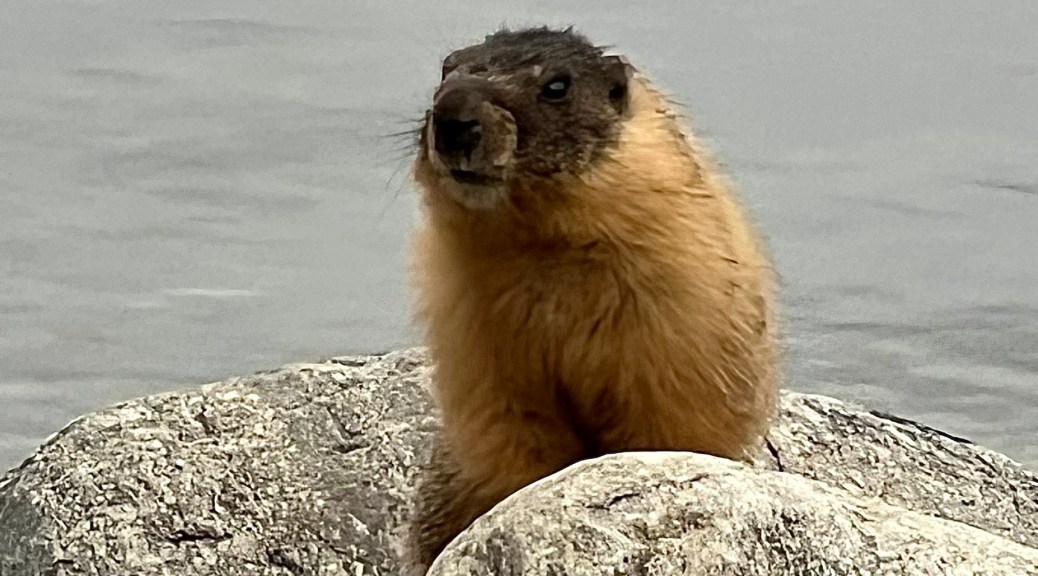
A single marmot has awakened to take a very sleepy peek at whether it’s worth getting up; he looks like he needs a strong coffee!
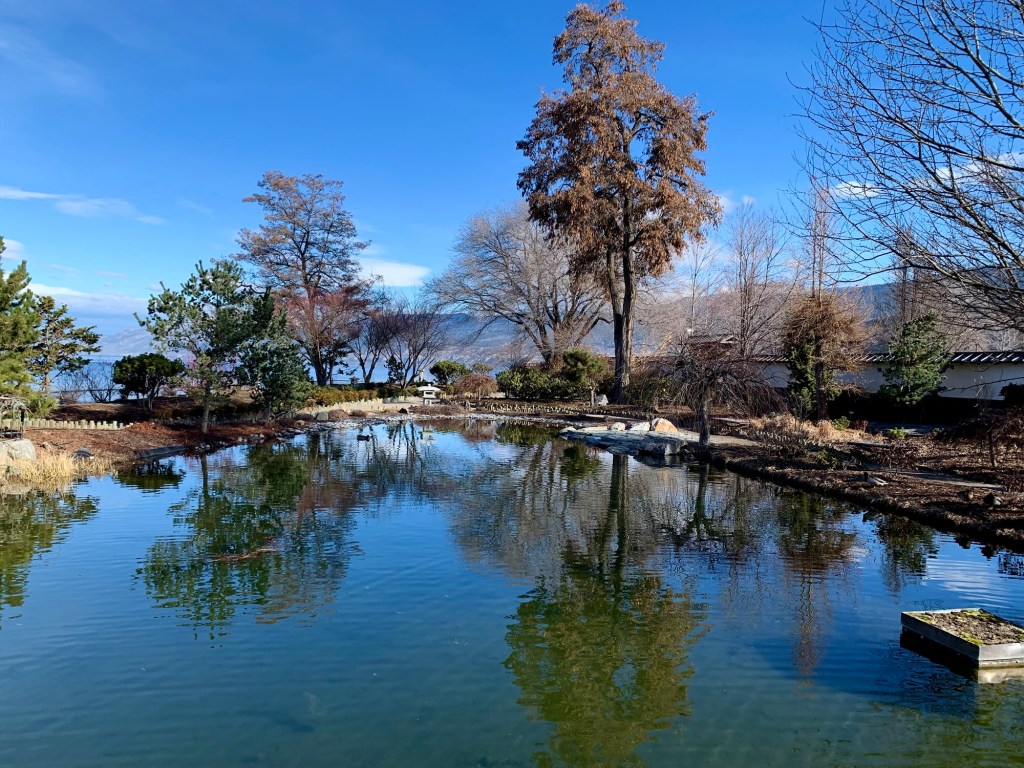
All around, other awakenings are also happening. The springy blue sky weather …
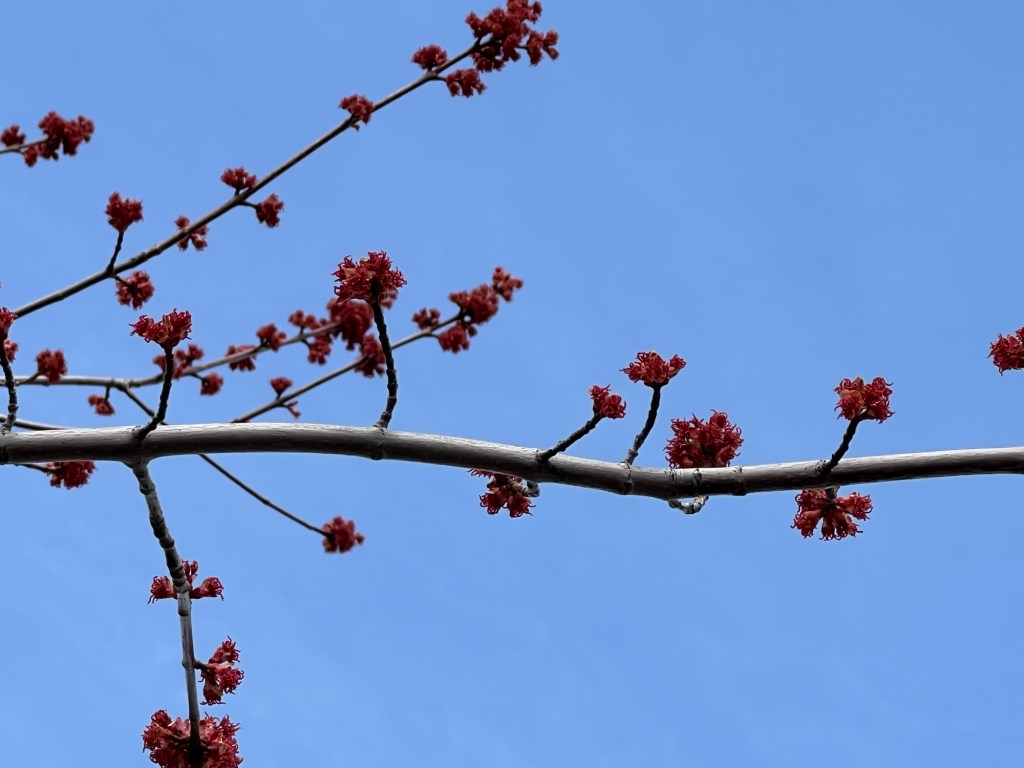
… the buds and leaves appearing …
… and the birds beginning to think about nesting.
Isn’t it wonderful? Happy Wednesday.
We’ve had a lot of wind in the last couple of days, pushed forward by a cold front coming in from the Pacific.
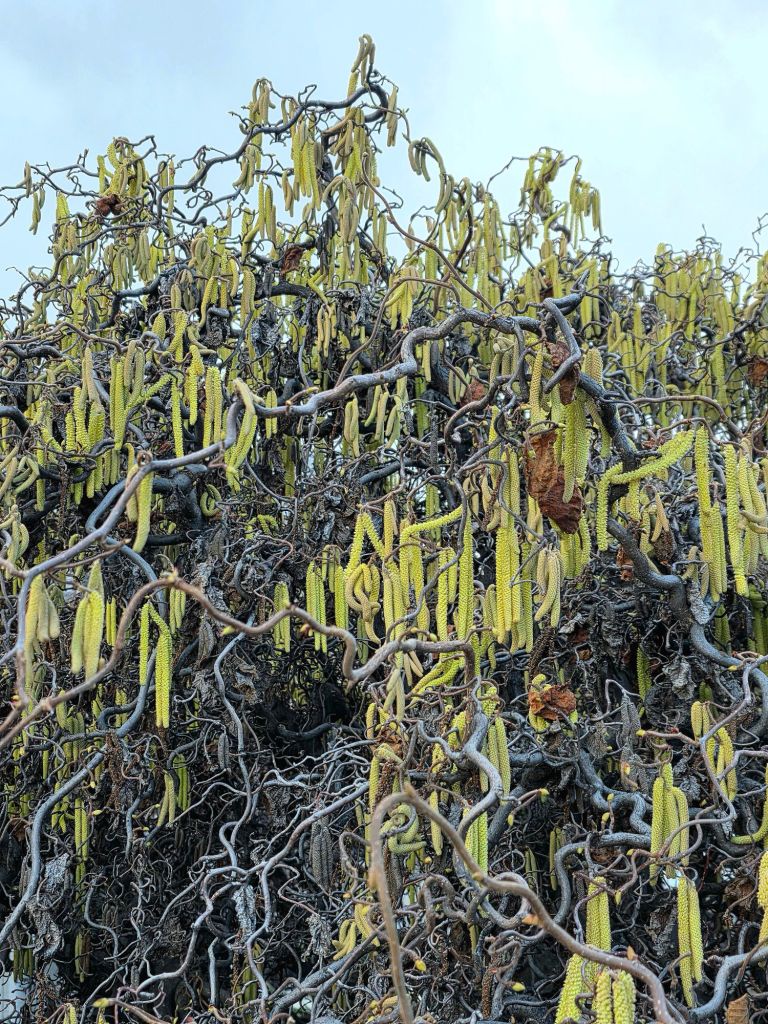
The cooler temperatures brought by the winds are dissipating now but nevertheless, plants, trees and shrubs were unaffected and continued to bud and bloom, like the hazel nut tree above.
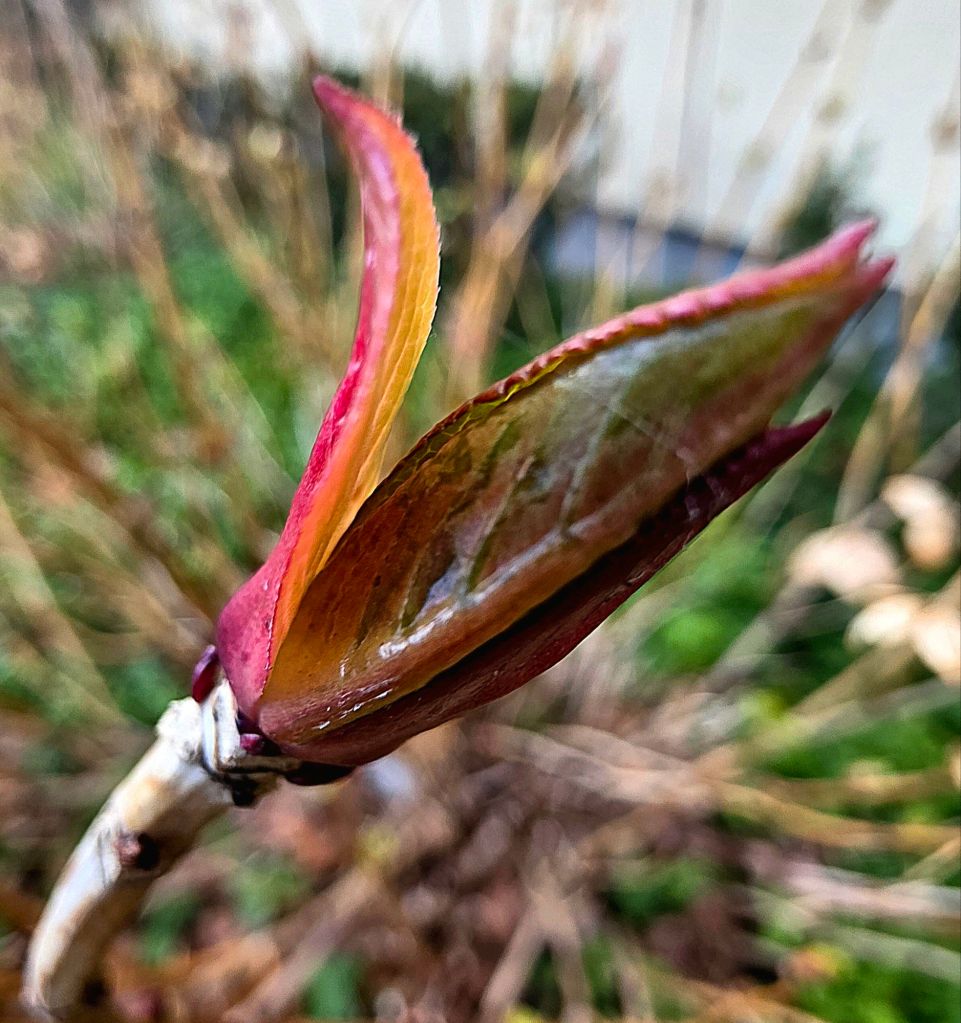
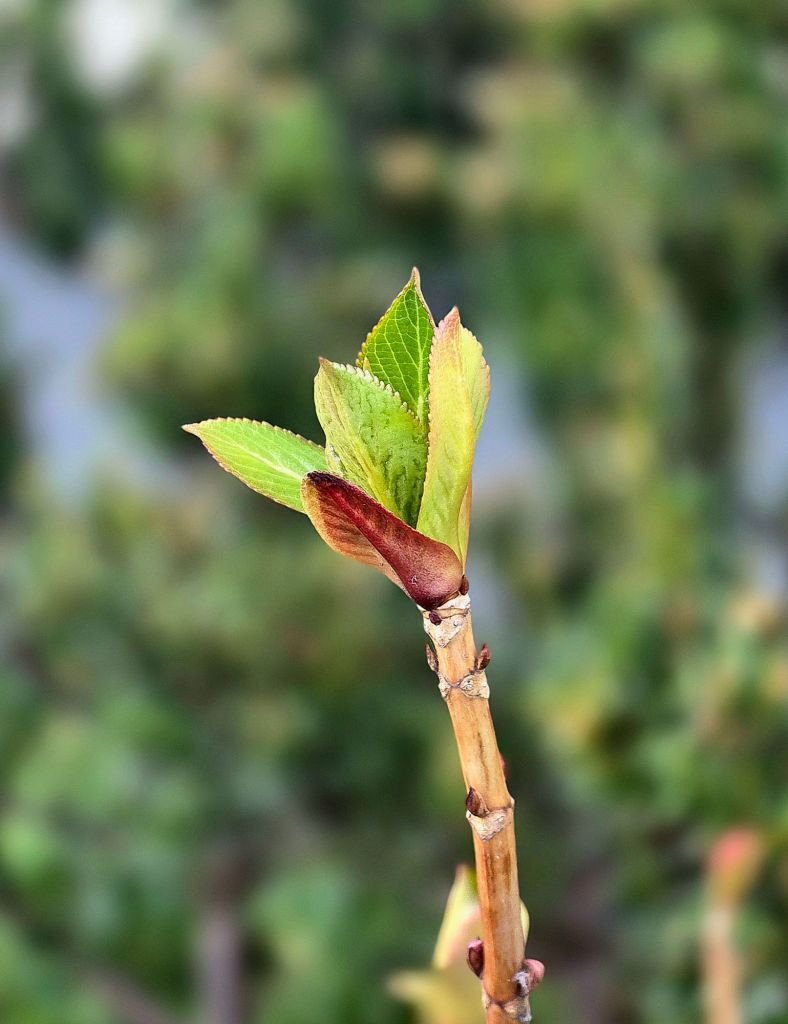
These mountain hydrangea leaves are moving quickly along, too …
… as are the willows.
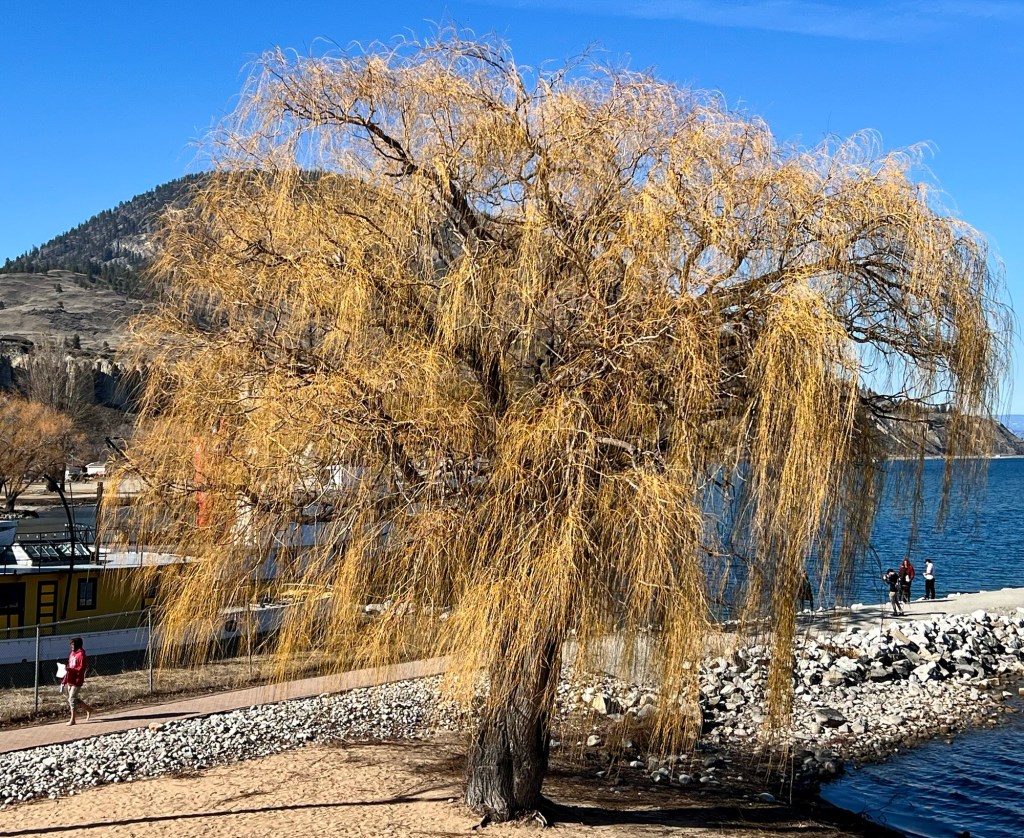
So great to see.
Happy Tuesday.
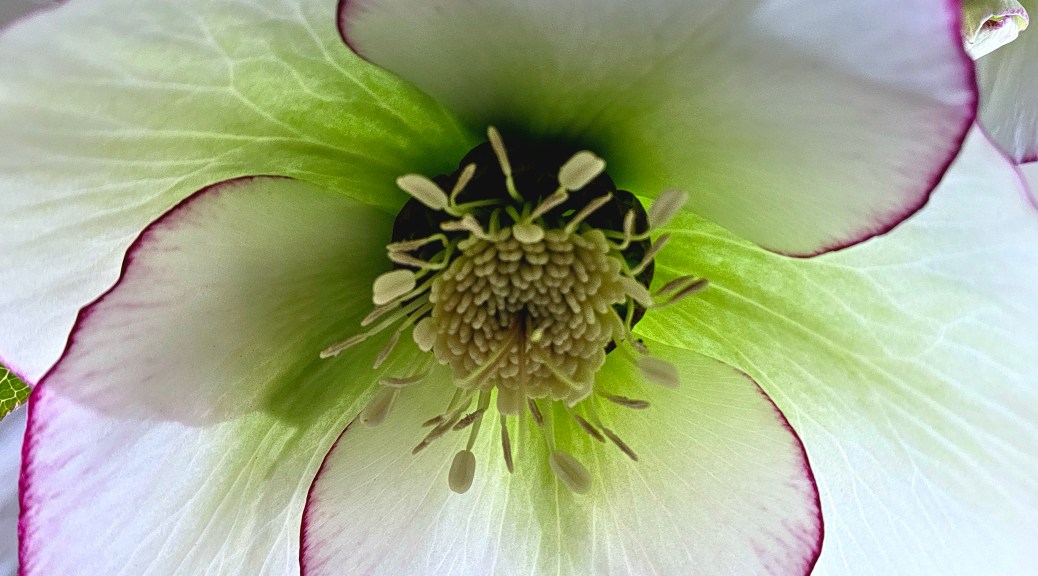
Here’s another hellebore update. The earlier posts about these lovely bloomers can be found here and here.
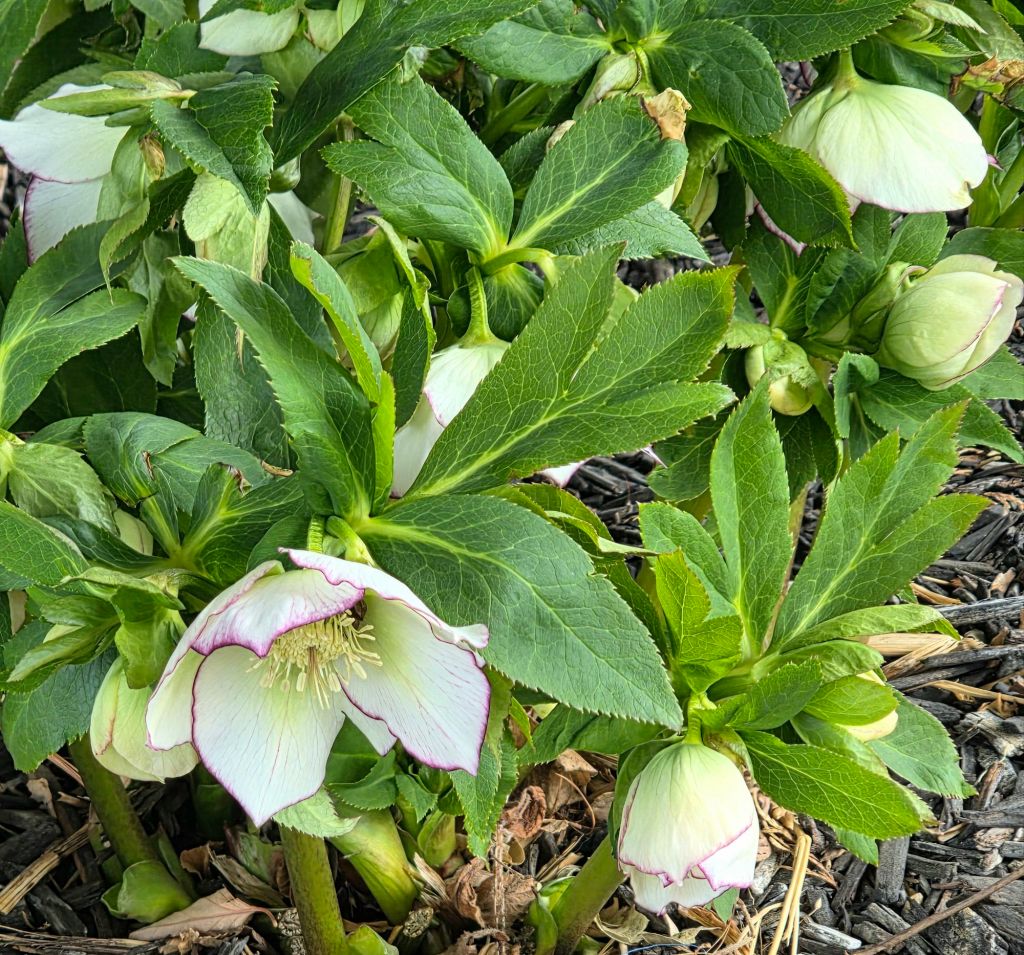
They wait to fully bloom and are gorgeous throughout their budding and blooming phases.
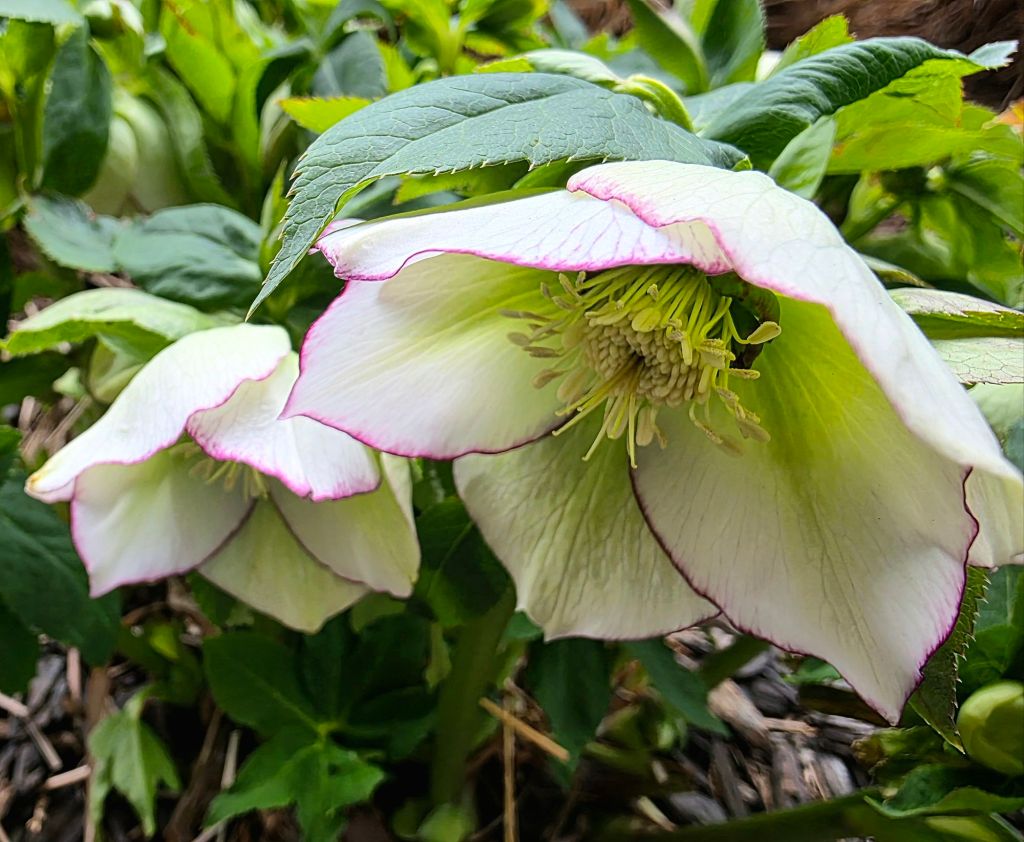
Most of these particular hellebore have a pretty red border around the petal edges.
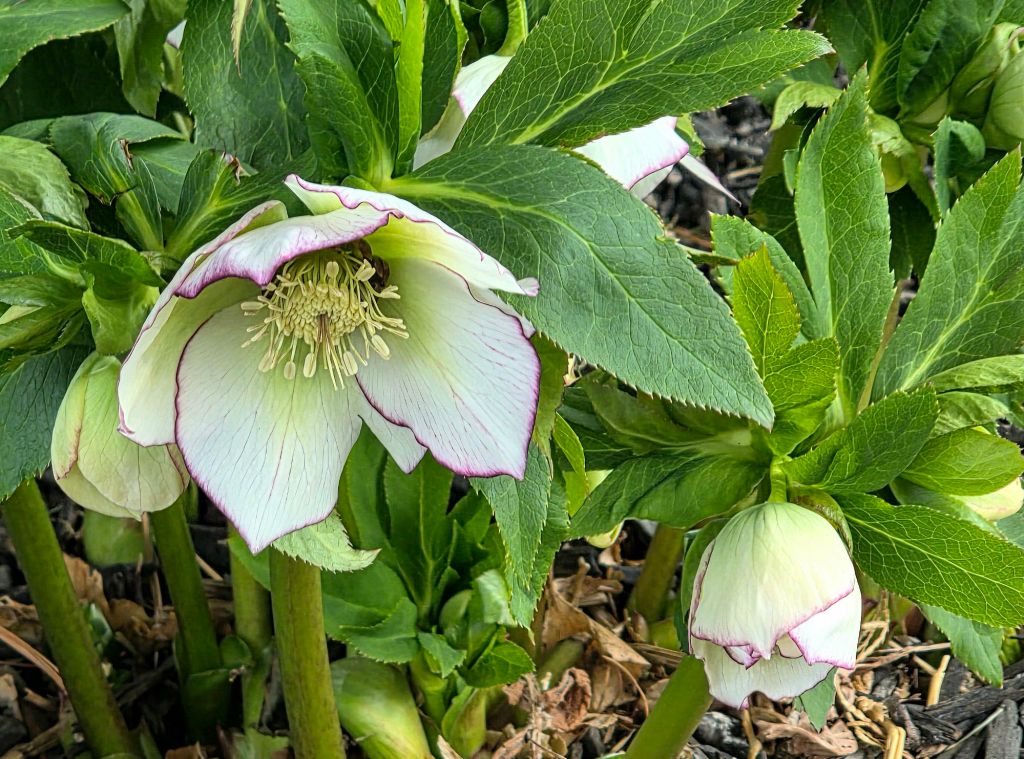
Very pretty and certainly very spring-like.
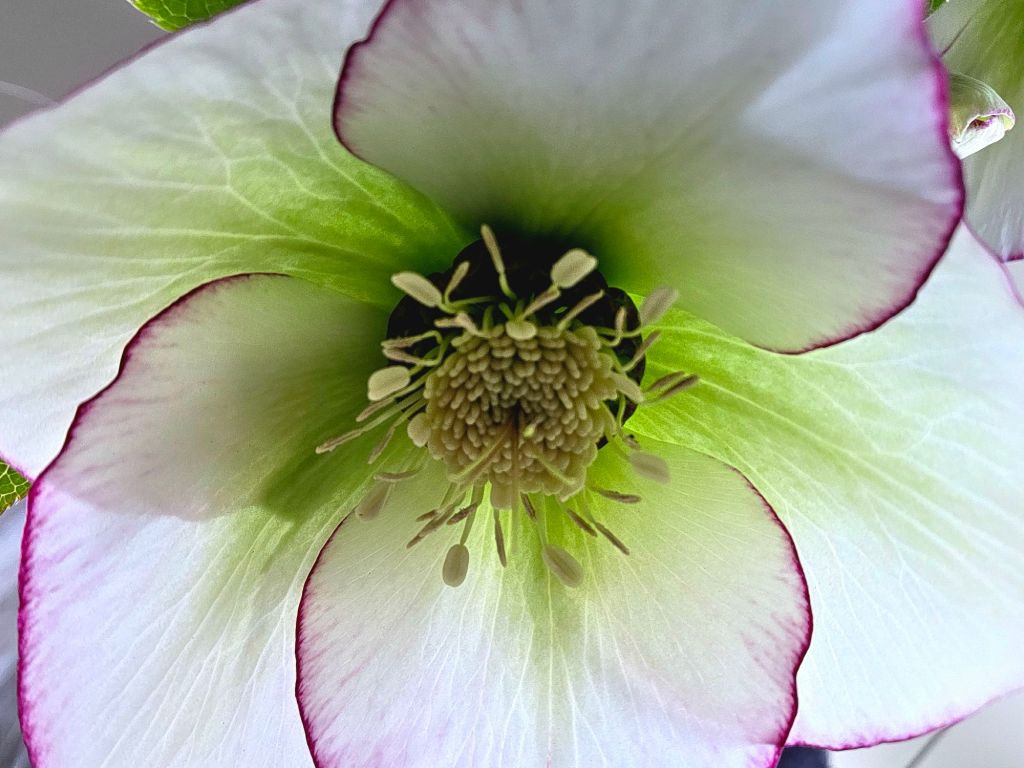
Happy Friday.
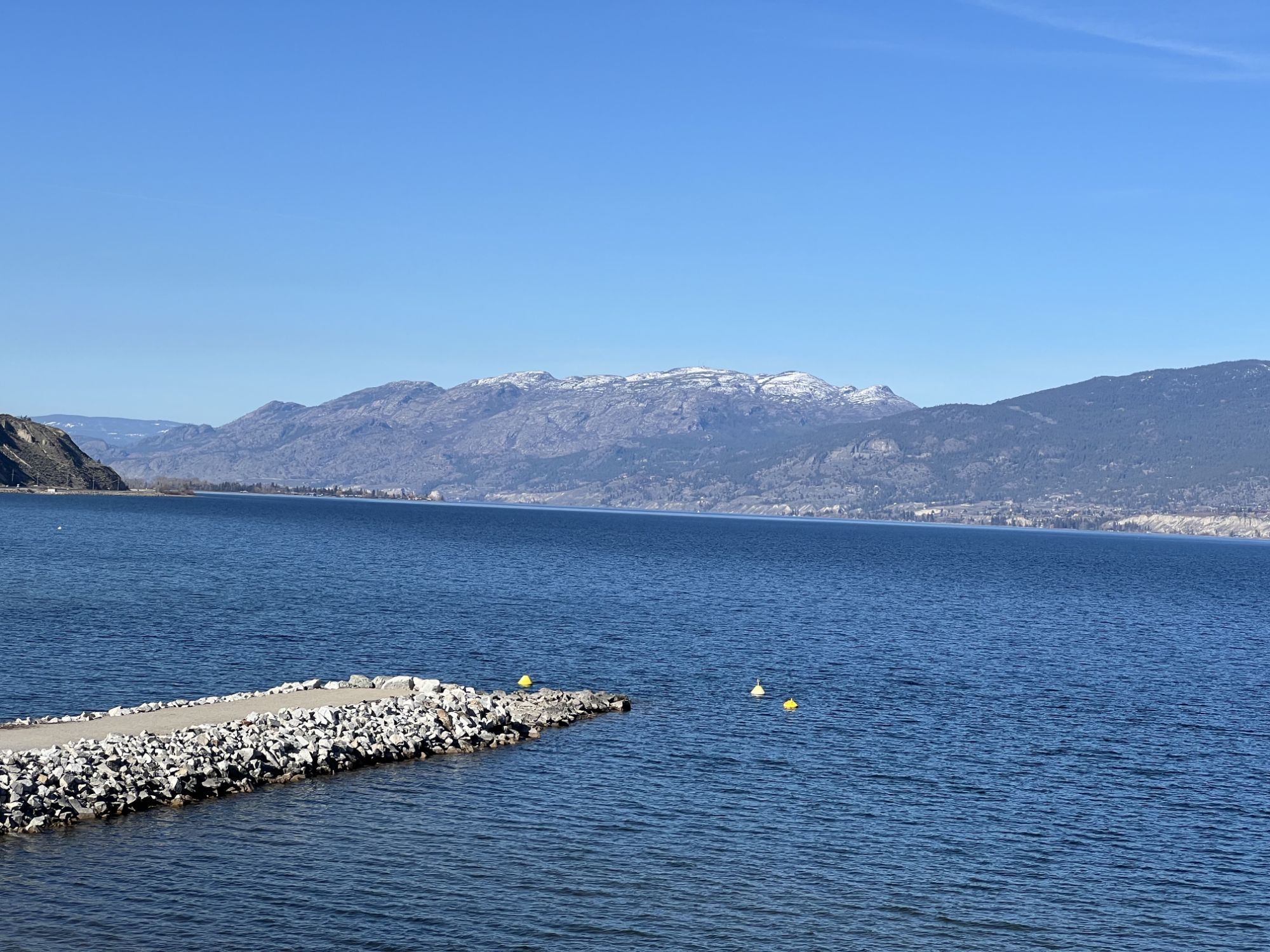
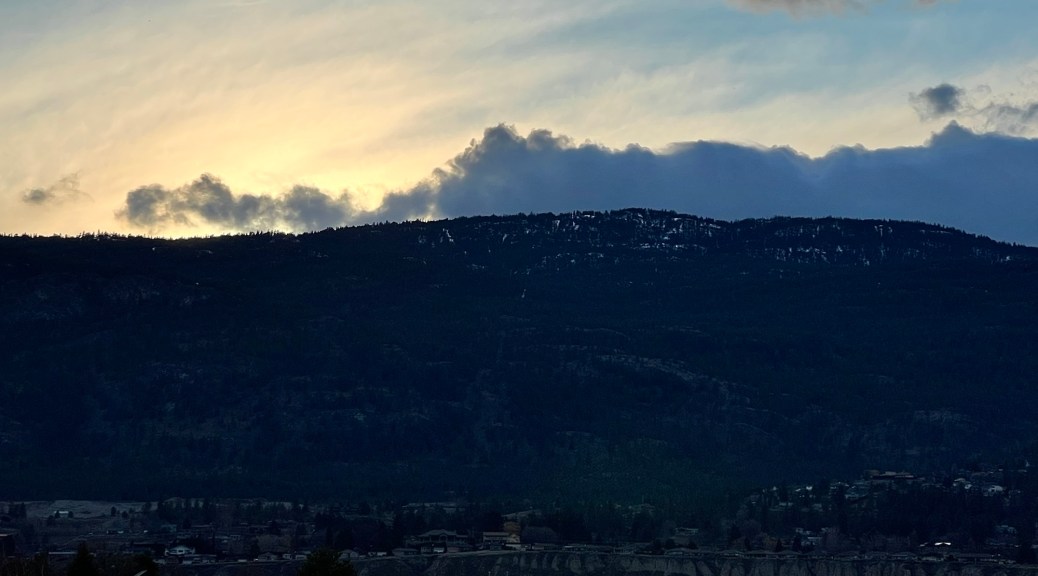
Before the rain arrived, we had some lovely sun …
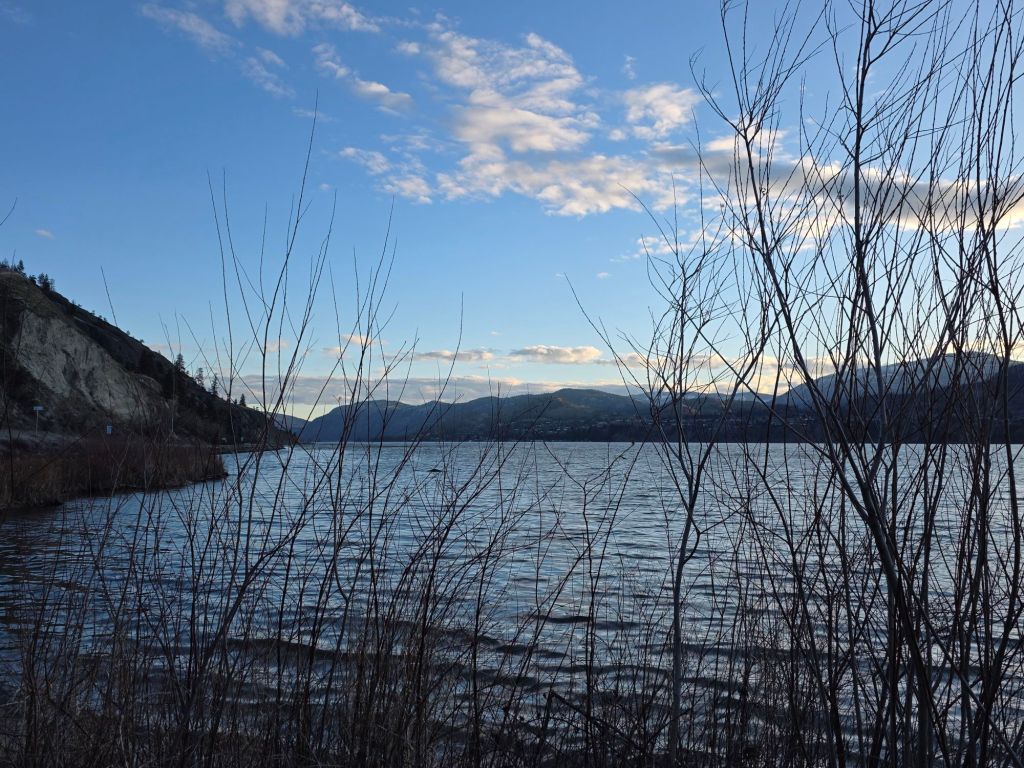
… followed by a pretty evening.
Happy Wednesday.
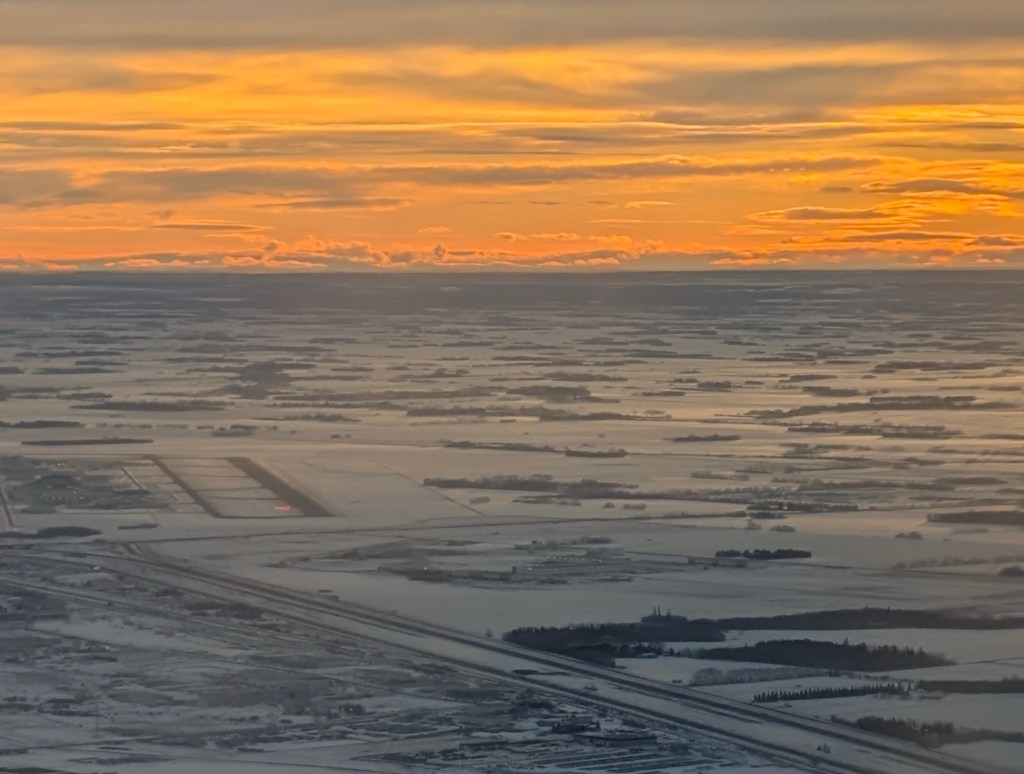
Then: a quick January flight to Edmonton; it was -45C (-49F). There was a lovely sunset and beautiful clear air but I didn’t stay long. There’s definitely a main reason why we live in the Okanagan Valley!
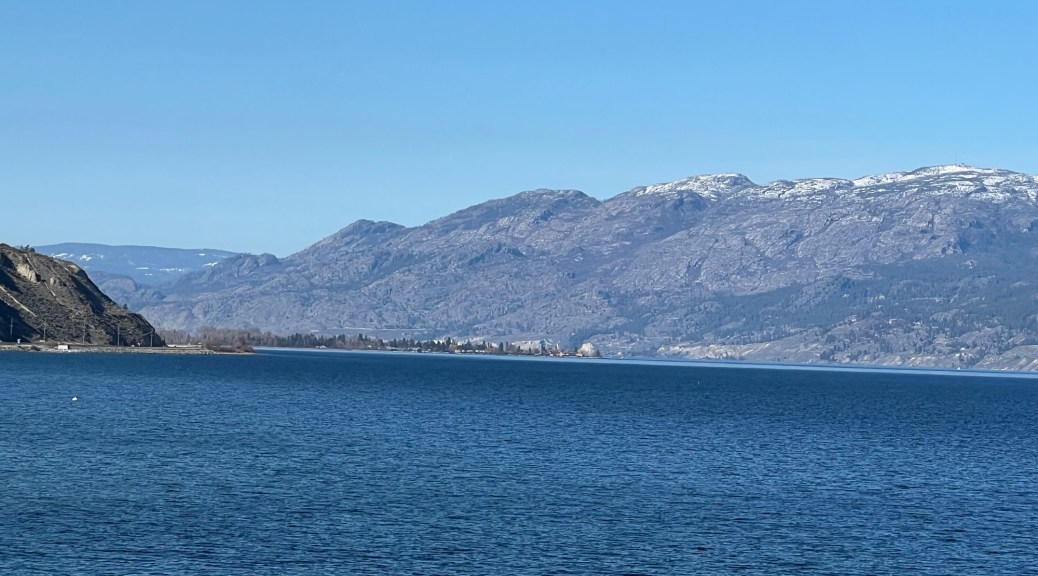
Now: a springy 12C (54F), windless, bright and beautiful …
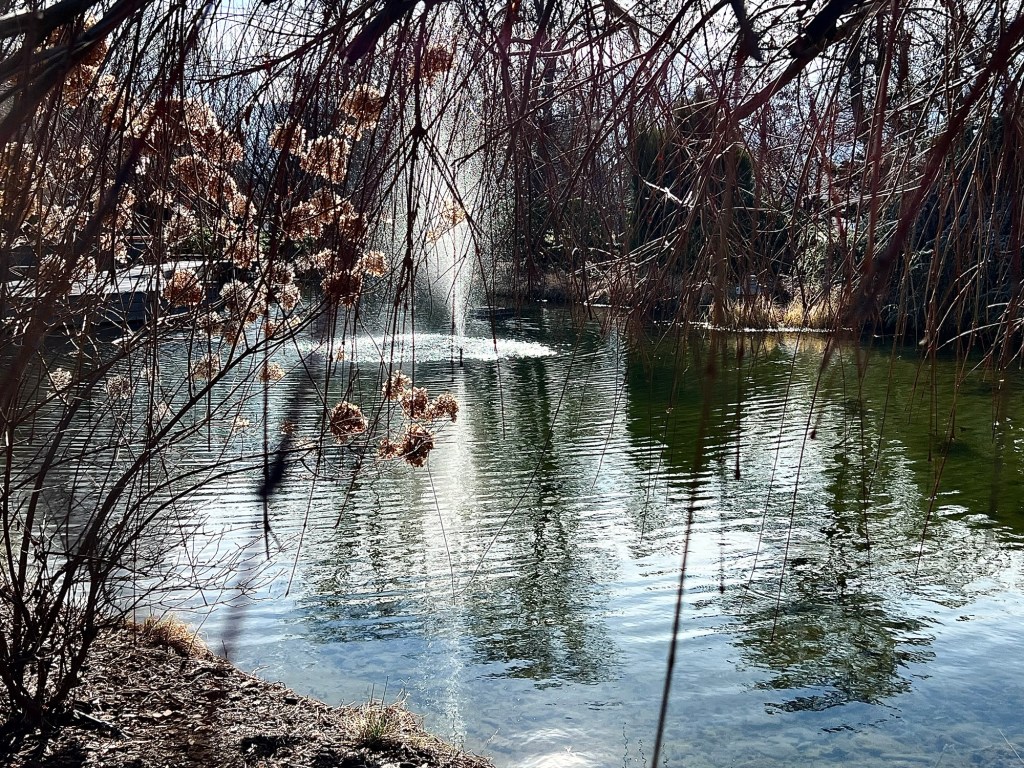
… with some real warmth coming from the sun.
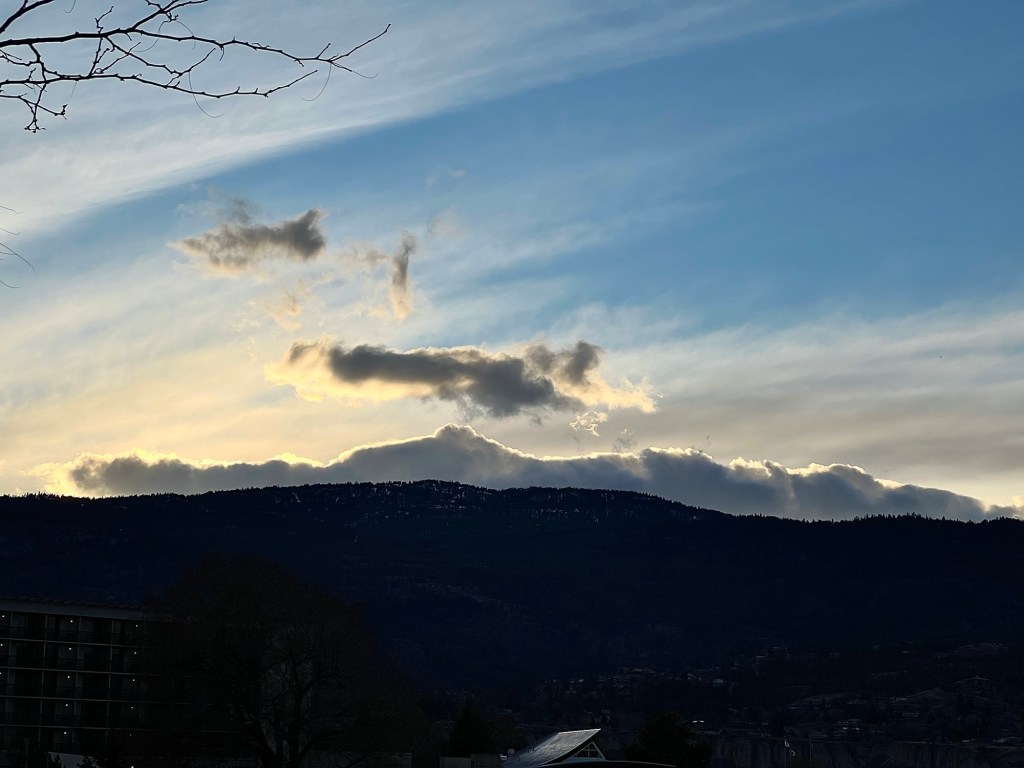
Happy Tuesday.
The buds getting ready to burst …
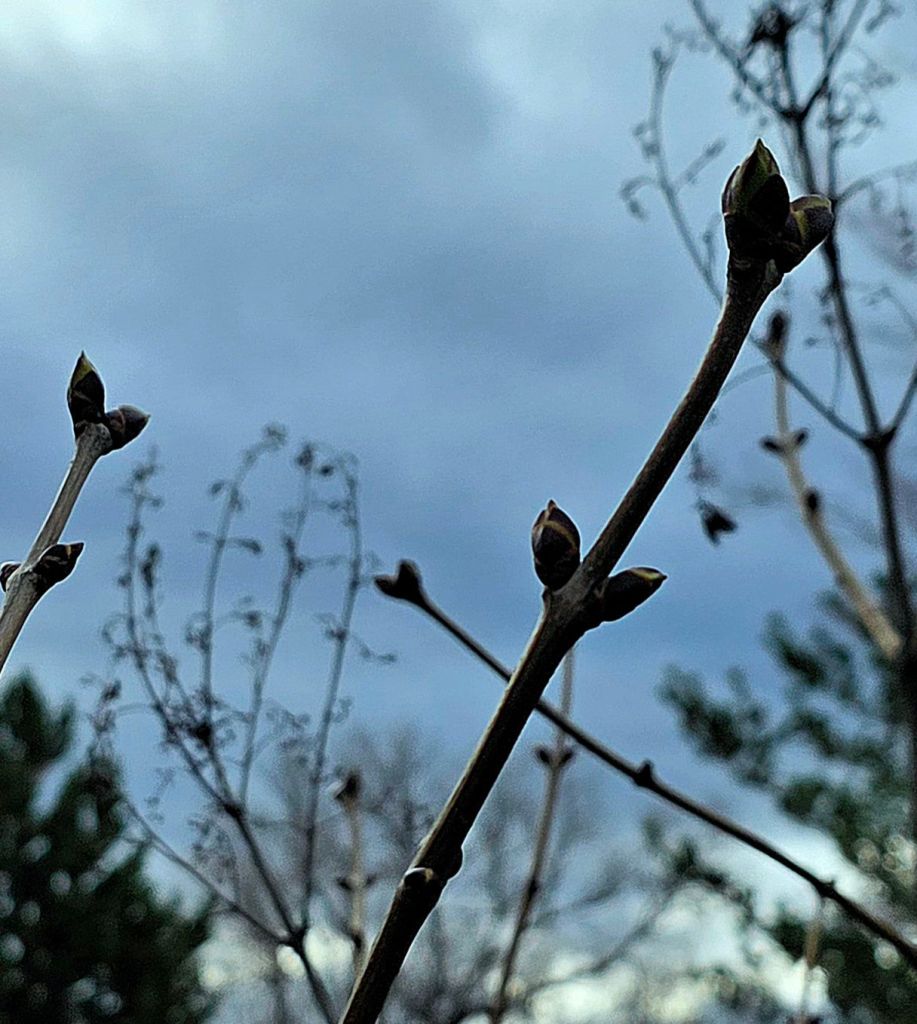
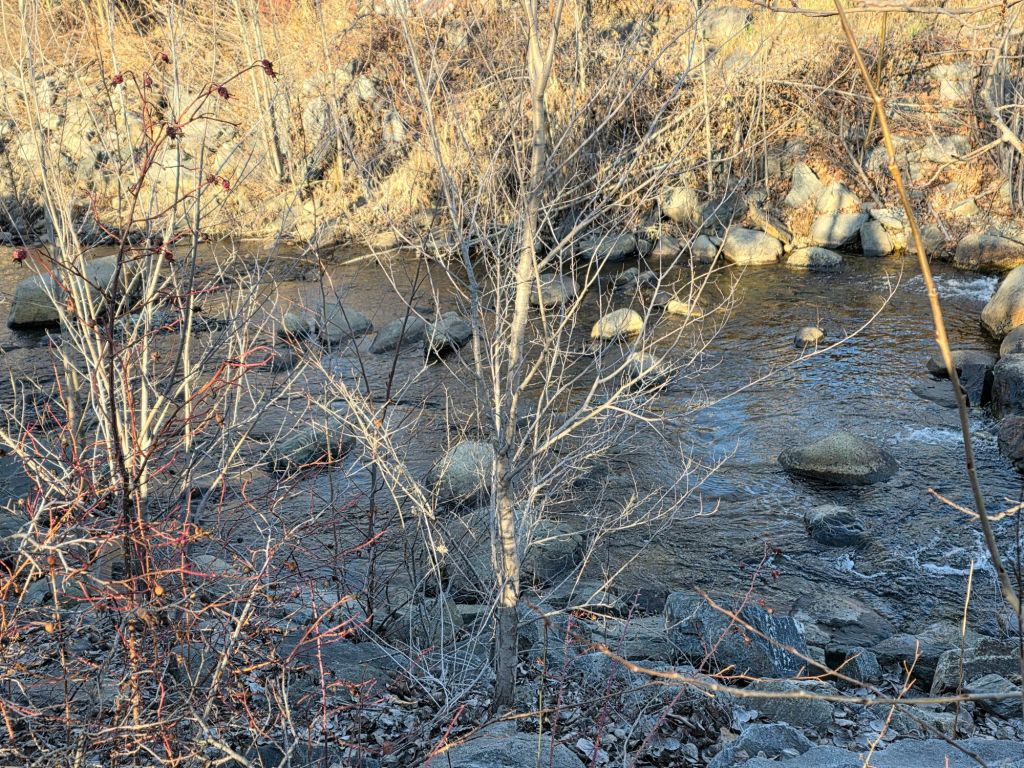
the creek level rising with early snow melt from the lower altitudes …
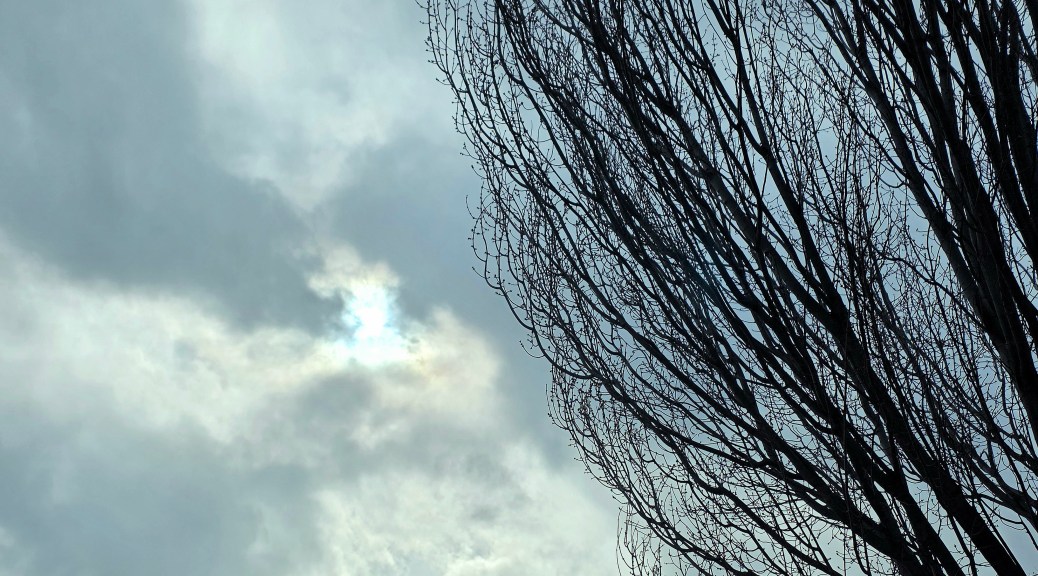
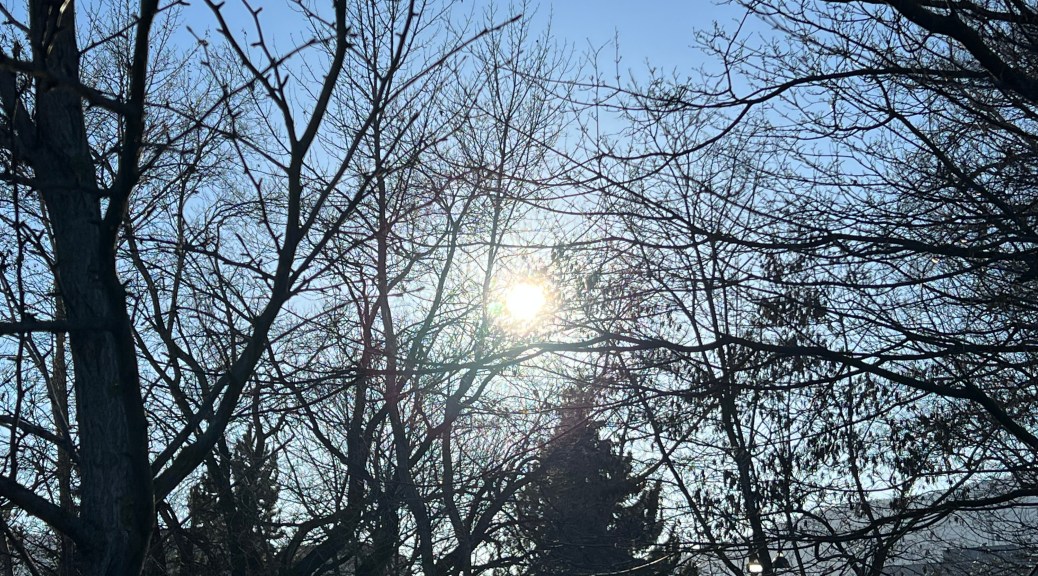
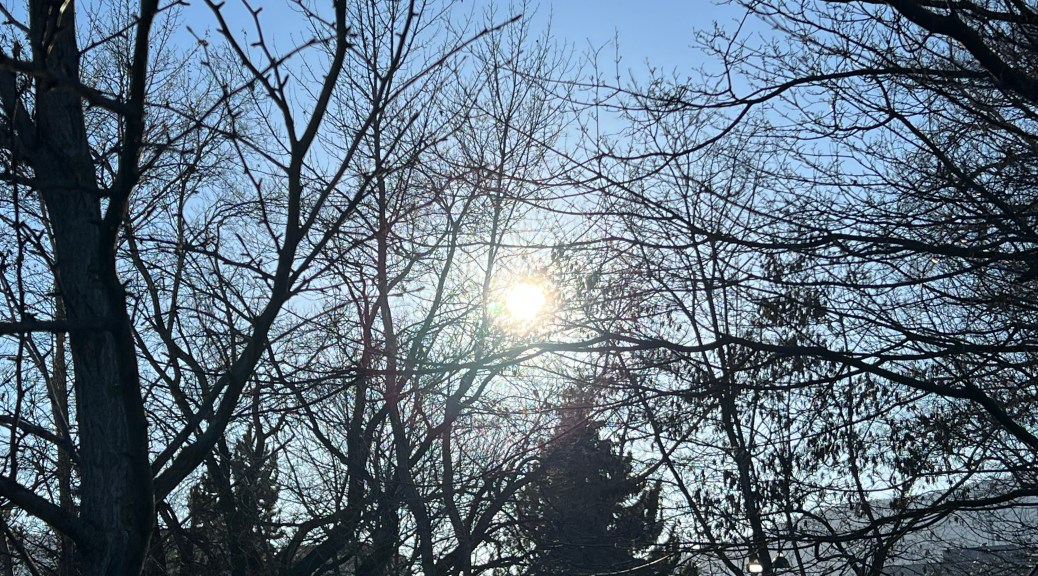
the sun showing a little power as it shines through still-empty branches …
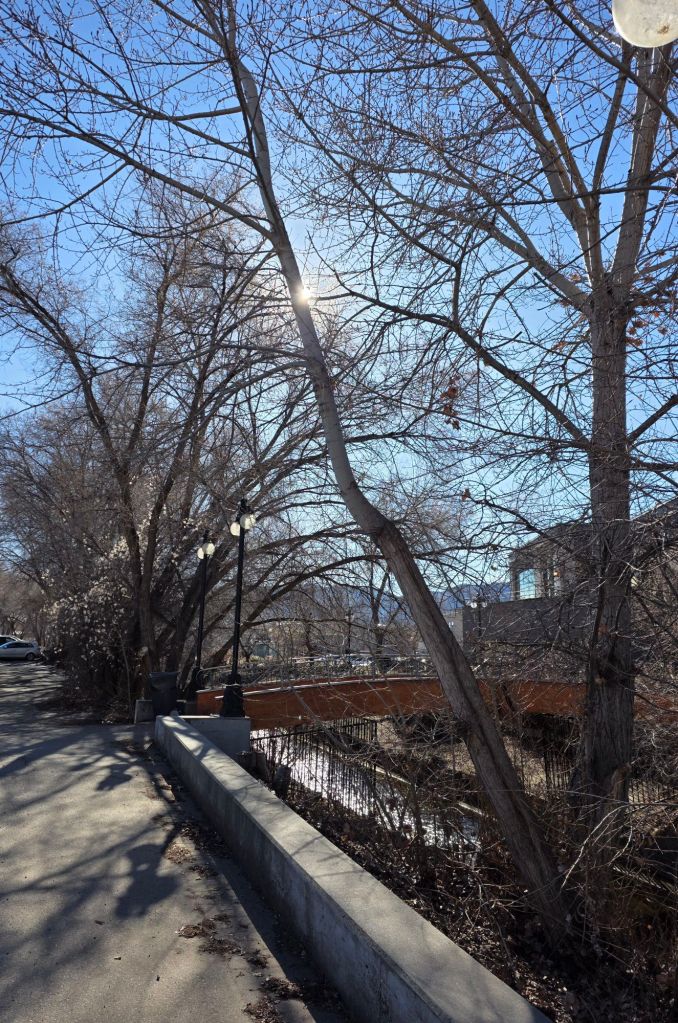
that will soon be laden with leaves.
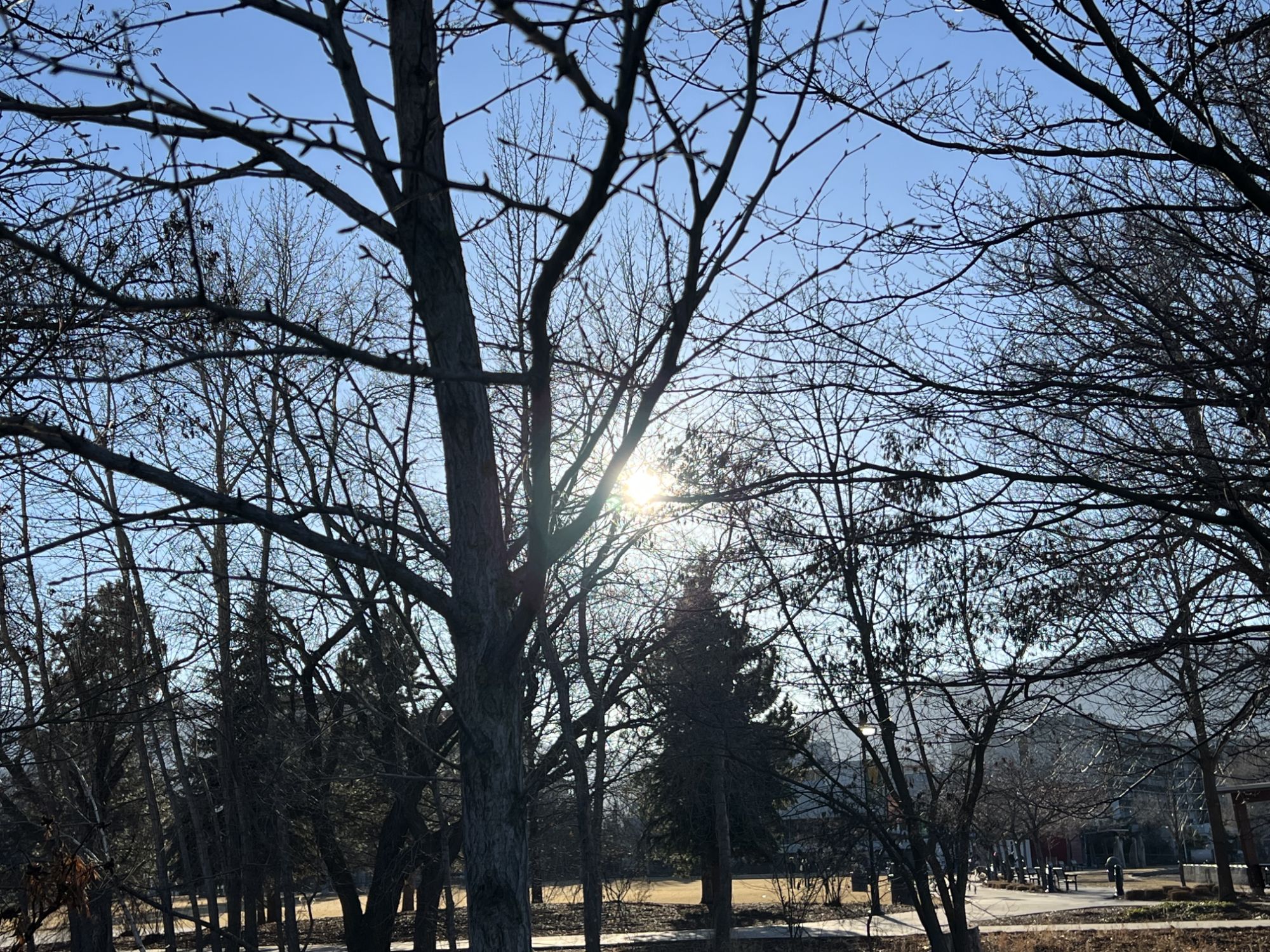
Happy March.
Yesterday we had a very spring-like day.
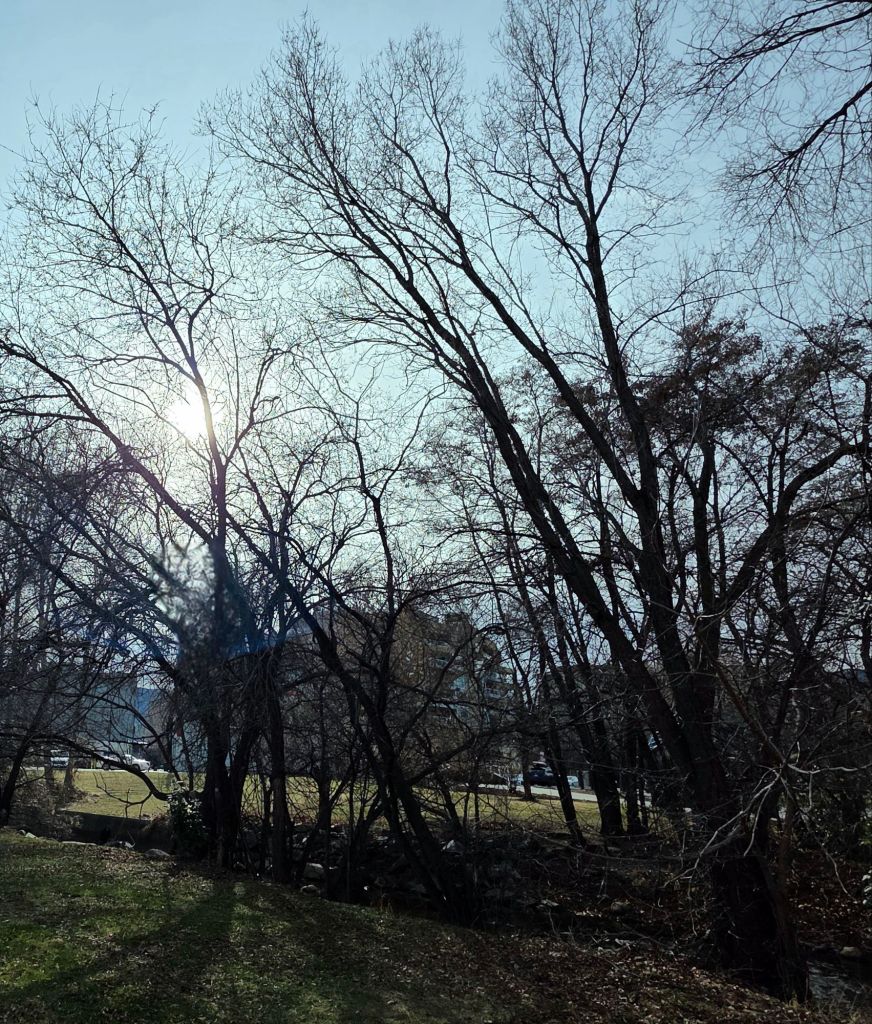
Windless, 10C (50F), and sun that had a little oomph going on.
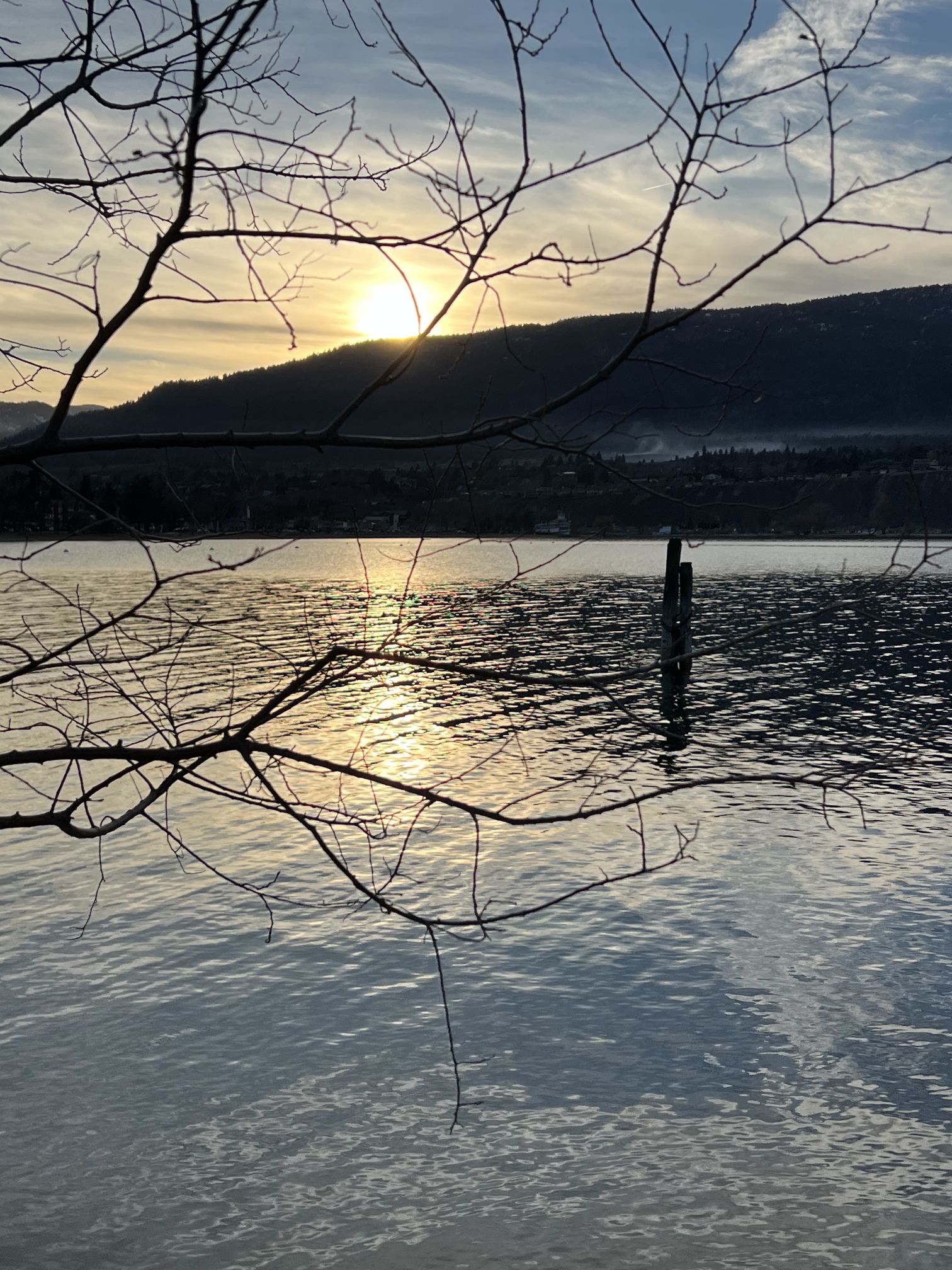
It was lovely to sit in the gentle warmth and just enjoy.
My apologies to all the people throughout North America who are presently buried in snow or dealing with slush and cold rain and wind, but once spring starts, it does have a way of rolling forward, even if there’s a bit of to-ing and to-ing. It’s coming.
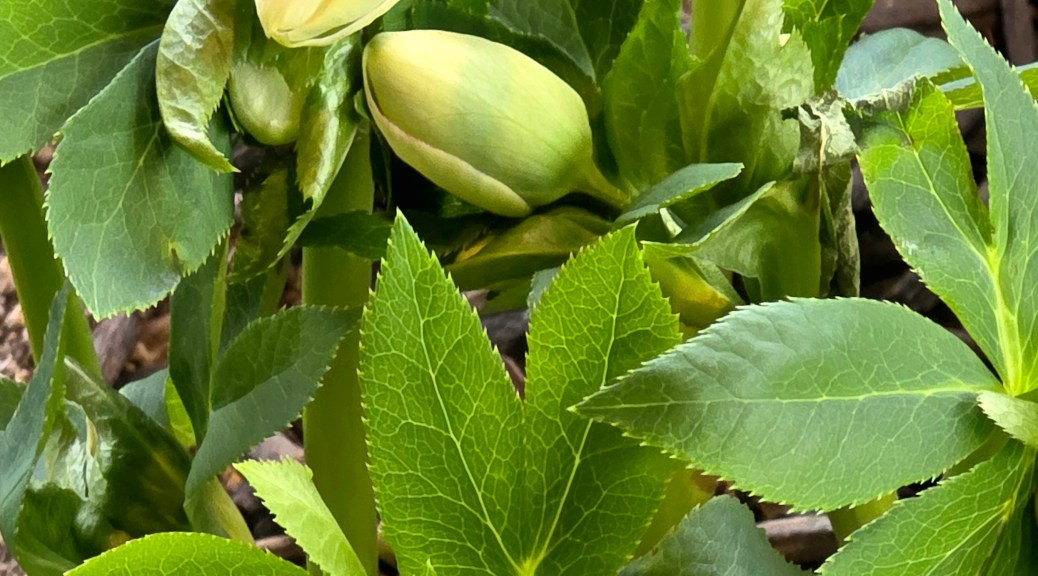
I was delighted to find these hellbores (helleborus) getting ready to bloom.
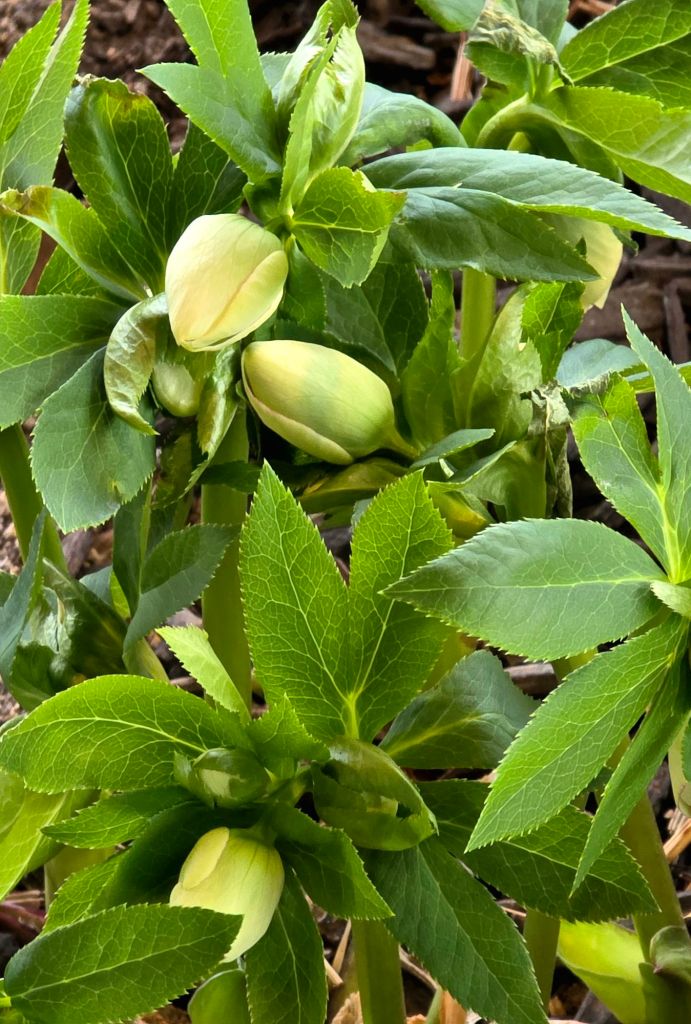
Often referred to as winter roses or lenten roses, they are in fact not closely related to the rose family. No matter what they are called however, it’s wonderful to see them.
Happy Sunday.
 In the Net! - Pictures and Stories of Life