A colourfully beautiful coleus plant (painted nettle) from Ebb Then Flood. I hope you stop by Andy’s site to see more of his diverse and appealing photography.
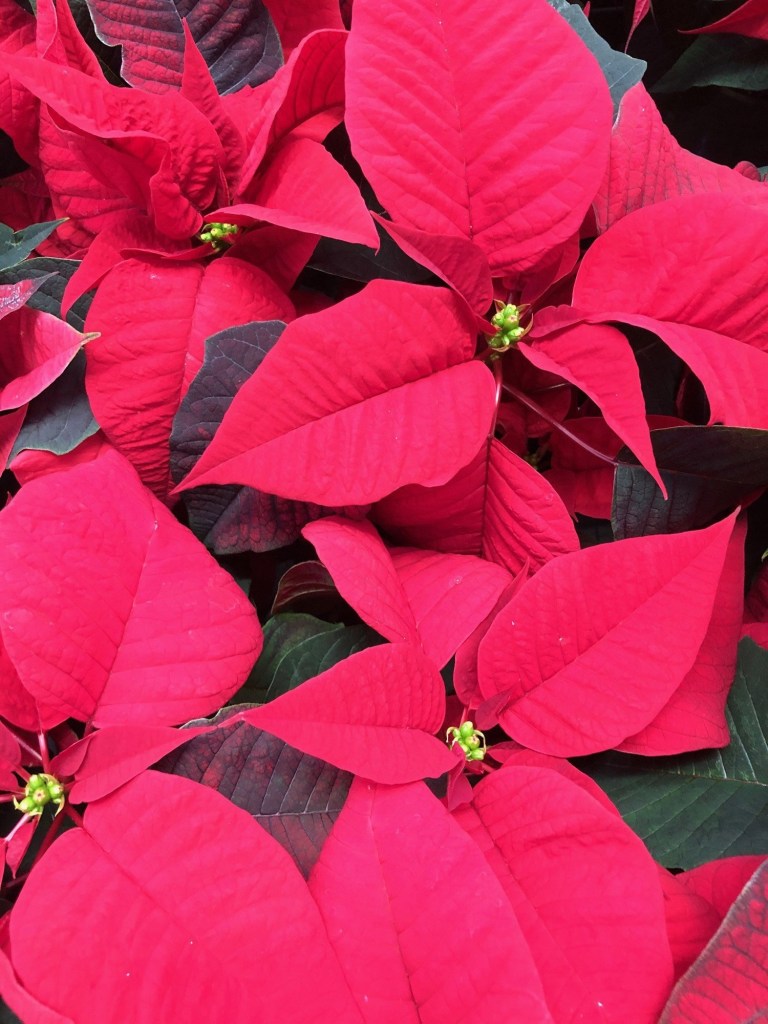
The red poinsettia is the most commonly seen, traditional type with its brilliant leaves (the actual flower is in the centre of the red leaf clusters). The Aztecs saw the red ones as symbols of purity.
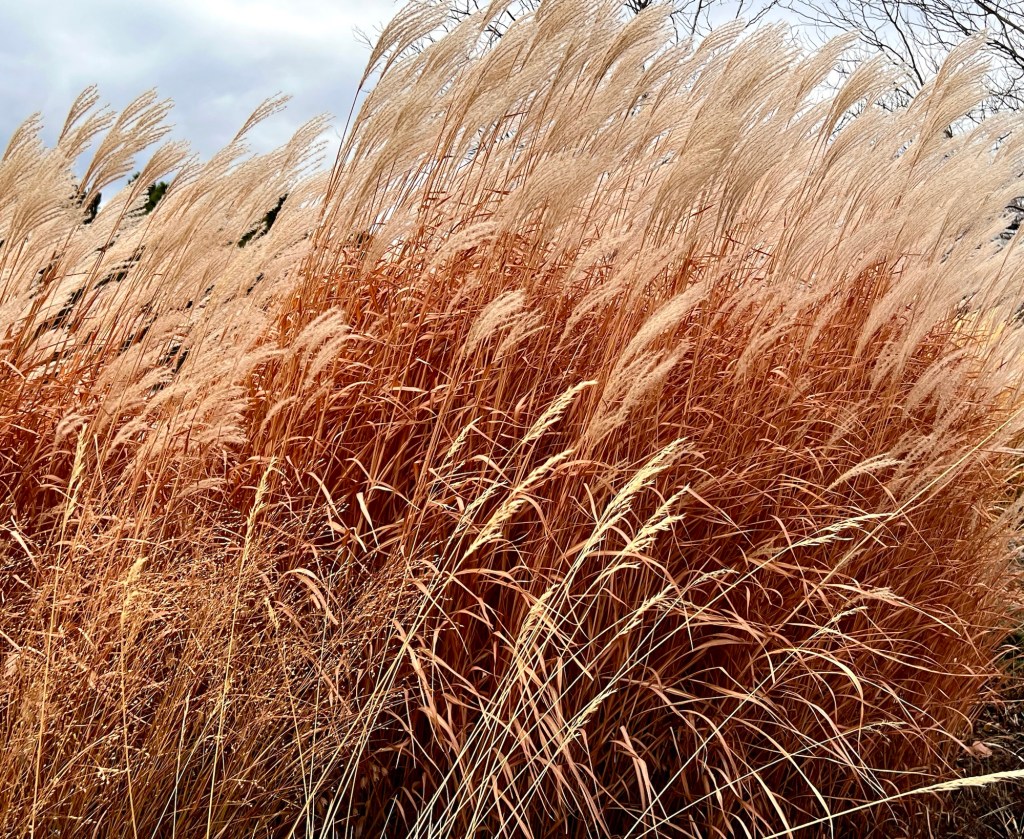
I like how these ornamental grasses provide visual interest in the winter – as well as good ground protection for our little quail. They’re such lovely medium brown/light brown colours.
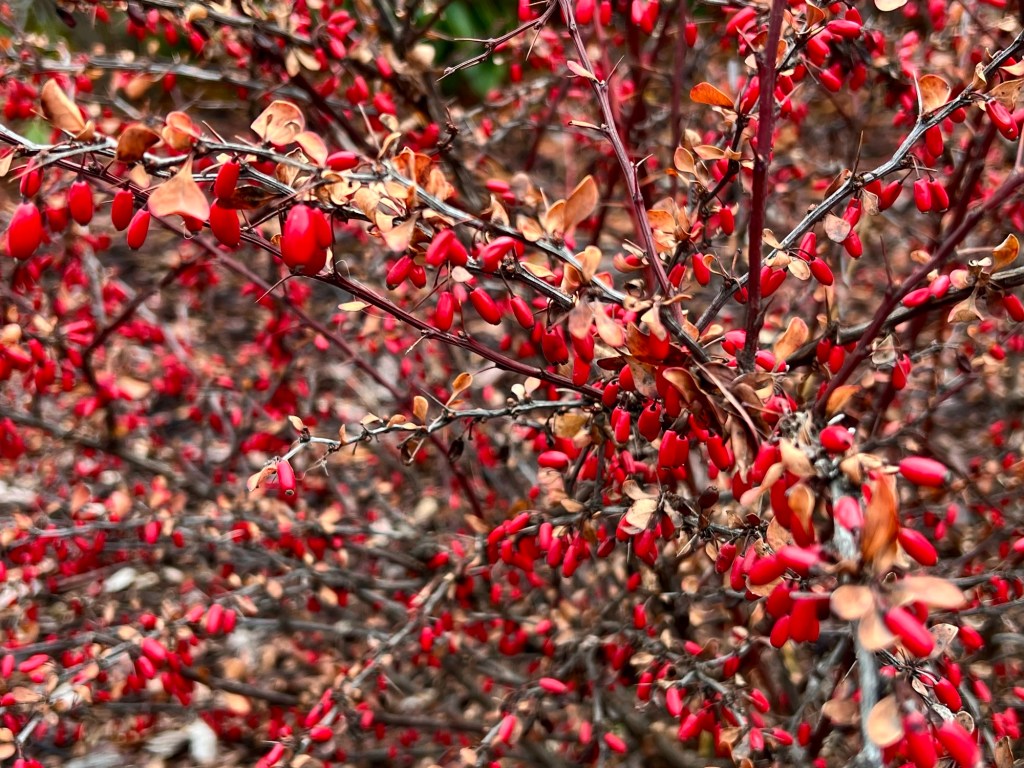
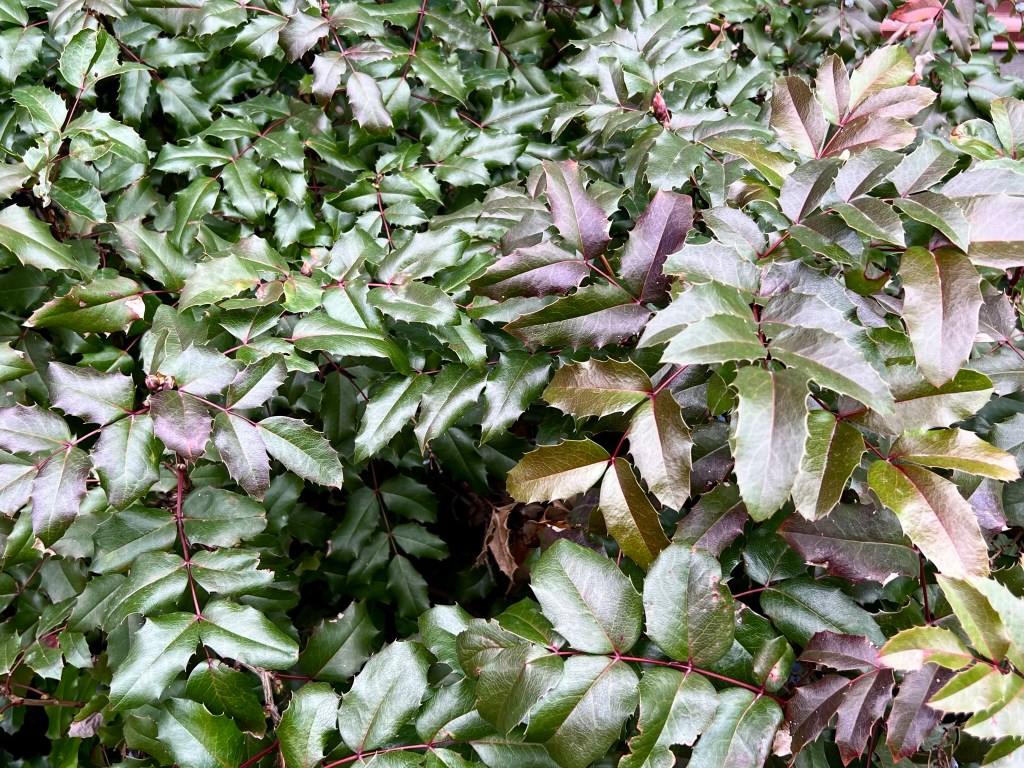
It was also nice to see the red fruit of the barberry bushes. I understand that the city is planning to remove them because they’re invasive and are causing soil issues (they also apparently provide a great place for ticks to hide, too) but in the meantime they’re definitely a bright spot of colour.
I think this could be a type of wheat grass, but I’m not sure. I liked its compact seed configuration as well as how it was undulating in the wind.
Although winter doesn’t officially start until December 21, I think we’re close enough to now say that yup, it’s winter. In spite of the date, I’ve been noticing the great colours that are still around; they’re just less prolific.
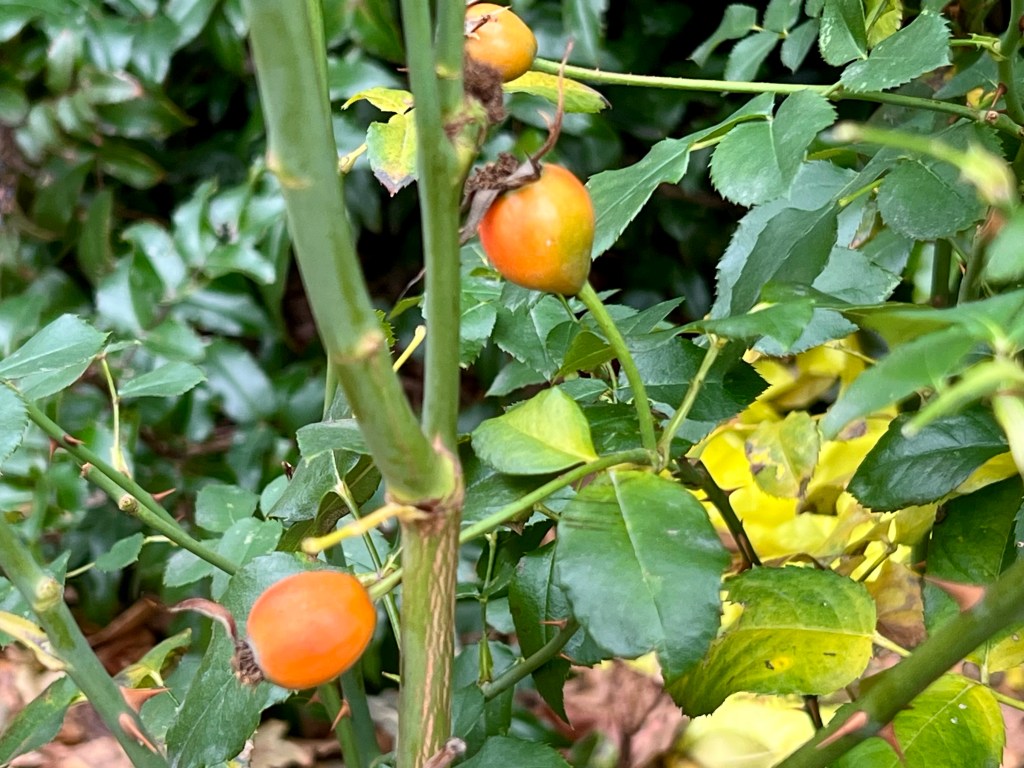
Lovely winter moss – a brilliant emerald green. These rose hips are a pretty orange. The purplish-green barberry leaves are still shiny and healthy. And yes, I found a rose! Looking a bit the worse for wear, but still determinedly blooming.
I hope you have a good day with some colours of your own.
This is quite a handle for a cute little ground cover plant with flat green leaves and bright red berries!
The berries – which may last all winter – have recently changed colour and are adding another lovely colour dimension to our autumn palette.
Although they don’t look much like them, this plant is actually part of the rose family. I think those bight berries might be part of the family resemblance, however.
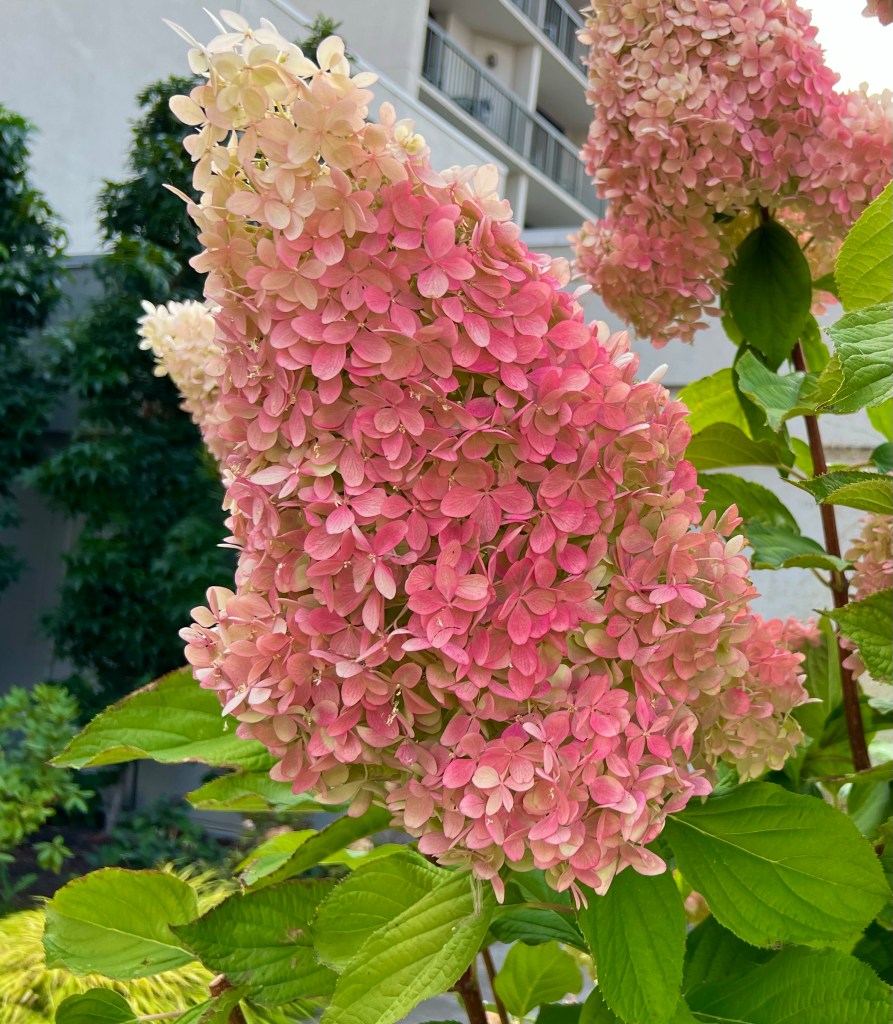
Tis the season for panicle hydrangeas; they tend to bloom in late summer and well into autumn.
The word “panicle” means “loose cluster,” which I think is an appropriate description for these pretty flowers.
Usually, panicle hydrangeas grow to about 2-3 metres (8 ft) and the blooms will turn some shade of pink or light red. They are the hardiest hydrangeas and will tolerate extremes of heat and cold.
It’s lovely that these plants extend the blooming season into the autumn. Although they do not change colour due to soil chemistry, shifting temperatures trigger these plants to transition from creamy white to pink or red.
Castor beans are not something anyone should eat as they contain ricin which is highly poisonous.
Castor oil also comes from this plant and can be used medicinally as long as it is not ingested in large quantities.
Although the castor bean plant has to be treated with care, its soft, spiny pods (it’s perfectly safe to handle them) are a beautiful red once they ripen and the leaves also have a lovely shape and an interesting purplish colour. This plant also grows to about 2 metres (approx. 7 feet) so it would make a good privacy hedge.
Although it’s quite beautiful, I wouldn’t want to clean up after it once the pods start falling. It’s a prolific plant and there might be a lot of them!










 In the Net! - Pictures and Stories of Life