Tag Archives: plants

Reblog: The Survivors

We finally have some rain. It is supposed to continue through the night. It has been a long dry summer with only a couple of short showers to get us …

The Survivors

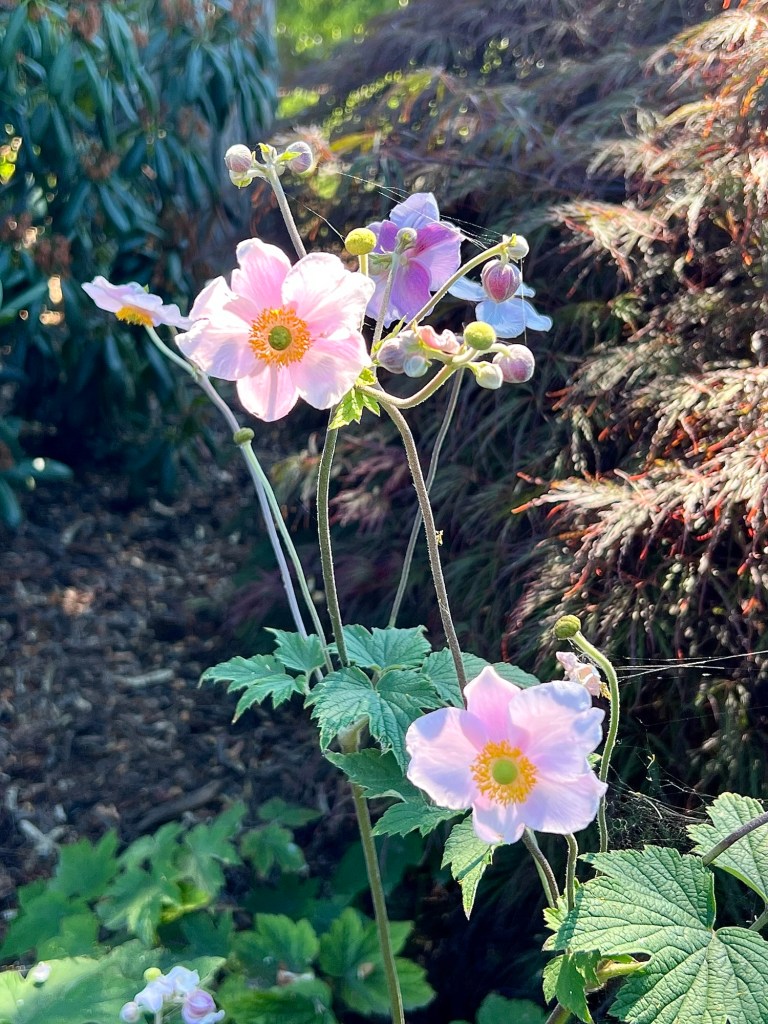
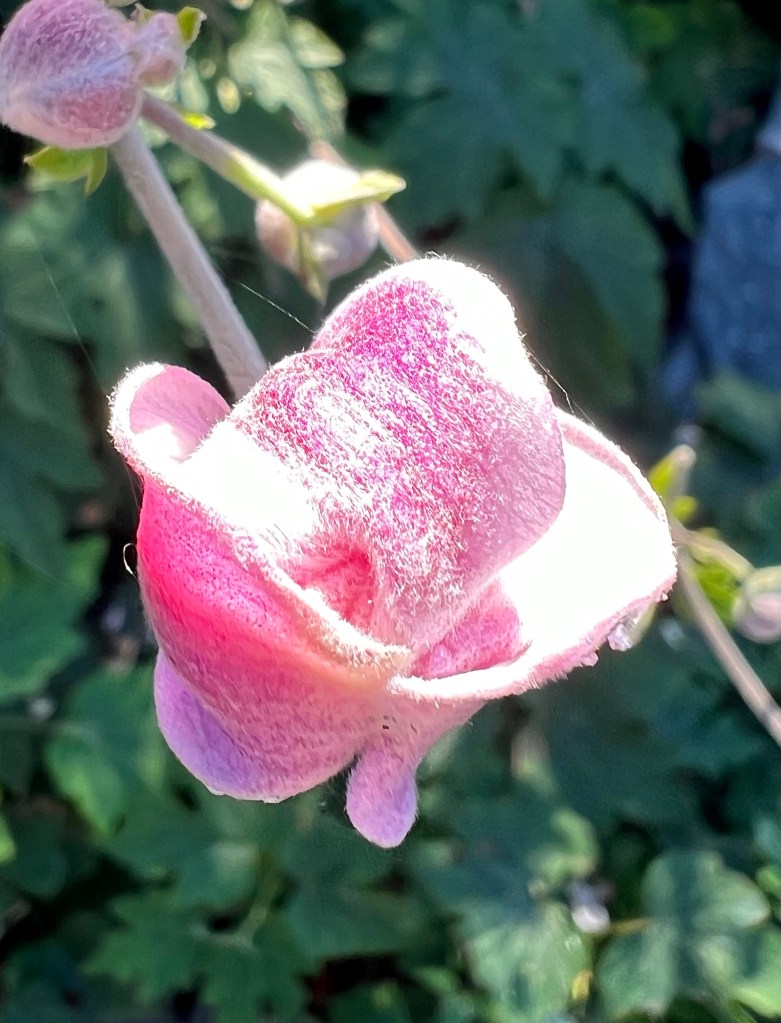
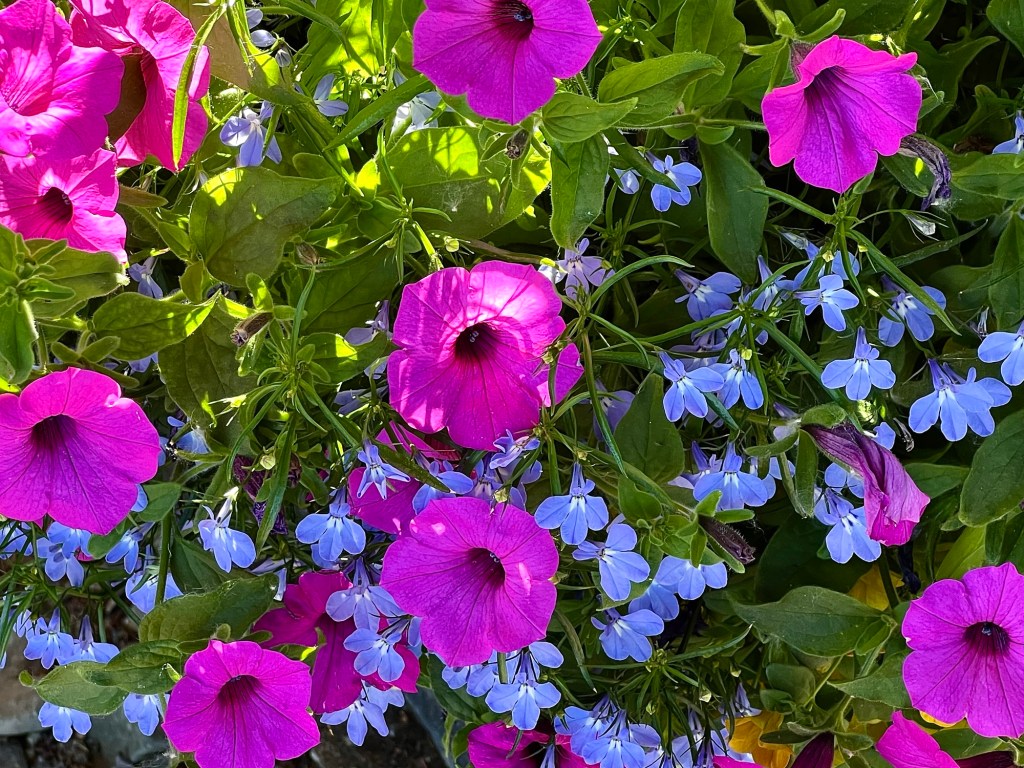
In spite of the drought, here are some beautiful garden pictures from Jenn at Still Bitchy After Sixty. Please click the link above to see more of her garden photos.

Reblog: Peaceful Gardens

All photos taken on April 11, 2025. We opted for a bit of a changeup today. Obligations kept us close to home until 10 AM, but once we were done our …

Peaceful Gardens

A beautiful visit to the University of Victoria’s Finnerty Gardens from Allan at 10PLUSYEARSIN. Please click the link above to see the rest of his gorgeous pictures.

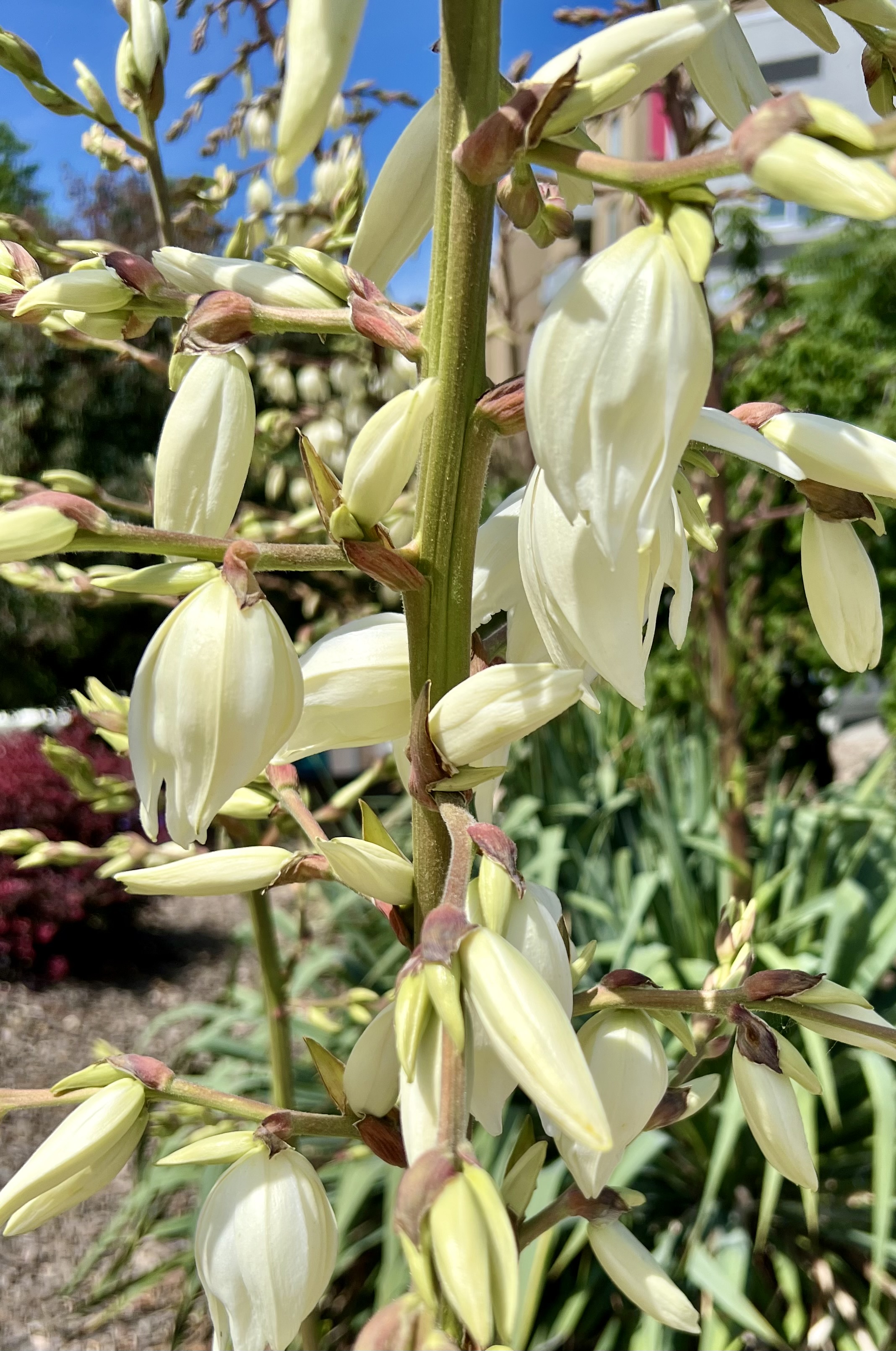
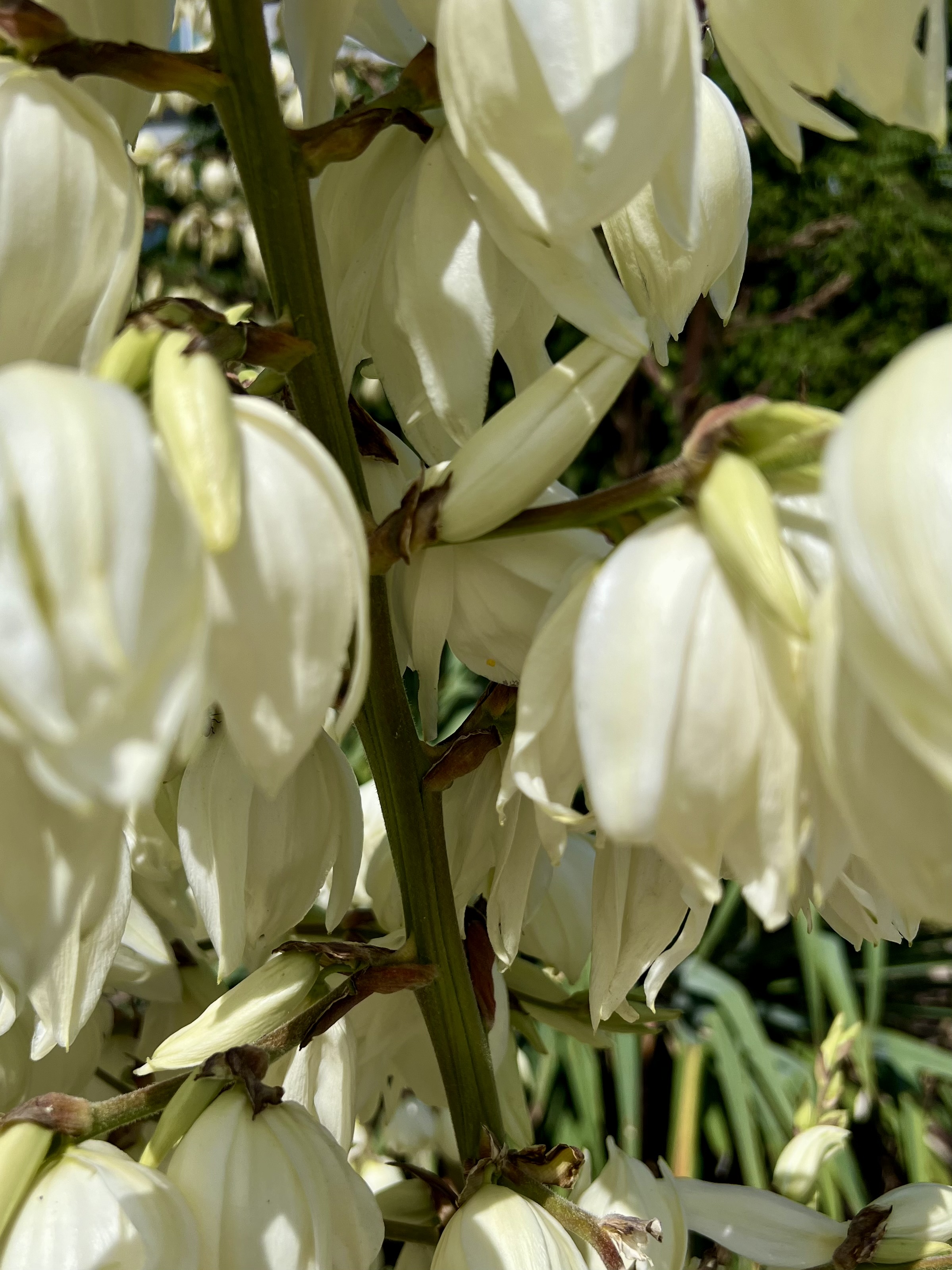
Yucca Plants

Here in the Okanagan Valley we are geographically at the northern most tip of the Sonoran Desert. As a result, parts of this region can be classified as semi-arid desert. This is one of the reasons why wine grapes do so well here!

We also see many desert plants that might seem unusual for this area but really aren’t; one of these is the yucca. The indigenous peoples of this area consumed yucca plants for their nutritional qualities but also knew about its ability to ease arthritis and often used it for that purpose.

Recent studies have found that it also boosts the immune system and protects against sun damage and diabetes. It’s a rather odd-looking plant with its spindly stalks and huge, bell-shaped flowers, but it contains many health-supporting qualities.

Happy Sunday.

Busy Bees

I saw this huge bumblebee searching for nectar in a rhododendron bloom. I had never seen one this large before; it was at least 20mm (0.8 inch) if not more. I wondered how it could possibly fly with that bulky, very heavy body. Although bees do not fly in defiance of the rules of aviation, it sure can seem like it!

After some research, I found that this is a Nevada bumblebee; it is common from Alaska and British Columbia to as far south as California and as far west as New Mexico.

Here is a picture of a more average-sized bumble bee; it was foraging next to the huge Nevada bumblebee and looked like a mini-cooper next to a semi-truck! I’m much more used to seeing these smaller ones, but whether large, small, honeybee or bumblebee, they are extremely important to the heath and welfare of so many of Earth’s plants.

Vive les abeilles! 🐝