… is a sight to behold.

Thundering down …

… in its enormous strength…

… not to be trifled with …
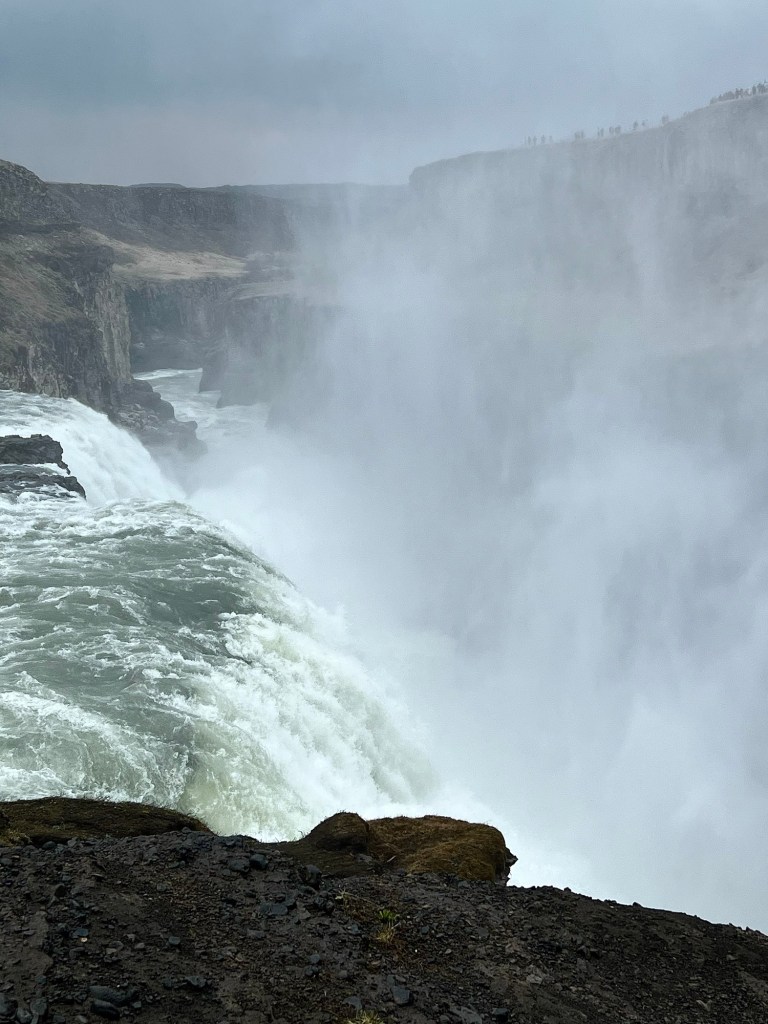
… as it forces its way …
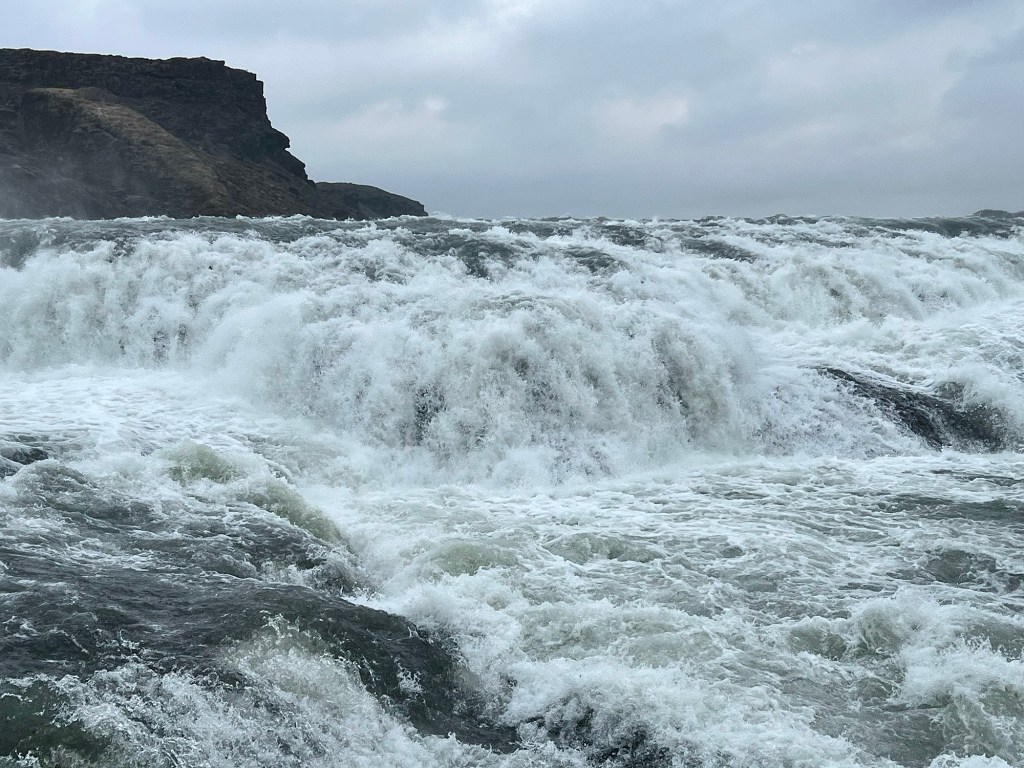
… from glacier to sea …

… relentless and all-consuming in its mission.
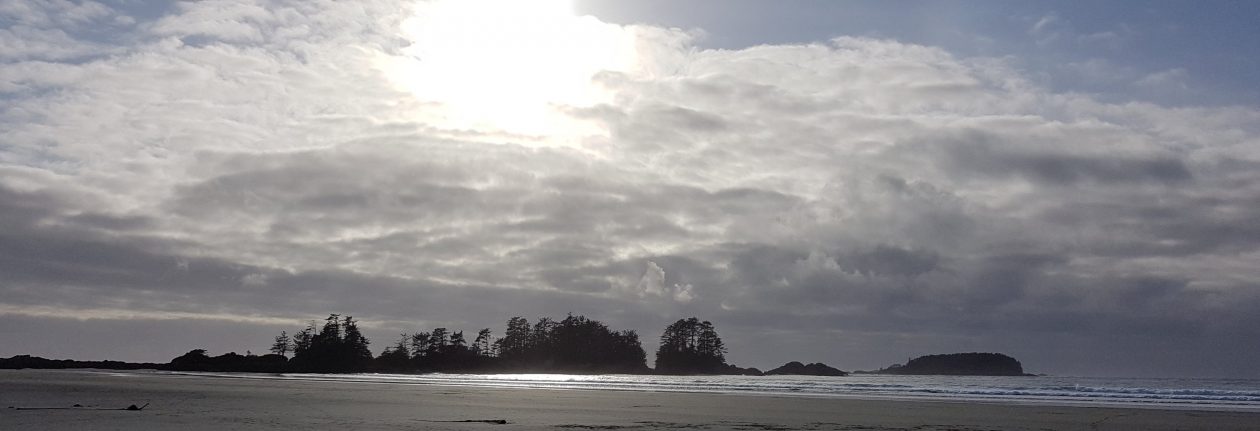
… is a sight to behold.
Thundering down …
… in its enormous strength…
… not to be trifled with …
… as it forces its way …
… from glacier to sea …
… relentless and all-consuming in its mission.
Iceland is traditionally described as a place of fire and ice. And that’s definitely true, but there are so many other stunning variations.

We visited Thingvillir National Park to find forests, barren lands, farms, lakes, geysers, and waterfalls.

Stark, foreboding, bucolic, serene, pretty – all these descriptors apply in breathtakingly beautiful diversity.

The barren lands will suddenly open into a healthy forest growing in the lee of an ancient volcanic crater …

… while farms thrive …

… among the beautiful lakes …
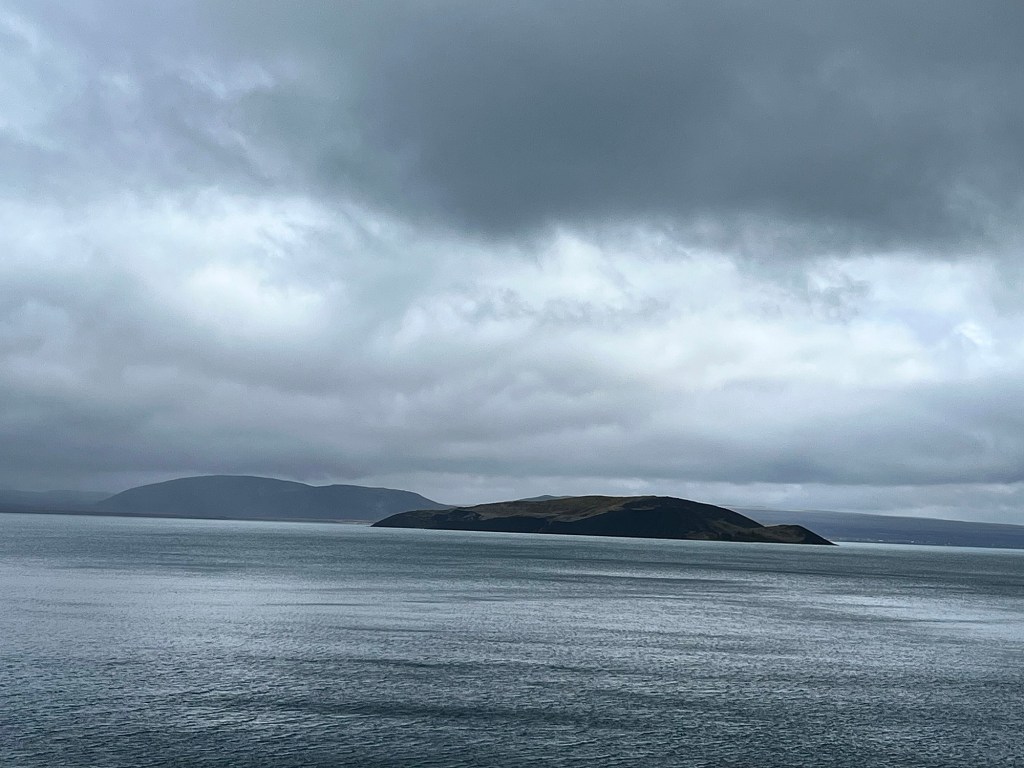
… and hot springs.

More pictures are coming.
Greetings from the land of beautiful diversity.
We arrived at Keflavík airport in Iceland at 8:00 a.m. local (2 a.m. for us) and although very tired did our best to push through it. We decided to do a much-needed walk through Reykjavik to stretch our legs and also so that I could reaquaint myself after a number of years since my last visit. This is M’s first visit and we are very much enjoying it together.

It was overcast with a misty rain but not an unpleasant day. We enjoyed walking around one of the ponds in a nearby park and viewing the colourfully-roofed houses on the opposite shore.

This is a grey lag goose. Quite different from our ubiquitous Canada geese at home, but the behaviour was quite similar.

There were lots of marsh marigolds in bloom; so pretty and bright.

As with many port cities, Reykjavik is built on a hilly area next to the sea. The walking requires lots of up-and-downhill; we felt it was very good for us after our flight. Once we finished a light lunch of an excellent seafood soup, we headed back to our hotel for some much-needed sleep.
These aren’t the traditional northern lights or aurora borealis, but they’re definitely northern all the same.
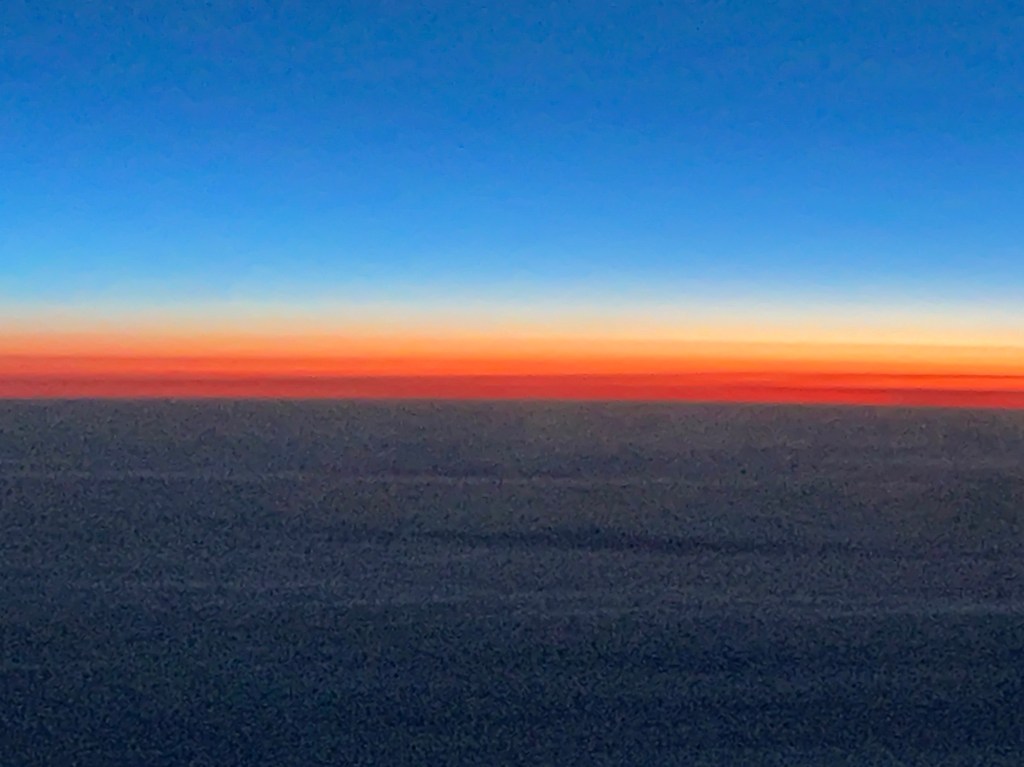
We chased the sunset/sunrise as we flew 6.5 hours east across northern Canada from Calgary to Iceland. I love these amazing colour striations which are also known as the Belt of Venus.
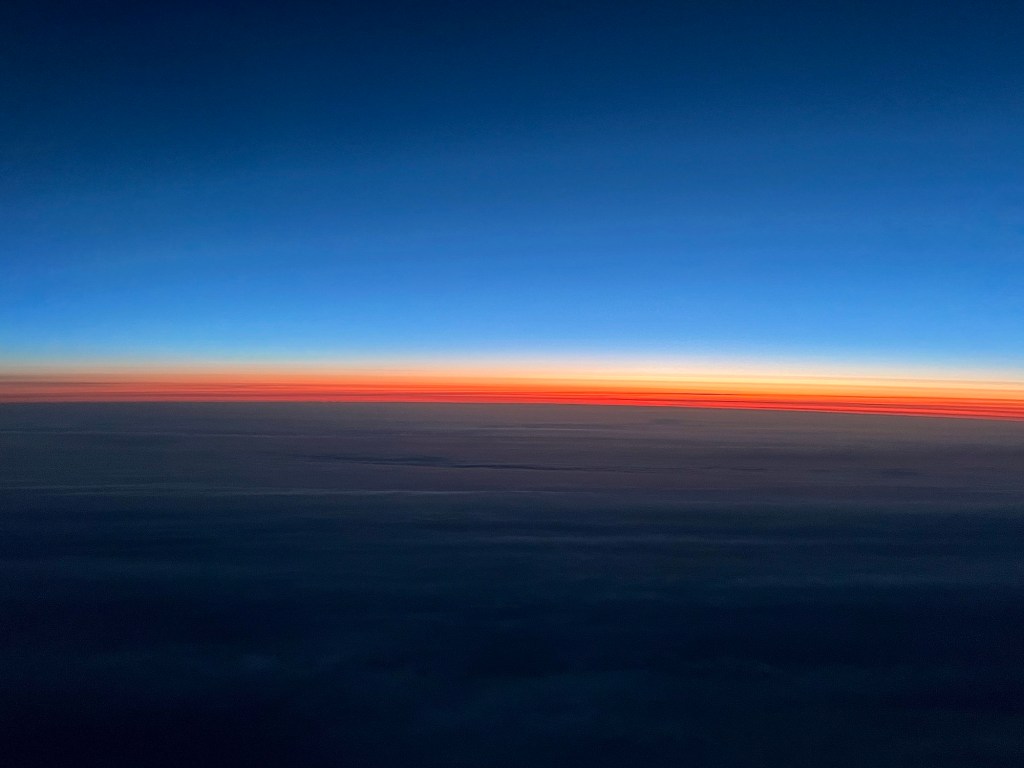
You can see a slight Earth curvature given that we were flying at 64° north latitude. The light shows created by our wonderful world and its solar position are breathtakingly beautiful.
Happy Wednesday.
I have always loved the beauty of prairie cloud formations. Although they can grow into very damaging storms, most of the time they drop their wind and rain load and then dissipate.
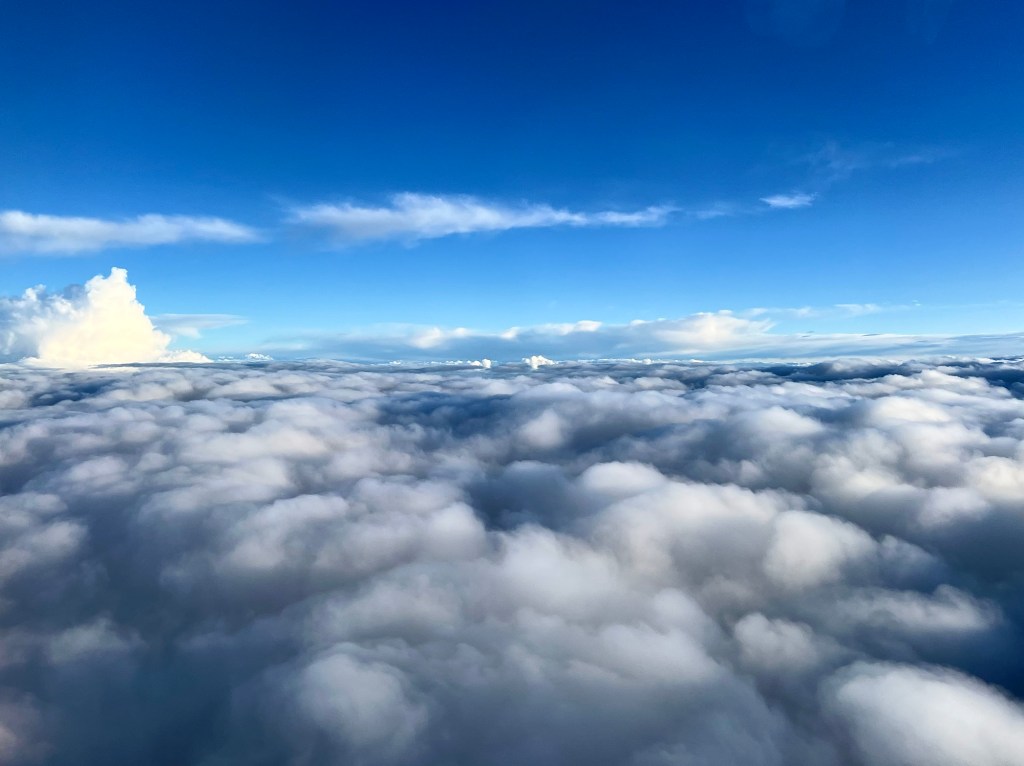
The triangular cloud on the left is what is known as a “cloud with vertical development.” These are the ones that can cause storms, especially thunderstorms.
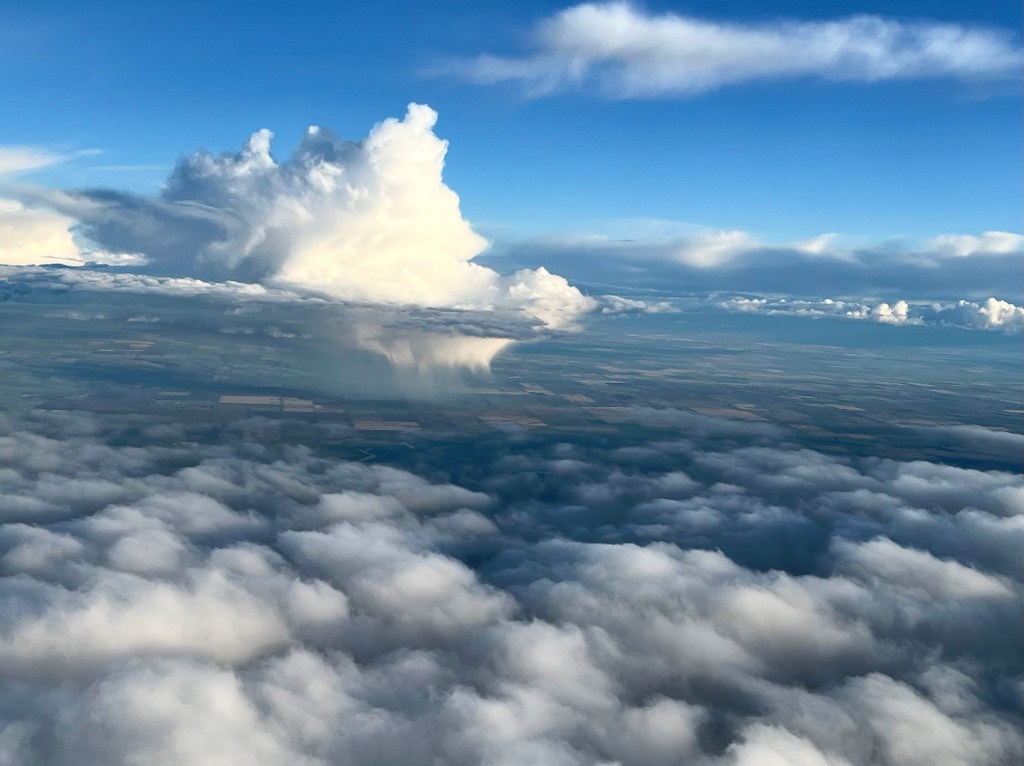
Its lower half was dropping a lot of rain near the Calgary area.
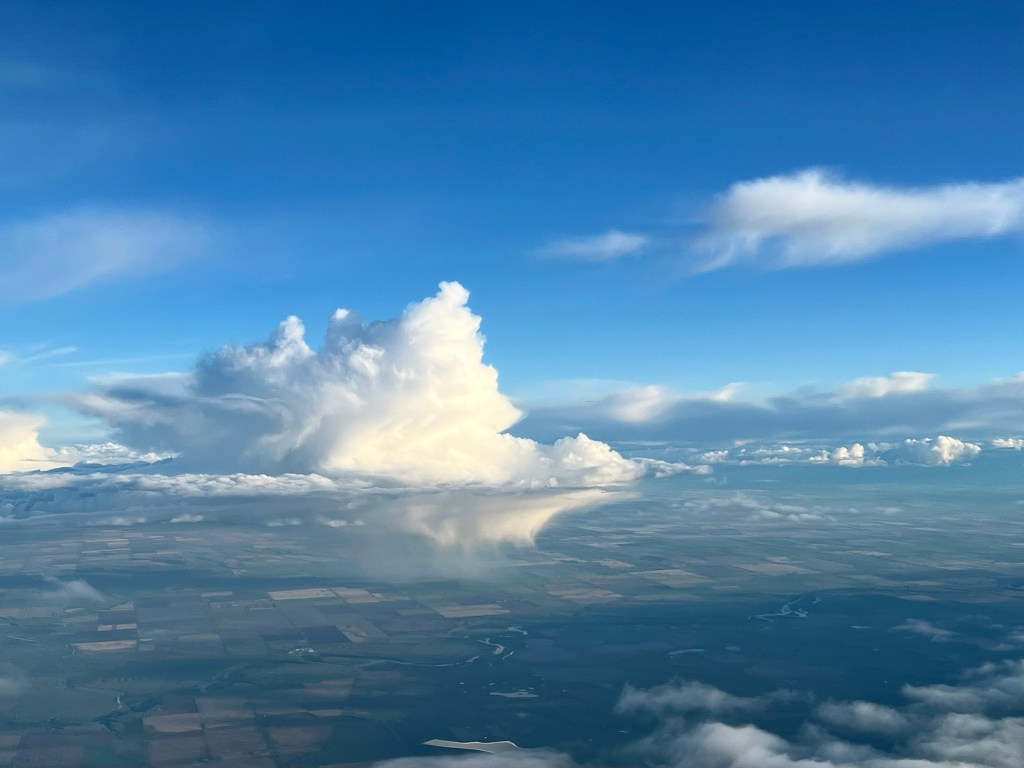
Although this one was showing a lot of vertical development, it was also on its own, not interacting with other clouds.

Southern Alberta seems to have recently received a lot of rain – courtesy of these thunderheads – a good thing considering that there were lingering drought conditions from last year.
Happy Tuesday.

… an afternoon view of Lake Huron …

… followed by a lovely sunset to close out the day.
Happy Monday.

This continuing series of posts depicts our beautiful world, encouraging viewers to share them and help save our unique home from human carelessness …
#ScenicSaturday 25th May 2024:
A picture showcasing the natural beauty of Dorset, England courtesy of Stuart Aken.
Just south of Sault Ste Marie, Ontario, is a hamlet called Bruce Mines.
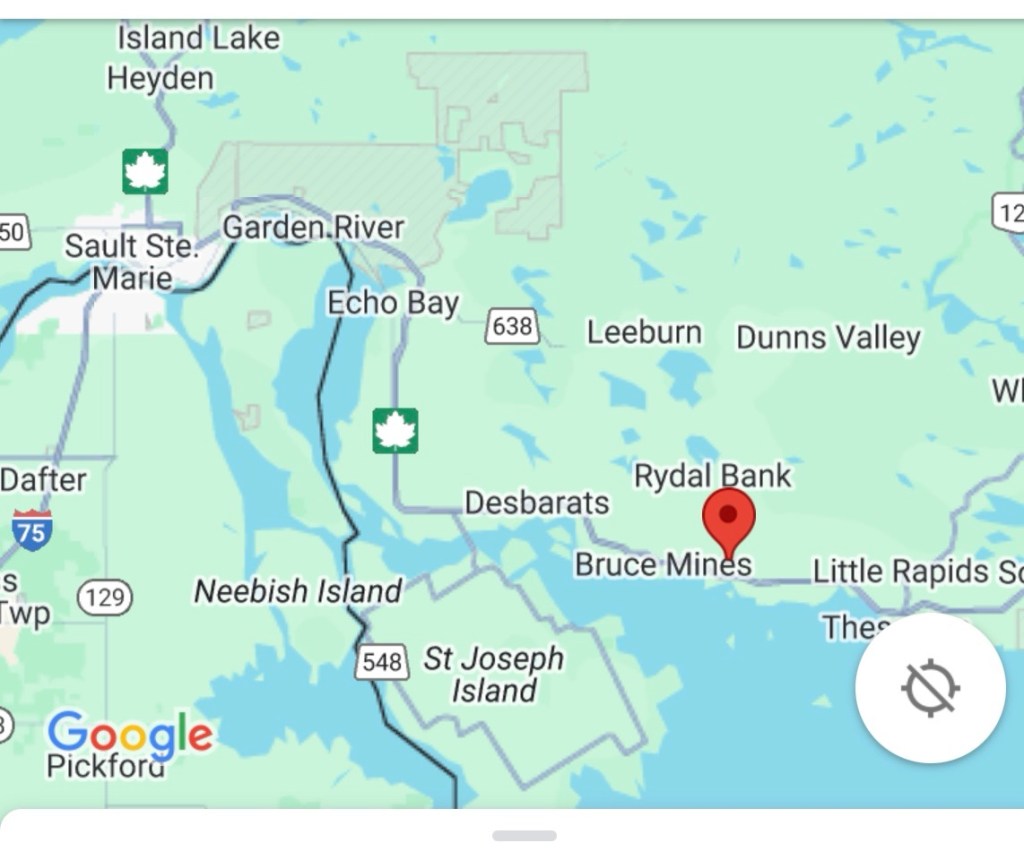
One of the Group of Seven painters, Tom Thompson, did a painting of it that went on to become quite famous.

At the time, and as you can read above, Thompson had lost a large collection of his work during a canoe upset, but the painting of Bruce Mines almost made up for it.

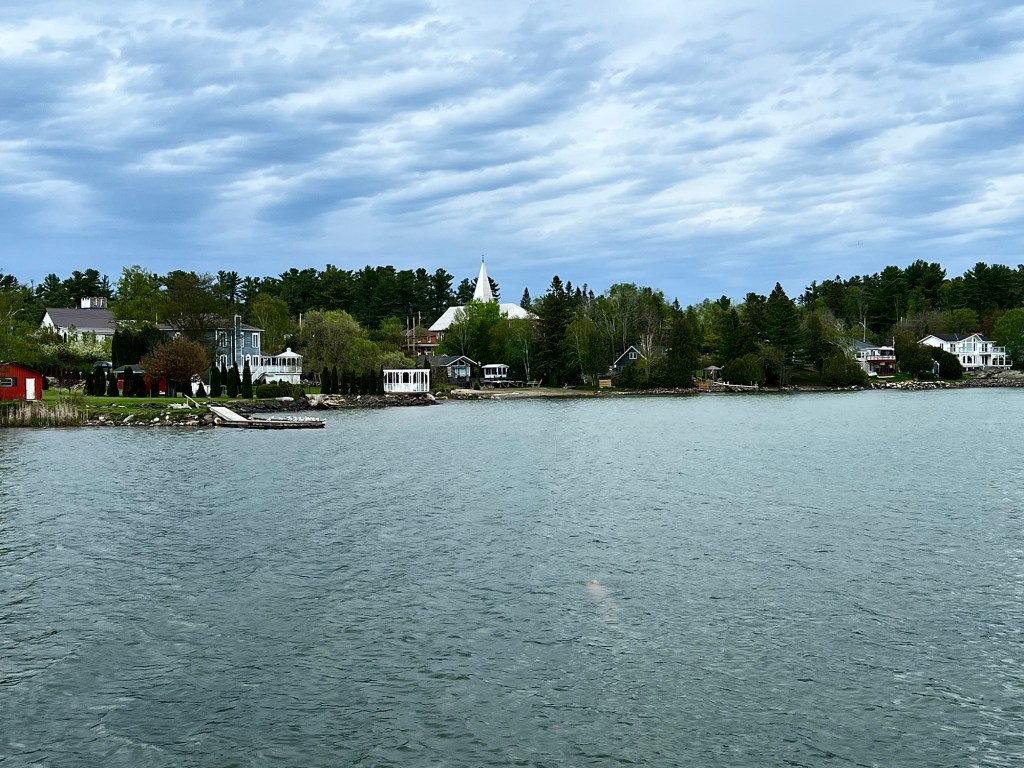
Bruce Mines is very picturesque, although Thompson’s painting conveys much more ruggedness and struggle.

Presently, it’s a lovely lakeside hamlet that’s more about pleasure boating and swimming rather than the hard work that it took to live there in the early 20th century.
I will soon be travelling to Iceland and as a result will be temporarily closing comments here, but I’ll still be checking in on your posts. Cheers.
We very much enjoyed our rambles around Manitoulin Island where we discovered beautifully clear, lovely lakes.

Walking along on well-worn footpaths near the lake was delightful. It was wonderful to be able to admire the water quality, the birds and the utter tranquility.

We experienced a few black flies but there was a light breeze that kept them down on that day!
Happy Friday.
We stopped to wander around Big Lake, which is on Manitoulin Island in Lake Huron, Ontario.

It’s an incredibly lovely, clear lake, popular with campers and boaters. A wide range of water sports such as windsurfing, sailing, kayaking, swimming and paddle boarding are also common but I understand that anything with an engine isn’t allowed, so if you’re in a boat, you’re also getting your arm exercise!
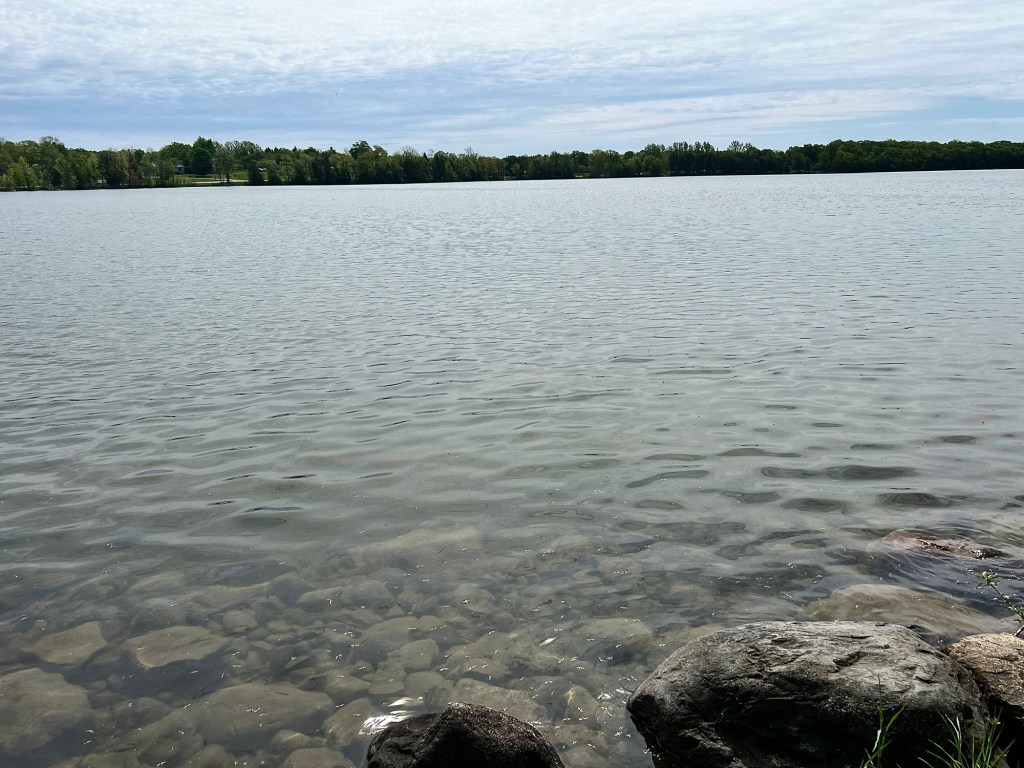
Summer cottages, many of which can be rented, dot the lake’s beaches.
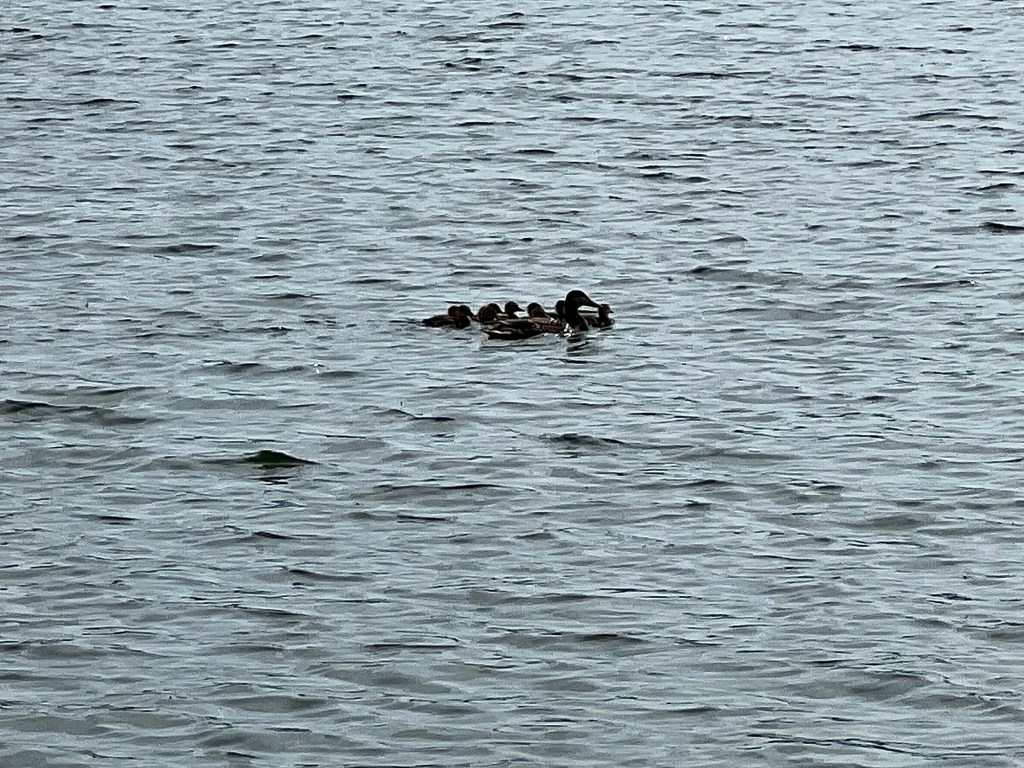
We had a lovely ramble around the water’s edge and saw this mother loon with eight very little ones!

The birch trees were wearing their new pea green leaves and we enjoyed walking inside their canopy. We encountered a few blackflies but nothing much, really. At a stop the next day they were terrible, but that’s another story!
Happy Thursday.
 In the Net! - Pictures and Stories of Life