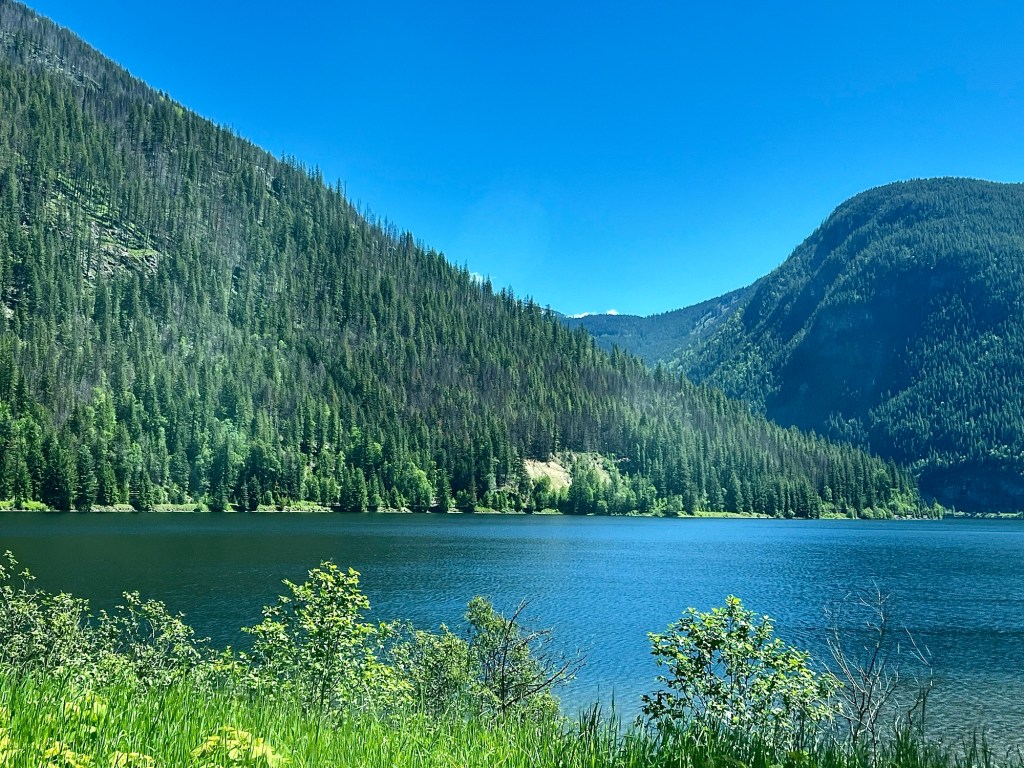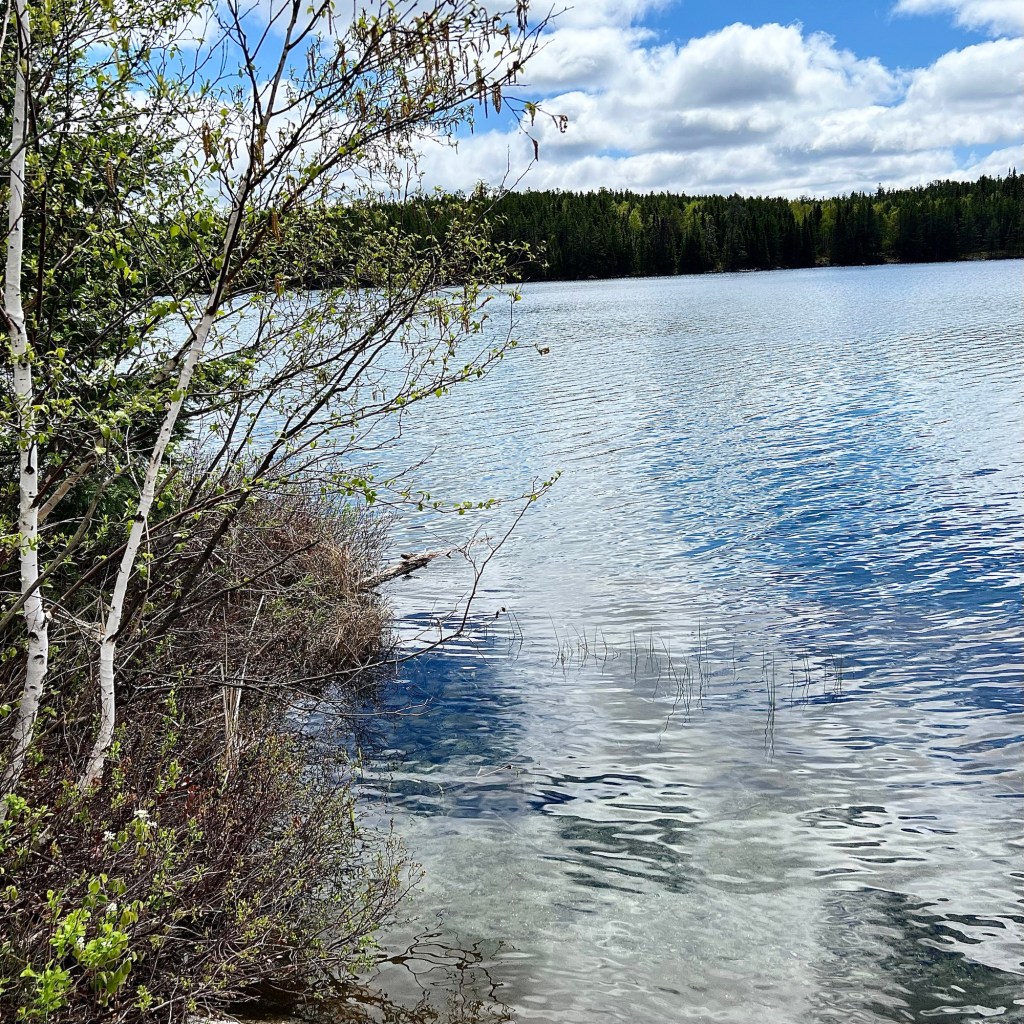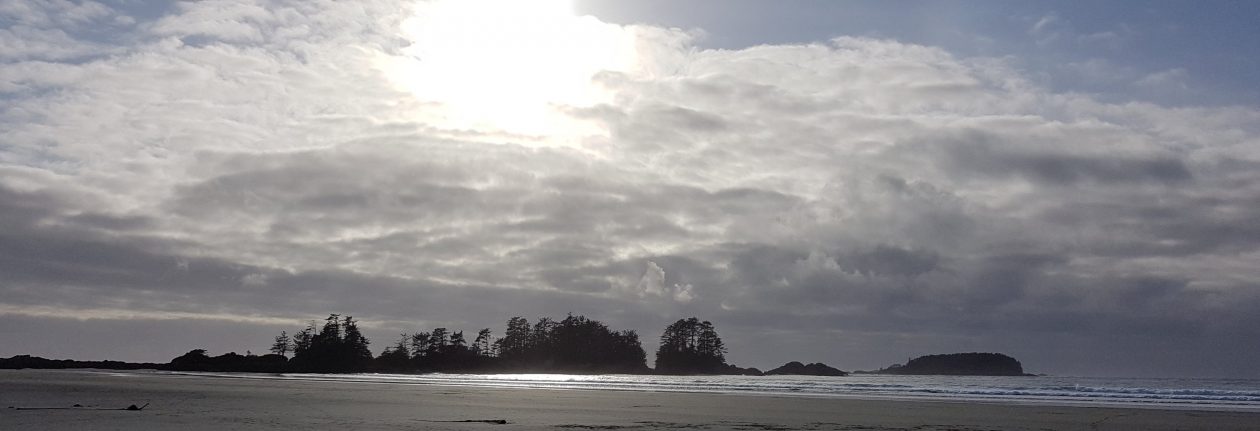
We have seen some truly fantastic landscapes on this trip through northern British Columbia as we near our ultimate destination: Haida Gwaii.
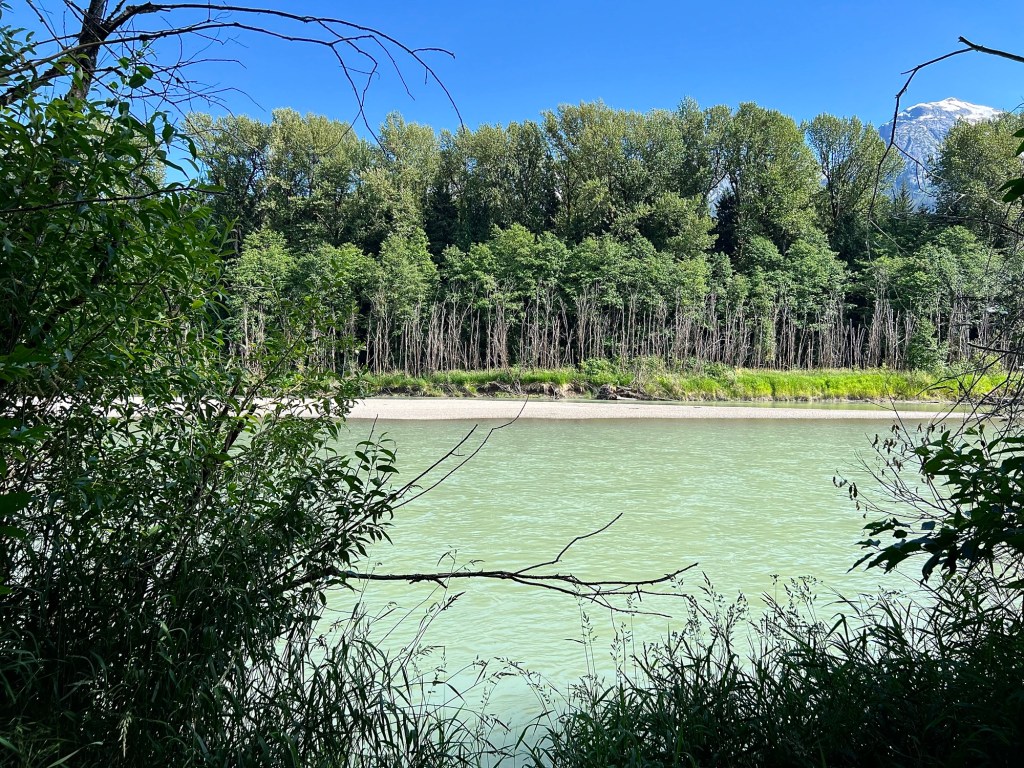
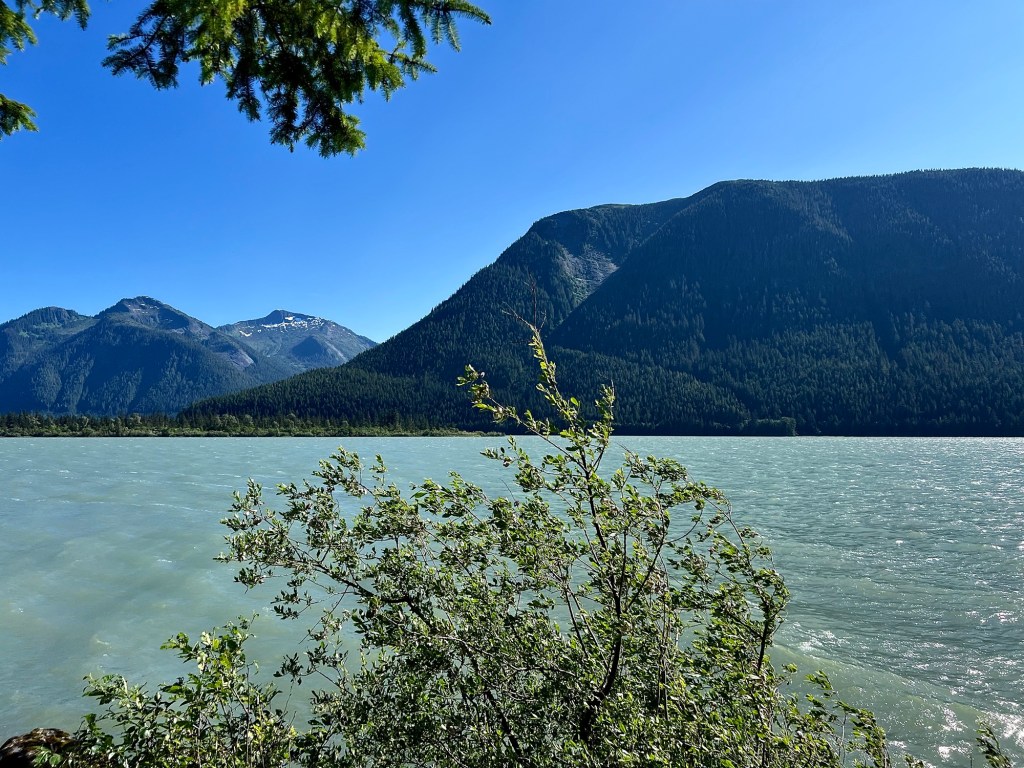
The rivers are magnificent, which leads me to this question: in the photos below, are you seeing a river or is it a lake? Or, is it a river and a lake?
River? Lake?This might be a lake. But maybe not .If you remember my comments about glacier-sourced rivers a couple of posts ago, then you might have a clue.It was a very hot day, but seeing all this water helped to cool us off, at least in our imaginations, and it didn’t matter if it was a lake or a river!
Most of British Columbia is experiencing a heat wave right now. Temperatures are in the high 30s celsius (about 100F) and people are looking to cool off however they can. As you can imagine, the beaches and lakes are very popular!
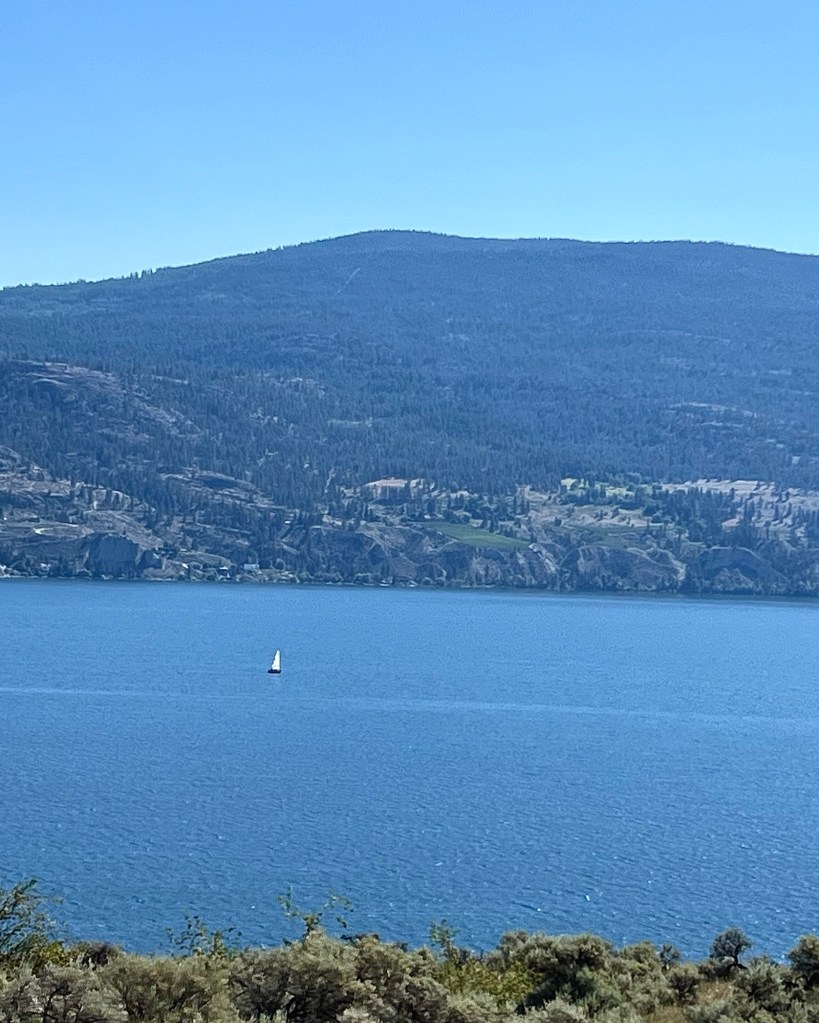
I spotted this sail boat among many on Okanagan Lake and thought how perfectly positioned it was to showcase an iconically sunny day white sail, blue sky and blue lake all around.
I felt cooler just looking at it, but it’s also an incredibly pretty sight.
It wasn’t very windy on the bench, but there was a breeze on the lake, and the sailboat seemed to be moving crisply along.
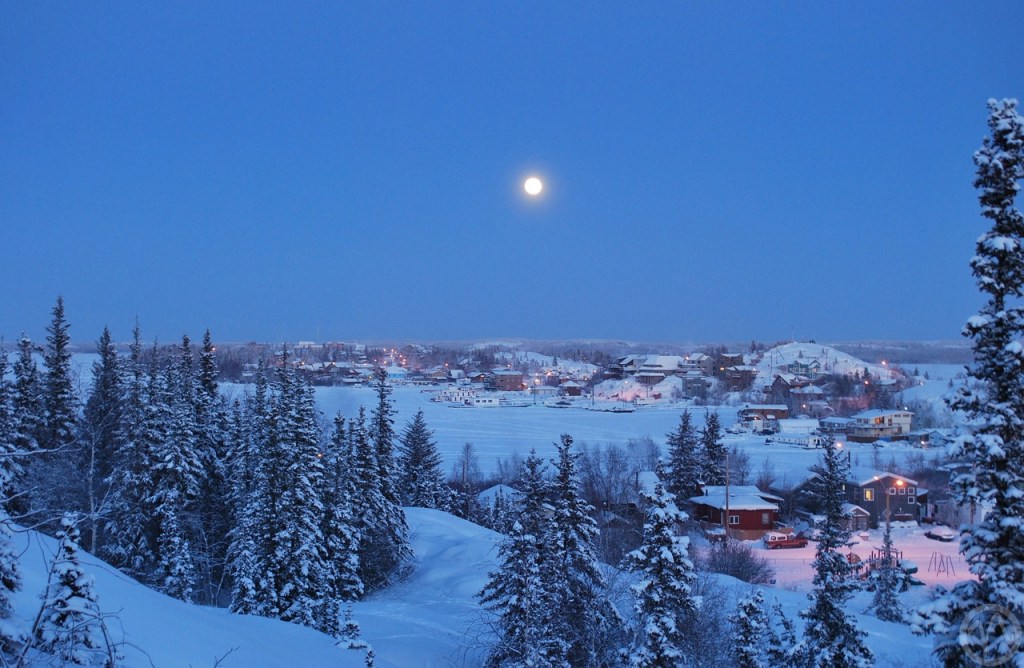
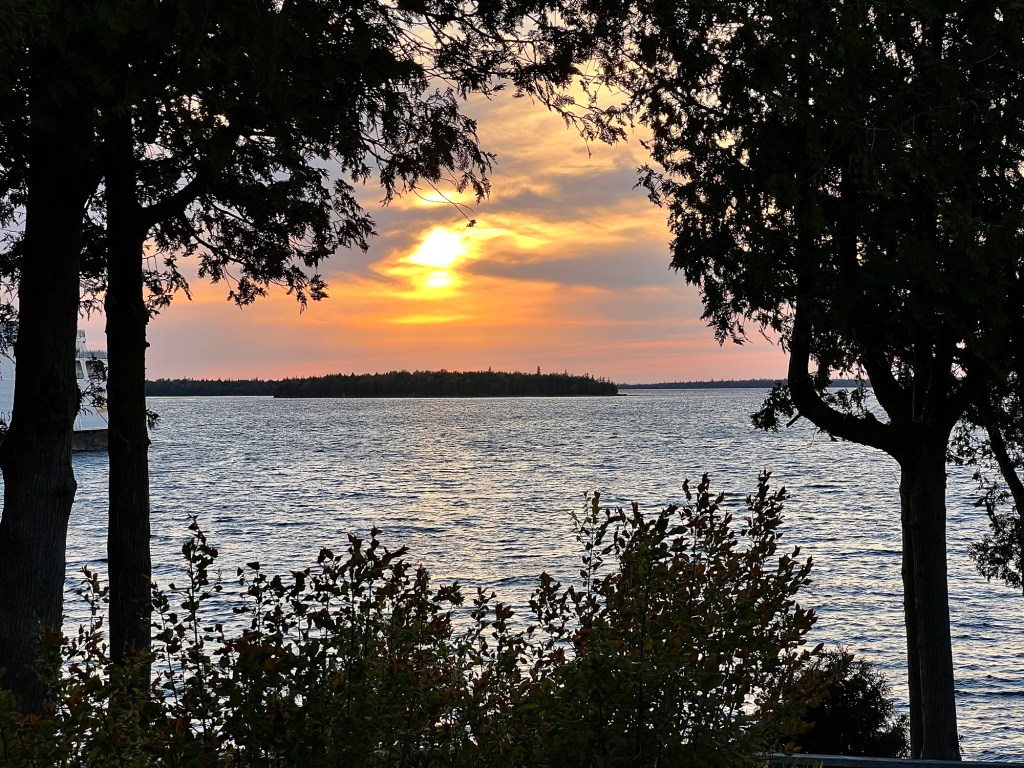
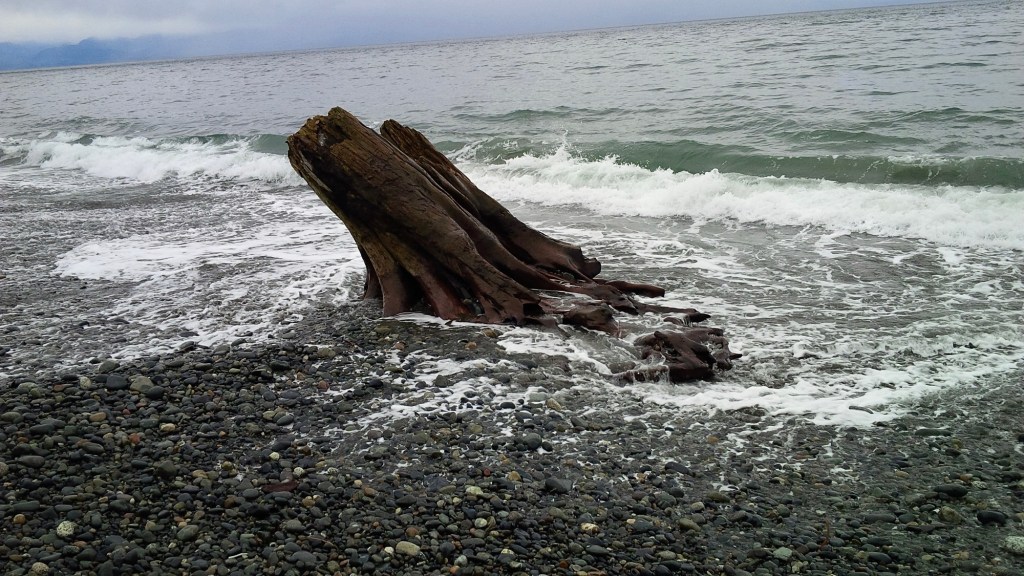
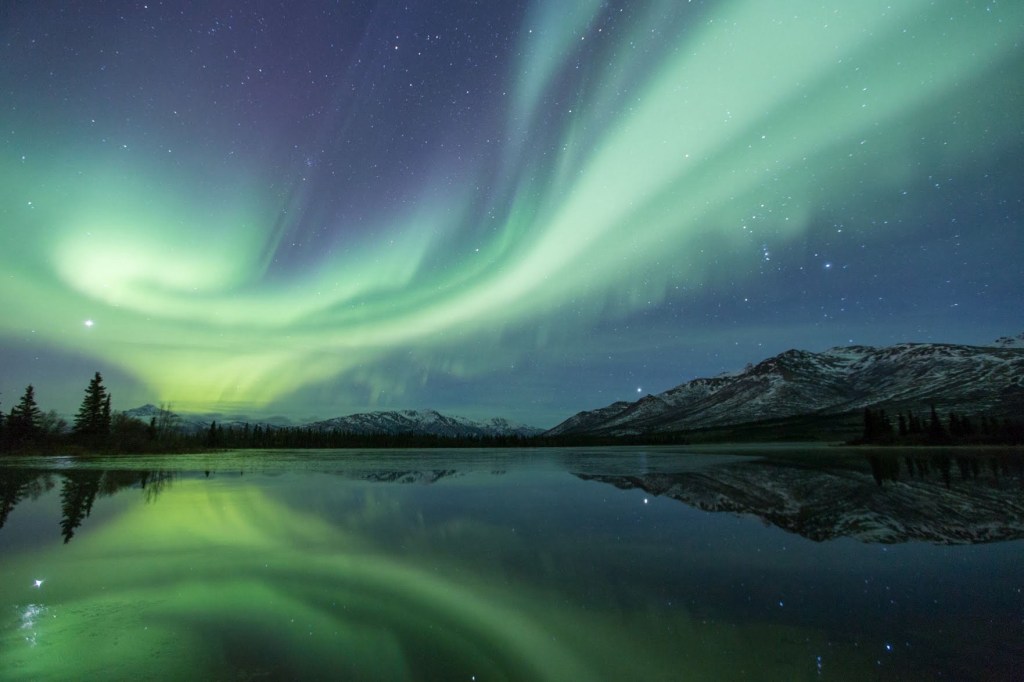
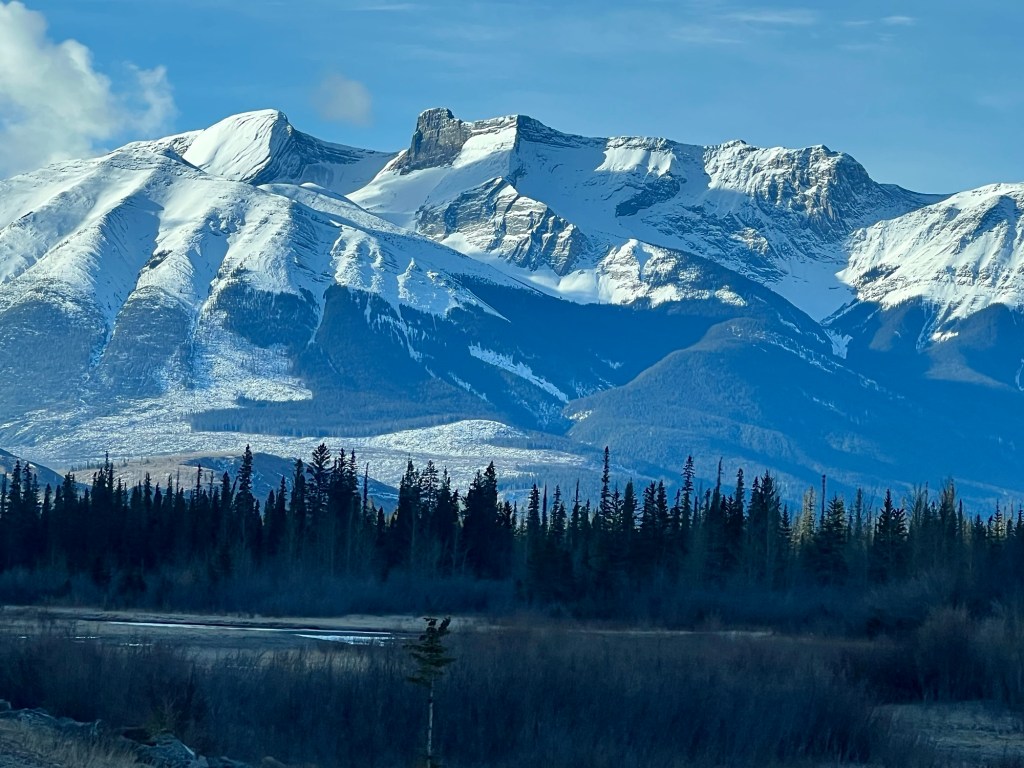
Okanagan Lake, British Columbia Winter in Yellowknife, Northwest TerritoriesA canola field, AlbertaTobermory, OntarioPacific Ocean, British ColumbiaAurora Borealis, Northwest Territories Rocky Mountains, Alberta
The southern portion of the Okanagan Valley is classified as semi-arid desert, but last year’s extreme drought combined with the 10-day cold snap we had in January did a lot of damage. Nevertheless. recovery is happening.
The Okanagan Valley near Oliver, with Osoyoos Lake in the background.
Many of the grape vines were affected by both the drought and the cold snap, as were the stone fruit orchards such as peaches, plums and apricots. Everywhere I looked, I could see many fields being replanted under the new agricultural guidelines while other fields are clearly being left, at least for this year.
A mixture of grape vine and cherry tree fields, while others are lie fallow.
The area is definitely not as lush as it has been in the past, but with new farming approaches and hopefully, more stable weather patterns, there will be a return to something of its former self.
In mid-May we stopped in Port Dalhousie to go walking and to also enjoy the spectacularly calm and beautiful views of Lake Ontario.
We walked one of the 500 metre (1640 ft) parallel piers to get a good look at the heritage lighthouse that has been operating – and continues to operate – since 1898.
There used to be many of these square lighthouses along the Canadian side of the Great Lakes, but Port Dalhousie’s is one of only three that are left. It’s wonderful that it’s still in operation.
This stone breakwater still offers protection from those massive winter storms that can whip into impressive fury on this series of inland seas that we call the Great Lakes.
This was a lovely sunny day and was to be one of the few that we experienced on this trip. We didn’t know that then but we definitely didn’t take that lovely calm lake and that warm temperature for granted!