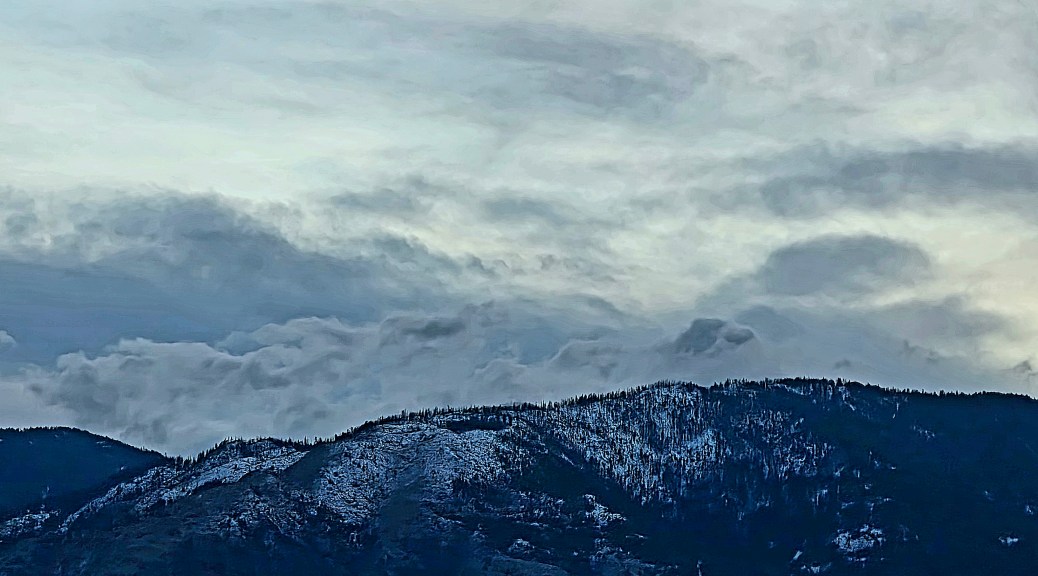
The day starts with layered, soft and luminous greyish-blue skies …
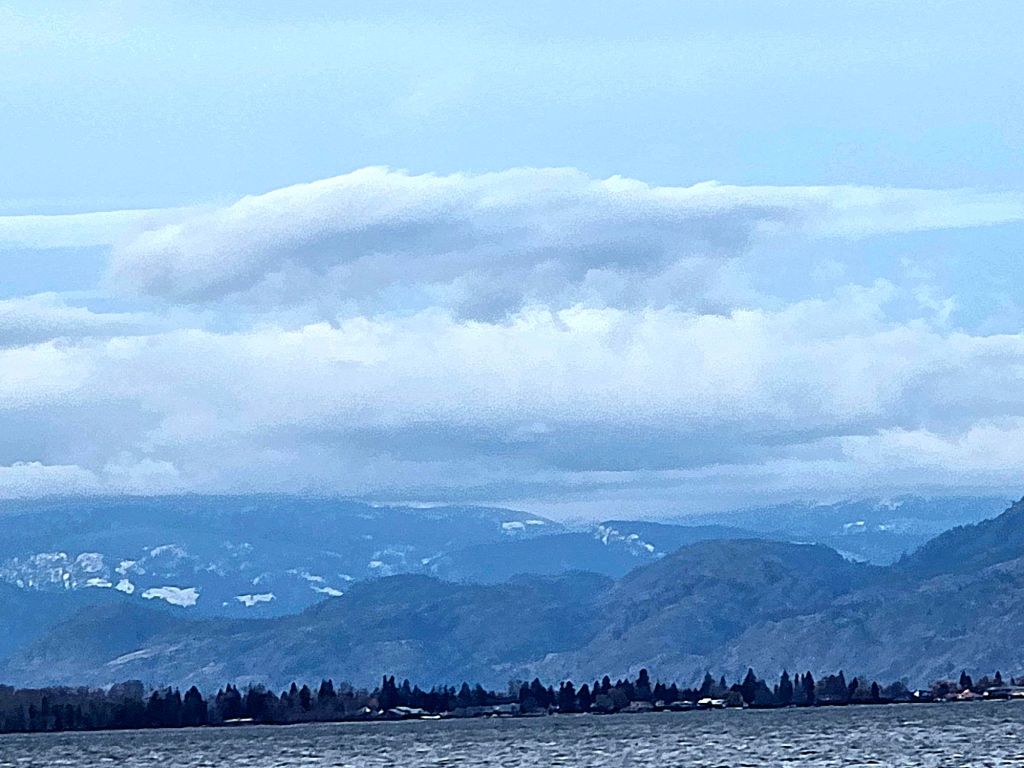
… that mingle and meld …
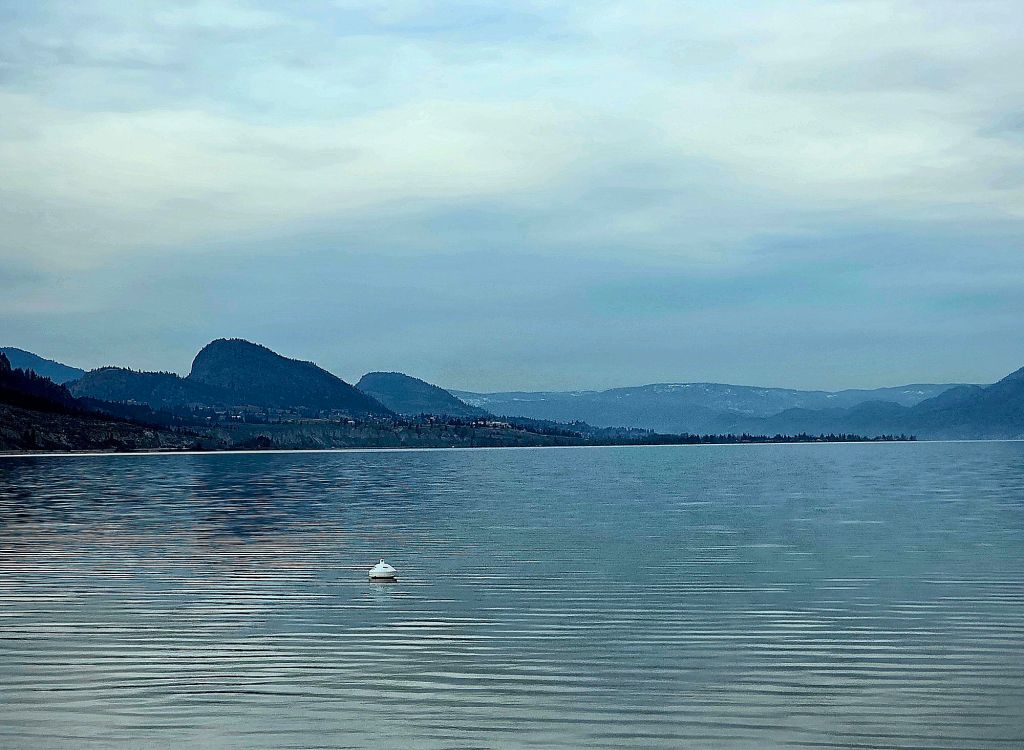
… until they separate a little …
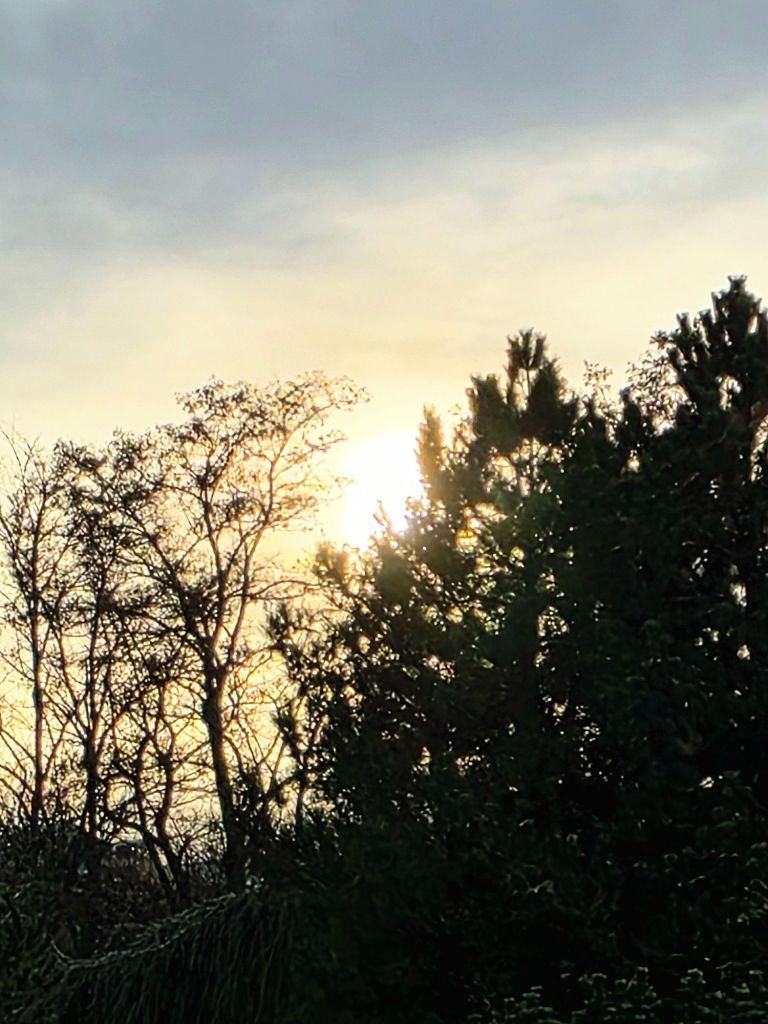
… allowing a mellow sun to peek through.
Happy Wednesday.
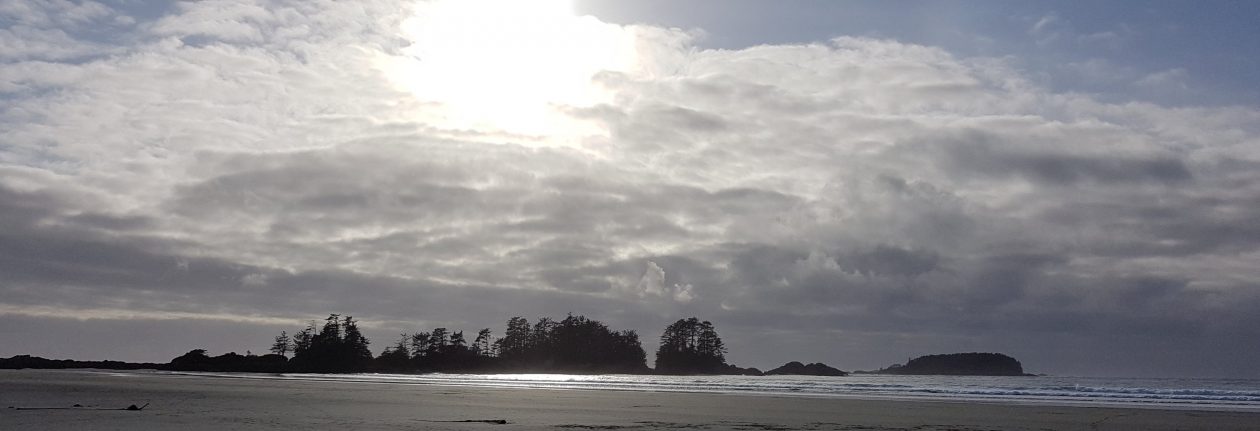
The day starts with layered, soft and luminous greyish-blue skies …
… that mingle and meld …
… until they separate a little …
… allowing a mellow sun to peek through.
Happy Wednesday.
Unusually for January, our temperatures have been slowly rising to where we’re in the double digits. 10, 11, 12C (50, 52, 53F). Quite comfortable and sunny, but I hope this doesn’t mean that we’re going to get storm slammed later!
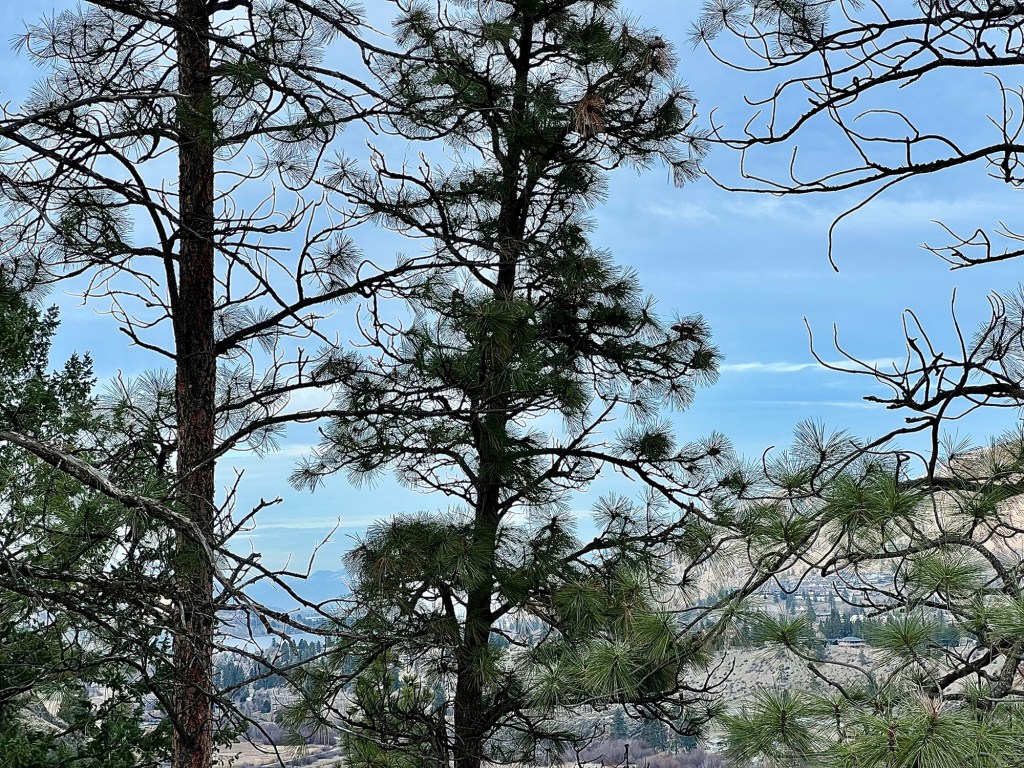
We took advantage of the good weather for a ramble in the mountains to the south of us.
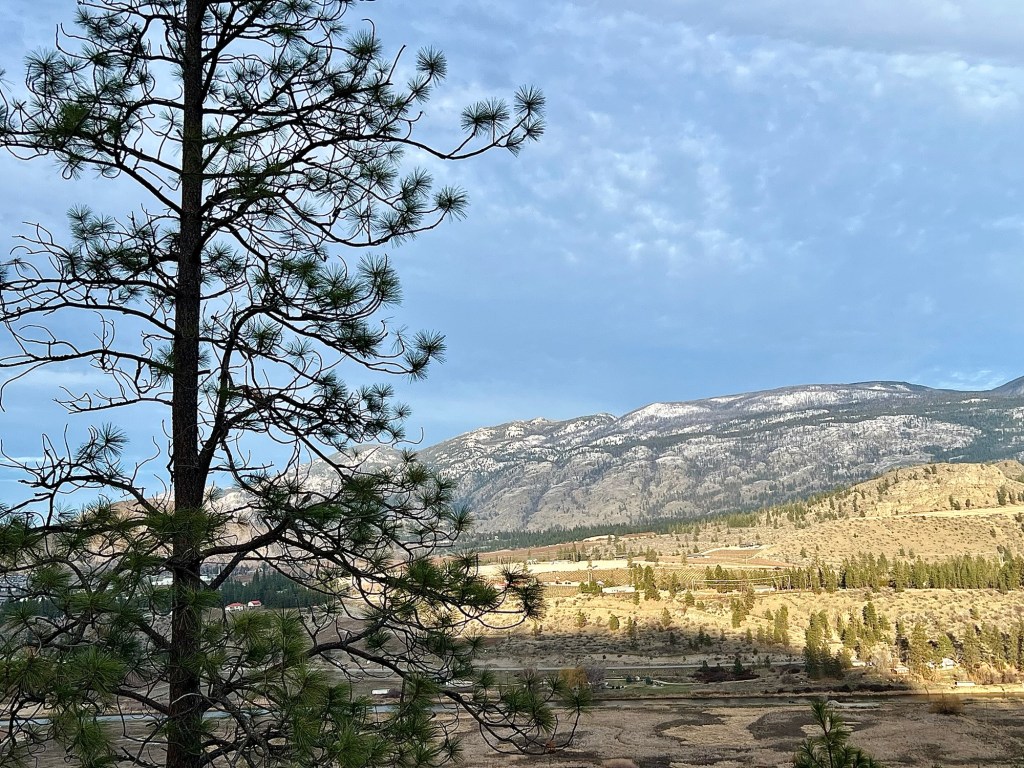
We didn’t climb too high in elevation because we wanted to stay below the snow line, but we were definitely high enough to enjoy the views.
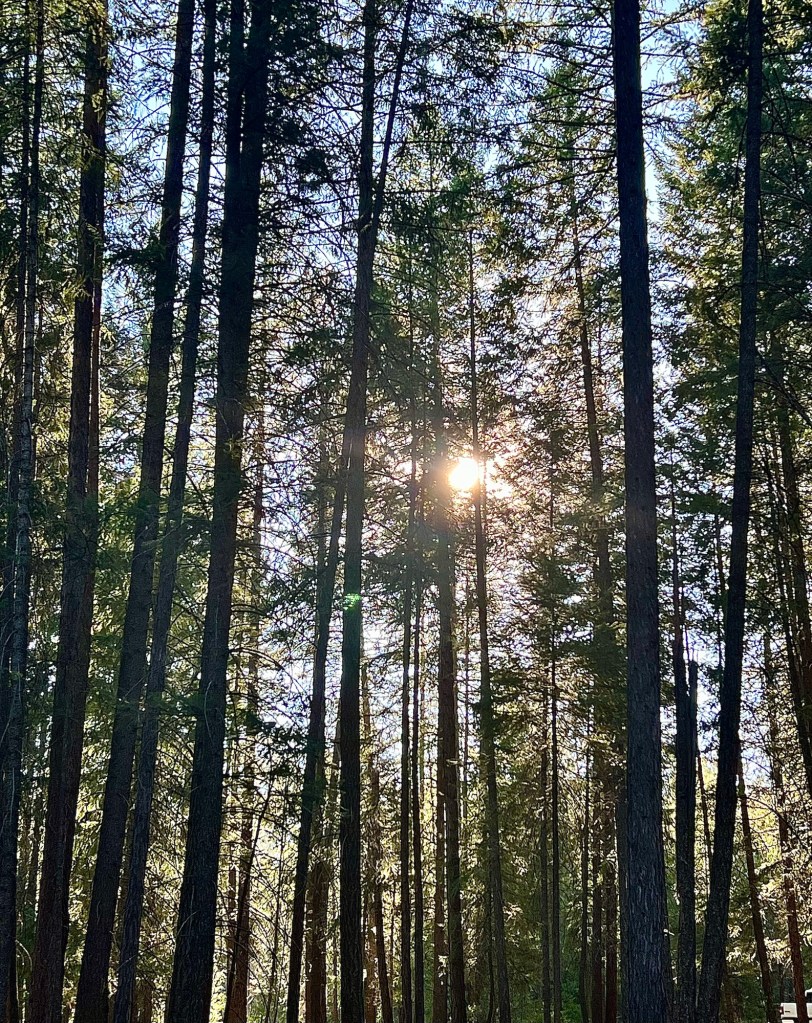
The fresh air and nice weather were wonderful.
Happy Tuesday.
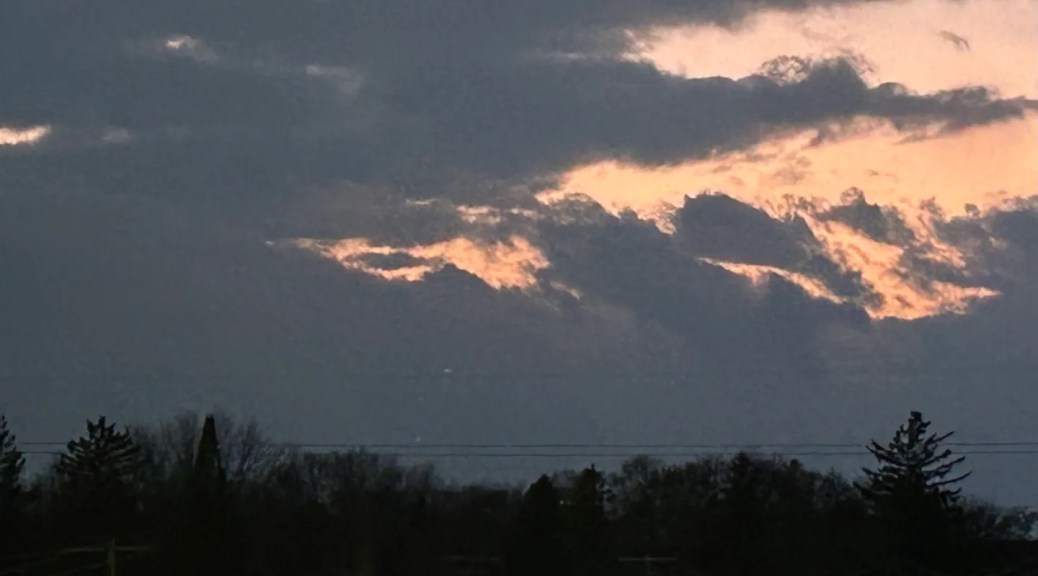
We’ve had some unusual weather for January, mild and rainy; perhaps this is the way it will be going forward. In any event, at the end of a dark wet day, this splash of melba mixed with the grey created a pretty effect.
Best for Last
A beautiful evening photo from Belinda at Belinda Grover Photography. Please click the link above to see more of her gorgeous photography.
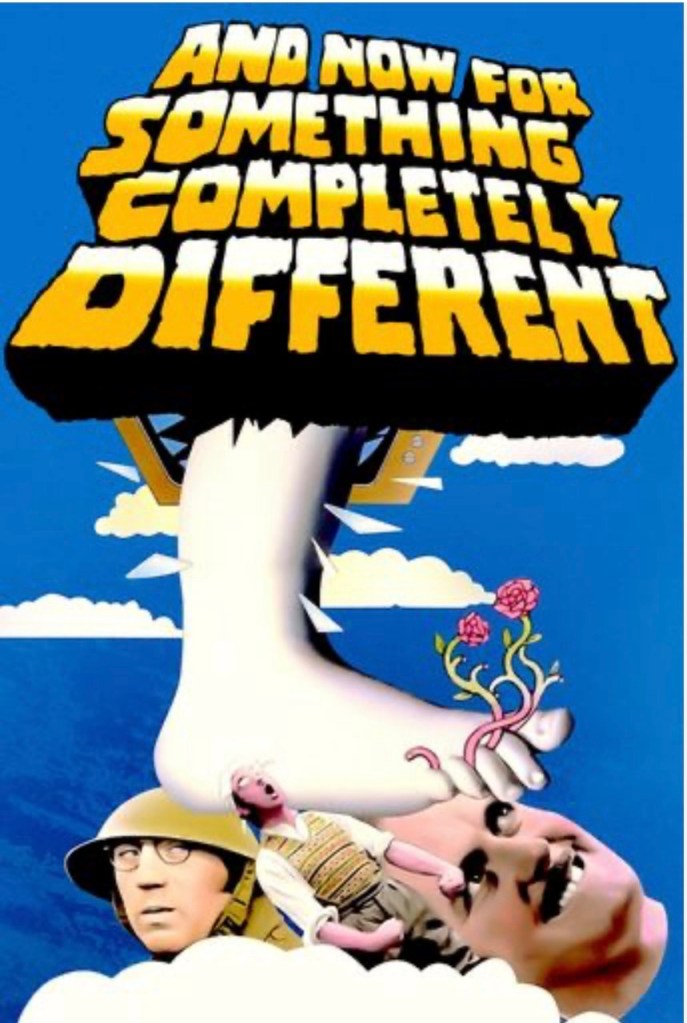
Those of you who are old enough might remember Monty Python’s Flying Circus. It was incredibly popular here in Canada and my dad was a dedicated viewer of that show. I have very fond memories of watching it with him and enjoying how much he enjoyed it. And Now for Something Completely Different was based on Python, featuring sketches from its first two seasons.
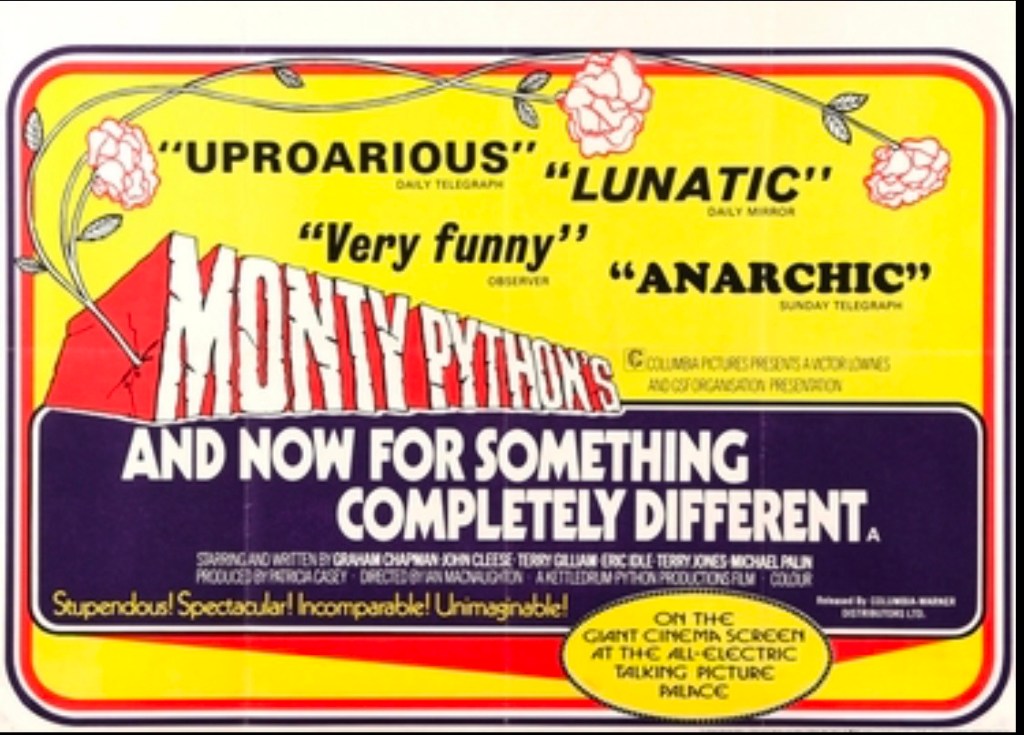
The comedian John Cleese was usually shown wearing a tuxedo and in a serious voice saying something like “and now for something completely different: a man with his brother’s toothbrush up his nose” or other inane or foolish statement. This might be followed by a shot of a man seated behind a desk in a business office and wearing a pink bikini. Definitely off-the-wall stuff and definitely very British, too.
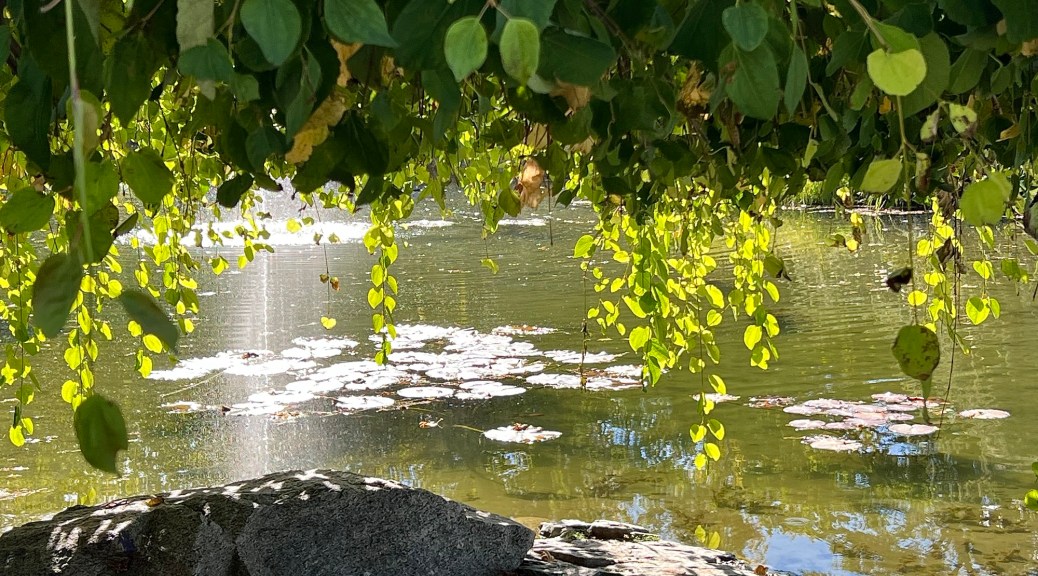
So in honour of Monty, here’s something completely different. Not comedic, I’m afraid, but good to see, I think; a few scenes from last summer and definitely something completely different from what I’ve been posting!
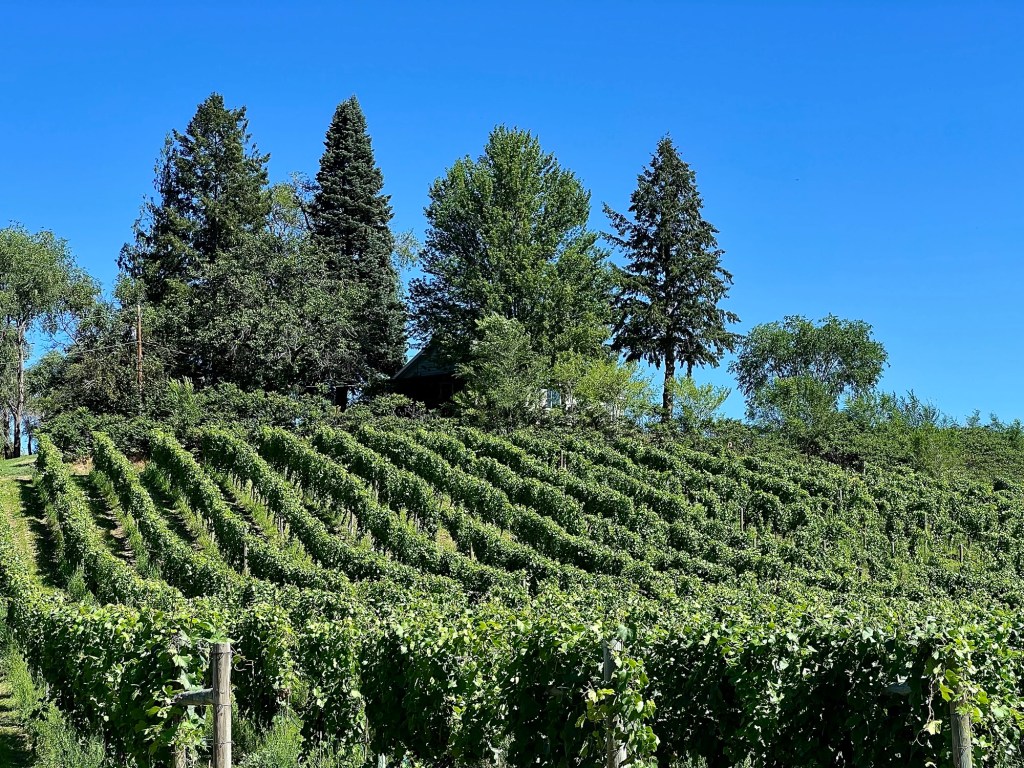
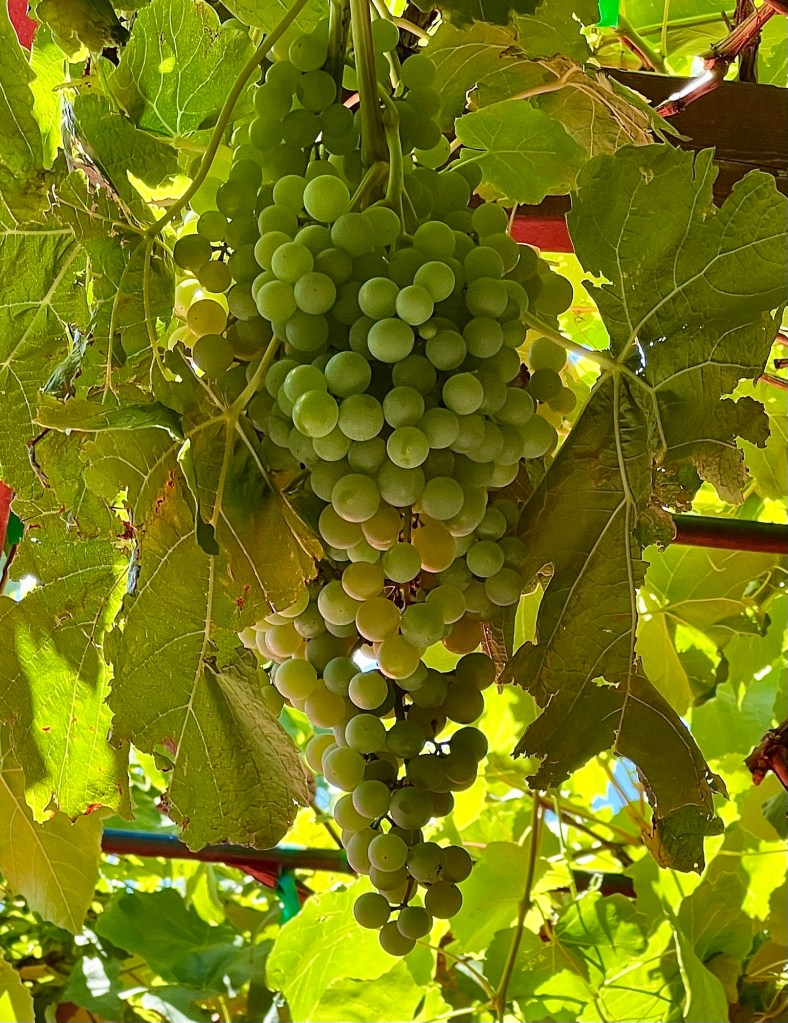
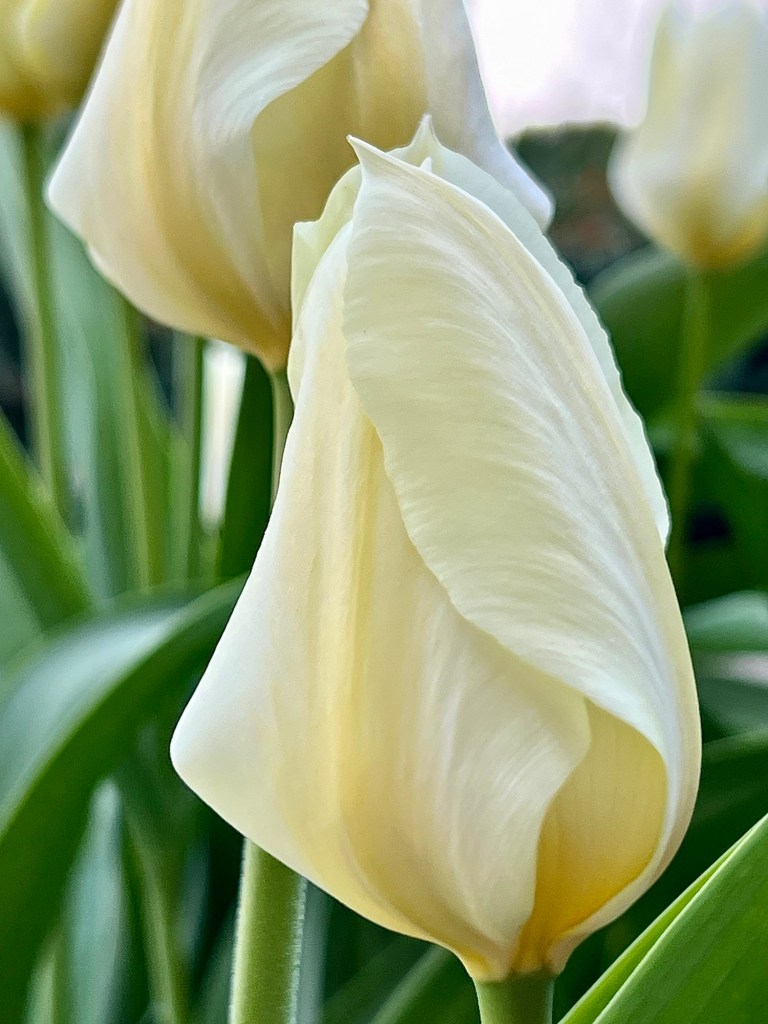
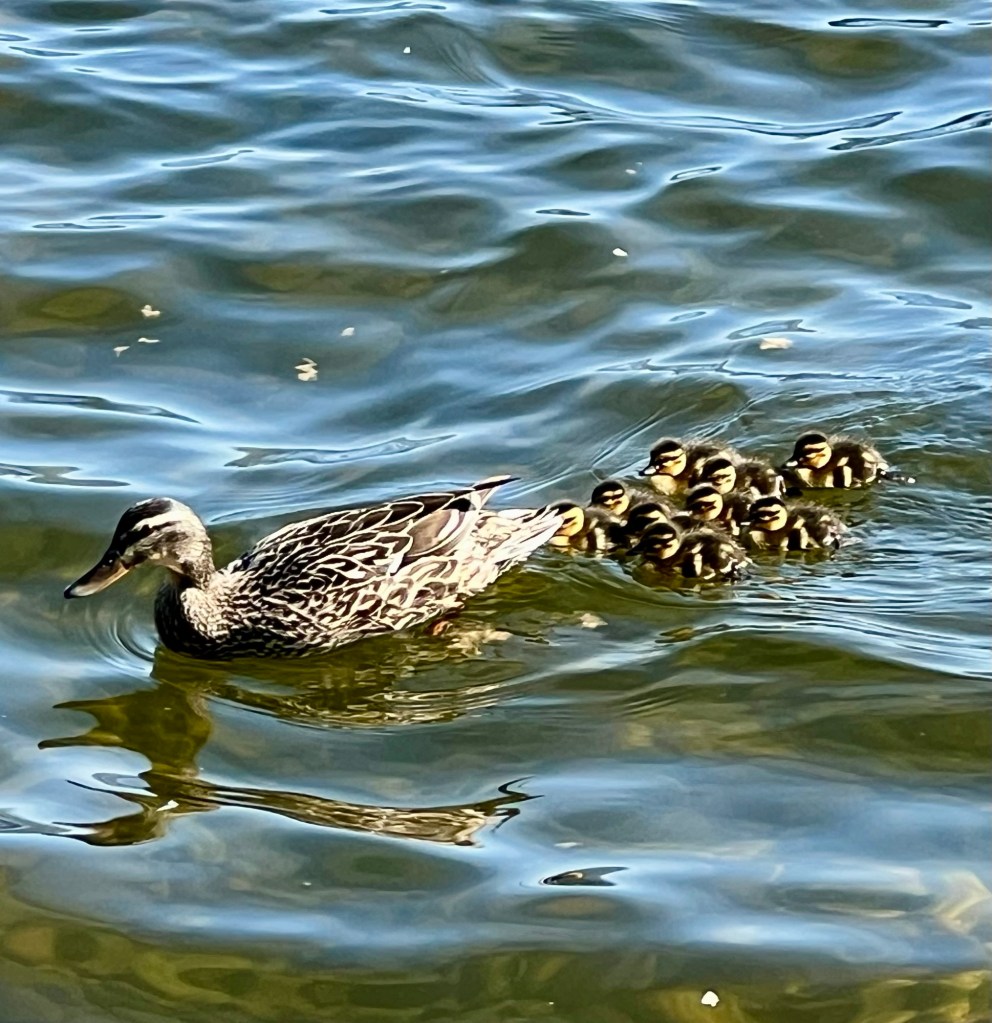
… all coming soon to a spring and summer near you.
Happy Monday.
… I saw a contemplative coot …
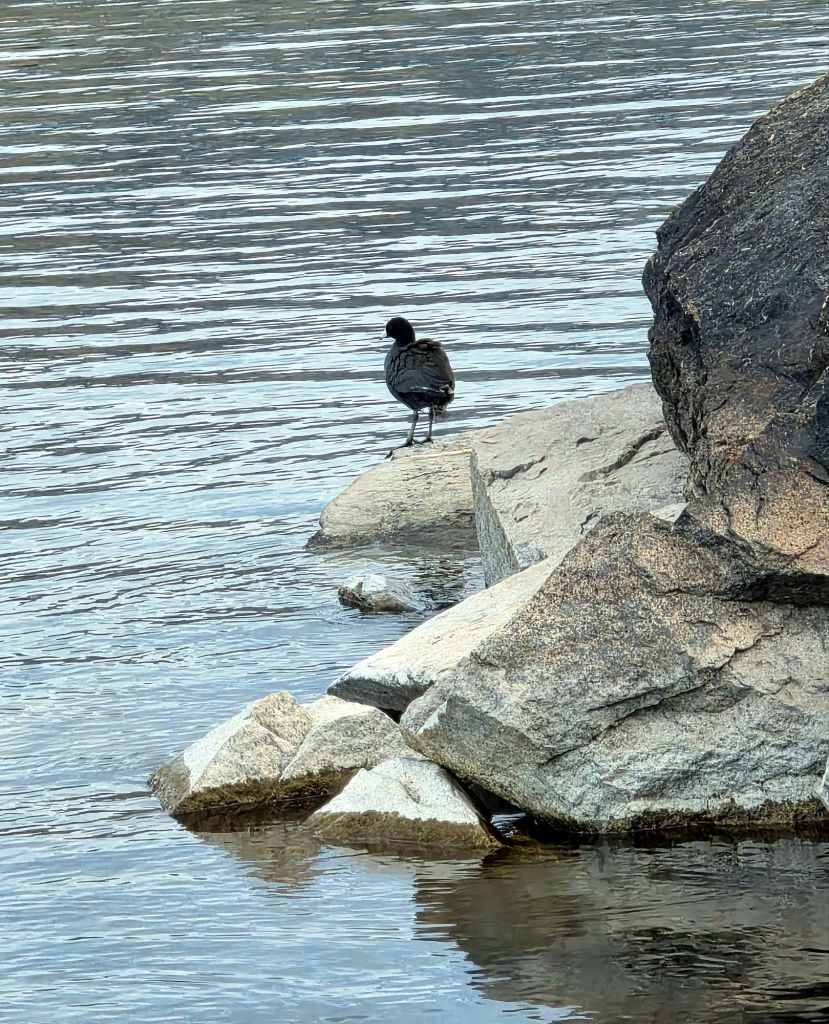
… a watery, cloud-veiled sun …

… quail on the run …
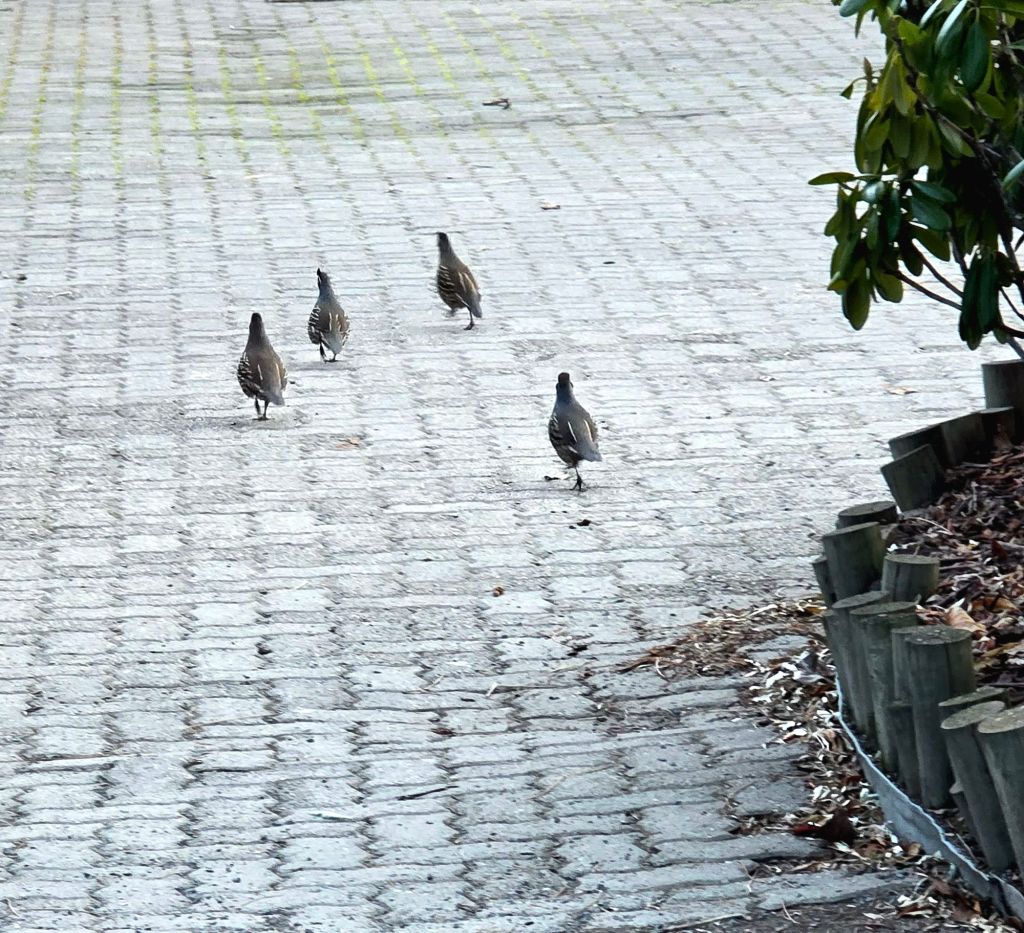
… and best of all, some new growth!
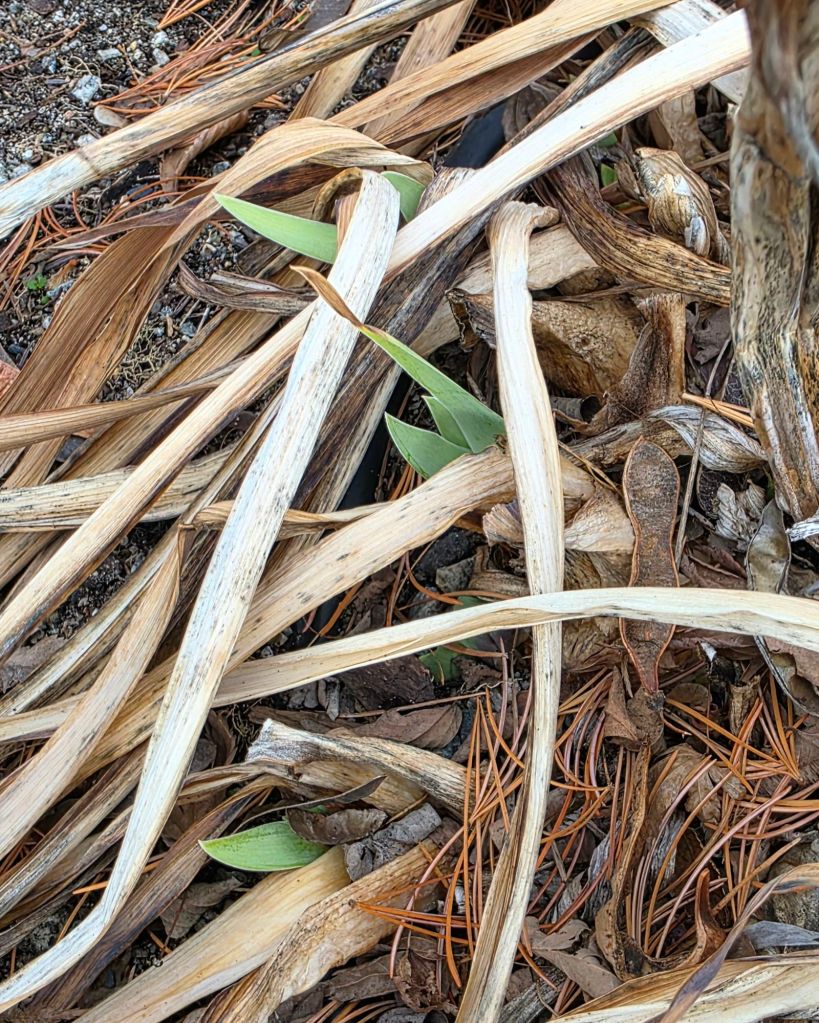
These are iris plants and they won’t bloom until about mid-to-late April, but they’re already peeking through. Very encouraging.
Happy Sunday.
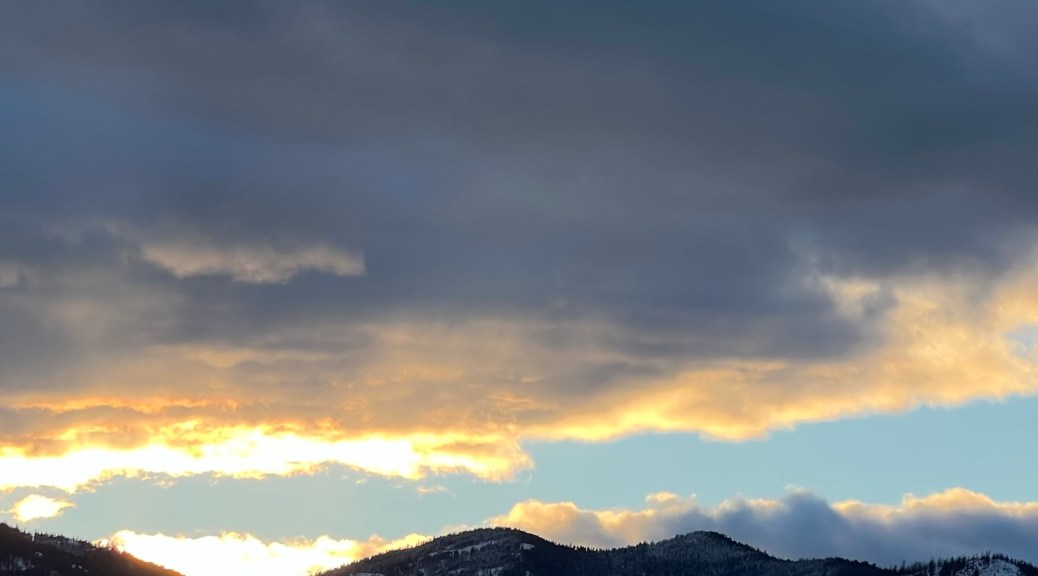
We have had some lovely January sun peeking through the …
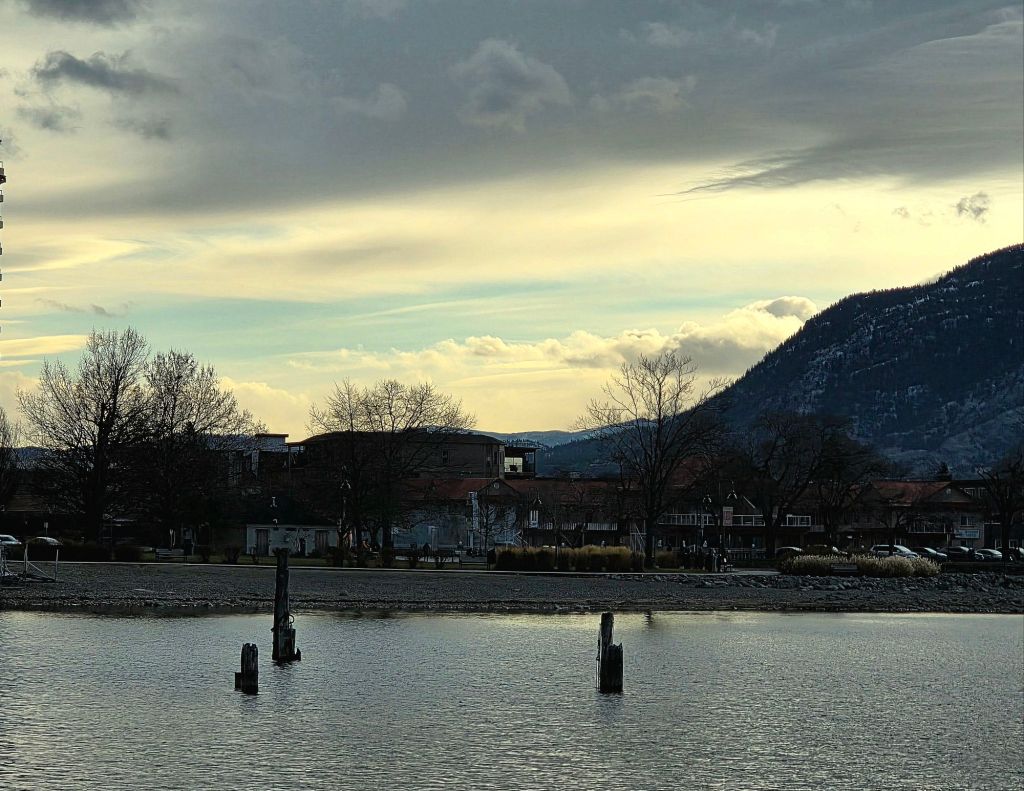
… breaking stratus and cumulus clouds that constantly swirl and join and break again …
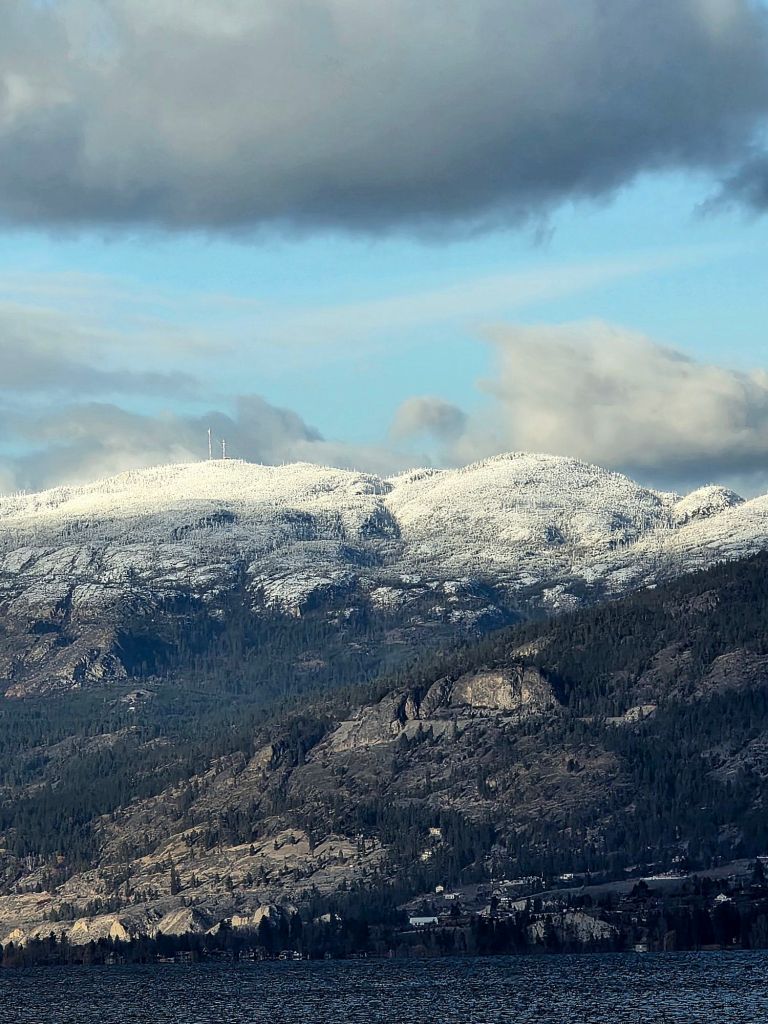
… while the snow stays properly in the mountains …
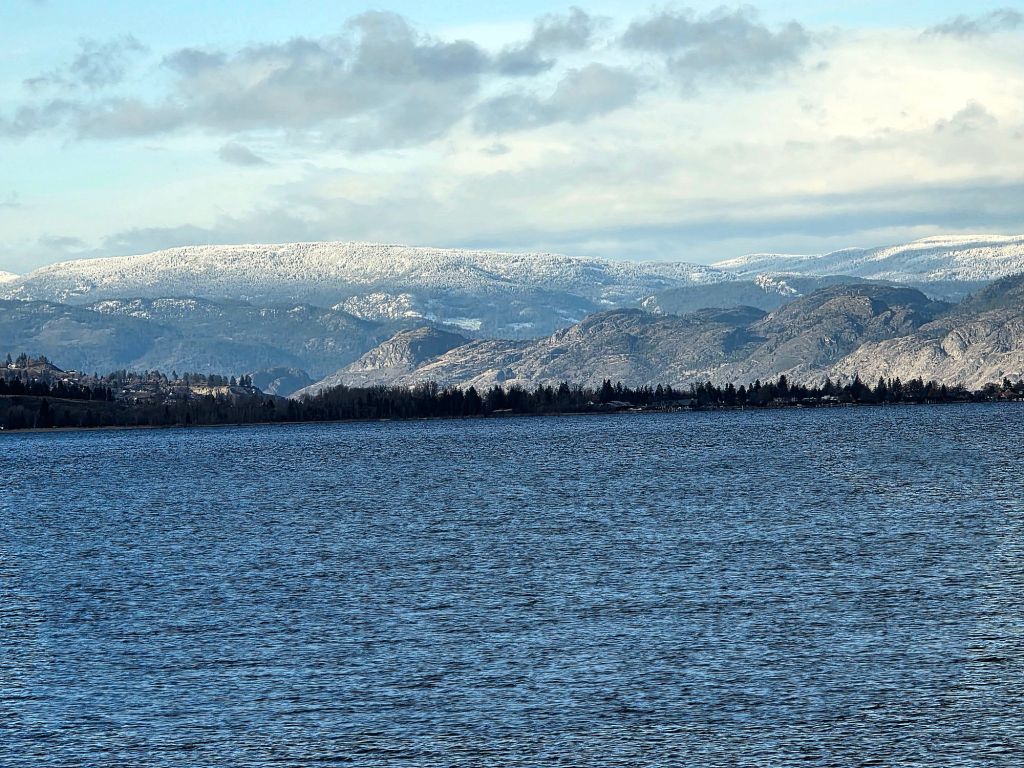
… to be enjoyed from a distance.
Happy Saturday.
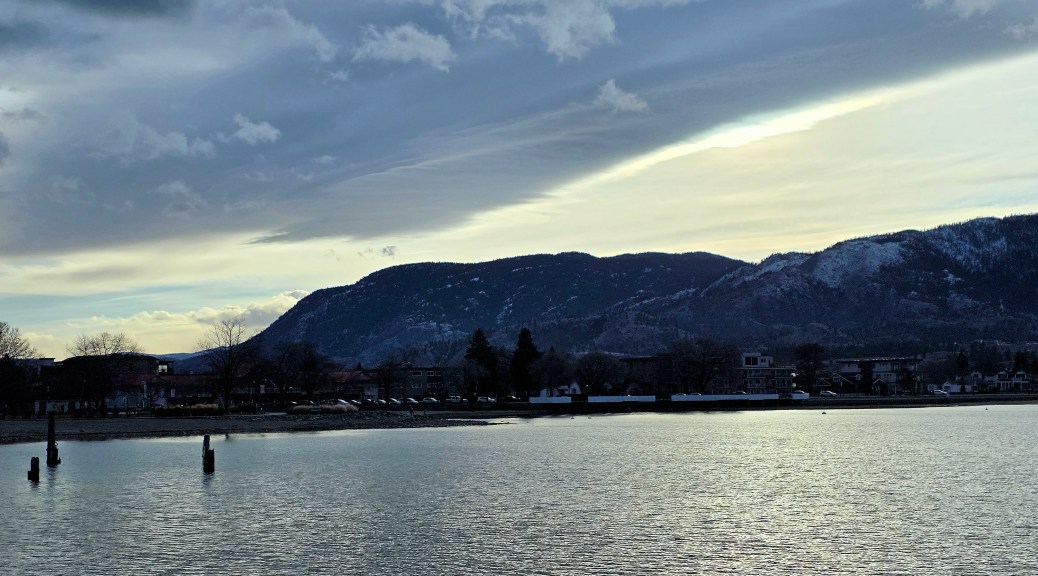
In calm conditions the lakes usually create lovely reflections …

… parallels …

… of what floats above them …
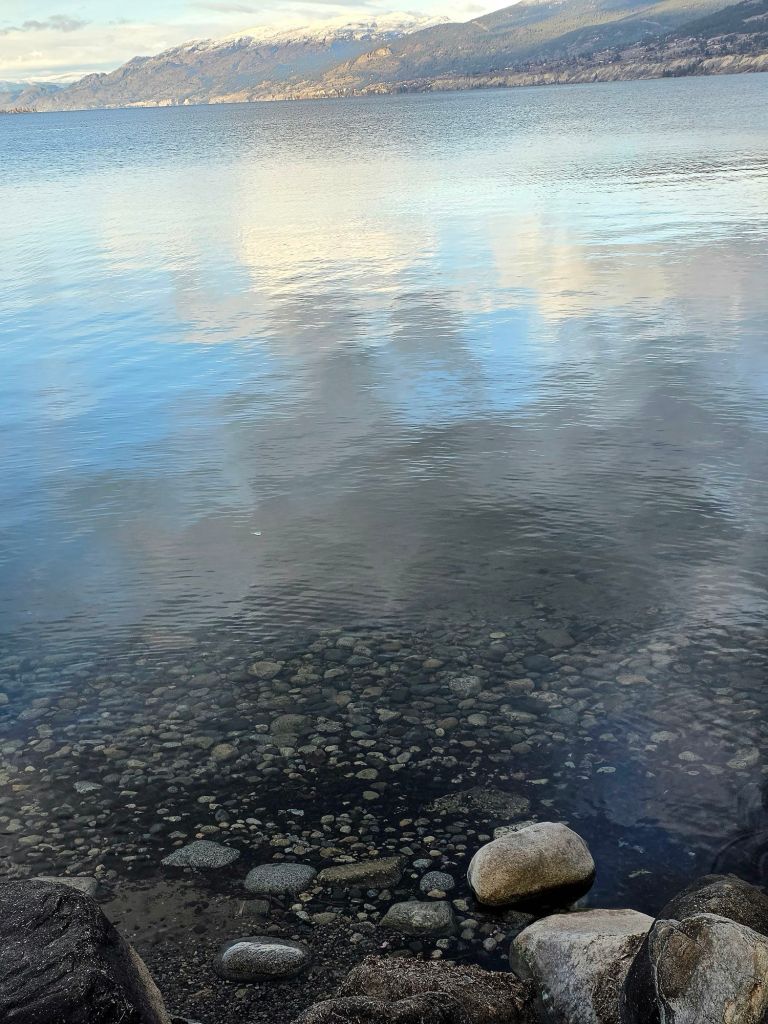
… clear and cool.
Happy Friday.
Winter grasses bend in the wind …

… while ducks enjoy the warmer temperatures …

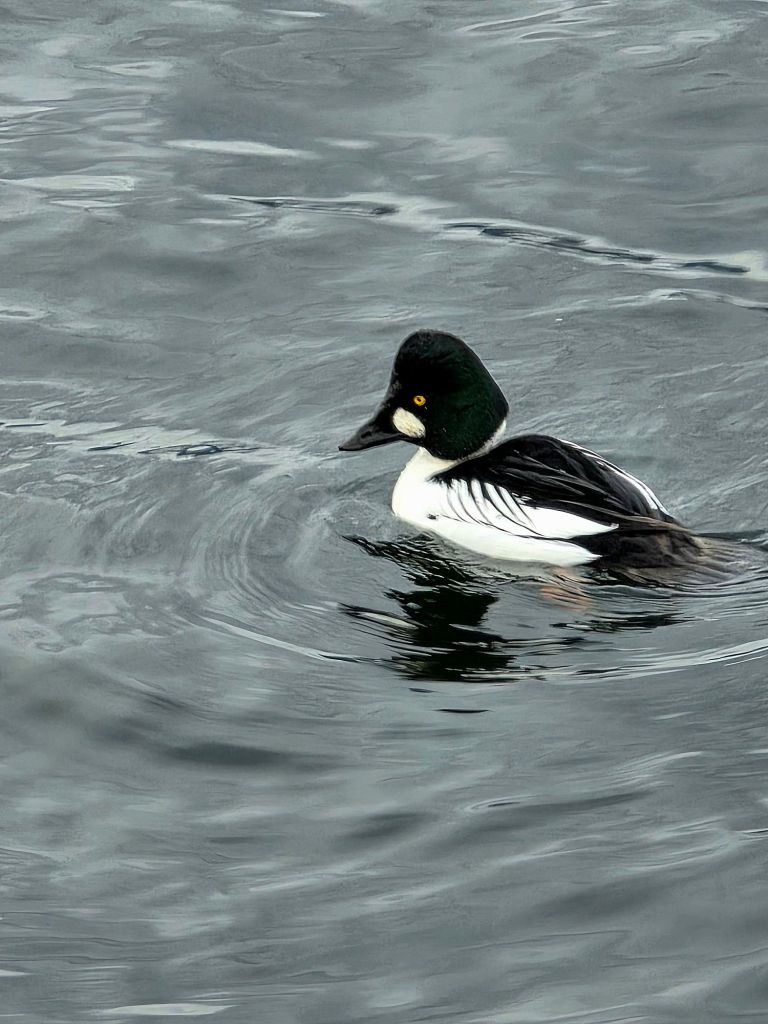
… and goldeneyes (bucephala clangula) relish the open water …
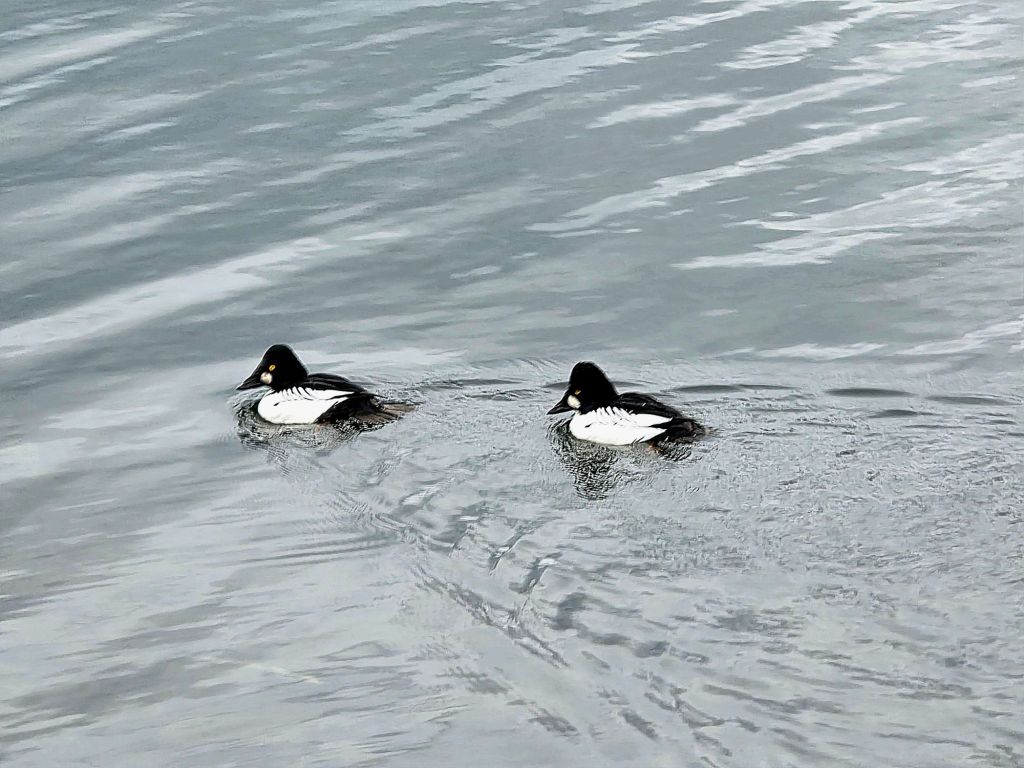
… in their always chic tuxedos.
Happy Thursday.
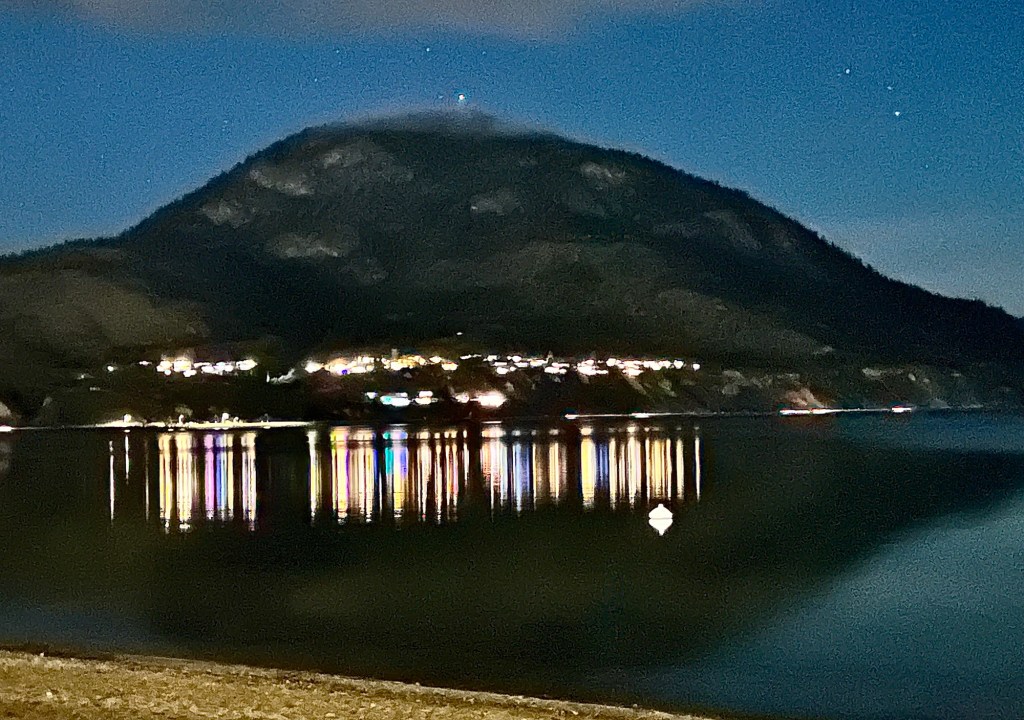
Along with our recent warmer temperatures have been some windless or almost windless days.
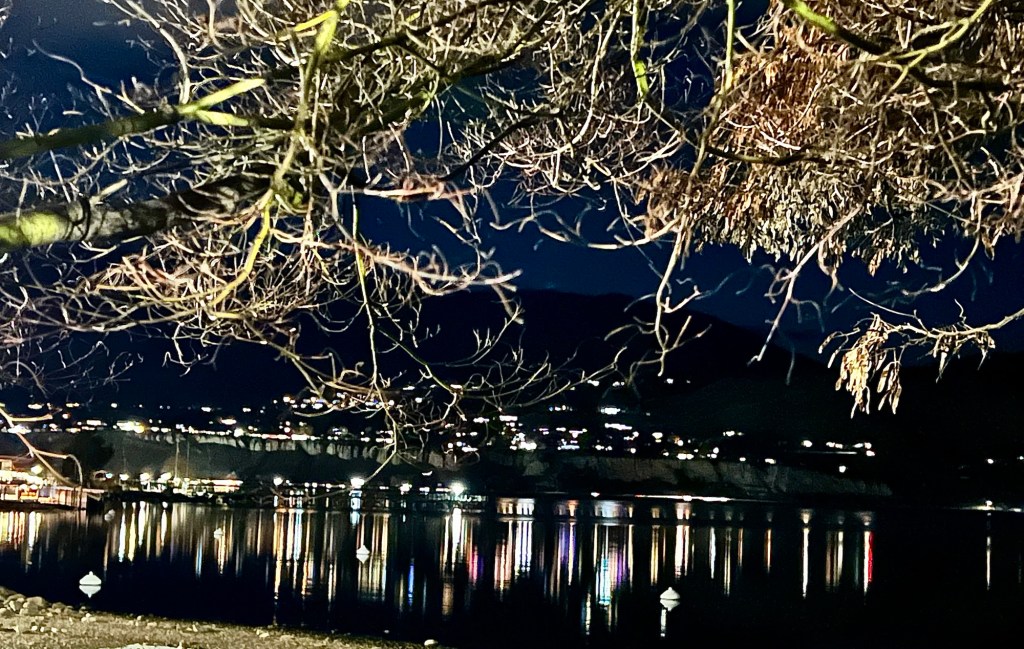
It has been nice to do some blue hour rambles in relative winter comfort.
Happy Wednesday.
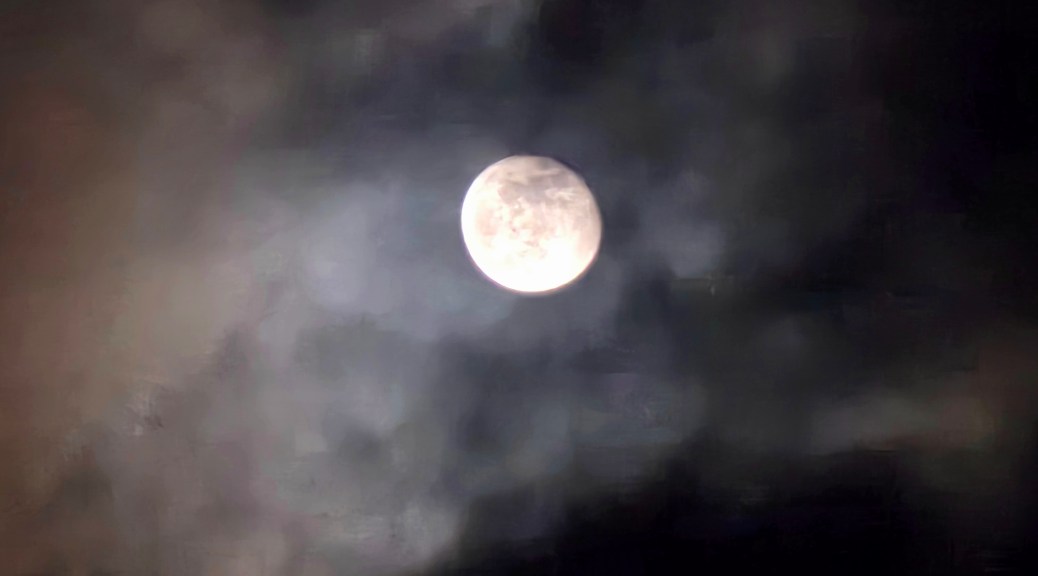
The recent wolf moon briefly became visible through the clouds and I was able to capture these images. They’re not the best since I was scrambling around to get pictures before the clouds covered it again but they will do.
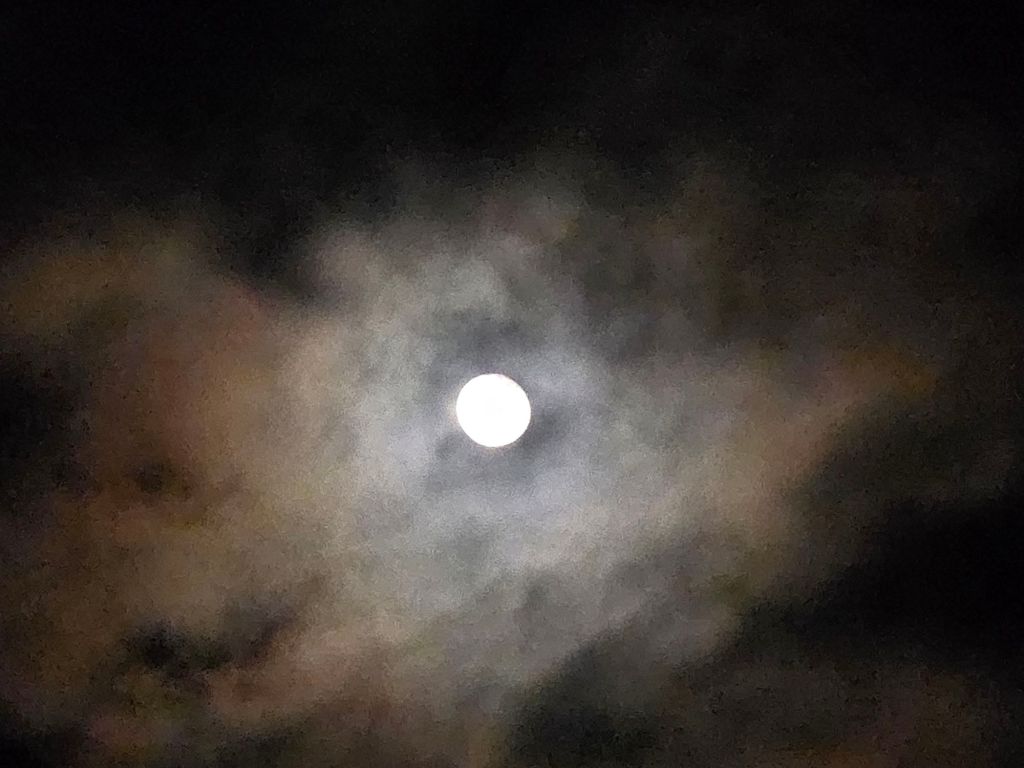
This moon was classified as a supermoon since to the casual observer it appeared to be full on both the night before and after its peak. Additionally, supermoons are also so-called because the moon is at its closest point to the earth, making it appear extra-bright.
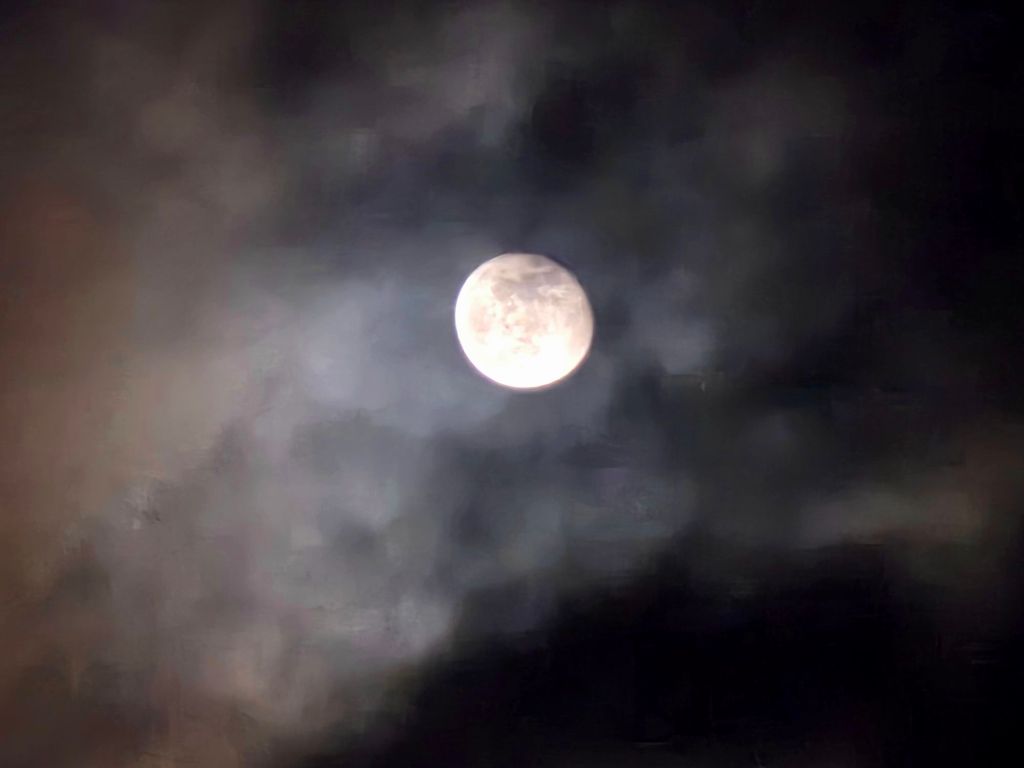
The wolf moon earned its name because wolves don’t hibernate and in ancient times their howling would have been especially noticeable. Images of wolves howling at the moon are iconic, especially of the north.
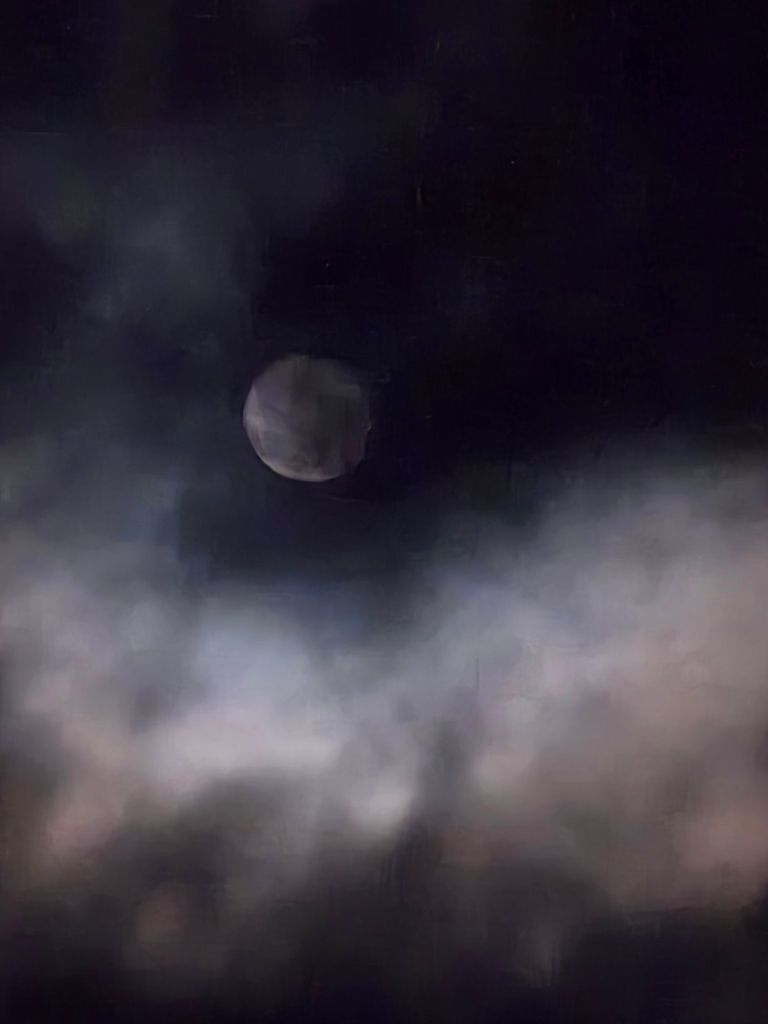
There will be two other supermoons this year on November 24 and December 24.
Happy Tuesday



 In the Net! - Pictures and Stories of Life