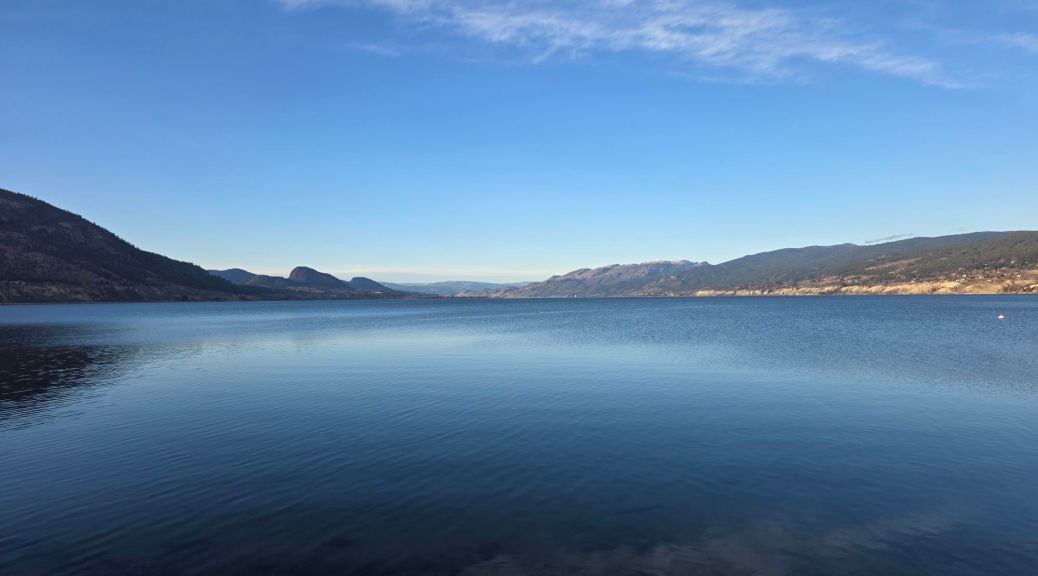
I enjoyed immensely these blue skies; such a lovely sight after weeks of winter grey.
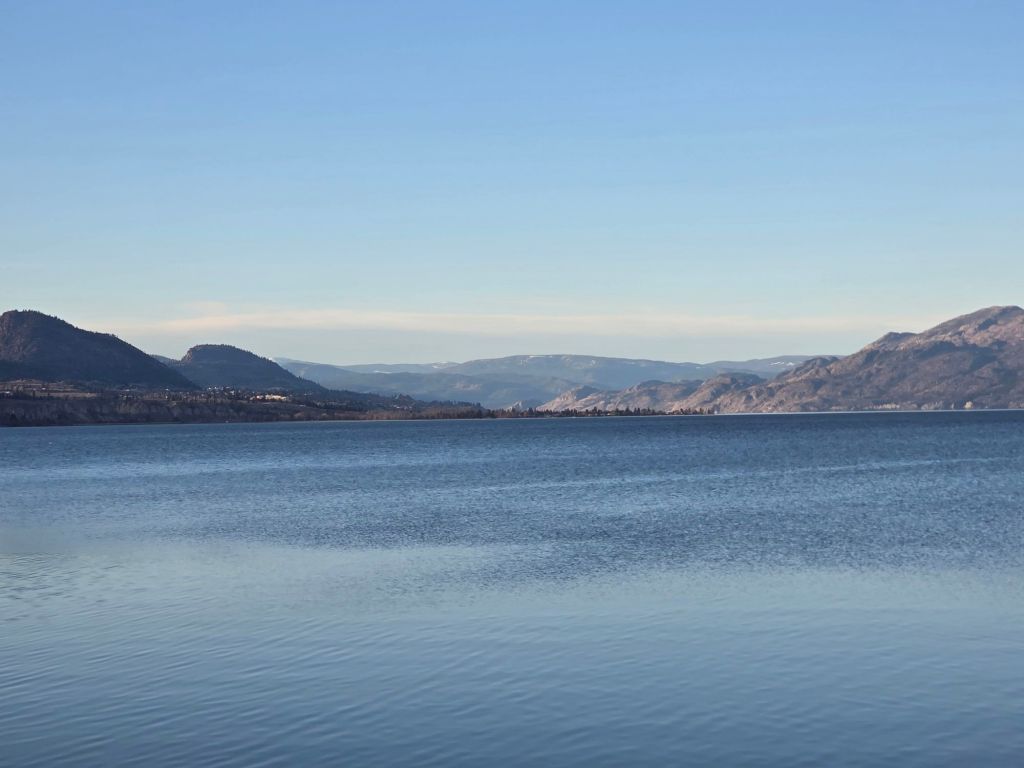
These photos are completely unedited; that way you can really see how pretty these clear skies were.
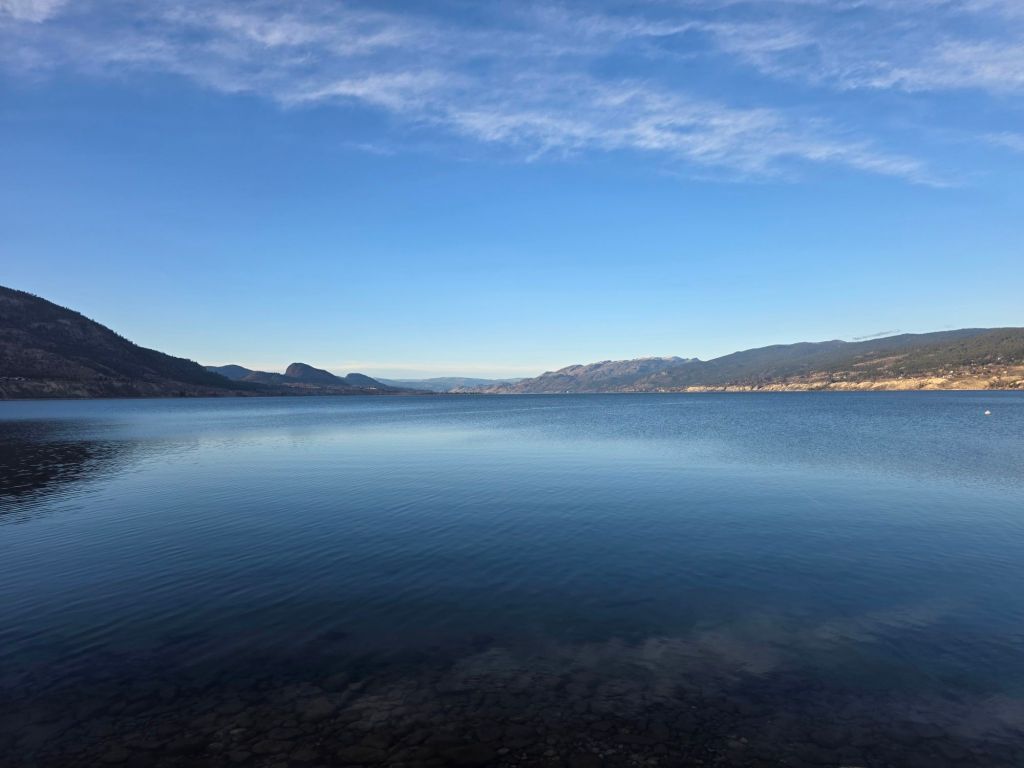
Happy Tuesday; I hope you have a blue sky day.
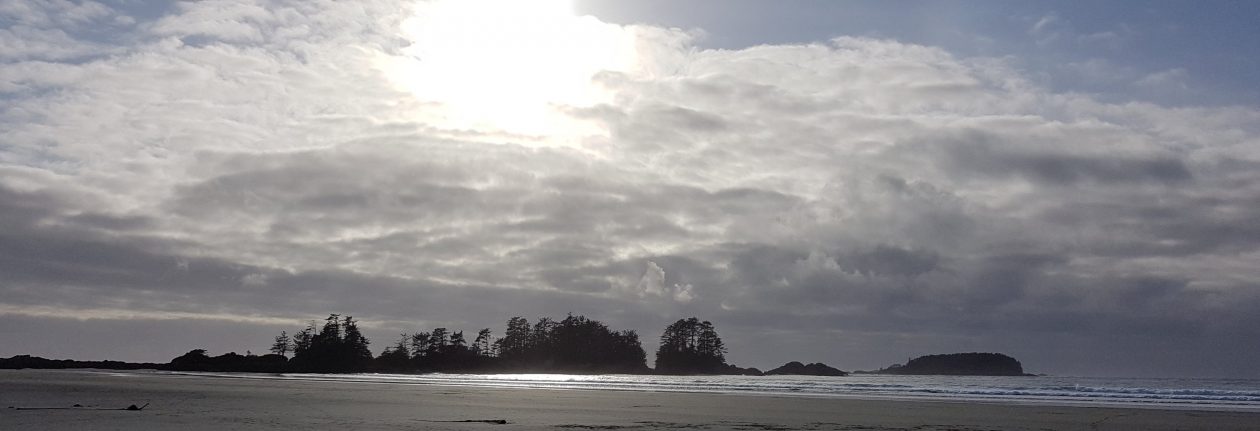
I enjoyed immensely these blue skies; such a lovely sight after weeks of winter grey.
These photos are completely unedited; that way you can really see how pretty these clear skies were.
Happy Tuesday; I hope you have a blue sky day.

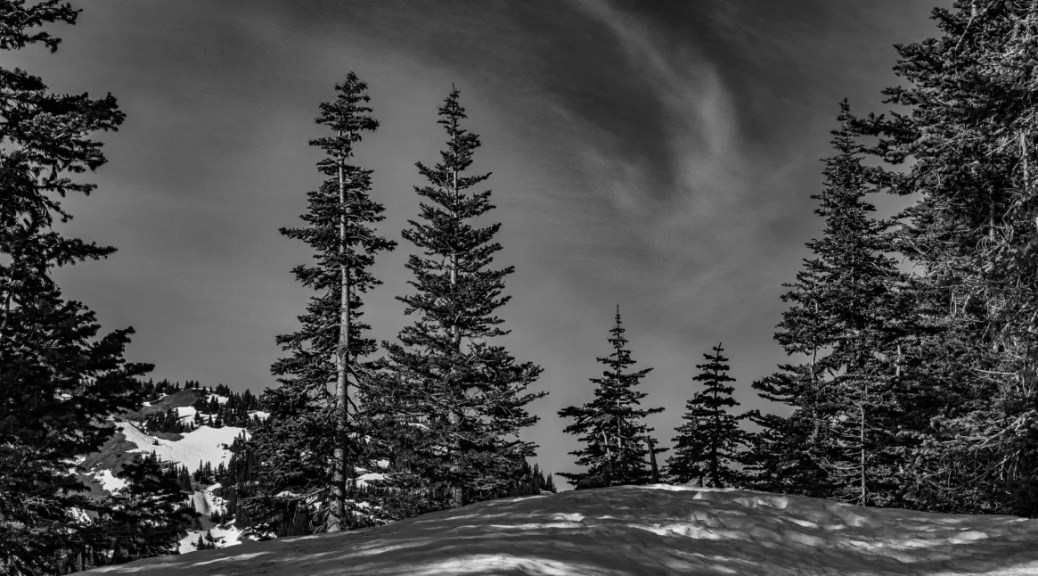
A final image from the recent visit to Hurricane Ridge (Olympic National Park). I thought you might like to see a more ground level shot. The snow is…
Snow, Trees and Sky
A stunning photo from Allan at Allan J Jones Photo Blog. Please click the link above to see more of his beautiful photography.
We were lucky enough to have a rare sunny day …
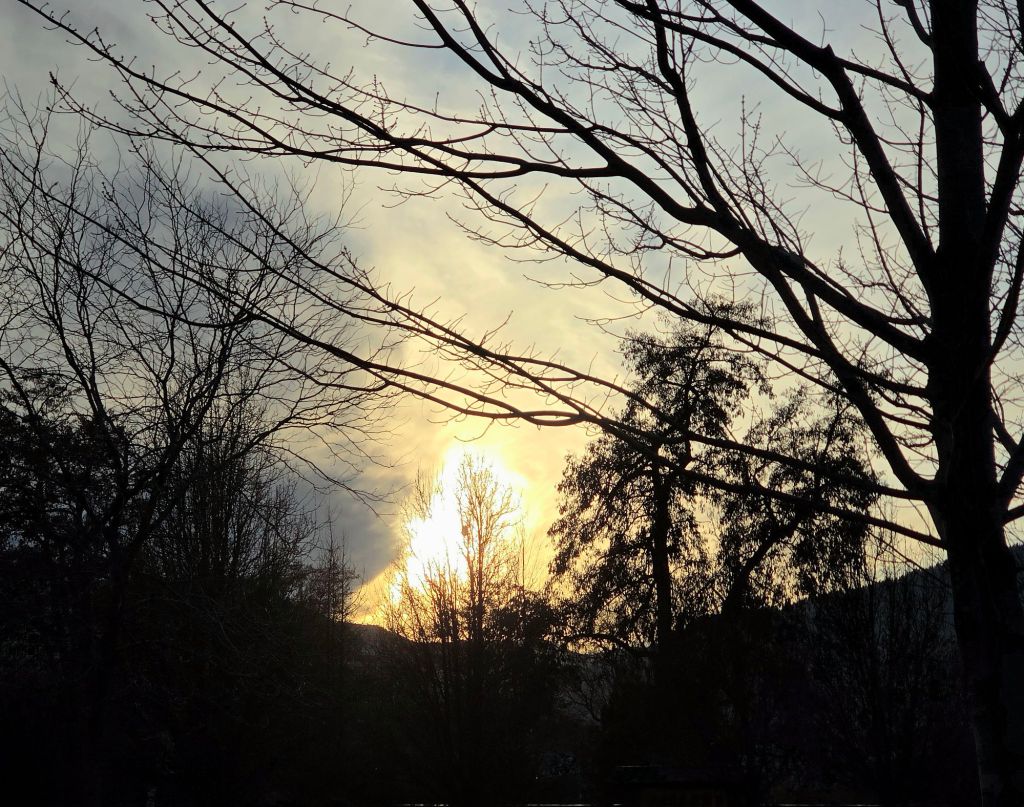
… and I made sure that I got out there to enjoy it.
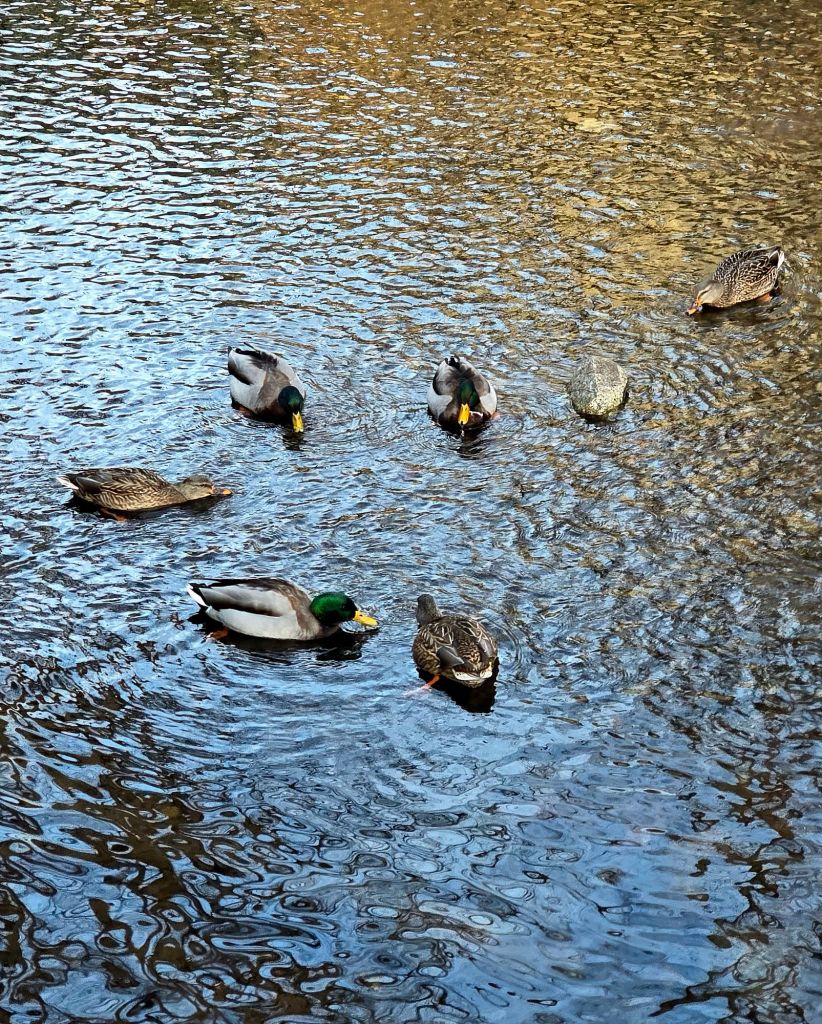
The ducks definitely did.
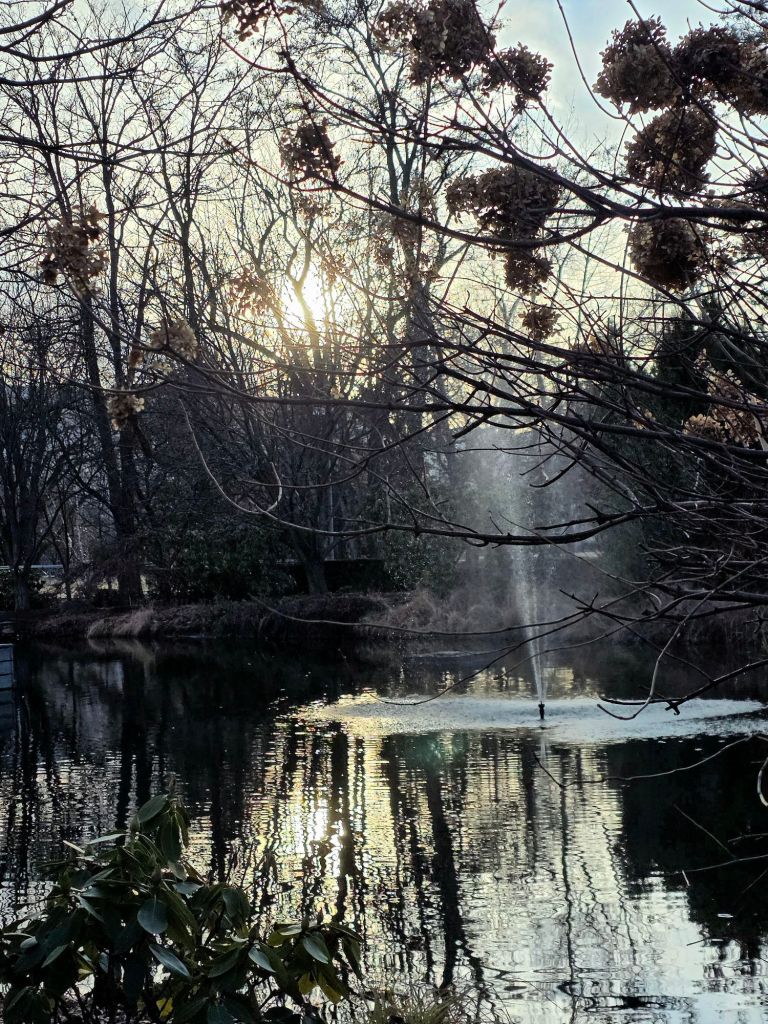
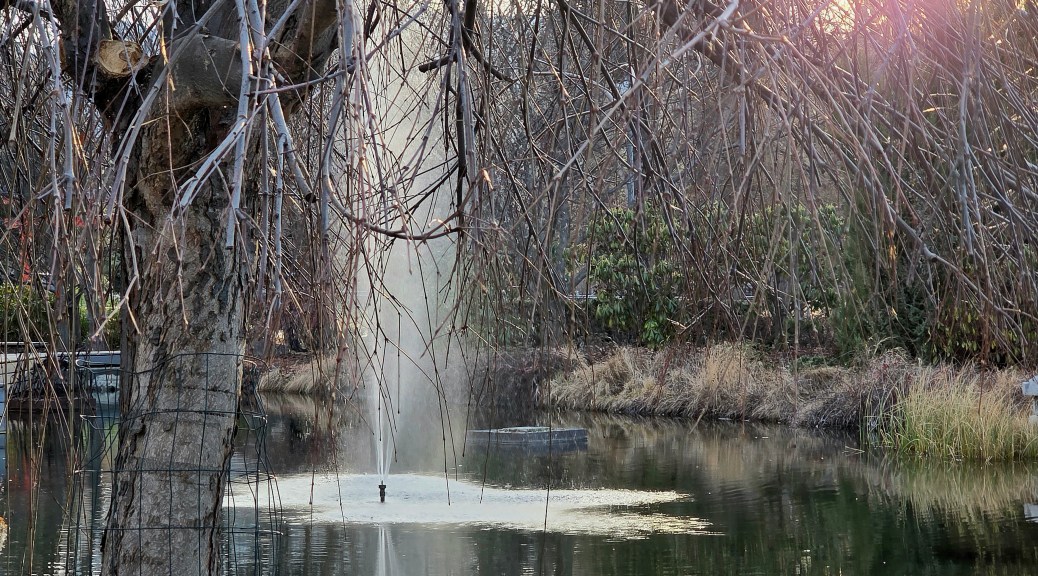
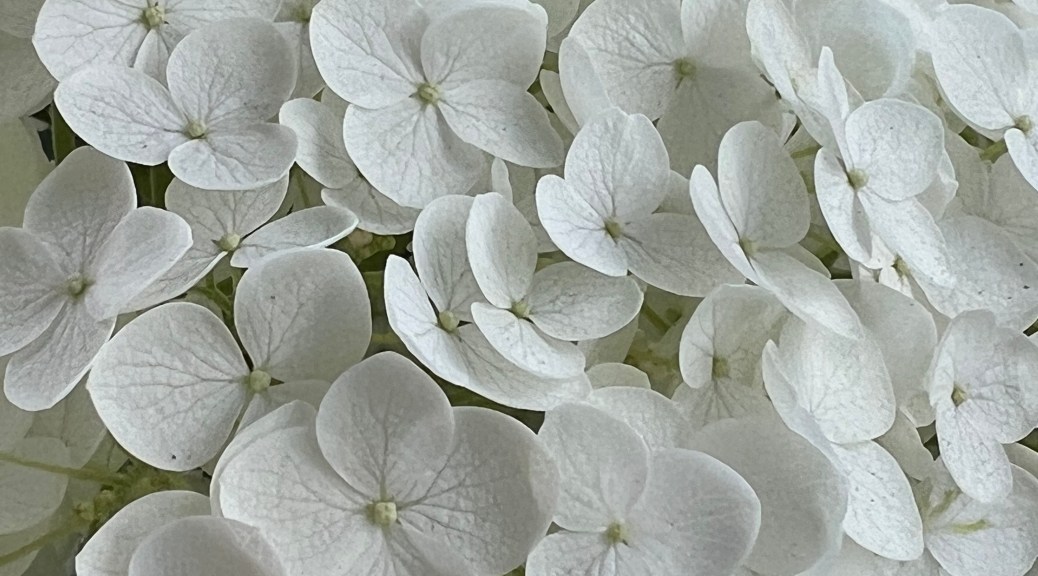
It was lovely to sit and watch the sun go down through last year’s dried hydrangeas, knowing that they will soon be replaced by spring growth.
Happy Monday.
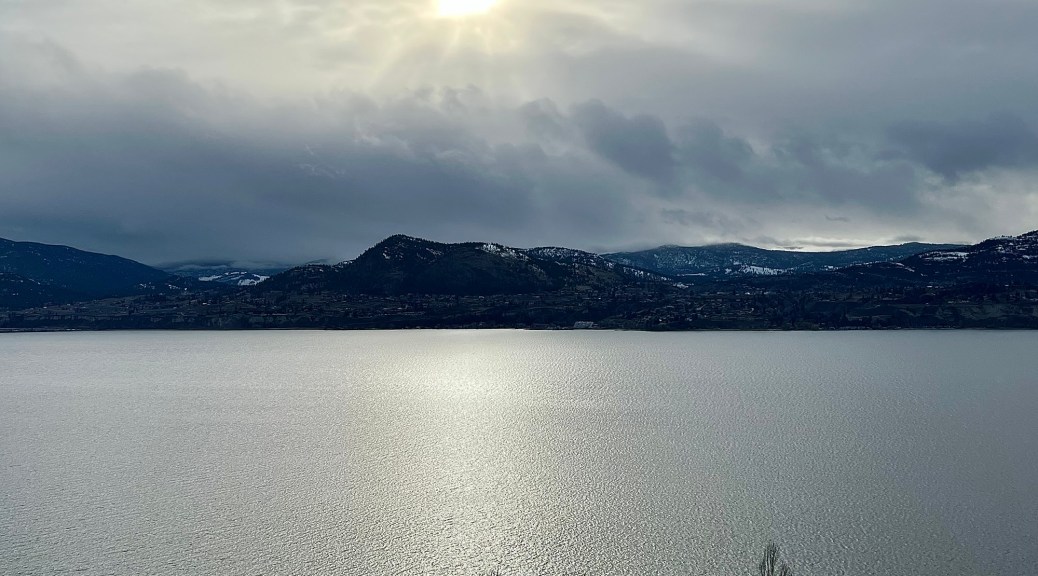
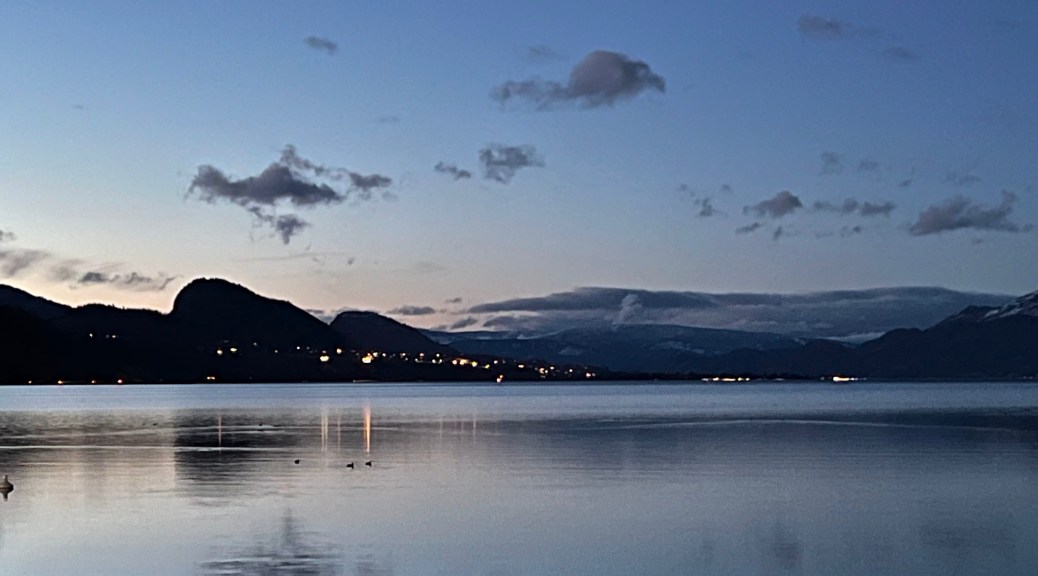
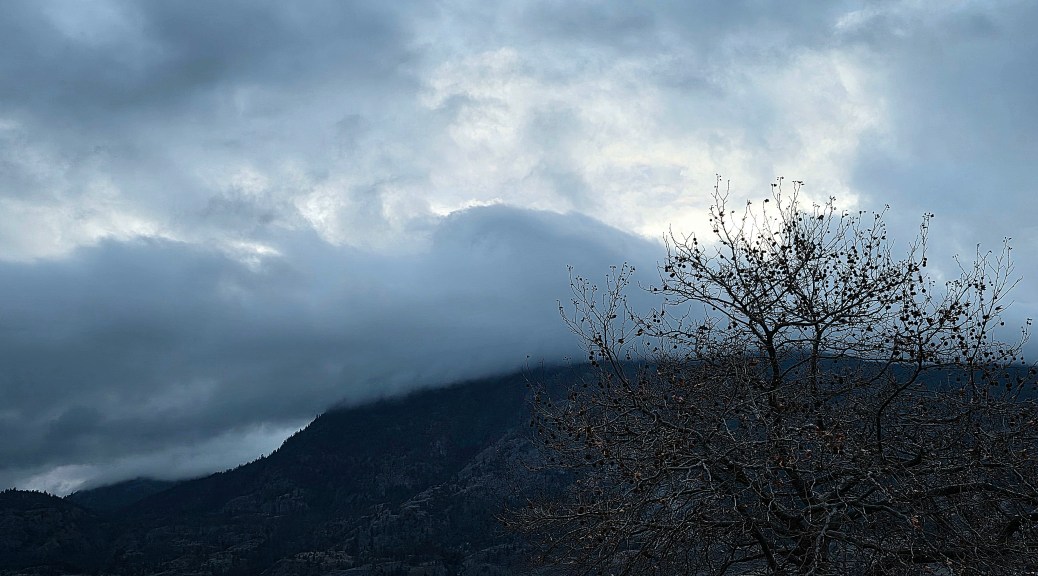
The sun breaks through …
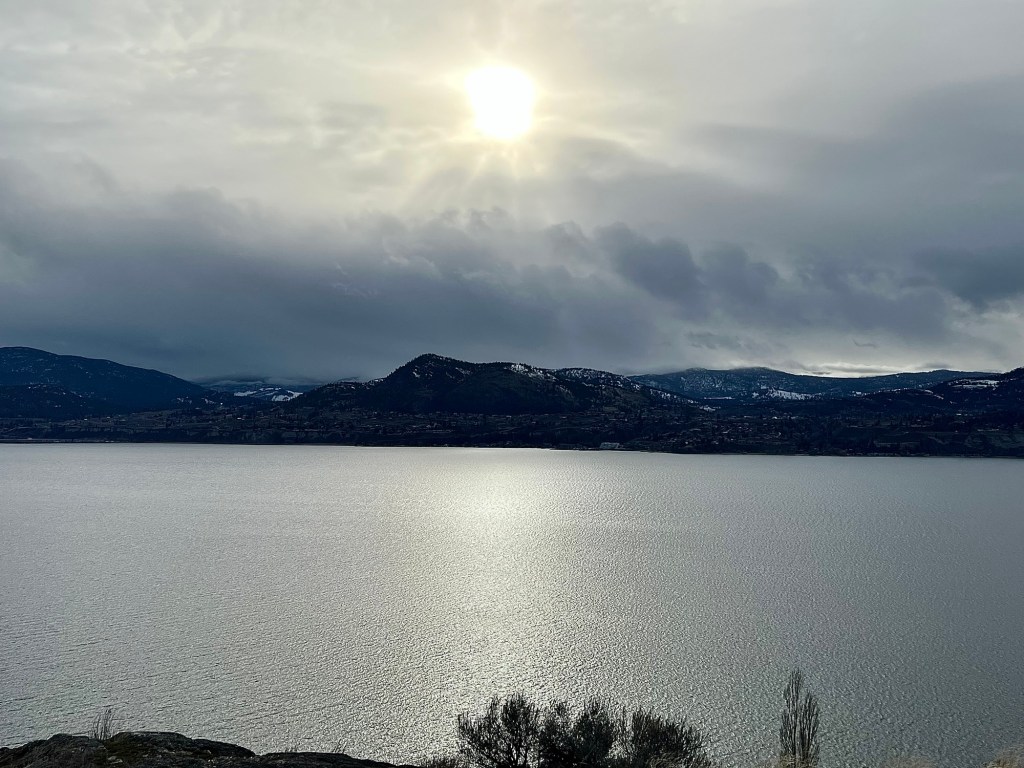
… the clearing overcast above Okanagan Lake.
Happy Saturday.
Although many of us in western North America are enjoying some nice February weather, most people are still freezing and fighting off snow, wind and ice. So here’s another “think spring” post to hopefully brighten your day.
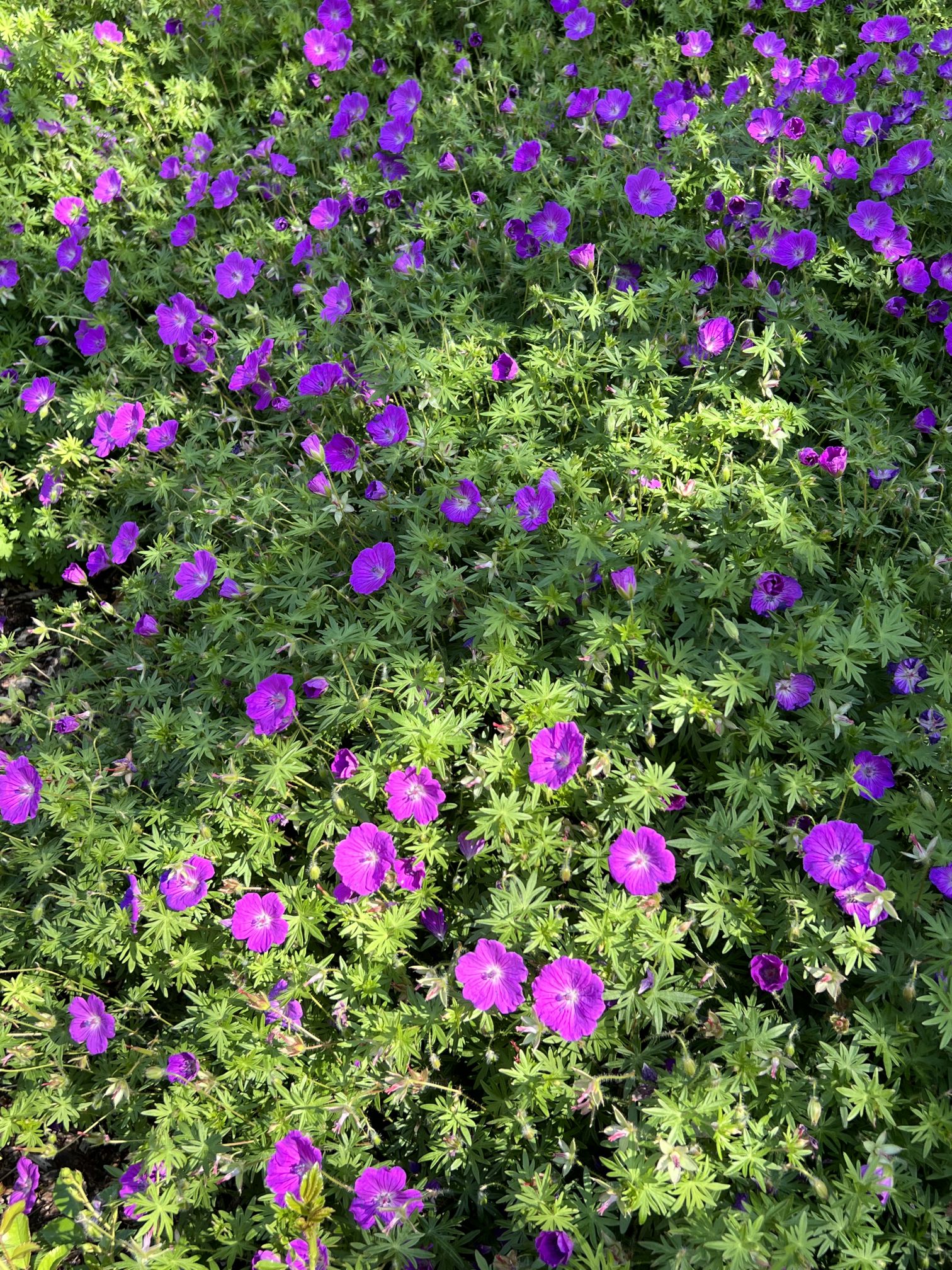
I believe the groundhogs were mostly saying that the central and eastern parts of the continent are supposed to have an early spring and I would definitely say that you’ve earned it! So herewith are some memories of June, 2025. Last time, I posted pictures from April and May.
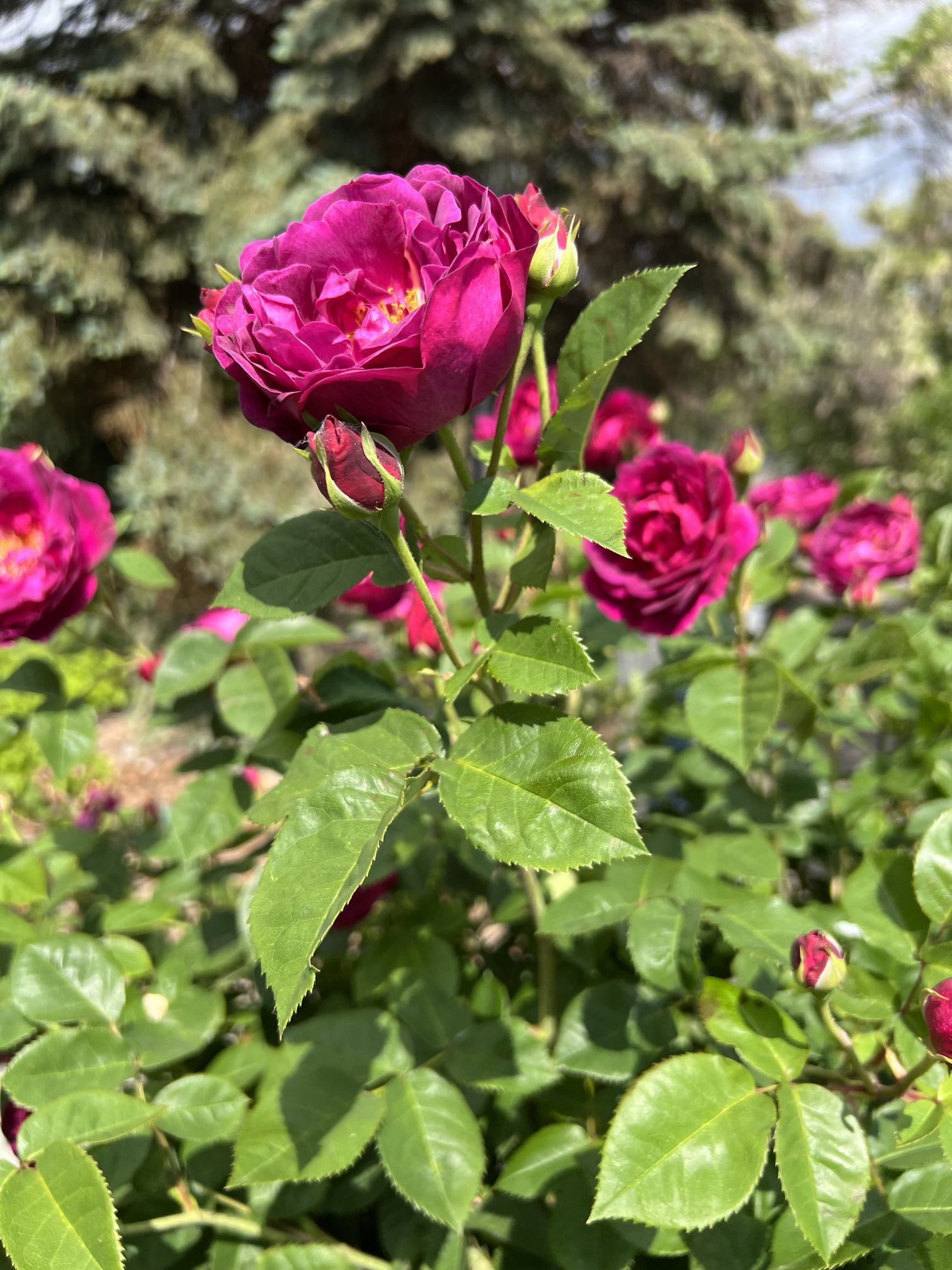
Tea roses …
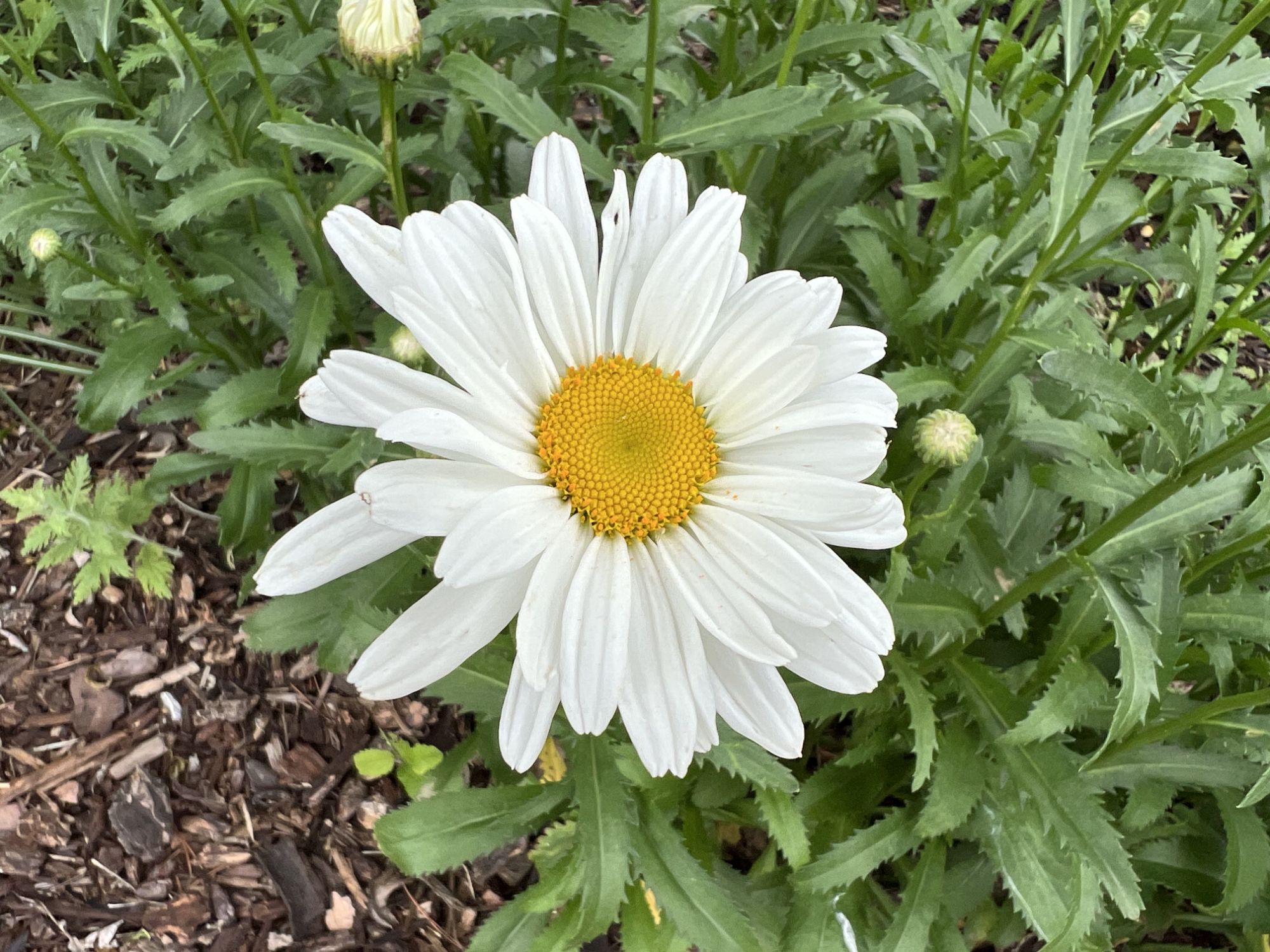
… a very fresh daisy …
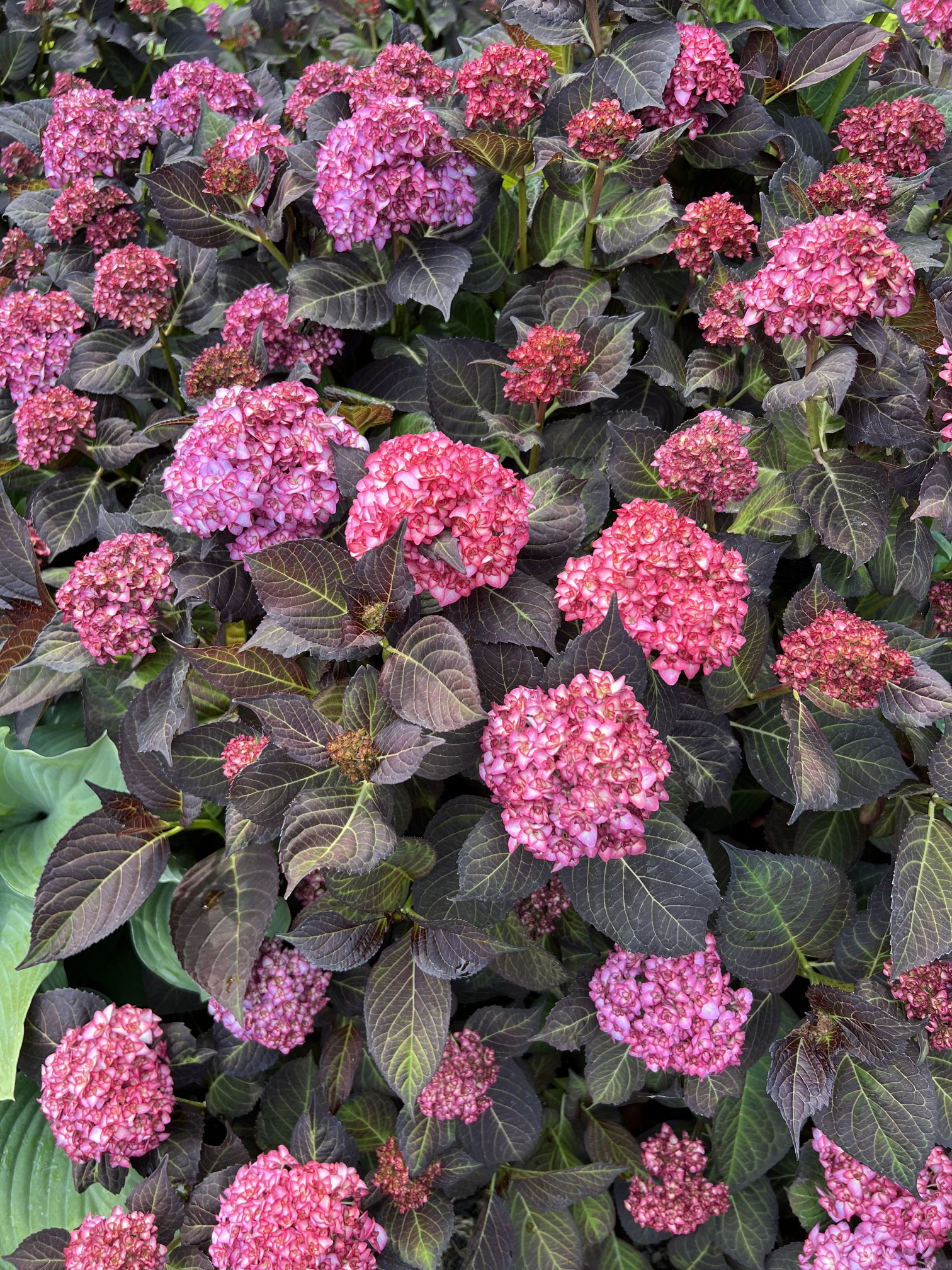
… lovely pinkish-red hydrangeas …
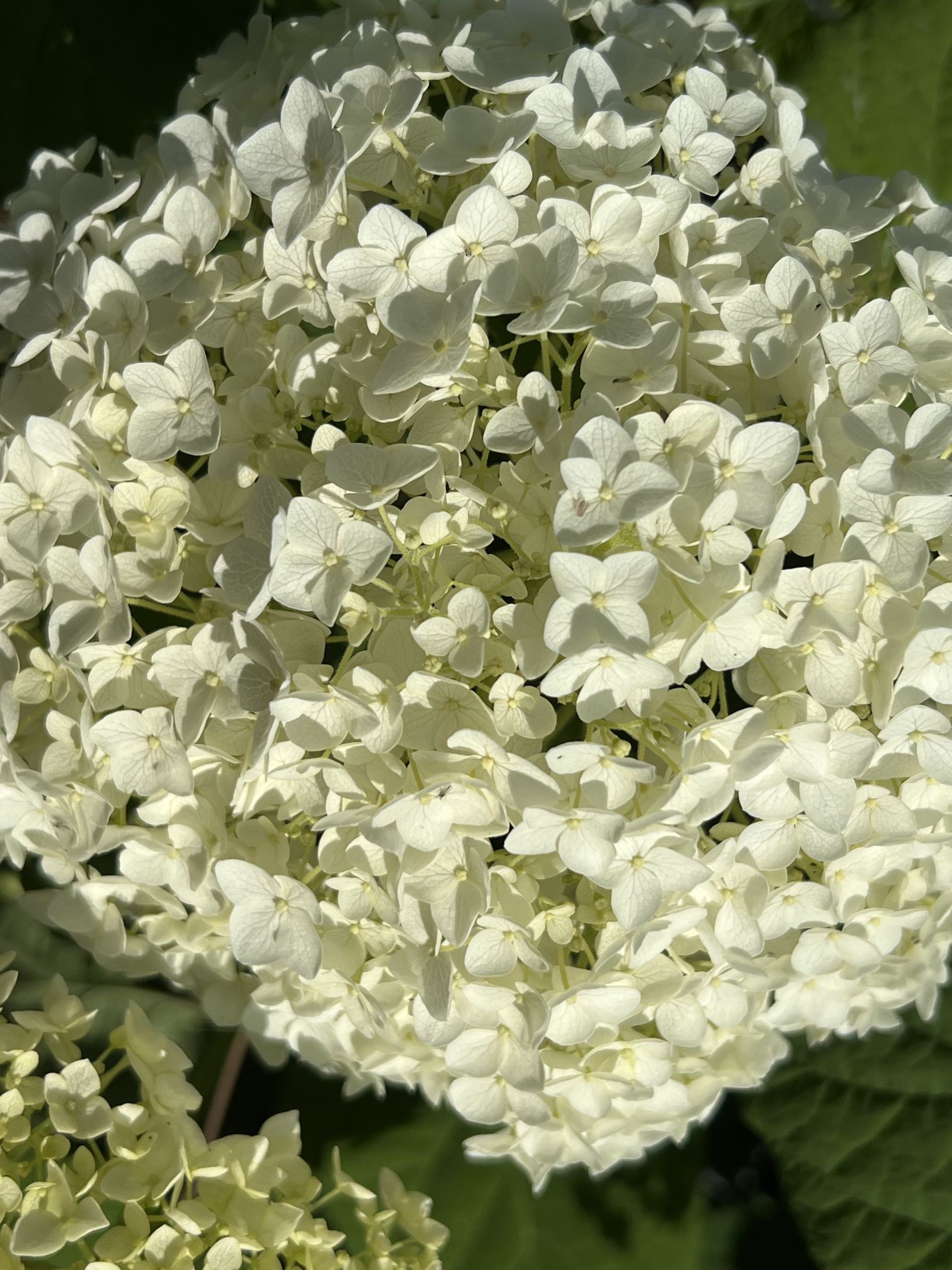
… and white ones, too …
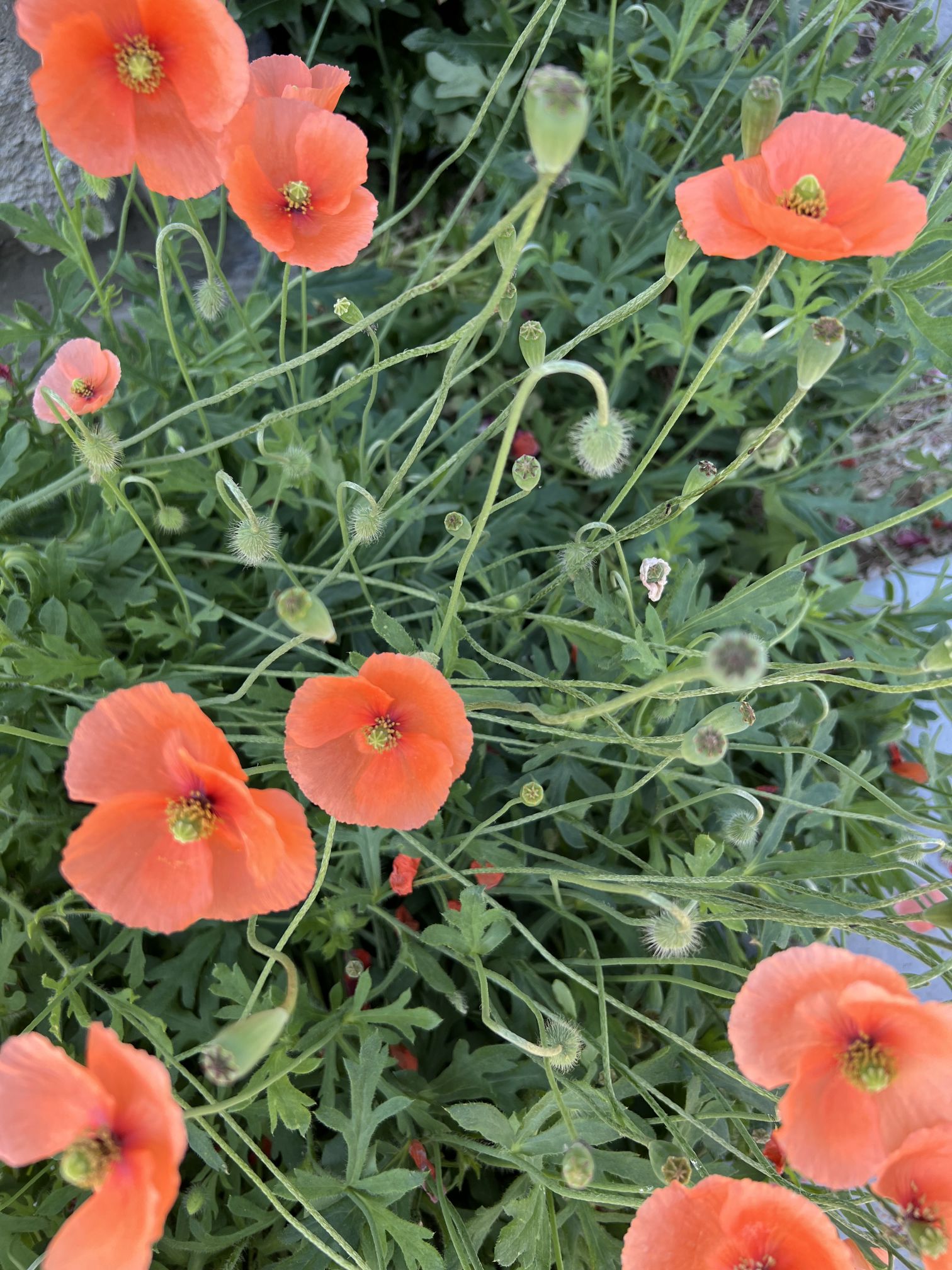
… with pretty pastel poppies.
Happy Friday.
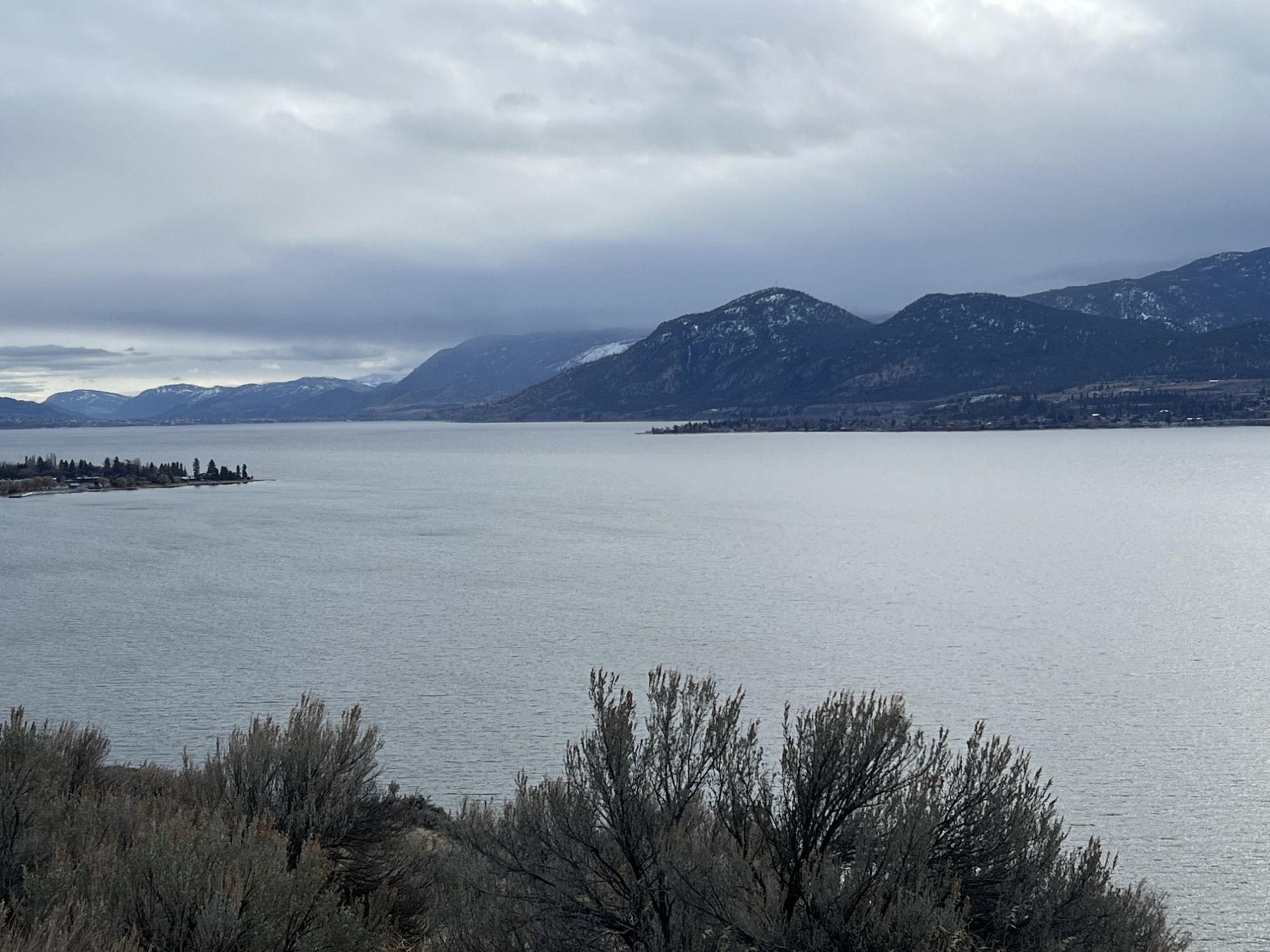
A hike on the edge of the mountains above the lake …
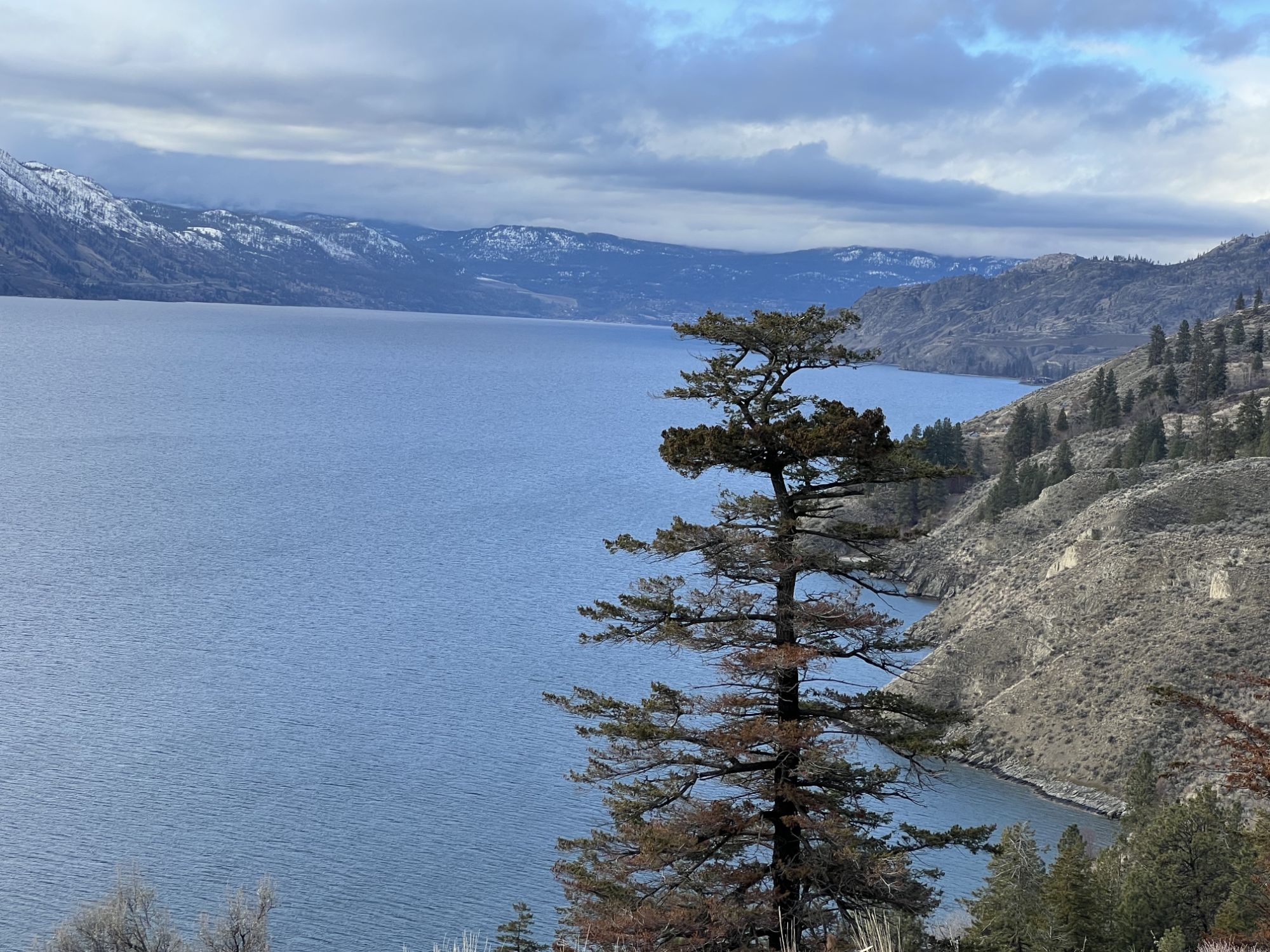
… provided some great if overcast views.
Happy Thursday.
These photos were taken a month ago when we had some sun which has definitely not been the case recently!
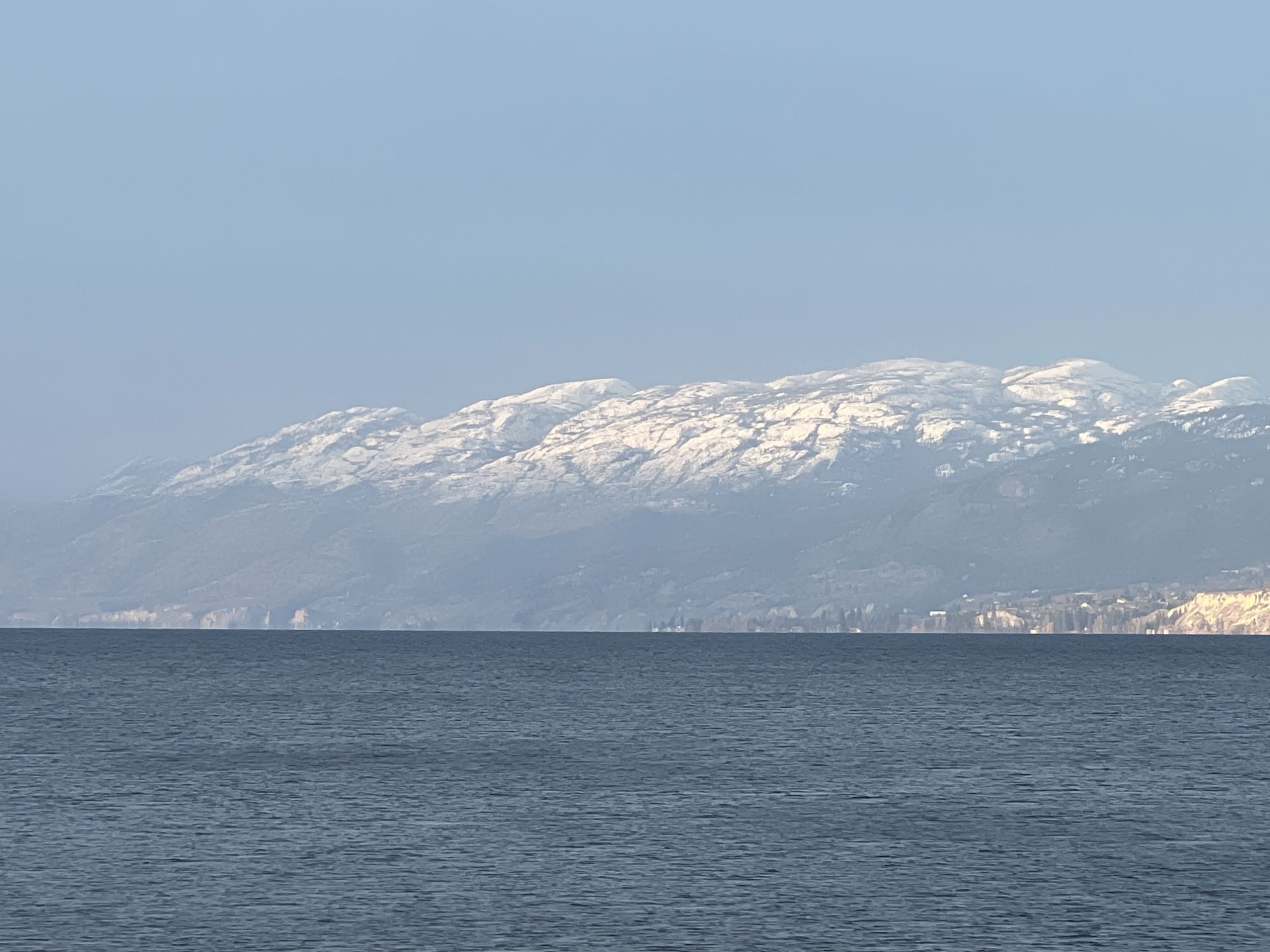
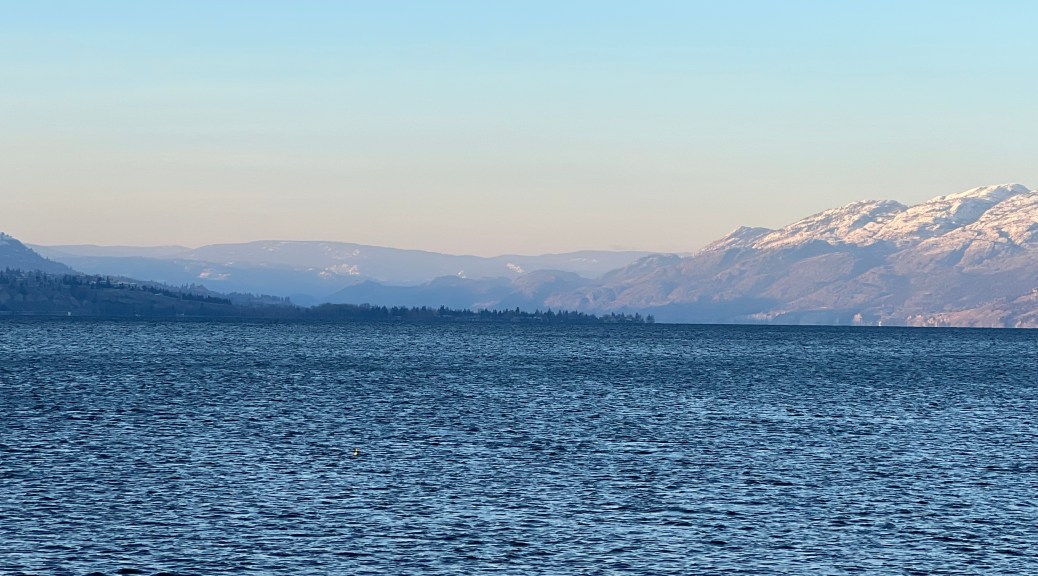
What I like best about these photos is how the snowy mountaintops seem to be floating above the lake due to some haze and also due to how the colour of the forest at the lower level almost completely matches the colour of the lake.
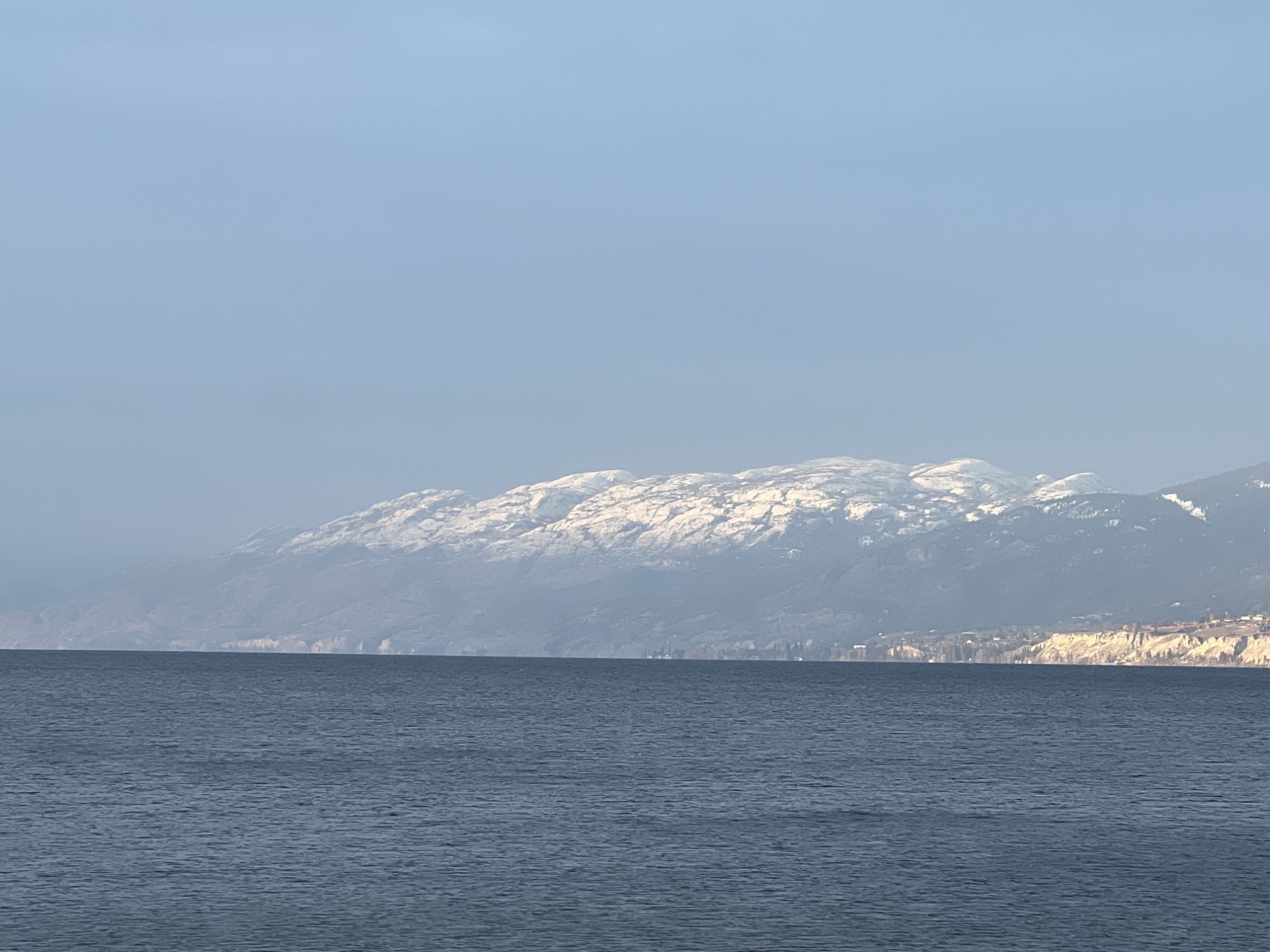
It’s a lovely optical illusion that I found very attractive.
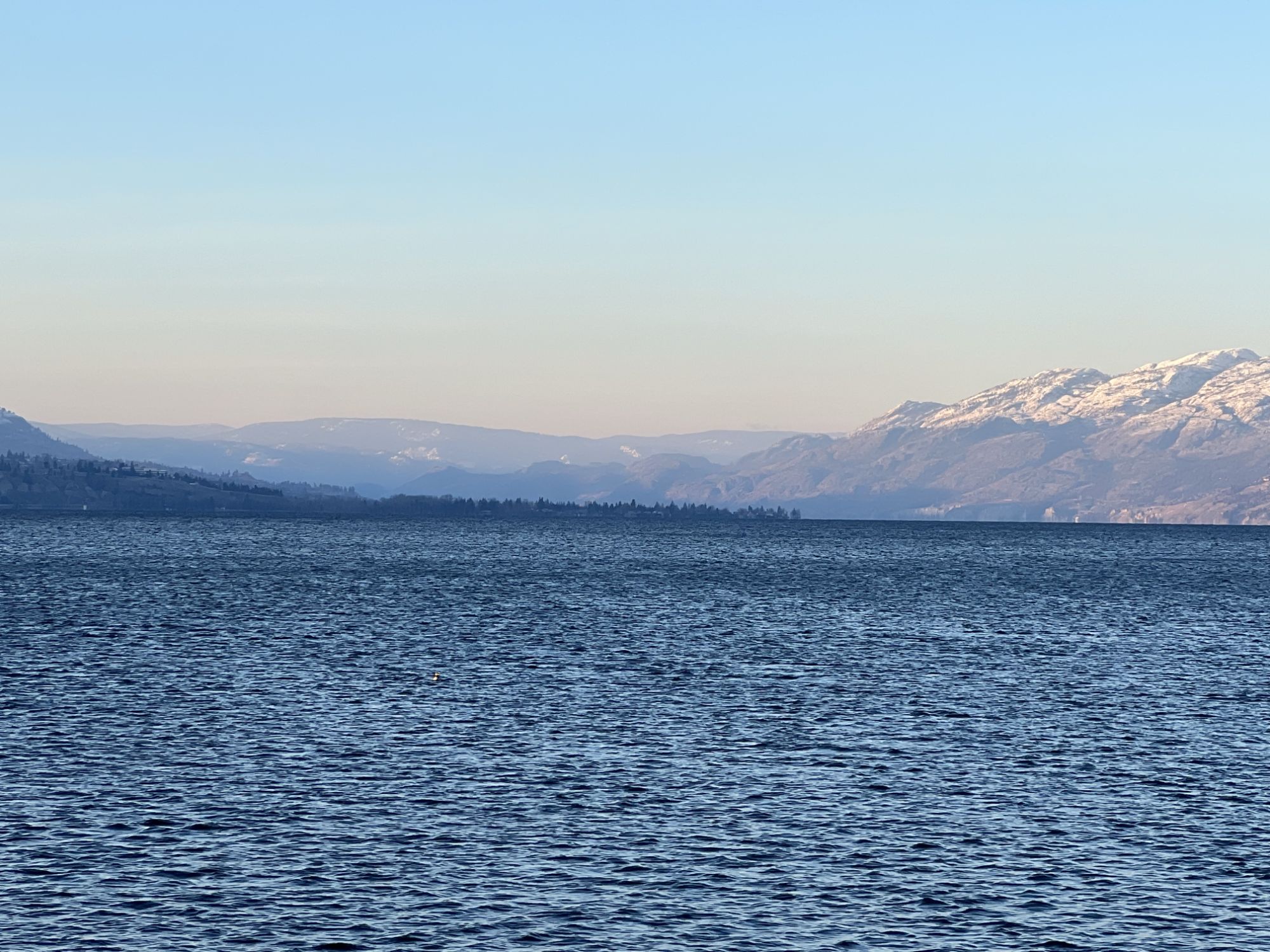
A couple of days later, a rosy hue spread through the valley as the sun set; it wasn’t an optical illusion but it was lovely all the same.
Happy Wednesday.
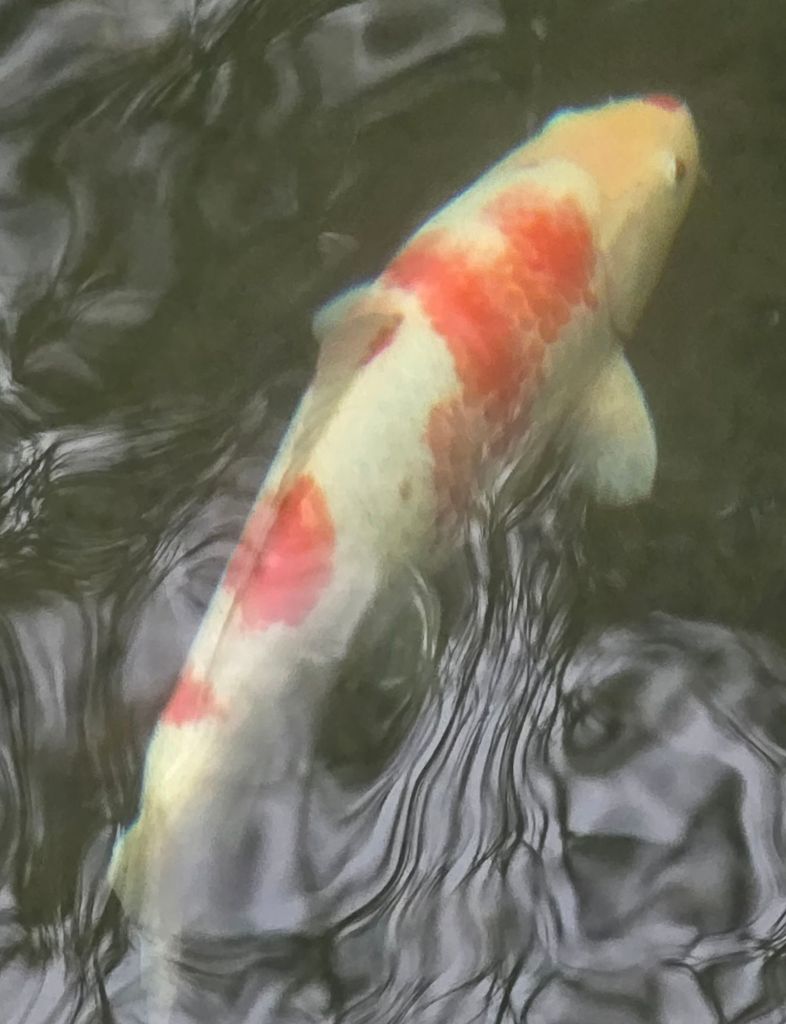
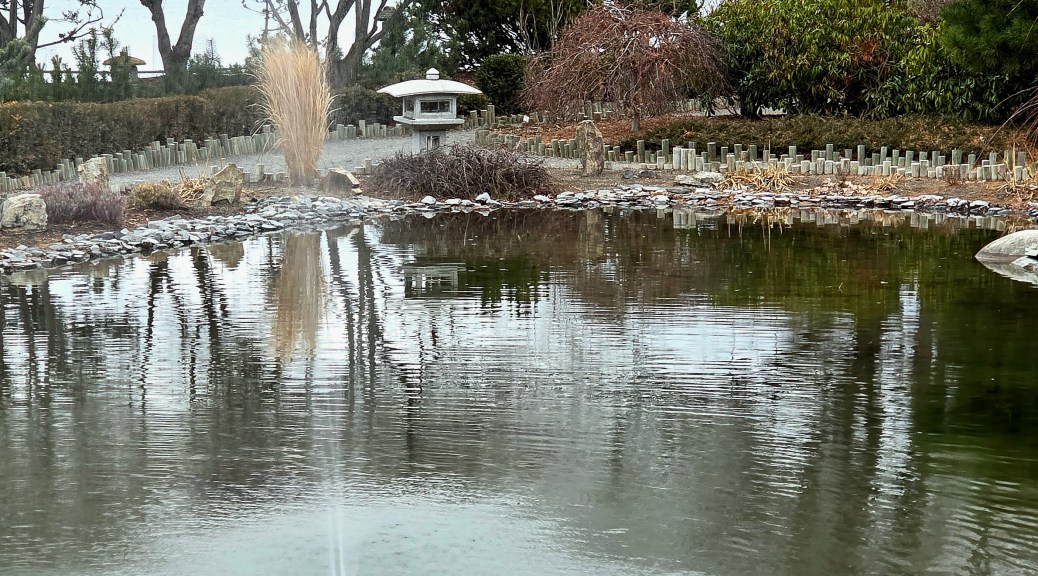
The Japanese Garden still sleeps …
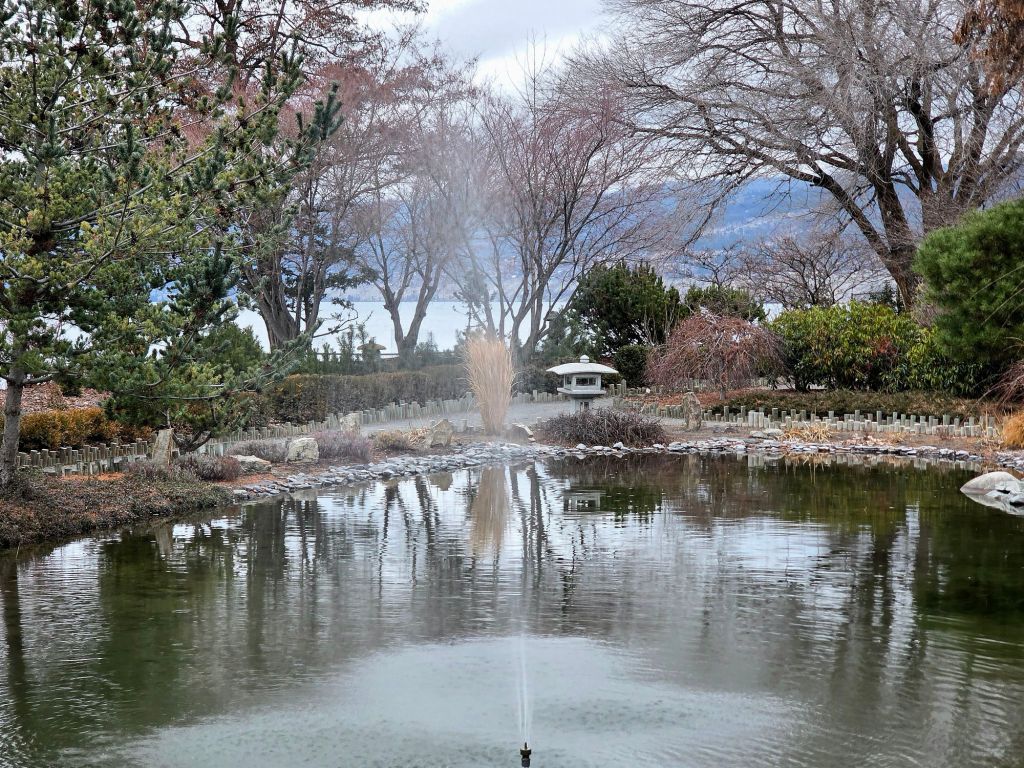
… while the fish come slowly out of their torpor …
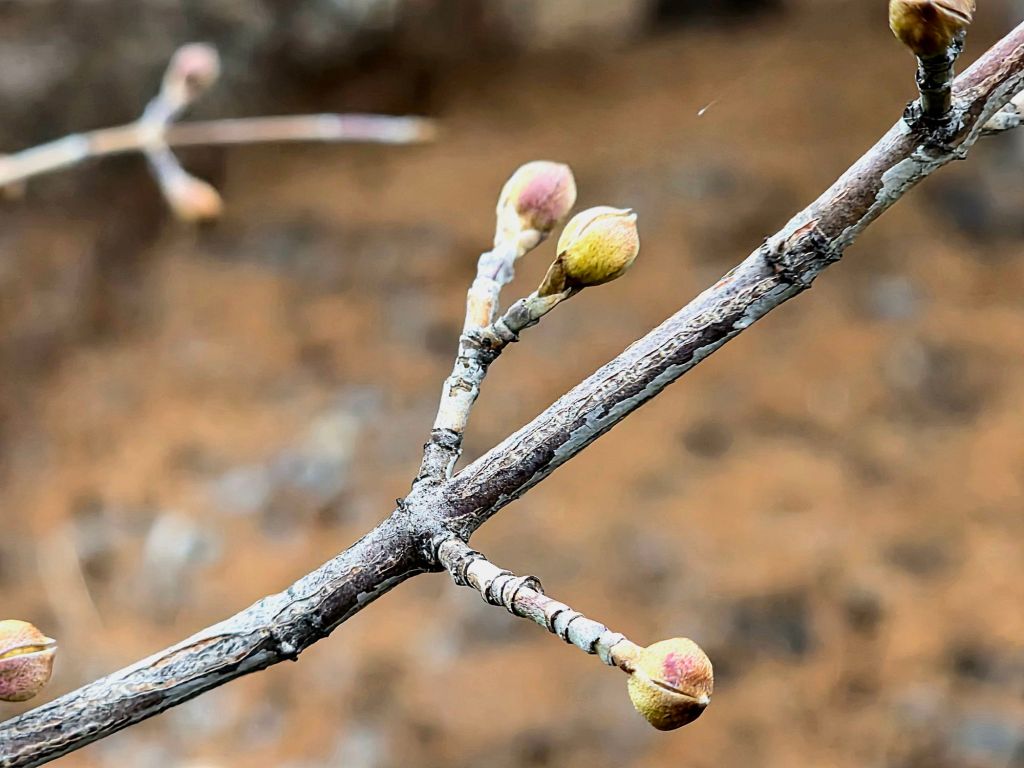
… the cherry trees start to consider their future …
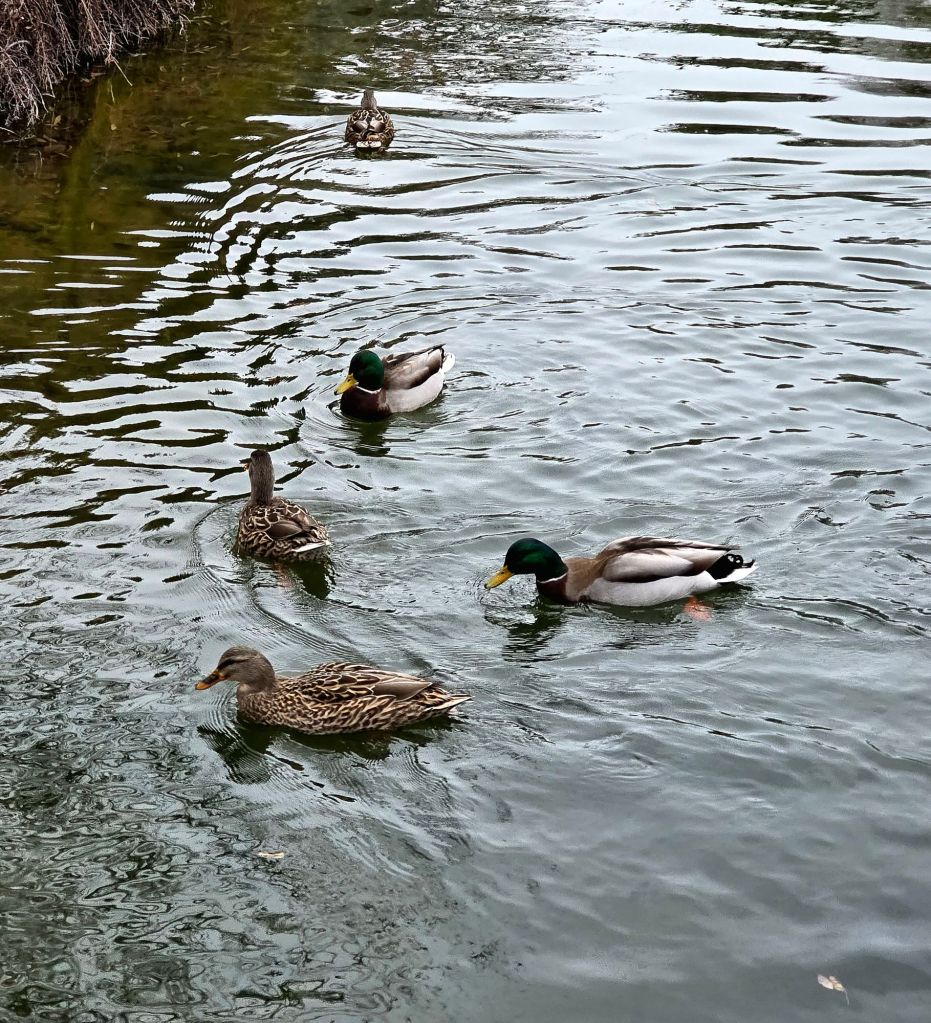
… and the ducks start to feel their “oats!”
Happy Tuesday.
Epilog „…Da braucht man nicht nach Finnland kutschen.;-)“ Für diesen Moment hat derjenige am nächsten Morgen Recht, es war damit kaum zu rechnen, …
Das Polarlicht-Ereignis vom 19.01.2026 (3)
Beautiful captures from Lutz at Radelnder uHu. Please click the link above to see more of his stunning photography.
We’re still very cloudy …
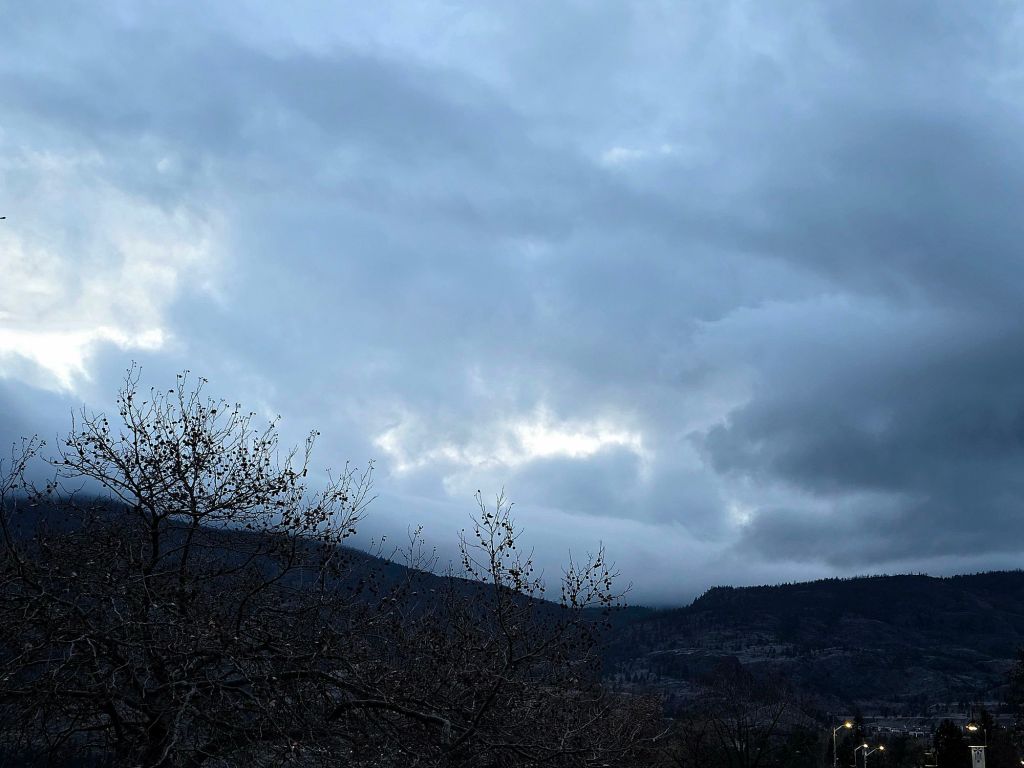
… very rainy …
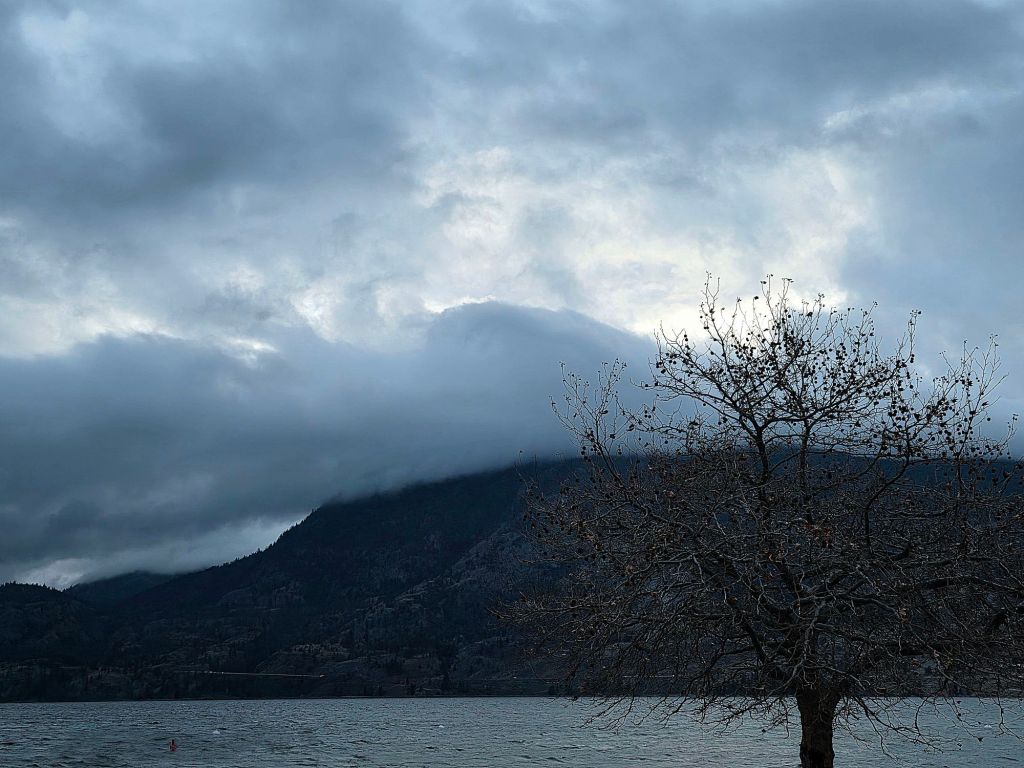
… and very windy.

But it’s relatively warm, so at least there’s no snow shovelling and we definitely have it a lot better than many on this continent who are dealing with some heavy-duty winter.
Whatever your weather, I hope you have a good Monday.

 In the Net! - Pictures and Stories of Life