Recently, we did a leisurely visit to the Similkameen Valley just to the south of us to buy some wine and to admire the orchards and scenery.
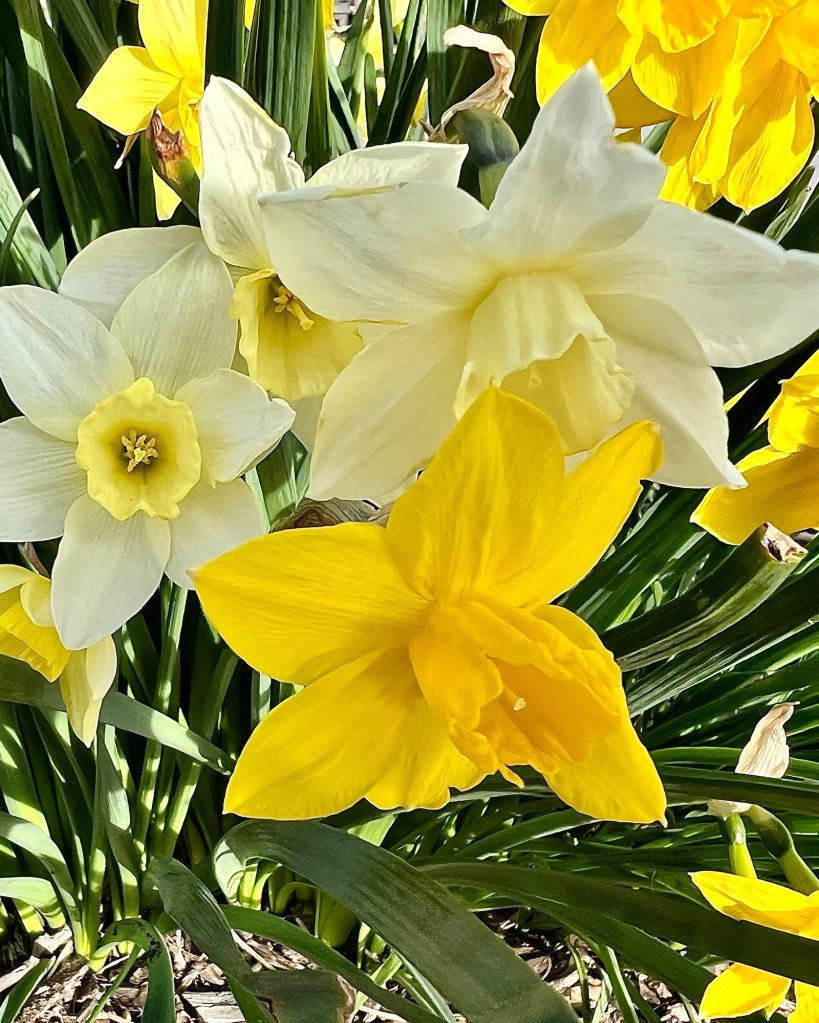
Apple and plum nursery orchards.Heavenly scented apple blossoms …… and pretty red plum blossoms. A directional sign post showing the names of a number of Similkameen Valley wineries and cideries with a view of young grape vines in the background. Spring narcissi greeted us in the forecourt at one of the wineries we visited.
It was a lovely spring day and we also came home with some great wine, too. We have to wait a bit for the fruit, though!
The British Columbia wine industry took a major hit when a very unusual four-day January cold snap with temperatures as low as -25C did terrible damage to tree fruits and grape vines. Both these agricultural segments suffered huge losses. All of the peaches, apricots and plums and most of the cherries were lost, and many vine fields have been decimated.
There have been signs of hope, however.
Many older, well-established vines did survive, and even though they won’t produce this year, they are showing good signs of recovery.
And if the weather maintains its usual pattern this winter, the recovery for both agricultural segments will continue.
Fingers crossed for all those farmers and vintners that we have a more stable winter and a better season for them next year.
The southern portion of the Okanagan Valley is classified as semi-arid desert, but last year’s extreme drought combined with the 10-day cold snap we had in January did a lot of damage. Nevertheless. recovery is happening.
The Okanagan Valley near Oliver, with Osoyoos Lake in the background.
Many of the grape vines were affected by both the drought and the cold snap, as were the stone fruit orchards such as peaches, plums and apricots. Everywhere I looked, I could see many fields being replanted under the new agricultural guidelines while other fields are clearly being left, at least for this year.
A mixture of grape vine and cherry tree fields, while others are lie fallow.
The area is definitely not as lush as it has been in the past, but with new farming approaches and hopefully, more stable weather patterns, there will be a return to something of its former self.
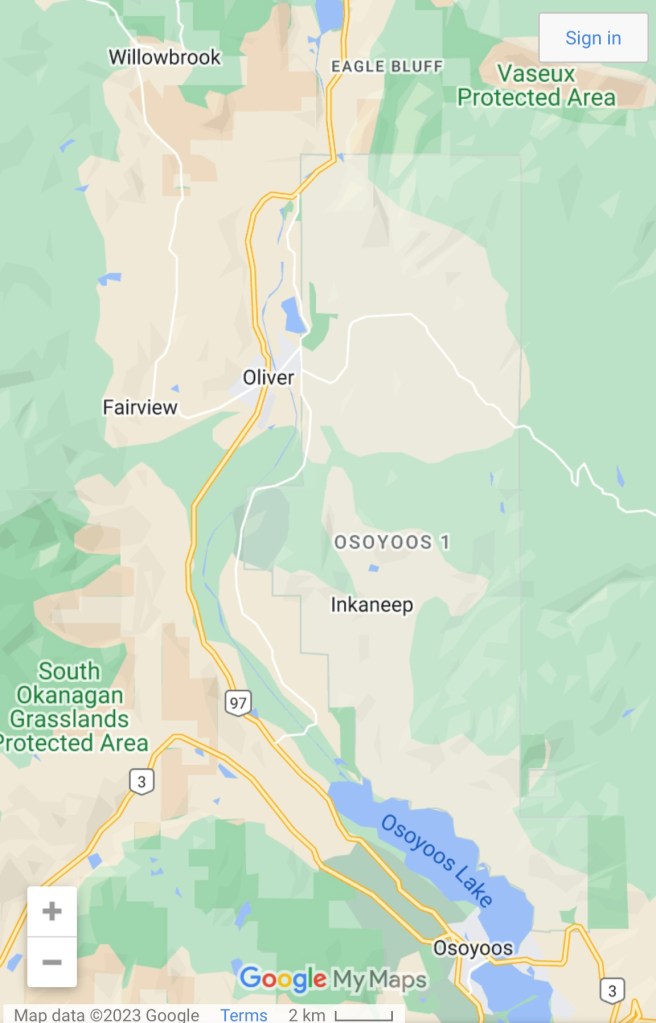
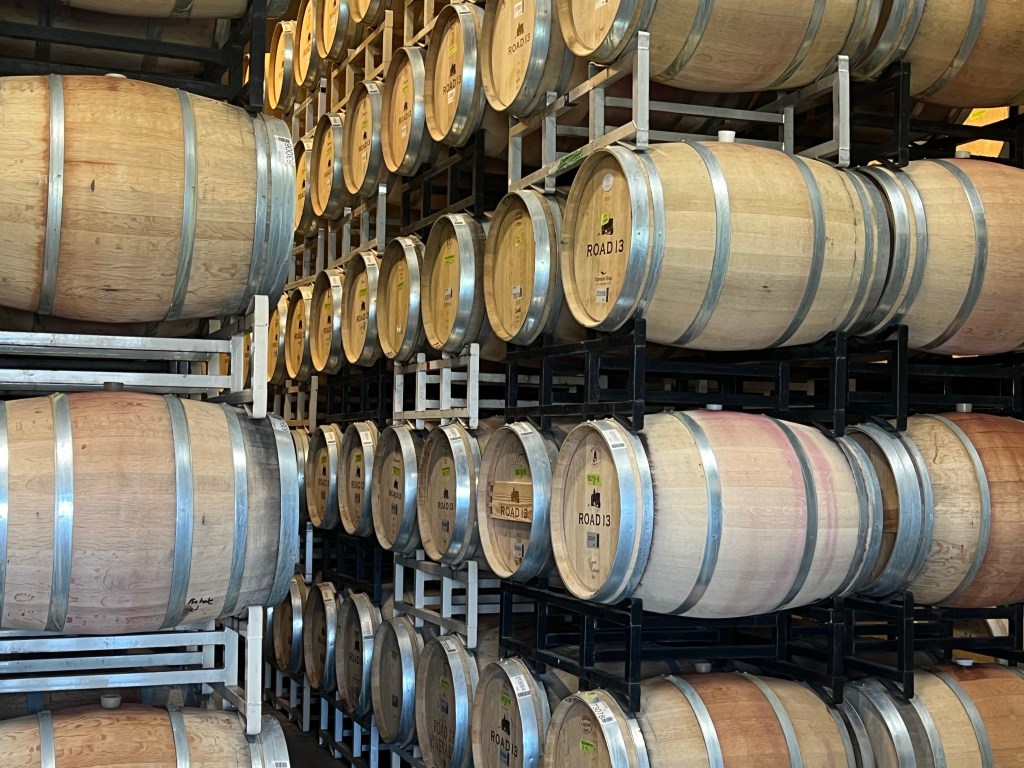
With the many harvest and wine festivals at this time of year, we have been visiting some of the more obscure and smaller wineries in the southern Okanagan Valley between Oliver and Osoyoos. This area is only 35 km (22 miles) to the south of us from Penticton.
The area is classified as semi-arid desert and the summer temperatures regularly climb into the low 40s (105-107F). Much of the valley is irrigated with water from nearby valley and mountain lakes and this allows a rich diversity of fruit and vegetables to grow, especially wine grapes.
This combination of dry heat and soil moisture causes the flavours of the wine grapes to be very concentrated which can produce some excellent reds.
It’s also good rosé country. Rosé results from some contact with the red grape skins to give it the distinctive hues that range all the way from light pink to orange to a light red.
This is not only good wine country. Opportunities for outdoor activities such as cycling, camping, swimming, boating, rock climbing and hiking are plentiful and varied. There are lots of good restaurants, and if you love fresh fruit and veggies, this might be your nirvana.







 In the Net! - Pictures and Stories of Life