

In Canada, today is Remembrance Day. The tradition is to wear a poppy pin in recognition of our war dead and to stop at 11:00 a.m. to reflect upon their sacrifices, often through a non-denominational and non-religious service at the community war memorial.

The poppy symbol found its origin in a poem – In Flanders Fields – written by John McCrae, a Canadian doctor who died during World War I. His memorial poem reflects on the huge numbers of dead and on the poppies that grew where they were buried.
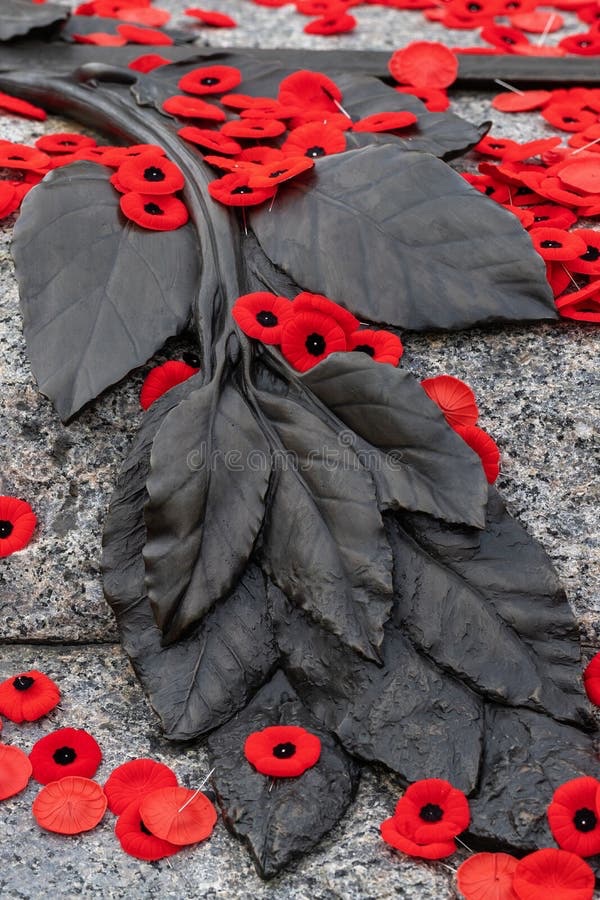
Since WW I, the poppy has become a symbol of remembrance not just for Canada, but for the war dead of a number of countries, including the UK.

Usually, a projection of falling poppies representing our fallen soldiers is displayed on the Parliament buildings in Ottawa. Except for the striking of the clock, it’s a silent, solemn memorial with each falling poppy representing a Canadian soldier who has died in battle.
https://www.youtube.com/watch?v=jYYEWbiXDuM
I hope that some day, we will have peace, and we will learn how not to add any more falling, blood-red flowers.
 In the Net! - Pictures and Stories of Life
A good post Lynette. Down here, they celebrate Anzac Day on April 25, so Remembrance Day is not a real thing. Still today, we thought about it. Have a great day. Allan
LikeLiked by 1 person
Yes, Australia and New Zealand have Anzac Day. There’s some recognition of November 11 though as I just saw a post from an Australian in respect of Remembrance Day. I hope you’re enjoying your NZ visit. Cheers.
LikeLiked by 1 person
That is a beautiful tradition and I was impressed by the falling poppies over the parliament in the video
LikeLiked by 1 person
I agree that it’s a beautiful tradition, completely silent except for the clock which is also symbolic of “the eleventh hour of the eleventh day of the eleventh month” in respect of fallen soldiers.
LikeLike
Oh yeah, I did not pay full attention to the clock. That is beautiful.
LikeLiked by 1 person
Yes, I totally agree.
LikeLiked by 1 person
so nice pic 👌
LikeLike
They show symbols of mourning …
LikeLike
A lovely post, Lynette, I too hope that mankind will end the wars. They serve zero purpose. God bless Canada. 🇨🇦🙏🏻❤️
LikeLiked by 1 person
Thank you very much, John. We are off shortly for the remembrance service that’s core at 11 a.m.
LikeLiked by 1 person
You are welcome, Lynette.
LikeLiked by 1 person
Wonderful tribute, Lynette.
LikeLiked by 1 person
Thank you very much, Tricia.
LikeLiked by 1 person
I love that poem (In Flanders Fields). Too bad it has so much real history associated with it.
LikeLiked by 2 people
Yes, it’s a poem of lament and illustrates McCrae’s own tragic story as well.
LikeLiked by 1 person
They deserve our thankful remembrance.. .
LikeLiked by 1 person
Yes, they certainly do.
LikeLiked by 1 person
It’s amazing how the poppy has become such a significant symbol of remembrance. Our town put on a ceremony in the park right around the corner from where we live. It was very well managed and they did a great job putting it together.
LikeLiked by 1 person
Yes, I agree. Besides McCrea’s poem, there are many surviving written accounts of the poppies (including pressed poppies added to journals or letters home) growing over the battlefields and battlefield cemeteries. Apparently poppy seeds can lie dormant in the soil for many years but once exposed to light will start to bloom and in the terribly churned up soil of the WWI battlefields they were able to germinate. Here’s a site that has a copy of a very rare 1915 colour picture showing the poppies. Just so you know, there are some other rather graphic WWI pictures on this site.
https://www.flandersfieldsmusic.com/ww1-photos.html
LikeLiked by 1 person
That picture is pretty incredible considering it’s from 1915! The caption says that it is the only colour picture known to show poppies on the battlefield.
LikeLiked by 1 person
Right? I agree! Colour pictures weren’t at all common at the time but apparently the news photographer was experimenting.
LikeLiked by 1 person
Amen.
LikeLiked by 1 person
Agreed.
LikeLike