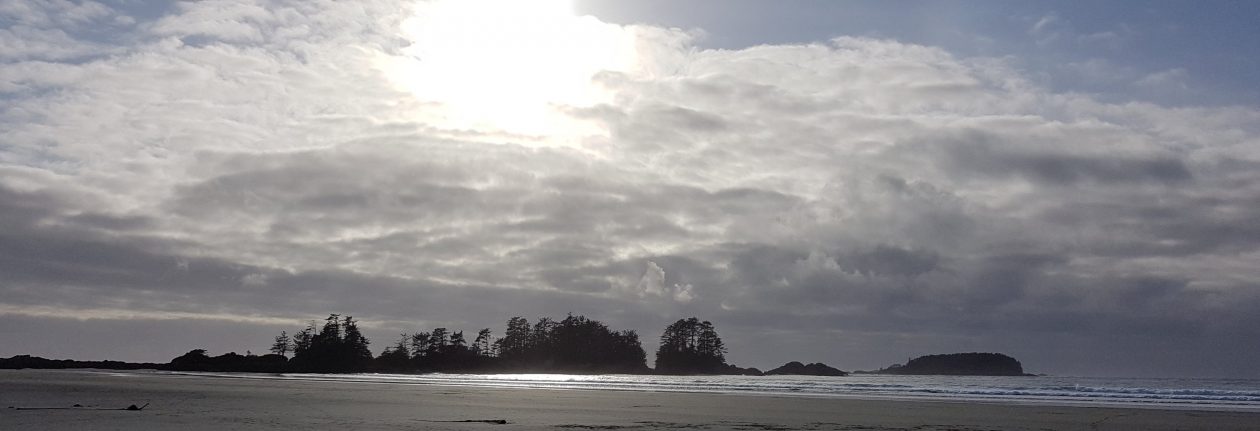
The southern portion of the Okanagan Valley is classified as semi-arid desert, but last year’s extreme drought combined with the 10-day cold snap we had in January did a lot of damage. Nevertheless. recovery is happening.

Many of the grape vines were affected by both the drought and the cold snap, as were the stone fruit orchards such as peaches, plums and apricots. Everywhere I looked, I could see many fields being replanted under the new agricultural guidelines while other fields are clearly being left, at least for this year.

The area is definitely not as lush as it has been in the past, but with new farming approaches and hopefully, more stable weather patterns, there will be a return to something of its former self.
Happy Thursday.
 In the Net! - Pictures and Stories of Life
It will be a tough year for vineyards and orchards and those who live for B.C. wine and fruit. Hopefully, it all comes back stronger than ever. Happy Thursday Lynette. Allan
LikeLiked by 1 person
Thanks, Allan. Agreed. It definitely will be. There are so many fields with new grape vines or those that survived are being babied right now but still look sad. The stone fruit orchards have survived but just aren’t producing fruit this year, at all. Yes, I hope it recovers, too, but I think it’s going to take more than one summer.
LikeLiked by 1 person
Fingers crossed that the conservation efforts will pay off. Happy Thursday Lynette!
LikeLiked by 1 person
Thanks, Tricia. 😊 The January cold snap was devastating. It only lasted a few days but the impact has been huge and severe. I know that there’s been a lot of contact with France and Germany around how they have handled cold snaps in the past.
LikeLiked by 1 person
Glad to hear that the landscape is recovering. Nature is pretty resilient. That being said, the wine business sounds like tough work, especially these days.
LikeLiked by 1 person
Yes, it is resilient but I don’t think it will recover as quickly as people are expecting; by next summer it will probably be looking much better. I agree, Linda. Viticulture is a very tough business.
LikeLiked by 1 person
Your photos remind of the beautiful ones in a National Geographic calendar, uplifting and pretty.
LikeLiked by 1 person
Wow! Thank you very much! Having my photos compared to those in National Geographic has made my year. 😀 We have a gorgeous world and I like to showcase it.
LikeLiked by 1 person
Let’s hope we have a few good years to help the area recover. Maggie
LikeLiked by 1 person
Agreed, Maggie. I think it’s going to take at least two and probably more than that.
LikeLiked by 1 person
I remember from living there many, many years ago, that the climate can be very harsh there sometimes. Very hot in the summer and brutally cold in the winter. In between it was often just perfect and really beautiful.
LikeLiked by 1 person
The southern Okanagan and Similkameen valleys are definitely scorchers in the summer, but from my experience they usually don’t get much below -5 or so in January which is also why wine grapes do so well. The cold snap that occurred in January was about -25, and that broke records from the 1930s, apparently. Here’s a site with weather info. It’s from Kelowna but since it’s at roughly the mid-point of the valley it’s a good gauge:
https://www.tourismkelowna.com/plan/weather-climate/
Agreed – the shoulder months are gorgeous, especially September.
LikeLiked by 1 person
Yes, I see it can get pretty hot. Thanks for the link.
LikeLiked by 1 person
I certainly hope the area recovers! Farming is one tough business.
LikeLiked by 1 person
I think it’s going to take a while, not just this year. It sure isn’t for the faint of heart.
LikeLiked by 1 person
Good to hear about the recovery. Let’s hope for more rain and fewer wildires…
LikeLiked by 1 person
Agreed, Penny. We have been getting intermittent rain and of course it’s nowhere near as hot as last year, so I think all will eventually recover.
LikeLiked by 1 person