
I think most people know about one of the cornerstones of environmentalism: reduce, reuse and recycle. And, yes, following through on that is a good thing. But one type of reducing that I had not, from an environmental standpoint, seriously considered until recently is meat consumption.

Studies show that the one single thing that all of us could do to help our planet is to reduce how much animal protein we eat. Apparently, this would go a very long way to offsetting all the other ongoing emissions from all other sources, including from vehicles. Here are some links with further information:
https://greenamerica.org/eat-less-meat-cool-planet
Not only would our planet be a lot happier, but we would be much healthier. An overconsumption of animal products is linked to all of the following: heart disease, stroke, obesity, high blood pressure, high cholesterol, type 2 diabetes, and many types of cancers. Of course, all of these health issues are linked to other health issues, and as we get older, these linkages lead to a cascade effect that results in additional, multiple, serious problems.
Five years ago, I was diagnosed with kidney disease. At the time it was not serious but needed to be addressed and had likely been caused by my ongoing issue with high blood pressure. The high blood pressure/kidney disease two-step is something that runs on my dad’s side of the family and given my busy, high stress job, I knew at the time of diagnosis that I should have been more careful about what I was eating and the amount of exercise I was (not) getting.
I found myself in a bit of a trap: I was exercising well and eating more carefully only when on holidays and was cavalierly throwing caution to the winds when working, and especially when under the frequent deadlines and embroiled in the daily and numerous stressors that were a part of my job.
The story I told myself was that I frequently didn’t have time to eat anything other than convenience foods. I did take some action. I avoided foods that aggravated my kidneys (there’s a “don’t list”). I took my bp medication. I walked to and from work every day.
But slowly, slowly, I was gaining weight. My kidney function was also very slowly dropping while at the same time my bp was slowly going up. It was all very glacial. Almost unnoticeable. Until it began to tip.

I was suddenly diagnosed with pre-diabetes and in weighing myself, realised that I needed to lose 10 kg. My kidney numbers were dropping (not good) and my bp numbers were climbing (also not good). I was a heart attack (or stroke) waiting to happen.
There was no way I was going to take more pills, so I decided that I had to change how I was eating and what I was doing. I made the decision to retire. I saw a dietitian, gradually cut out meat, read labels, made more careful nutritional choices and increased my exercise. M was doing most of the cooking from scratch and developed meals that work well.
It has paid off. I exercise more. I refer to myself as a vegetarian although apparently I’m a “flexitarian” because I occasionally eat meat, poultry or fish. I’m 10 kg lighter and looking at losing more. I got rid of the prescription for the diabetes drug metformin because my sugar numbers have returned to normal. My kidneys and bp are much happier and are doing better: kidney numbers are up, bp numbers are down.
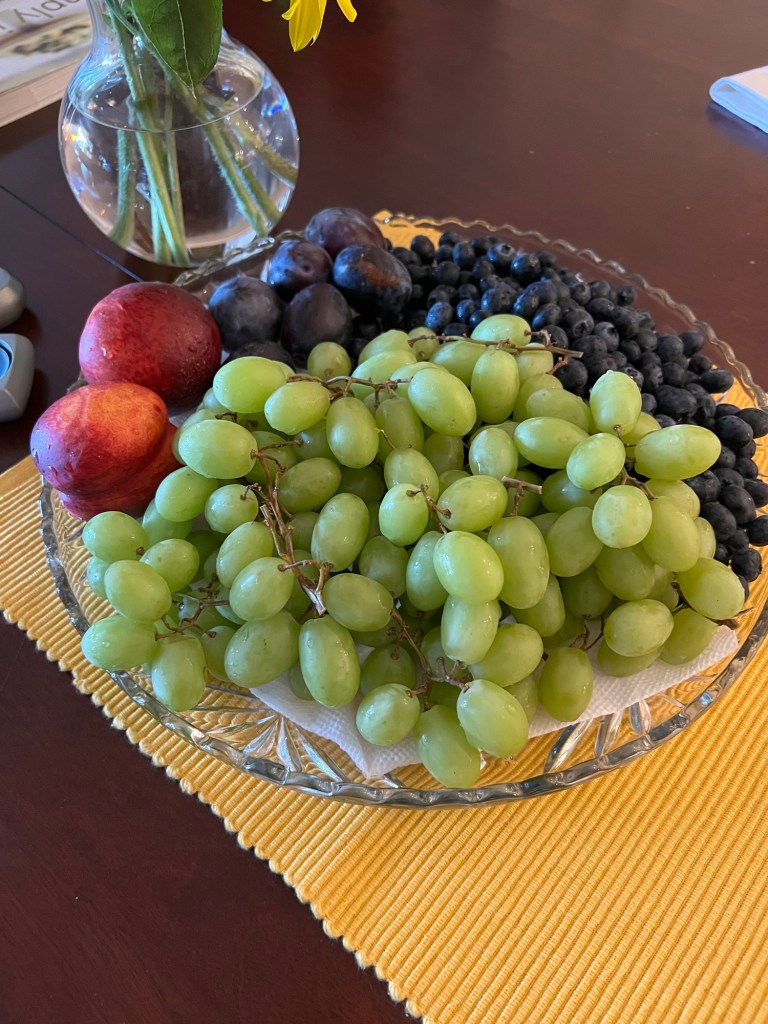
I have long enjoyed vegetarian meals and even though they are now the cornerstone of my diet, I still sometimes want to have a little chicken, fish or steak. M and I recently had a steak dinner and I enjoyed every bite. So when I talk about meat reduction, that’s exactly what I mean. I don’t think we need to cut out meat entirely, but our planet, and frankly, our long term health, can’t sustain this level of animal product consumption.
In the course of learning to reverse my declining health, I read a lot about the rise in factory farming practices because of the human demand for more animal protein and additionally, about how reducing our reliance on it will go a long way to not only improving our health levels but also the health levels of our planet. A good documentary about this named “You Are What You Eat” can be found on Netflix. Here’s a clip: https://m.youtube.com/watch?v=oygkWmXyOaM
There are huge numbers of factory farms (both on land and sea) producing massive amounts of pollution, but even if we eat only one or two vegetarian meals a week, or maybe have one “vegetarian day” a week, we will have an enormously positive impact on ourselves and our planet.
Food for thought.
 In the Net! - Pictures and Stories of Life