I think most people know about one of the cornerstones of environmentalism: reduce, reuse and recycle. And, yes, following through on that is a good thing. But one type of reducing that I had not, from an environmental standpoint, seriously considered until recently is meat consumption.

Studies show that the one single thing that all of us could do to help our planet is to reduce how much animal protein we eat. Apparently, this would go a very long way to offsetting all the other ongoing emissions from all other sources, including from vehicles. Here are some links with further information:
https://greenamerica.org/eat-less-meat-cool-planet
Not only would our planet be a lot happier, but we would be much healthier. An overconsumption of animal products is linked to all of the following: heart disease, stroke, obesity, high blood pressure, high cholesterol, type 2 diabetes, and many types of cancers. Of course, all of these health issues are linked to other health issues, and as we get older, these linkages lead to a cascade effect that results in additional, multiple, serious problems.
Five years ago, I was diagnosed with kidney disease. At the time it was not serious but needed to be addressed and had likely been caused by my ongoing issue with high blood pressure. The high blood pressure/kidney disease two-step is something that runs on my dad’s side of the family and given my busy, high stress job, I knew at the time of diagnosis that I should have been more careful about what I was eating and the amount of exercise I was (not) getting.
I found myself in a bit of a trap: I was exercising well and eating more carefully only when on holidays and was cavalierly throwing caution to the winds when working, and especially when under the frequent deadlines and embroiled in the daily and numerous stressors that were a part of my job.
The story I told myself was that I frequently didn’t have time to eat anything other than convenience foods. I did take some action. I avoided foods that aggravated my kidneys (there’s a “don’t list”). I took my bp medication. I walked to and from work every day.
But slowly, slowly, I was gaining weight. My kidney function was also very slowly dropping while at the same time my bp was slowly going up. It was all very glacial. Almost unnoticeable. Until it began to tip.

I was suddenly diagnosed with pre-diabetes and in weighing myself, realised that I needed to lose 10 kg. My kidney numbers were dropping (not good) and my bp numbers were climbing (also not good). I was a heart attack (or stroke) waiting to happen.
There was no way I was going to take more pills, so I decided that I had to change how I was eating and what I was doing. I made the decision to retire. I saw a dietitian, gradually cut out meat, read labels, made more careful nutritional choices and increased my exercise. M was doing most of the cooking from scratch and developed meals that work well.
It has paid off. I exercise more. I refer to myself as a vegetarian although apparently I’m a “flexitarian” because I occasionally eat meat, poultry or fish. I’m 10 kg lighter and looking at losing more. I got rid of the prescription for the diabetes drug metformin because my sugar numbers have returned to normal. My kidneys and bp are much happier and are doing better: kidney numbers are up, bp numbers are down.
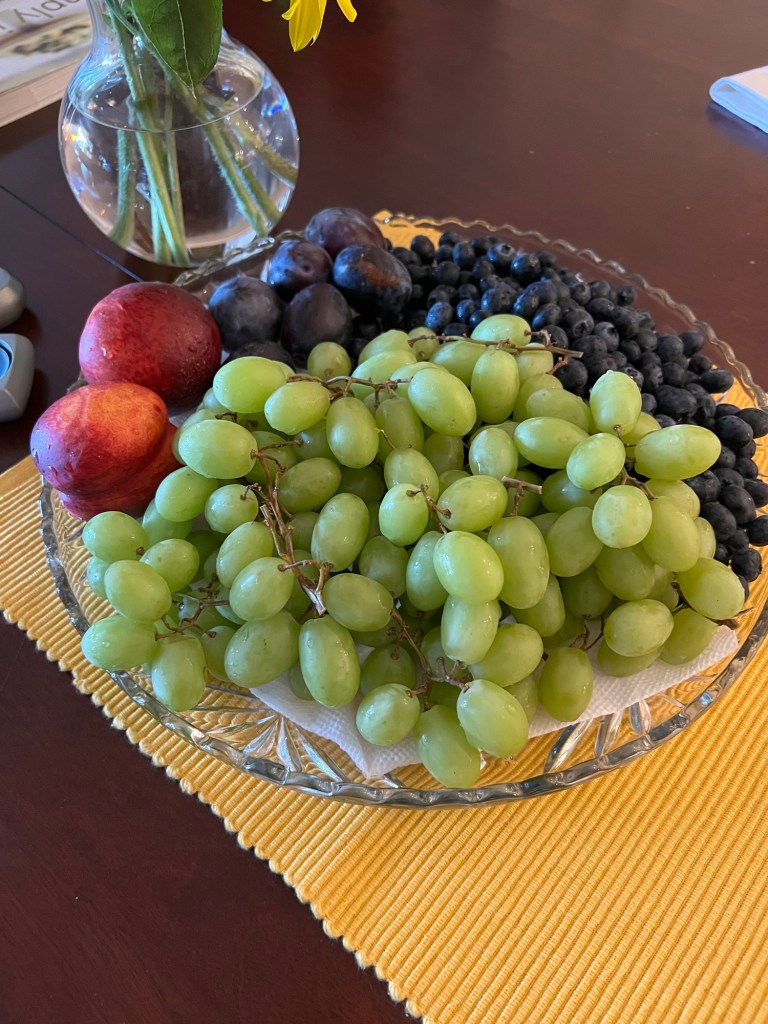
I have long enjoyed vegetarian meals and even though they are now the cornerstone of my diet, I still sometimes want to have a little chicken, fish or steak. M and I recently had a steak dinner and I enjoyed every bite. So when I talk about meat reduction, that’s exactly what I mean. I don’t think we need to cut out meat entirely, but our planet, and frankly, our long term health, can’t sustain this level of animal product consumption.
In the course of learning to reverse my declining health, I read a lot about the rise in factory farming practices because of the human demand for more animal protein and additionally, about how reducing our reliance on it will go a long way to not only improving our health levels but also the health levels of our planet. A good documentary about this named “You Are What You Eat” can be found on Netflix. Here’s a clip: https://m.youtube.com/watch?v=oygkWmXyOaM
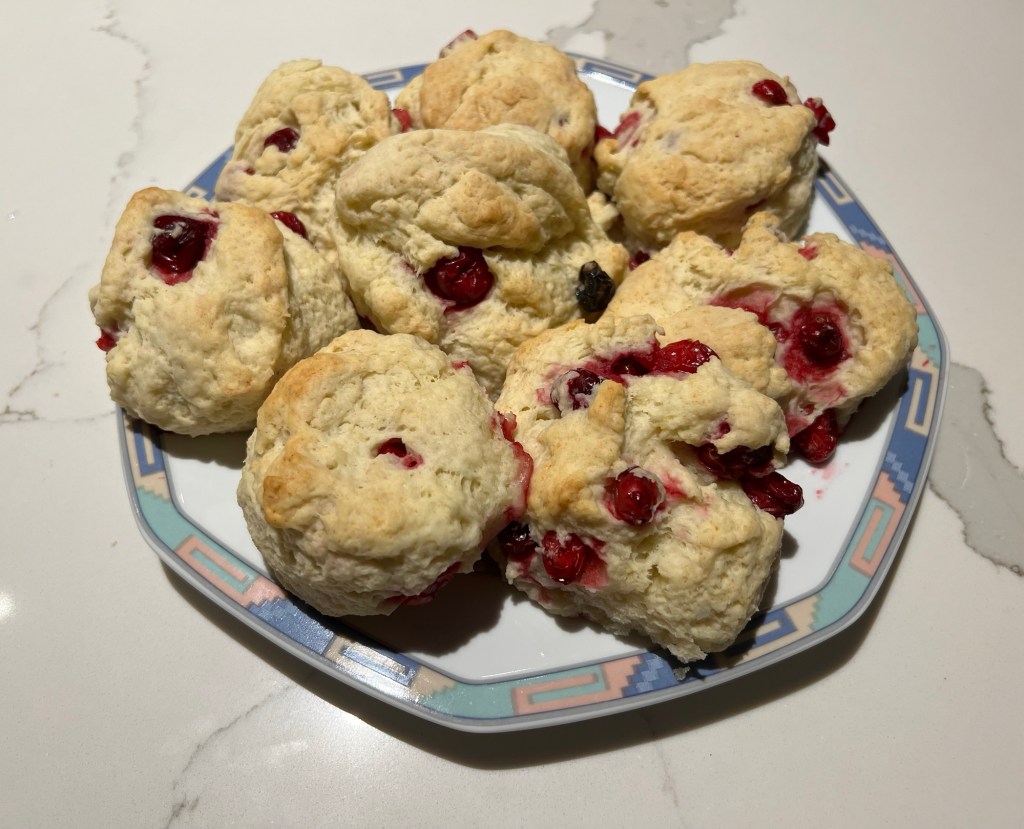
There are huge numbers of factory farms (both on land and sea) producing massive amounts of pollution, but even if we eat only one or two vegetarian meals a week, or maybe have one “vegetarian day” a week, we will have an enormously positive impact on ourselves and our planet.
Food for thought.
 In the Net! - Pictures and Stories of Life
A balanced diet and physical activity have the power to change our life! And the good part is that once we discover it, it becomes our lifestyle and we feel so much better 😉
LikeLiked by 1 person
Thanks for your comment. It’s funny that a balanced diet and plenty of exercise had been a centrepiece of my life up until I started a CEO position. Just when I needed to really keep them up, I was ditching them because of time constraints. 🙄I’m feeling much better now.
LikeLiked by 1 person
Glad it’s working for you and you’re more healthy Lynette. I have been vegetarian for more than 20 years. I have never craved meat, but recently started having fish once a week for my brain. I should probably have it twice a week, but I don’t enjoy it. Stay healthy, Maggie
LikeLiked by 1 person
Thank you very much, Maggie. Diet and exercise had been such a main part of my life until I started a CEO position and then work-life balance went right out the window.
I’m beginning to really dislike some types of meat. I was never a big fan of turkey but now even the smell of it cooking gets to me as well. Our bodies evolved on a diet of plants with quite limited amounts of meat, so we do need it for optimal health, just not the huge quantities that are available now. I briefly considered veganism but after reading extensively about it felt that that diet might create deficiencies in other areas. Cheers.
LikeLiked by 1 person
A great example of what determination can do. High stress careers are the enemy of good health. Glad you managed to retire and make the necessary changes. By the time I retired, I was the only one in my job who was not on BP meds. We minimize processed food (the odd treat does occur) we eat meat and fish but in moderation and we buy our fruit and veggies (as well as meat and fish) from our local market). Some would think that is more expensive, but the health benefits are worth it. Stay well Lynette. Allan
LikeLiked by 1 person
Thanks, Allan. I agree. High stress careers will wreak havoc on health. My assistant (8 yrs younger) was in worse shape than me with unstable diabetes, high bp and weight issues.
We buy from local markets and Nature’s Fare – yes, they’re more expensive – but they roll with the seasons and we’re not eating January raspberries that have travelled from who-knows-where. If we don’t support local we’ll be taken over by these huge supermarkets where health benefits aren’t exactly the priority! Good to hear that you were able to escape the poor health merry-go-round before you retired.
LikeLiked by 1 person
Good advice. Thanks.
LikeLiked by 1 person
Thanks for reading. 😊
LikeLiked by 1 person
Great piece, Lynette. Personal experience and honesty combined are persuasive aspects of any post.
I’m like you, flexitarian. But Valerie can’t abide meat and hasn’t eaten it since she was ten years old and her mother finally stopped forcing it on her!
LikeLiked by 1 person
Thank you very much, Stuart.
So many children dislike eating meat or certainly have a more natural sense of how much to eat with their small tummies. One or two bites and finished! Parents get worried and try to force it. We evolved on plants with small quantities of meat, so the present consumption levels are way out of whack. It’s interesting that I am starting to really dislike some types of meat. I for instance never much cared for turkey but now I don’t even like the smell of it!
LikeLiked by 1 person
I did a new ‘reduce’ effort at my doctor appointment the other day. I begged off switching to their paper wrap, explained it was to save paper–and he didn’t argue! I will be doing this more often in the future.
LikeLiked by 1 person
Reduce and reuse are such good practices. I love how there are so many places where you can find everything from leftover construction materials to school equipment. 😊 Cheers.
LikeLiked by 1 person
My partner and I have been flexitarian for the past 8 years. We are mainly vegetarian but might have some fish/ meat when on holiday, eating at friends/family or restaurant. It might be one/twice a month.
LikeLiked by 1 person
Yes, that’s similar to my meat consumption rate, as well. I enjoy it as a treat, basically, but I feel so much better without eating it every day. I don’t think M will reduce as much as I have but overall he’s eating less meat now. Thanks for commenting. Cheers.
LikeLiked by 1 person
The nutritionist in me thoroughly enjoyed reading about your transition to vegetarianism and incorporating exercise into your daily routine. Well done Lynette, for making the change and improving your health! It’s hard to do and many do not succeed. Whenever I am asked how to eat for optimal health, I always advise a diet high in veggies, fruits, grains, a little fish now and then, and a slab of red meat only on occasion; basically the Mediterranean diet. Change is always possible, as you just shared!
LikeLiked by 1 person
Thank you very much for your supportive comment, Tricia. I think it was somewhat easier for me because I tended to live that way before my job took over my life and lead to very unhealthy habits. The patterns were more or less already there; they just needed adjusting and more importantly, adherence. Yes, the Mediterranean diet is wonderful. I’ve always enjoyed it. Of course, I’ve had to tweak it because of the dietary restrictions related to my kidney disease, but what I eat is definitely closely related. Thanks again for your encouraging comment. 😊
LikeLiked by 1 person
I share your philosophy and practice.
LikeLiked by 1 person
Thank you very much, Cindy. 😊I think my choices are now pretty stable (with the necessary adjustments for kidney disease). Cheers.
LikeLike
Our diet plays such an important role in our personal well being and that of the planet.
It sounds like you’ve made some excellent decisions to live a healthier life! I’m not a vegetarian but I do love my greens, and I’ve never been a big meat eater. So far, so good 😊
LikeLiked by 1 person
Thank you very much, Belinda. 😊
Going vegetarian isn’t right for everyone, but I do think that reducing meat consumption, even if it’s just a bit, is a good thing.
The main vegetarian deciding factor for me was the kidney disease. Protein places a lot of strain on them and since I have to avoid that, cutting out meat to about once or twice a month is the right thing for me. I’m feeling a lot better. Agreed – what we eat is so important and also extremely confusing with all the conflicting info out there as well as pressure from the weight loss industry.
LikeLiked by 1 person
I’m a compulsive label reader too 😏
LikeLiked by 1 person
Always such an interesting experience now that my near eyesight is starting to be a problem. 🙄
LikeLiked by 1 person
I’m so glad you’ve found a diet that is working for you, Lynette. I just don’t think it’s a one-size-fits-all kind of thing. Several people I know have gone on carnivore diets and have loss massive amounts of weight. As for me, it’s the carbs that get me every time. I love me some pasta and bread. Not to mention, chocolate. Also recently, I’ve learned about how unhealthy seed oils are to the diet. I’ve cut out all seed oils at home (canola, vegetable, sunflower, etc). I check the ingredients of foods I buy, and so many use seed oils. I found that the less I eat anything with them, the better I feel. I’ve been cutting back on carbs and doing intermittent fasting. I don’t eat fast food. I’ve also been doing this natural-ingredients liver cleanse that has sped up my metabolism. I don’t weigh myself because it gives me anxiety which causes me to eat junk, but I’ve outgrown many of my clothes and needed to buy a size smaller. One more size to go! Now, if only I can stop being so lazy and add more exercise (besides walking the dog).
I’m glad you don’t have the stress of your job anymore and live in that beautiful setting. Keep up the good work.
LikeLiked by 1 person
Hi Lori, thank you very much for your wonderfully supportive comment. 💛 I completely agree that vegetarianism isn’t for everyone. The main deciding factor for me was that my kidneys get stressed when dealing with protein and in order to protect their function, the best choice for me was to go to plant-based meals. Basically I follow a Mediterranean diet except that I’ve had to tweak it for my kidneys (there’s a list of “don’t eats” that I have to follow). I love Italian and this diet allows for pasta and even chocolate, but all in moderation. With your Italian heritage, here’s a piece that might interest you:
https://www.health.harvard.edu/blog/a-practical-guide-to-the-mediterranean-diet-2019032116194
The carnivore diets do trigger weight loss for sure, but they also can cause a rise in cholesterol and bp. A good friend was following it for probably about a year and lost around 18 kg (40 lbs). She had to stop though because her bp became dangerously high and she now takes a cholesterol drug as well. She’s just one example though and her bp and cholesterol issues may have happened anyway, carnivore diet or not.
I’ve always sworn by olive oil and stopped using canola, vegetable, etc. long ago. And of course, fast food is a heart attack on a plate (or in a box 😉).
Congratulations on your weight loss, Lori. 🎉 😀 You keep up the good work, too! I am definitely happy about retirement and thankful to live in this beautiful area. 😊 Cheers.
LikeLiked by 1 person
I’m glad that you got your health back. This is a great article not only because too much consumption of meat is bad for our health but also for the planet. A win-win situation to decrease meat consumption.
LikeLiked by 1 person
Thank you very much, Carol. 😊 Agreed; just reducing a little would be such a positive thing for our health and our planet. Definitely a win-win. Cheers.
LikeLiked by 1 person
I am able to keep my weight stable by choosing whole grain foods, avoiding transfats and high fructose corn syrup (almost nothing those things are in can be good for you!), and only eating mammal meat when I feel a need to be polite because others are cooking for me – and then I’m not interested in more than a few bites. I do enjoy seafood and poultry (and unlike you, I love the smell of turkey cooking!), but mostly eat vegetarian. With my arthritis, exercise is problematic, until it warms enough so I can kayak a few times a week again, but I seem to be balancing food consumption with exercise as I’m not gaining weight, even in the winter.
LikeLiked by 3 people
Congratulations on weight stability! I’ve had to watch my weight my entire adult life but during this particular job I totally lost track of it. I was so “other directed.” I agree that anything with high fructose corn syrup is not going to be good for you!
My father was a hunter and my mother a gardener; between the two of them there was little in my childhood home that was purchased in a grocery store. I can remember my mother buying large bags of flour for her pies and bread but there was very little else. So my start in life was quite “unprocessed” and it’s totally me who dropped the ball. Basically I now follow the Mediterranean diet adjusted for my kidney disease (there’s a list of food restrictions).
I haven’t experienced arthritis yet although my husband is, and we’re finding new ways to exercise for him. It’s great that you’re still kayaking and have found a way to keep it up. Such good exercise.
LikeLike
One of the reasons I became vegetarian was because it has a much lower impact on our environment. I also found that I had some sensitivities, largely to red meat. Once I became vegetarian my whole diet and approach to eating and exercise changed too… although I still do enjoy eating (too many) sweets. Glad to hear that you’ve also seen some positive impacts to being a vegetarian (or flexitarian)!
LikeLiked by 3 people
We evolved on a diet that was mostly plants with a small amount of meat. Many, many people don’t realise how small (650g a week maximum, although Canadians are well below that at 450).
I very much agree with you that a good reason to become vegetarian is its lower environmental impact. And in looking at factory farming methods, it’s truly a wonder that we don’t all have sensitivities given the chemical load involved with their processing methods. And that’s where the meat, chicken and fish comes from that’s in the meat aisle in the grocery stores. The rare meat or chicken that we’re eating comes from a local organic farmer. I don’t understand why (it’s seemingly just mark-ups) but it’s also less expensive than the grocery store, too.
I’ve definitely seen positives come from my diet change. I have a serious weakness for sweets too, especially chocolate and then ice cream in the summer. I think that some indulgences are okay. 😊
LikeLike
I hear you Lynette. I learned the hard way being too focused on work and not being kind to my body so eventually it took its toll to my health. I dropped everything and took a work hiatus to change my focus. Now I try my best to eat healthy, get some sunlight daily and walk those ten thousand steps.
LikeLiked by 3 people
Hi Mrs W, I think many of us have to learn the hard way, unfortunately. I’m glad to hear that you caught up with your health issues and have been able to do what you need to do to improve it. It can be very difficult to eat well when we’re working long hours and even when I wasn’t working I had to be ready to take calls and deal with critical questions. After a while your body just caves in. Work-life balance is so important.
LikeLiked by 1 person